
The Winter Pantry: Beef Cured by Wind and Cold
寒风为匠盐作衣,肉条悬尽冬日香 Hánfēng wéi jiàng yán zuò yī, ròutiáo xuán jìn dōngrì xiāng – The cold wind works as craftsman and salt as its coat; hanging meat strips spend the winter turning fragrant
正文:风干牛肉 Fēnggān Niúròu air-dried beef is the frontier larder made visible – strips of beef salted simply and hung into the dry cold until wind and frost do the work that smoke and fire do elsewhere. Around 双河市 Shuānghé Shì Shuanghe City the herder families of the Bortala hang the strips in late autumn, from rack to eave to courtyard line, and by deep winter the meat has darkened into lean, iron-red slabs that keep for months and taste, once recooked or shaved thin, of nothing but beef and mountain air.
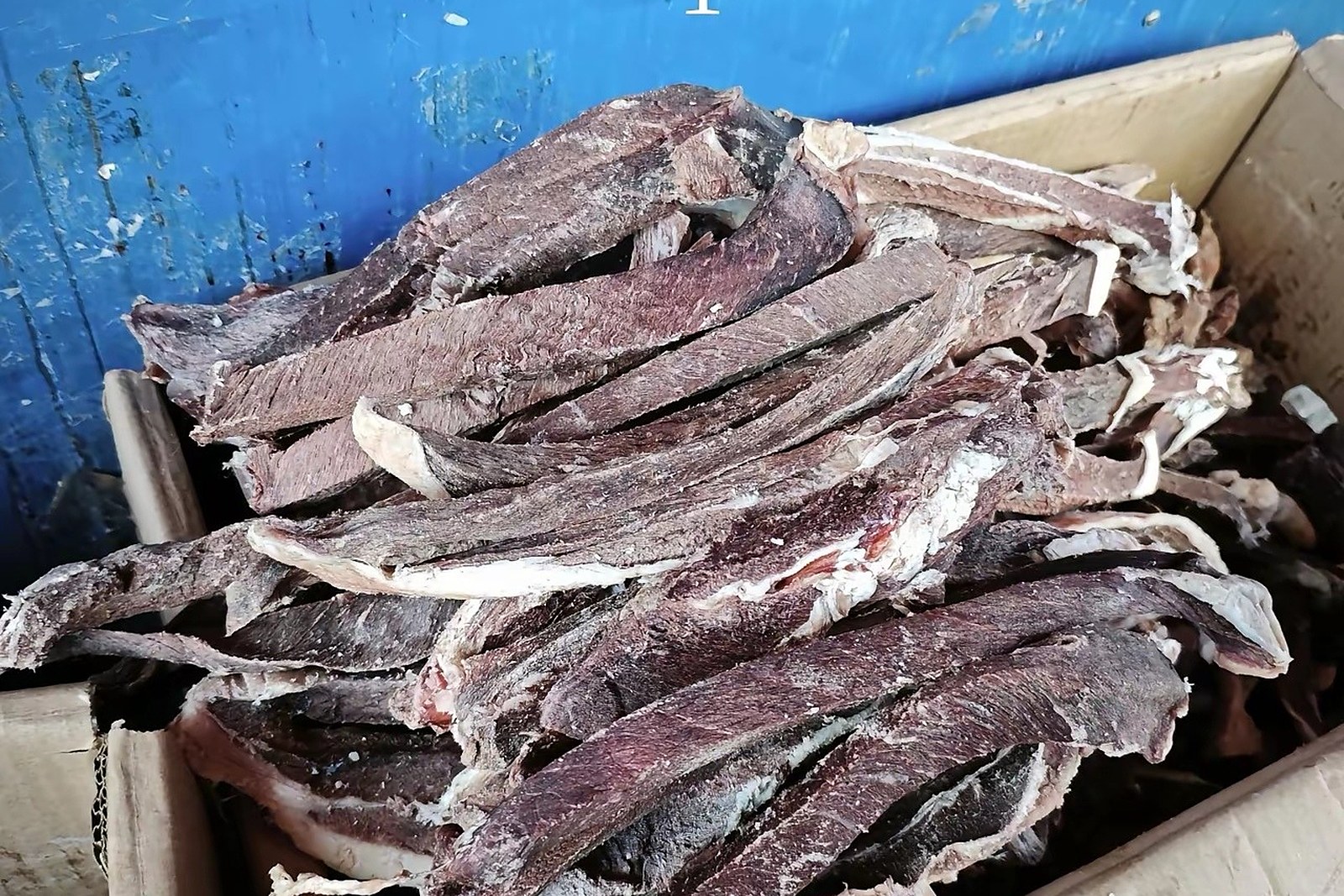
The method is older than the town. Beef is cut along the muscle into long strips, rubbed with salt – some families add a whisper of Sichuan pepper or chili – and hung where the wind moves freely and the sun cannot cook it. The Bortala’s dry freeze is the real ingredient: moisture leaves the meat over weeks without ever thawing it, concentrating flavor the way cold storage never does. The finished slabs bend like wood and keep through spring; sliced against the grain they chew into something between jerky and prosciutto, more honest than either.
Eating it takes a decision. Shaved paper-thin it serves as the drinking table’s meat course, chewy, salt-dark and clean; simmered into a noodle broth or a fried rice it gives the dish a marrow-deep beefiness that fresh meat cannot reach; and pounded with a rolling pin it crumbles into the trail food that herders have carried across the grassland forever. In 双河市 Shuānghé Shì Shuanghe City the shops sell it in both registers – soft slices ready to eat, hard slabs for the pot.
The market for it runs on family names. Stalls at the town markets display the winter slabs in stacks and the sliced version in trays, and a good vendor answers three questions without being asked: which herd, which month, how much salt. The Bortala’s herds graze open steppe, and the best air-dried beef keeps that grassy sweetness – a clean finish after the salt, no smoke, no sugar, nothing between you and the animal’s year outside.
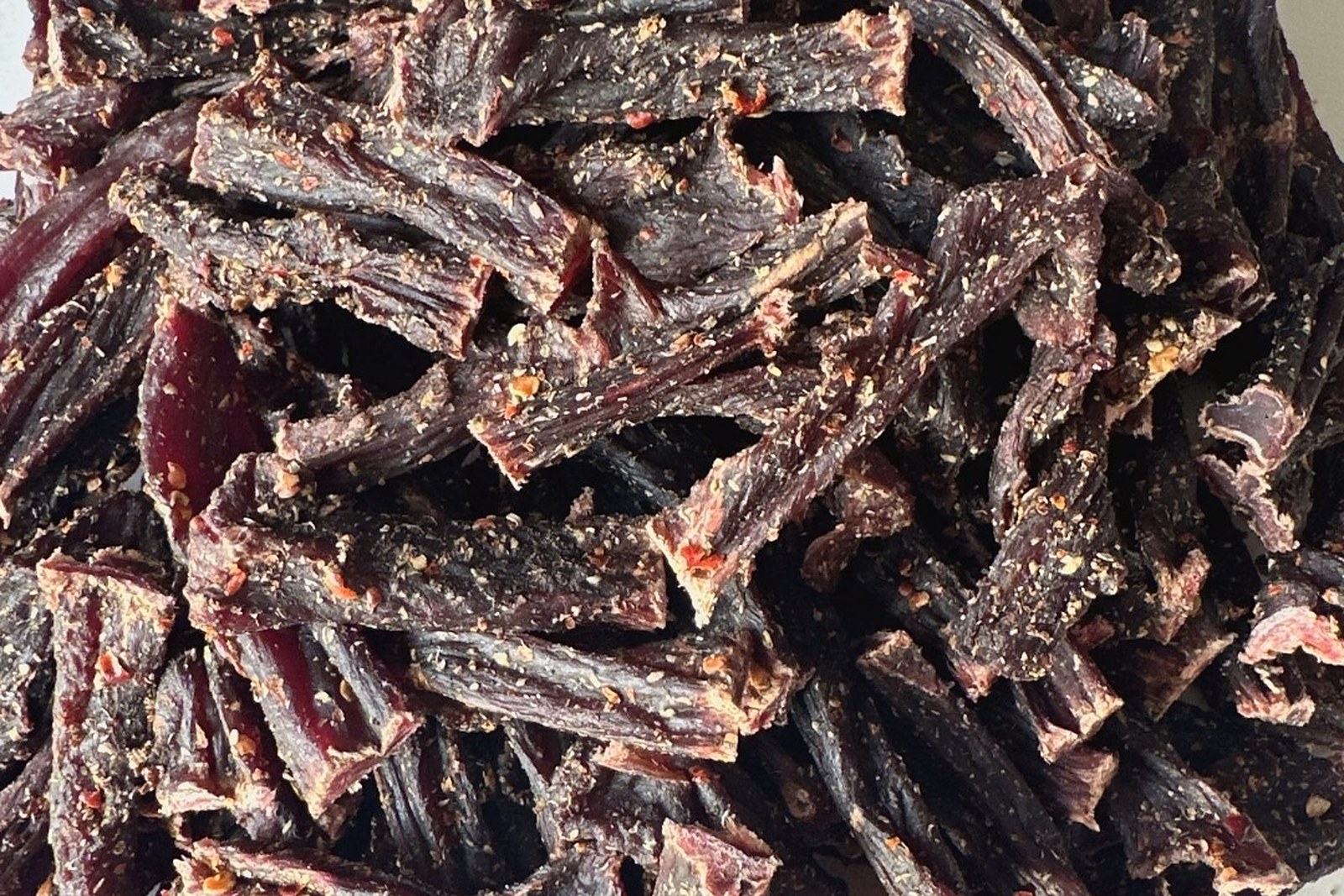
Season and storage complete the ritual. The hanging happens in the hardest cold weeks, when a night on the rack freezes the strips solid and the dry wind takes over; buyers store the slabs wrapped in paper in a cool room, never sealed in plastic, and shave as needed. Travelers buy the sliced version for the road and the slabs for the suitcase – both travel well in winter luggage, and the slab makes the better gift.
Beyond the dried slabs, the same 双河市 Shuānghé Shì Shuanghe City holds other flavors: 奶疙瘩 Nǎigēda borts for the sour gold of the steppe larder, 酥油茶 Sūyóuchá butter tea for the salted daily bowl, 拌面 Bànmiàn laghman for the working-lunch engine, and 清炖羊肉 Qīngdùn Yángròu boiled mutton for the clear-broth final exam – four more doors into the same 双河市 Shuānghé Shì Shuanghe City. With the larder settled, our Shuanghe travel map fills the day.
Practicalities first. Air-dried beef sells by weight, priced between ordinary jerky and the premium dried meats of the far north; buy slices to taste before committing to a slab, check the color – deep iron red, never grey – and store it cool and airy at home. The honest season is winter through early spring; summer stock exists but the winter drying is the real article.
Words and Names
What the Locals Know
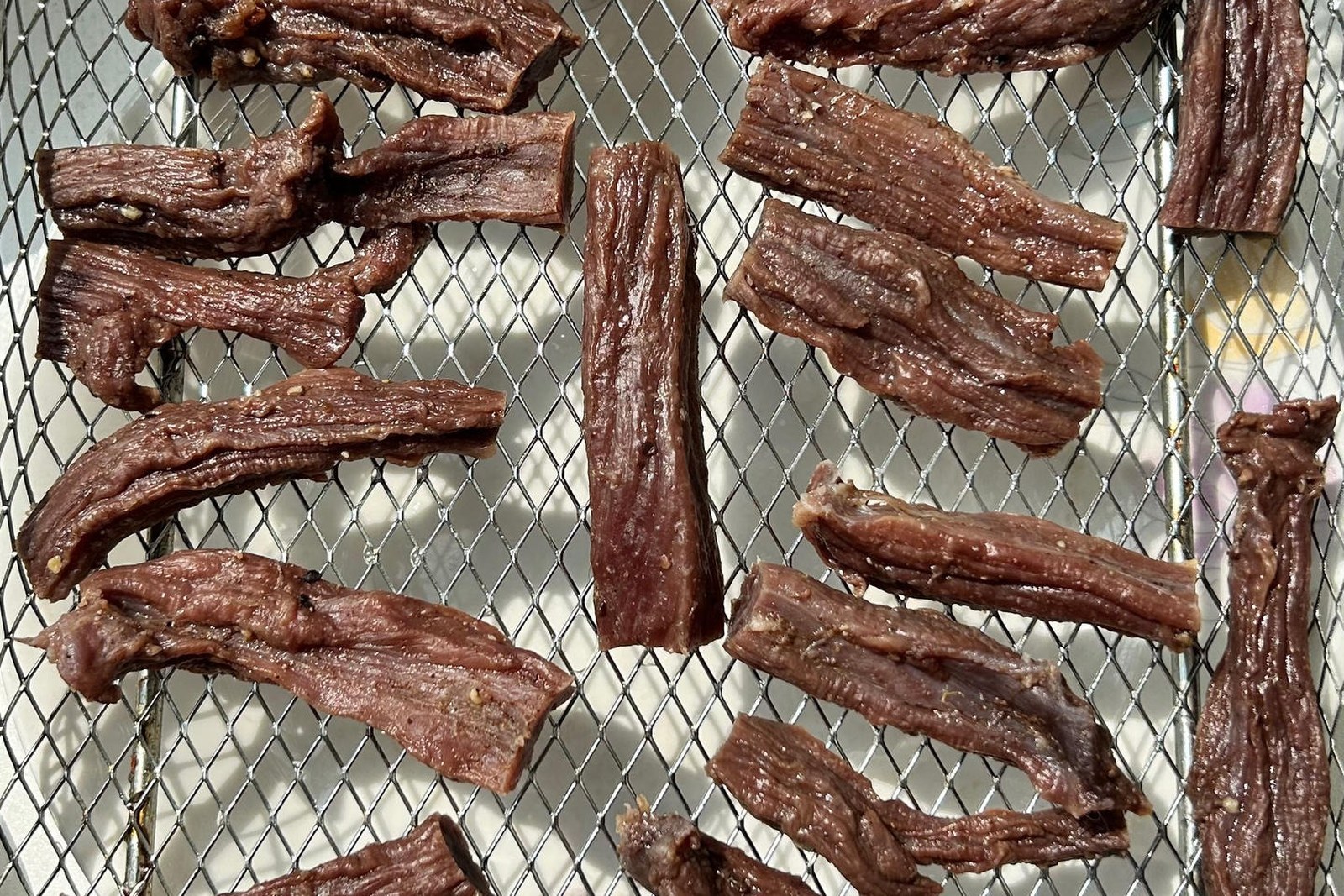
flowcloud would say air-dried beef is the cold wind’s own recipe: salt, patience, and a month of dry frost turning ordinary beef into iron-red slabs that taste of grass and weather – frontier pantry logic you can carry home in a paper bag. All checked November 2026.
Where to find it: Air-dried beef hangs in market stalls and herder-family shops around 双河市 Shuānghé Shì Shuanghe City in winter – taste the sliced version first, carry the slab home in paper, and shave it thin against the grain. All checked November 2026.