
The Sugar Bag of Xinjiang: Atush Figs So Ripe They Split Their Skins
树上糖包熟,一掰蜜蜜蜜 Shù shàng tángbāo shú, yī bāi mìliú – 糖包熟在枝头,一掰开蜜就流 Shù shàng tángbāo shú, yī bāi kāi mì jiù liú – The sugar bag ripens on the branch; break it open and the honey runs
The Atush fig Ātúshí Wúhuāguǒ is the sweetest thing 克孜勒苏柯尔克孜自治州 Kèzīlèsū Kē’ěrkèzī Zìzhìzhōu Kizilsu Kirghiz Autonomous Prefecture grows – a flat, squat fruit the locals call the 「sugar bag」 (糖包子) because the flesh inside is less like fruit than like spoonable honey with seeds. Atush has grown figs for well over a thousand years on the oasis’s warm northern edge, and the variety here – broad, ribbed, yellow-green when ripe – is different from the purple figs of the coast: heavier, denser, and sweet enough that locals warn newcomers against eating three in a row on an empty stomach.
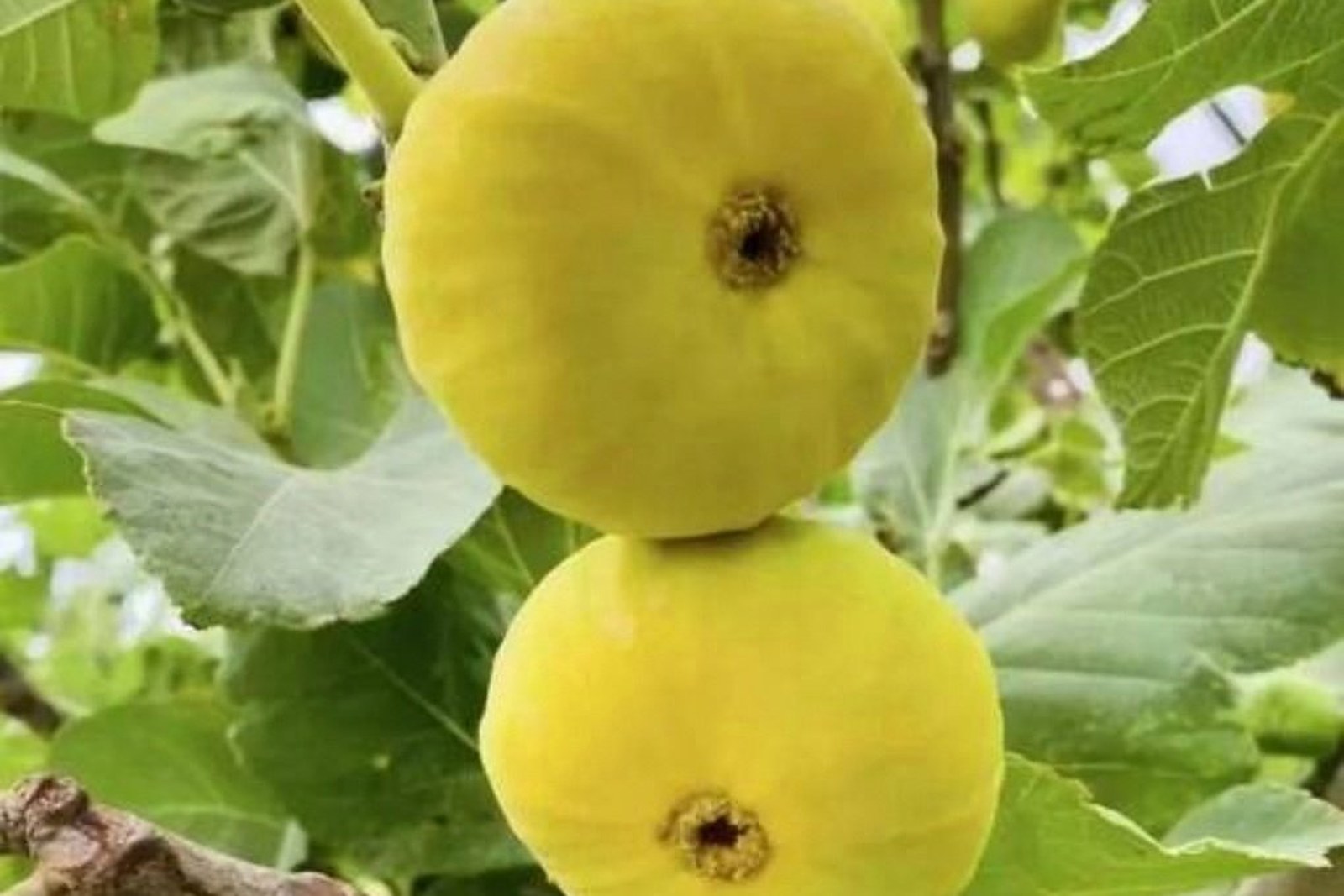
Fig season runs July through September, and it rewrites the city’s street life. Carts of figs appear at dawn on the bazaar’s edge, each fruit laid out flat rather than piled, because a ripe Atush fig bruise-becomes honey at the slightest pressure. Vendors sell by the basin, not the kilogram; buyers eat one on the spot as a test – the skin should give like your earlobe, and the amber inside should smell of caramel rather than grass. The orchards behind the city hold the old trees: thick, low, contorted veterans that still out-produce the young rows, their fruit sweeter for every decade of roots.
The eating culture around the fig is refreshingly unsophisticated. Nobody reduces it to jam or pastry filling here – the fruit is eaten raw, at room temperature, ideally within hours of picking, and the only accepted refinement is pairing it with a bowl of milk tea to cut the sweetness. Families buy them by the basin for evening tables; hosts press a second and third fig on guests with the seriousness of a ceremony. Dried figs exist in the bazaar, threaded on strings like amber beads, but everyone knows they are a compromise – the real thing does not survive travel.
Beyond the fresh fruit, the same 克孜勒苏柯尔克孜自治州 Kèzīlèsū Kē’ěrkèzī Zìzhìzhōu Kizilsu Kirghiz Autonomous Prefecture holds other flavors: 巴仁杏 Bārén Xìng Baren apricot, 柯尔克孜纳仁 Kē’ěrkèzī Nàrén Kyrgyz naren noodles, 马奶酒 Mǎnǎijiǔ kumis, and 乌恰牦牛 Wūqià Máoniú Wuqia yak – four more doors into the same 克孜勒苏柯尔克孜自治州 Kèzīlèsū Kē’ěrkèzī Zìzhìzhōu Kizilsu Kirghiz Autonomous Prefecture. With the fig settled, our Kizilsu travel map fills the day.
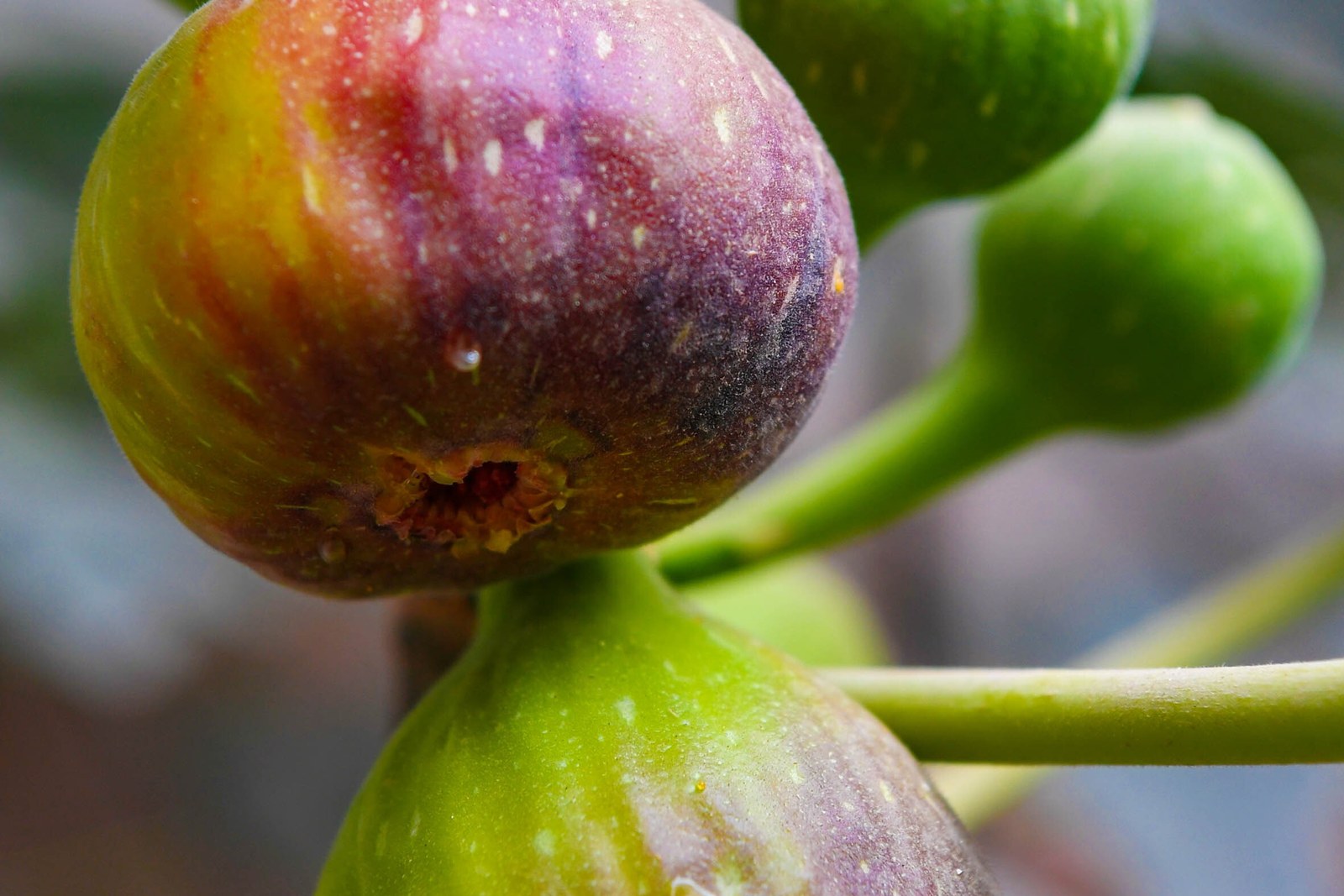
The fig’s place in Atush history runs deeper than dessert. Old-timers describe the fruit as the city’s ambassador – the gift carried to Kashgar and Urumqi households, the taste that expatriates from the prefecture ask about first on the phone home. Agronomists add harder reasons for its fame: the oasis’s long frost-free season, the mountain-shadowed nights that concentrate sugar, and irrigation from the Atush river’s snowmelt that keeps the trees never quite thirsty. Together they explain why the same species grown two valleys over tastes like a different fruit entirely.
Buying well takes one lesson. Reject figs with sour or fermented smells – overripe sugar bags ferment fast in summer heat. Prefer fruit with a droop and a slight give at the neck; hard figs will soften but never sweeten further off the tree. Morning market beats afternoon, because the day’s picking arrives before nine. And do the honest thing every local does: eat the vendor’s test fig slowly enough to actually taste it – the difference between an average fig and a great one is the entire point of the fruit.
A final measure of the fig’s local weight: Atush children grow up with fig trees in every courtyard, and the sweetest branch in each garden is staked out by family politics generations deep. Visitors cannot join that inheritance, but the market version costs almost nothing, and eaten warm from the sun on a bazaar bench it delivers what the whole region promises – sweetness with geography behind it.
Words and Names
What the Locals Know
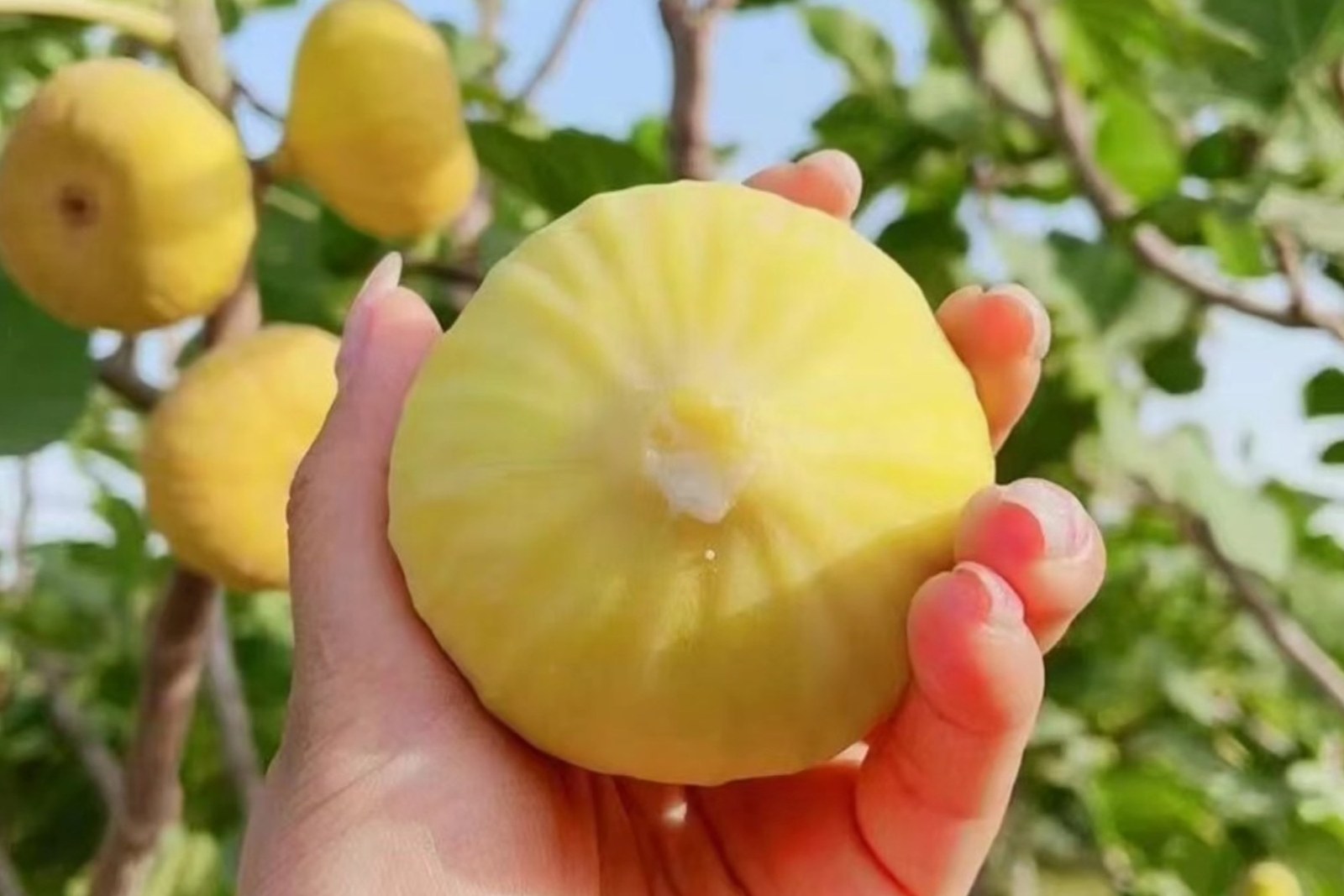
flowcloud would say the Atush fig is the oasis’s softest argument: a sugar bag that refuses to travel, eaten within sight of the tree it ripened on, sweeter than any souvenir the region ships out. All checked November 2026.
Where to find it: The fig rows of the Atush bazaar and the orchard gates on the city’s western edge are the direct sources; buy flat-stacked basins, test one on the spot, and carry them stem-up in a single layer – they will not survive piling. All checked November 2026.