
The Red Willow’s Gift: Bachu Mushroom, the Desert Fringe’s Rare Course
红柳根下宝,一盏煲中鲜 Hóngliǔ gēn xià bǎo, yī zhǎn bāo zhōng xiān – Treasure under the red willow’s root; one pot holds the freshness
正文:巴楚蘑菇 Bāchǔ mógu the Bachu mushroom is the quiet luxury of 图木舒克市 Túmùshūkè Shì Tumushuke City’s tables – a rare fungus fruiting from the root systems of red willow scrub on the desert fringe, foraged each spring by villagers who know the groves, then dried into aromatic nuggets that carry the desert’s perfume all year. This is not a cultivated mushroom; every bag in the market is wild, every kilo is walked for, and the price reflects both the walk and the shrinking groves. Local kitchens treat it accordingly: simmered with lamb or chicken, steamed over the pilaf pot, or folded into the dumpling fills of festival weeks – roles where a small handful flavors the whole pot.
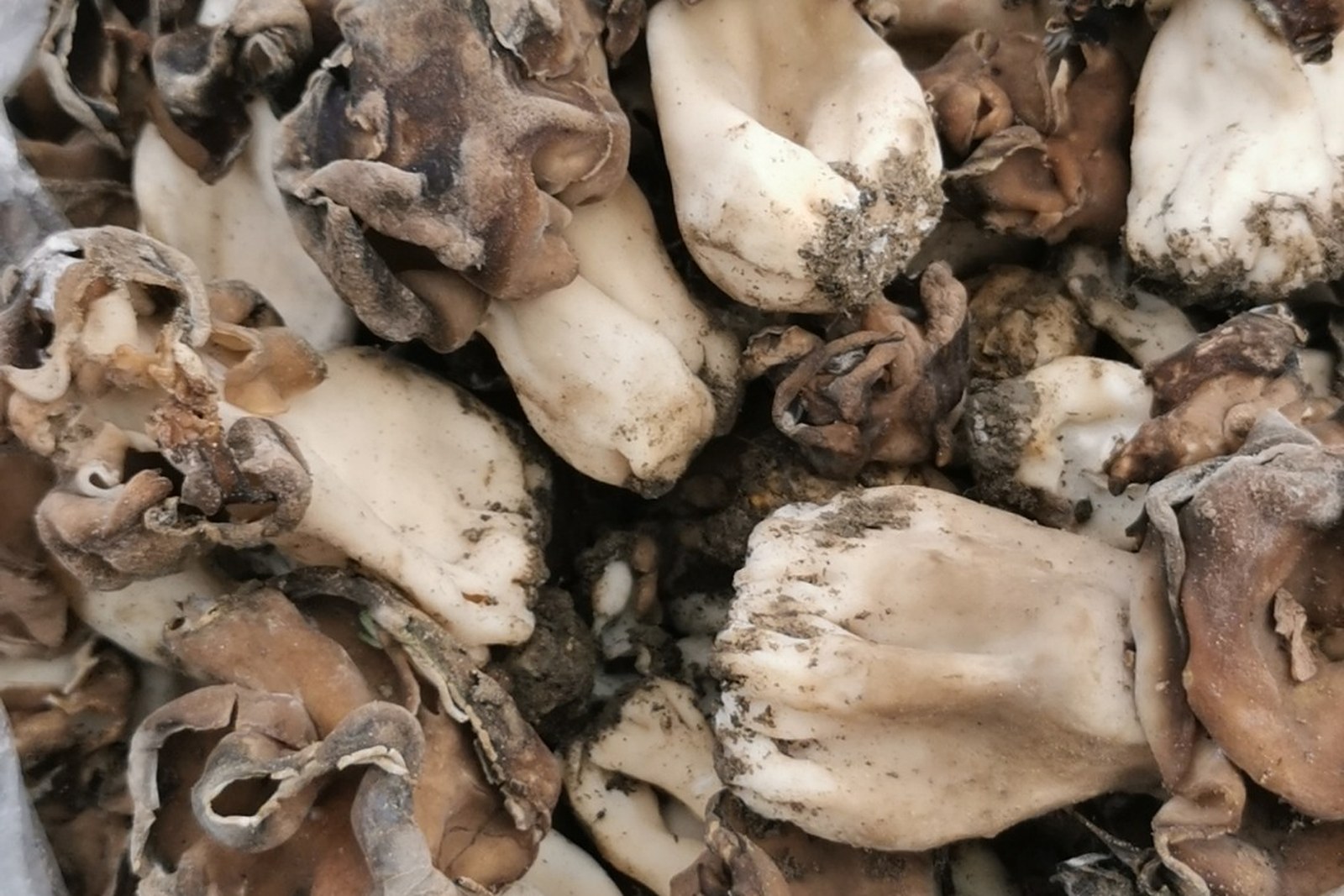
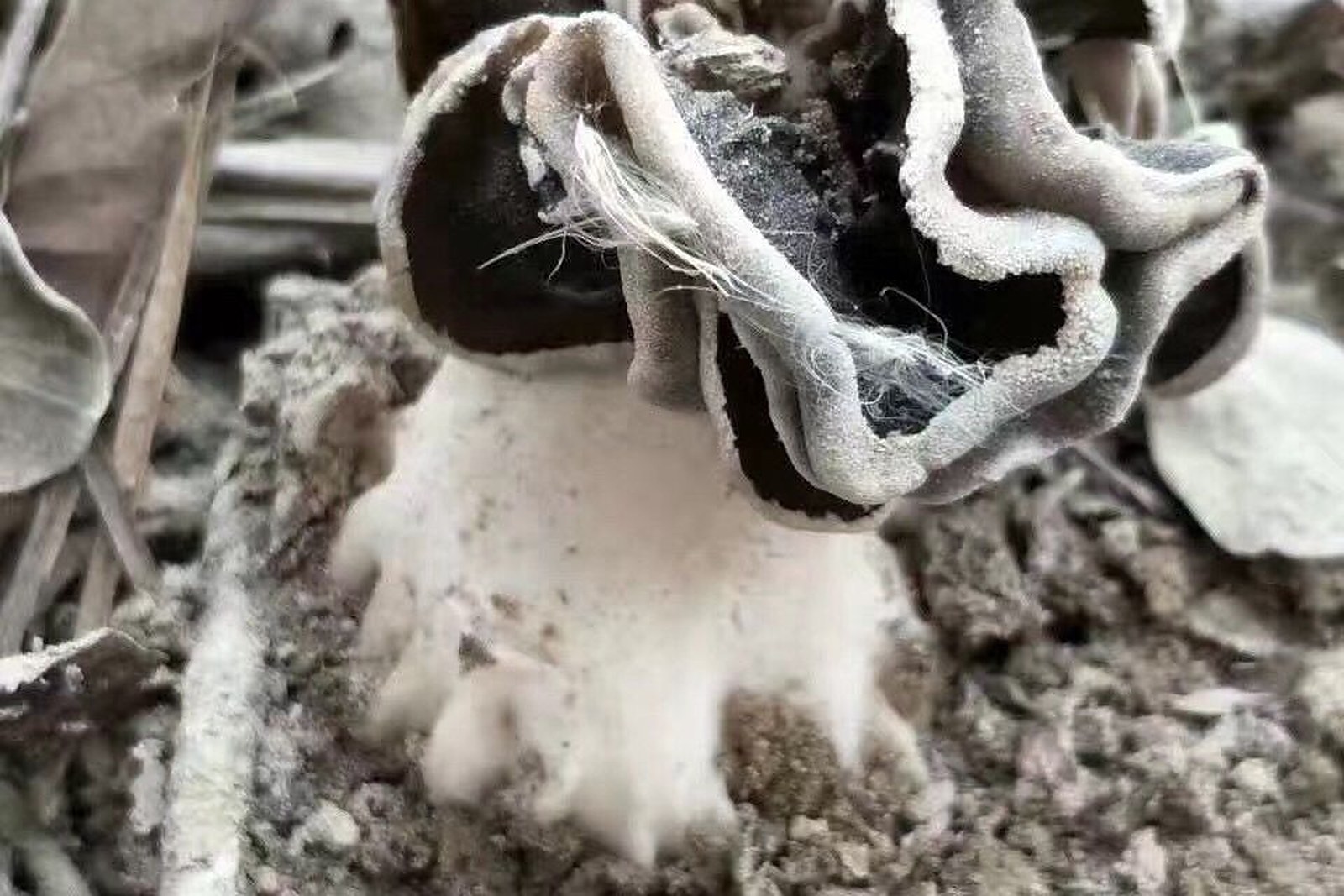
The foraging story is the mushroom’s provenance. It appears after the spring rains in the scrub belt along the old river channels, half-buried in the sand, marked by nothing but cracked soil and the forager’s eye. The pickers – often whole families during the short season – lift each cap with a knife rather than a pull, leave the root-run intact, and carry the day’s harvest home in baskets to string and sun-dry on the flat rooftops. The dried product concentrates what the fresh fungus only hints at: a deep, smoky, almost meaty perfume that survives a year of storage and improves a broth on sight.
In the kitchen the mushroom plays accompaniment, not soloist. The classic treatments are soups – chicken and Bachu mushroom in a clay pot, lamb rib soup with a fistful of the dried caps – and the braise, where the fungus simmers under lamb until the juices exchange passports. The flavor sits between mushroom and smoked tea: earthy, resinous, faintly of the red willow itself. Restaurants in town list it in season and by availability; homes hoard their spring bags the way other regions hoard preserves, bringing them out for honored guests.
Beyond the mushroom pots, the same 图木舒克市 Túmùshūkè Shì Tumushuke City holds other flavors: 烤包子 kǎo bāozi samsa, 拉条子 lātiáozi laghman noodles, 巴楚留香瓜 Bāchǔ liúxiāng guā the Bachu melon, and 缸子肉 gāngzi ròu gangzi rou – four more doors into the same 图木舒克市 Túmùshūkè Shì Tumushuke City. With the mushroom settled, our Tumushuke travel map fills the day.
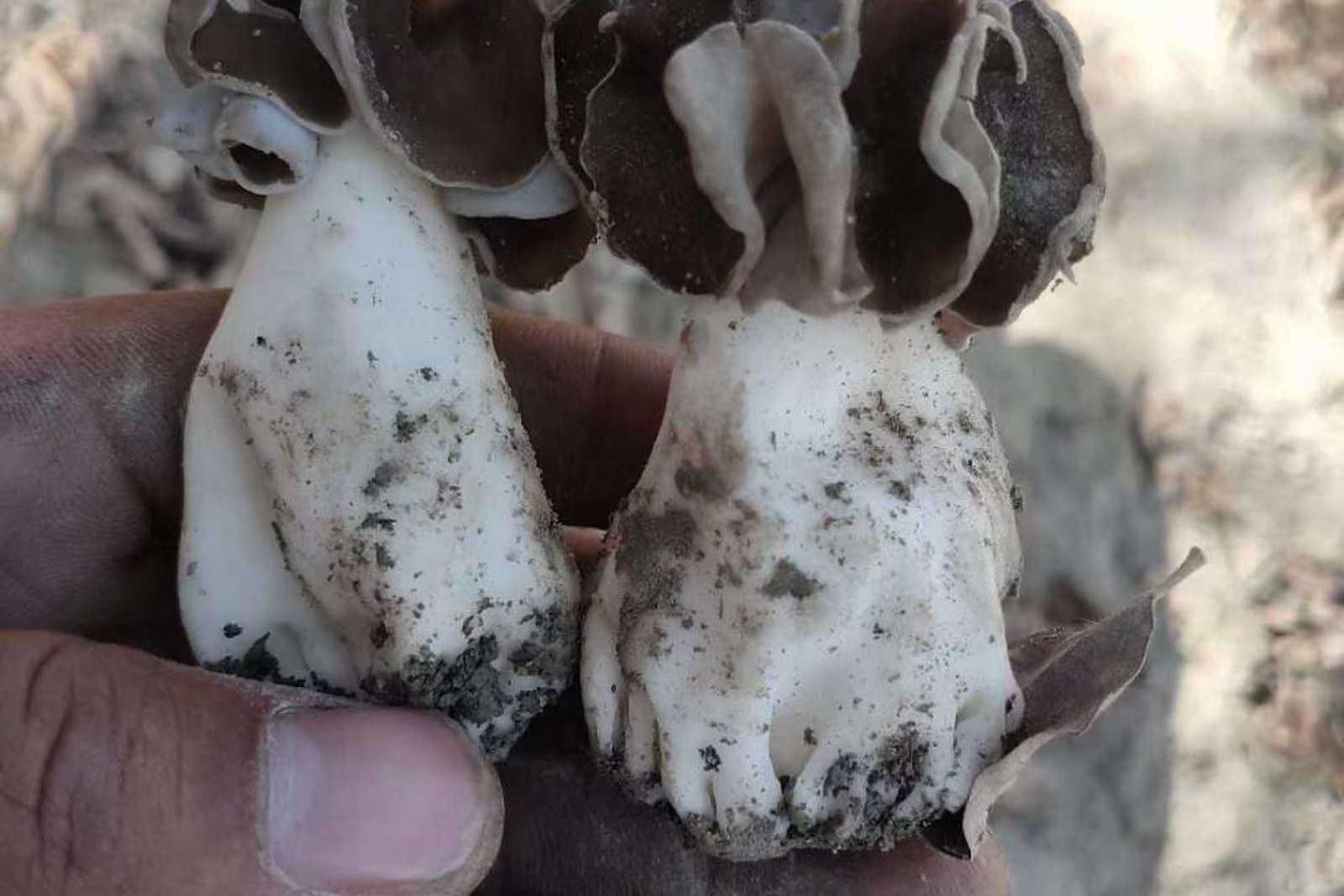
Buying it well takes local judgement. Market sacks mix grades – whole caps against broken, young against open – and the fragrance test beats the label: a good bag smells of the scrub belt on a warm morning, musty and resinous at once. Vacuum-packed gift boxes travel best; loose dried caps keep a year in glass away from light. Prices climb in festival weeks, and the honest sellers will tell you which spring’s harvest is in the bag – the mushroom, like wine, has its vintage talk.
Practicalities first. The mushroom appears in town markets and the specialty shops around the bazaar, cheapest direct from foraging families in spring and dearest in the packaged gift trade. Cook it at home or order the soup in the better local kitchens; either way, use little – a fistful flavors a family pot – and soak the dried caps in warm water for twenty minutes, reserving the liquor for the broth, because the liquor is the point.
The lasting impression is scarcity made delicious. A mushroom that grows only under one shrub, only after one season’s rain, picked by hand and dried on rooftops – the desert fringe’s whole tight economy in a single bag – and the tables of 图木舒克市 Túmùshūkè Shì Tumushuke City are among the few places on earth where you taste it as the locals do, in a clay pot with lamb, on an ordinary weekday.
Words and Names
What the Locals Know
flowcloud would say the Bachu mushroom is the desert’s rarest habit made edible: one shrub, one season, one bag a family, and a perfume that turns plain broth into an event – the fringe country’s gold standard, sold by the fistful and remembered by the pot. All checked November 2026.
Where to find it: The specialty shops around the bazaar and the spring stalls of foraging families carry the dried caps; buy by fragrance not label, soak twenty minutes and use the liquor, and order the lamb-or-chicken clay pot in the local kitchens that list it. All checked November 2026.