
Baisha Fish Tea, the County’s Own Sour-Fish Craft
鱼茶 yú chá, fish tea, has no tea in it: cooked rice cooled, freshwater fish, salt, and a sealed jar – the ferment the Li people of Hainan carry to every festival table. In 白沙黎族自治县 Baisha Li Autonomous County it heads a family: the same jars hold 肉茶 ròu chá, meat tea of pork belly, and 牛皮茶 niúpí chá, tea of yellow-cattle hide, and the lot travels under one listed name, sour fish and sour pork. The county seat 牙叉镇 Yáchā zhèn Yacha Town sets the scene, and the hospitality rule the provincial wire printed in 2016 still runs: served a dish of fish tea in a Baisha Li village, you are being treated as the honoured guest. This site already keeps a general page for Li fish tea and its fermentation; this article is the county’s own paperwork – the 2016 heritage listing, the bearer who holds the craft, and the market that sells it.
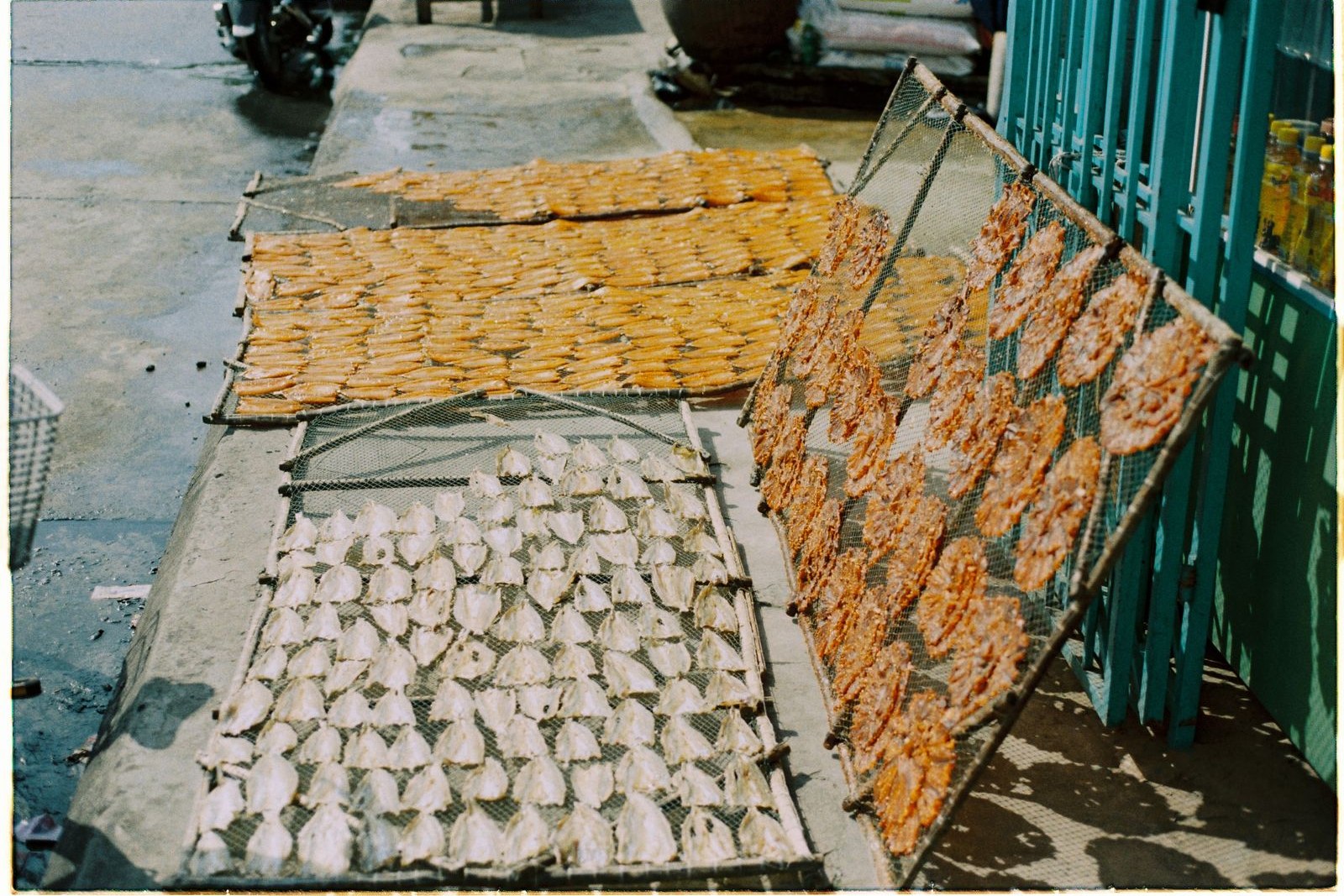
The listing is county and only county, and the text claims nothing above it: in 2016 the sour-fish-sour-pork making technique – fish tea and meat tea together – entered Baisha’s county intangible-heritage list. No provincial rank follows, no national one, no geographical indication; the record refuses, and so does this text. The register’s named hands belong to 符爱琼 Fu Aiqiong, sixty years old in 2021, who learned from her father 符亚民 Fu Yamin as a child and counts close to fifty years at the jars. The origin the culture bureau tells is legend and stays legend: after a harvest feast, the story goes, the leftovers – rice and raw fish – were sealed in a jar rather than wasted, and opened days later sour, fragrant and better than expected; the technique, the bureau’s head 符少玲 Fu Shaoling told the provincial daily, was born of not throwing good food away.
The bearer’s method, as the provincial culture and tourism office printed it: freshwater fish – bighead, belly cuts, small fish left whole – or pork, beef or yellow-cattle hide, washed and cut; salted for hours until the water comes out; squeezed dry; folded through cooled cooked rice with ginger, garlic, chilli, corn flour, peanut flour and millet flour; packed into the jar hard, no gaps left; sealed and set in a cool dry place. The ferment runs fifteen to twenty days by the bearer’s own count – other accounts say ten to fifteen, and the text carries both with the difference named rather than smoothed. The vessels moved with the decades: clay pots then, glass jars now, so the ferment can be watched through the glass. Dry rice in the mix makes the dry fish tea; congee makes the wet kind.
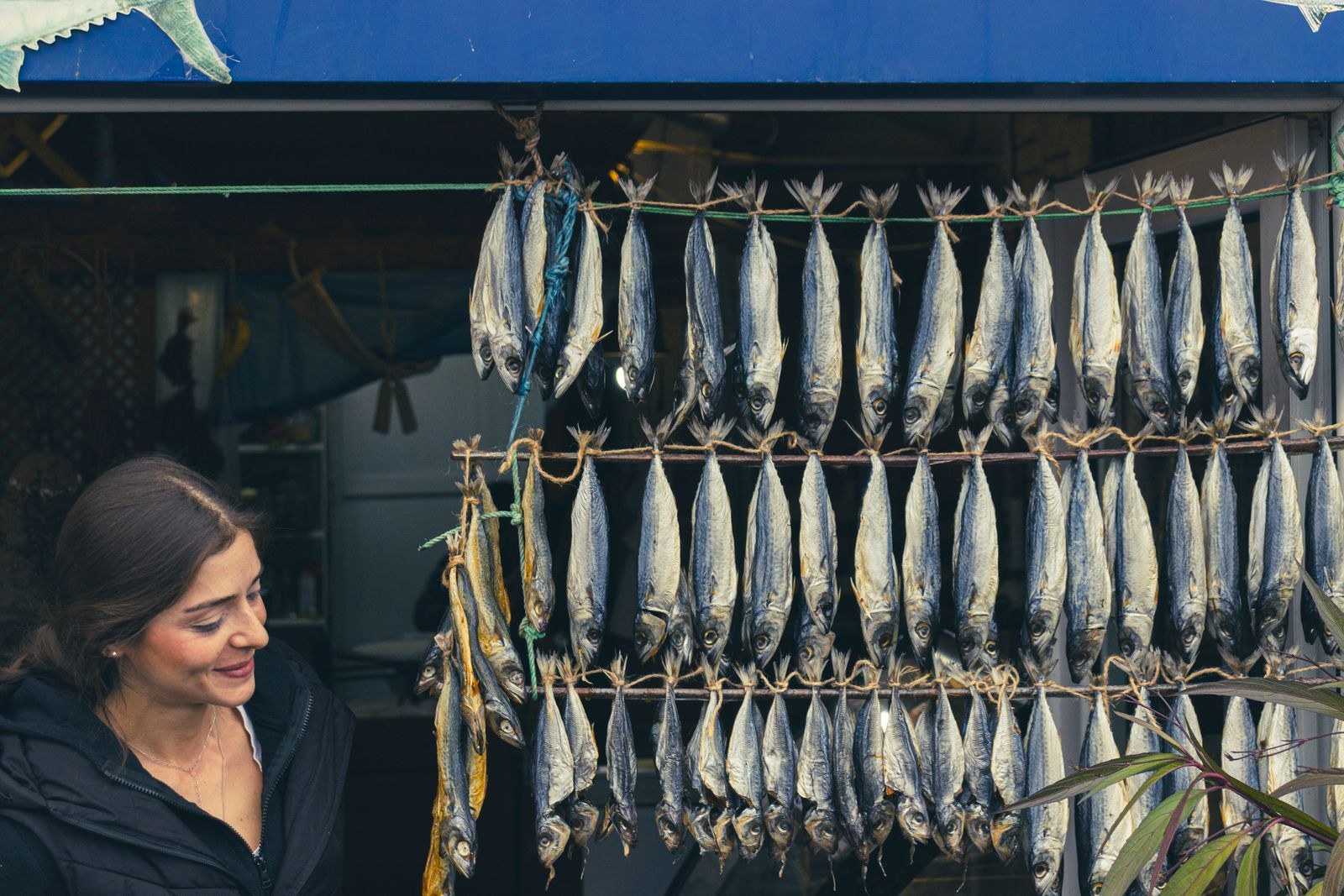
Out of the jar, the family splits by kind. Meat tea is rarely eaten straight: ten to fifteen minutes steamed with egg and ginger first, then served. The cattle-hide version is the connoisseur’s chew, known to few, the office’s own note. The lineage gets one line because it needs only one: salting and fermenting is China’s oldest food technology – the Zhou ritual texts already keep a pickle office – and the Li jars are that tradition’s mountain branch. The verdict printed across the official food guides runs: the first taste makes you wary, the second settles you, the third hooks you. At Spring Festival the trio the culture bureau names for the county is rice wine, three-colour rice and fish tea – the wine and the sanse rice each have a page of their own on this site – and the jar goes round with a cup of shanlan rice wine poured beside it.
The trade’s face in town belongs to 符美金 Fu Meijin, who has made and sold fish tea and meat tea at the 雅钗 Yǎchāi market in Yacha for more than twenty years; the weeks before Spring Festival outsell the rest of the year, she told the provincial daily – her daughter likes the fish kind, her son the meat kind. Out toward Bangxi town, the villagers of 南牙村 Nányá cūn Nanya village make fish tea the way the photo reports show it, and visits run by arrangement with the village cooperatives rather than any ticketed door. The craft is fragile and the file says so: taught mouth to mouth inside families, the young less willing to learn, the county screening new inheritors and planning training. What the jar holds, the office’s copy describes as amino acids and vitamins the body needs – the bearer’s and the office’s description, carried as theirs and not as an independent lab result. No prices are printed anywhere reliable; the stalls sell by the jar and publish no rates.
Words and Names
鱼茶 yú chá is fish tea, tea in name only; 鱼酸 yú suān is its other name, fish-sour. 肉茶 ròu chá is the pork-belly tea, 牛皮茶 niúpí chá the cattle-hide one, and 酸鱼酸肉 suān yú suān ròu, sour fish and sour pork, is the name the 2016 listing carries. 符爱琼 Fú Àiqióng is the representative bearer. 雅钗市场 Yǎchāi shìchǎng is the Yacha market. 干鱼茶 and 湿鱼茶 are the dry and wet kinds, rice versus congee. And the site’s other fish-tea page keeps the general Li fermentation science; this page keeps Baisha’s list, bearer and market – two doors into one jar.
What the Locals Know
The Yacha market stalls sell the jars year-round and the trade peaks in the weeks before Spring Festival; the 2026 March 3rd fair on the Nancha riverbank put fish tea on the must-taste list among sixty-three food stalls, which makes the fair window the easiest tasting there is. In the villages the rule from the opening holds: a dish of fish tea set before you is the honoured-guest treatment, and the local pairing is a cup of shanlan rice wine at the same table. Jars travel – keep them cool, eat soon after opening, and let the stall pack the lid.
What the record refuses: any provincial or national heritage rank or geographical indication – the listing is county-level, 2016, and nothing above it exists; any founding date beyond the legend, which is all the sources carry; current retail prices, which no source publishes; and any output or sales figure for the trade, which likewise does not exist in print.
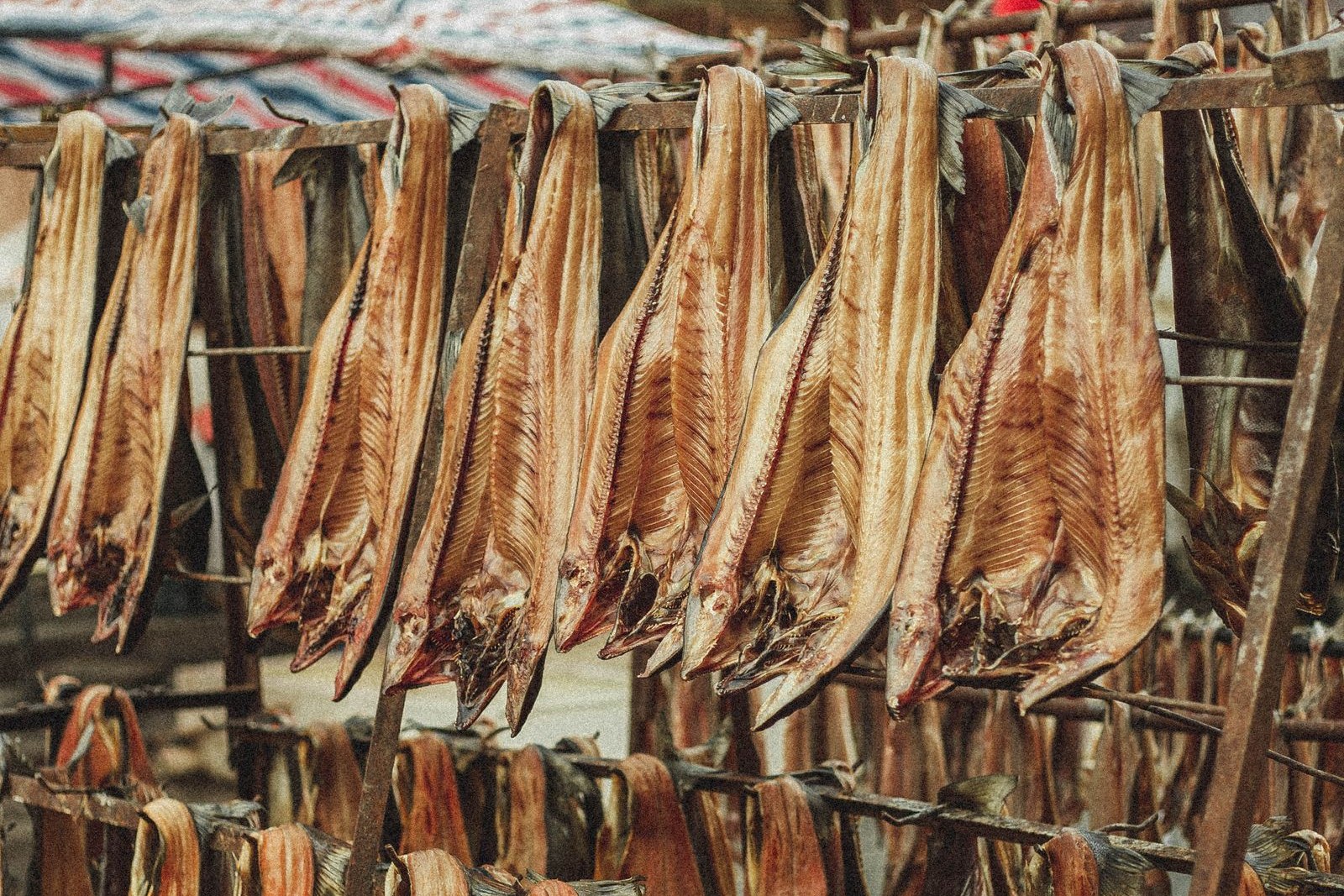
flowcloud would say that Baisha fish tea is patience used as a seasoning – river fish and cooled rice sealed away from the air for weeks, a craft the county listed in 2016 and its bearer keeps at fifty years’ depth, first taste wary, third taste hooked.
Where to find it: the 雅钗 Yǎchāi market in 牙叉镇 Yáchā zhèn Yacha Town, 白沙黎族自治县 Baisha Li Autonomous County, Hainan – jar stalls year-round, busiest before Spring Festival; the March 3rd fair on the Nancha riverbank for the festival window; 南牙村 Nányá cūn Nanya village in Bangxi town by arrangement with the village cooperative. No printed prices anywhere – ask at the jar, taste before you buy, and let the third taste decide the second jar.