
Meteorite Coffee, Baisha’s New Estate Line
白沙咖啡 Báishā kāfēi, Baisha coffee, is Hainan’s newest named coffee line: robusta grown in and around the meteorite crater southeast of 牙叉镇 Yáchā zhèn Yacha Town in 白沙黎族自治县 Baisha Li Autonomous County, one of the county’s six thousand-mu special industries and one of the island’s core robusta areas on the trade press’ account. The island context sets the contrast the whole article runs on: Xinglong, over on the east coast, is the heritage name of Hainan coffee – the overseas-Chinese estate line since 1952, its own page on this site; Baisha is the meteorite-crater newcomer, coffee planted since the early 1980s by local accounts and industrialised only in the last decade, and the two are separated by a timeline and a terroir, not ranked.
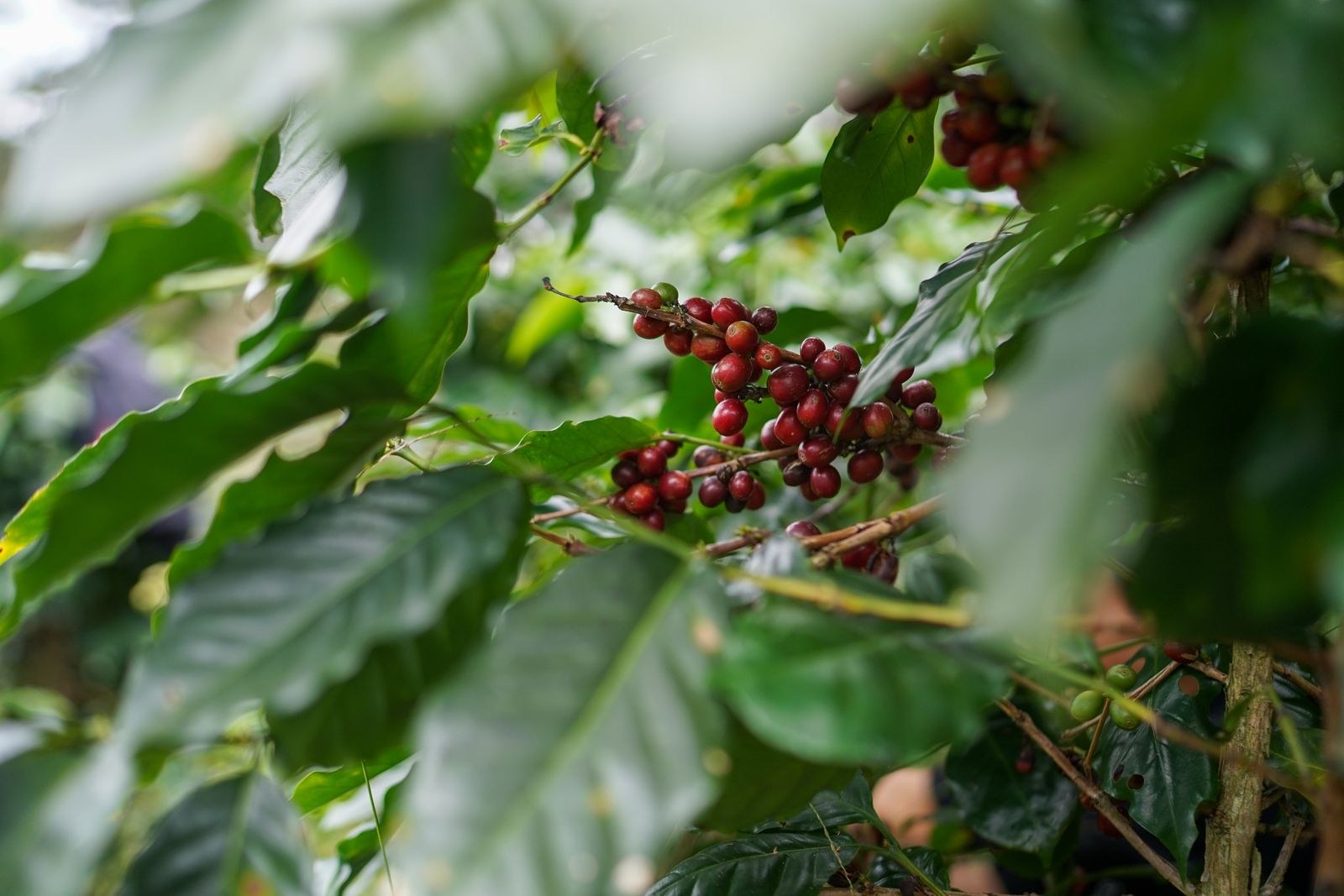
The line’s engine is the 白沙陨石岭实业有限公司 Baisha Yishiling company under 成宗培 Cheng Zongpei, and its dates stack like stairs: a growers’ cooperative in 2014, a company in 2016, a processing plant in 2020, a standardized planting base in 2022; green-bean awards in Hainan’s competitions in 2024 and again in 2025; and in 2025 a place in the first batch of Hainan boutique coffee estates, plated by the provincial agriculture department at that year’s Hainan coffee-consumption month. The scale, on the Consumption Daily’s figures: more than 700 households growing with the company across some 4,500 mu, about 8,500 seasonal picking jobs a year, twenty-eight staff – and a processing chain that buys over 900 tonnes of fresh cherry annually, out at 250 tonnes of green bean, a hundred-plus tonnes of roasted and ground coffee, and more than a hundred thousand drip-bag boxes. Other county-media accounts print the purchases above a thousand tonnes; the text takes the daily’s figure and names the difference rather than picking a winner.
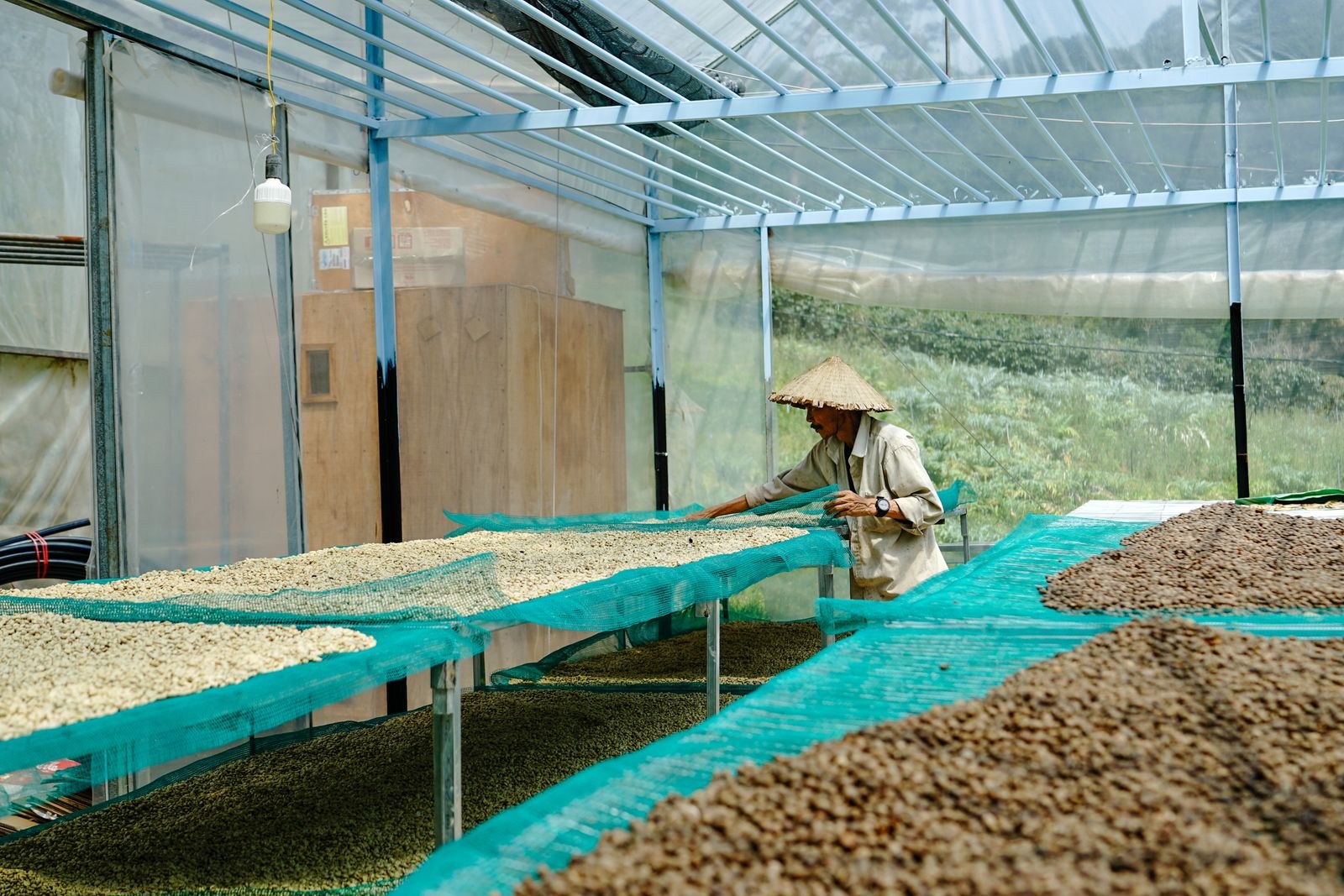
The craft lines are the company’s account and stay there: washed and natural processes beside modern equipment, precision-curve roasting, and four product shelves – whole bean, Li-pattern drip bags, instant, flavoured drinks – with freeze-dried, coconut and cocoa-tea coffees among the experiments. The field numbers are likewise quoted, not adopted: roughly 1,200 jin of cherry to the mu, seven rounds of hand sorting so only fully red cherry enters the hopper, rows widened to interplant shanlan rice and sweet potato – which the company credits with a forty per cent rise in land-use efficiency and three thousand yuan more income per mu, figures printed as the company prints them. The flavour wording is the trade press’: milk and chocolate notes – a media description, not a cupping table. And the terroir story is the tea article’s, retold: crater soil tested at forty-eight minerals, deep humus, cloud forest, a wide day-night swing – carried as the growers’ account, with no proven causal chain from crater to cup.
The price story got its snapshot at the 2026 China International Coffee Exhibition, where the estate’s products ran from twenty-five yuan to six hundred – lot prices from drip-bag boxes up to the small competition lots, an as-of figure like every other number here. The island backdrop prices the ambition: Hainan’s micro-lot auctions have set records – the January 2026 top lot made 666 yuan per hundred grams, Wanning beans, not Baisha’s – which is the market the county’s lots are entering, not a figure to borrow. Policy pushes the same way: the province’s 2026-2028 coffee-industry plan puts standardized cherry-processing centres in four counties, Baisha among them. The brands are two: Yishiling-Baisha coffee, and 陨山咖啡 Yǔnshān kāfēi Yushan coffee from the Hainan Natural Tea company – a provincial leading firm whose 1,960 mu of tea-and-coffee interplanted organic ground supplies the county’s best picture, one row tea, one row coffee; the tea rows are this batch’s first article.
Visiting runs on appointments and fairs. The estate and plant sit on the Baisha Farm side of the crater, southeast of Yacha; picking, roasting and study sessions are run for booked groups, and no walk-in counter is officially documented – by appointment is the honest form. The surest public pour is the fair circuit: the March 3rd fair’s Baisha Liangshi tasting stands in town, the winter trade fair’s county hall, the coffee-exhibition booth in season. Online, the drip bags travel under the county’s Baisha Liangshi umbrella brand – the brand itself is a firm county fact even where the sales figures attached to it are company talk.
Words and Names
罗布斯塔 luóbùsītǎ is robusta, the mid-bean species the crater grows. 陨石岭 Yǔnshí lǐng is the Yishiling, the meteorite-ridge company line; 成宗培 Chéng Zōngpéi its head. 陨山咖啡 Yǔnshān kāfēi is Yushan coffee, the tea-company sister brand. 精品咖啡庄园 jīngpǐn kāfēi zhuāngyuán is the boutique-coffee-estate title, first batch, 2025. 白沙良食 Báishā Liángshí, Baisha Good Food, is the county umbrella brand the products travel under. And the site’s other Hainan coffee page keeps its own coast: Xinglong is the 1952 overseas-Chinese estate line; Baisha is the crater newcomer – heritage name and newcomer, a generation apart.
What the Locals Know
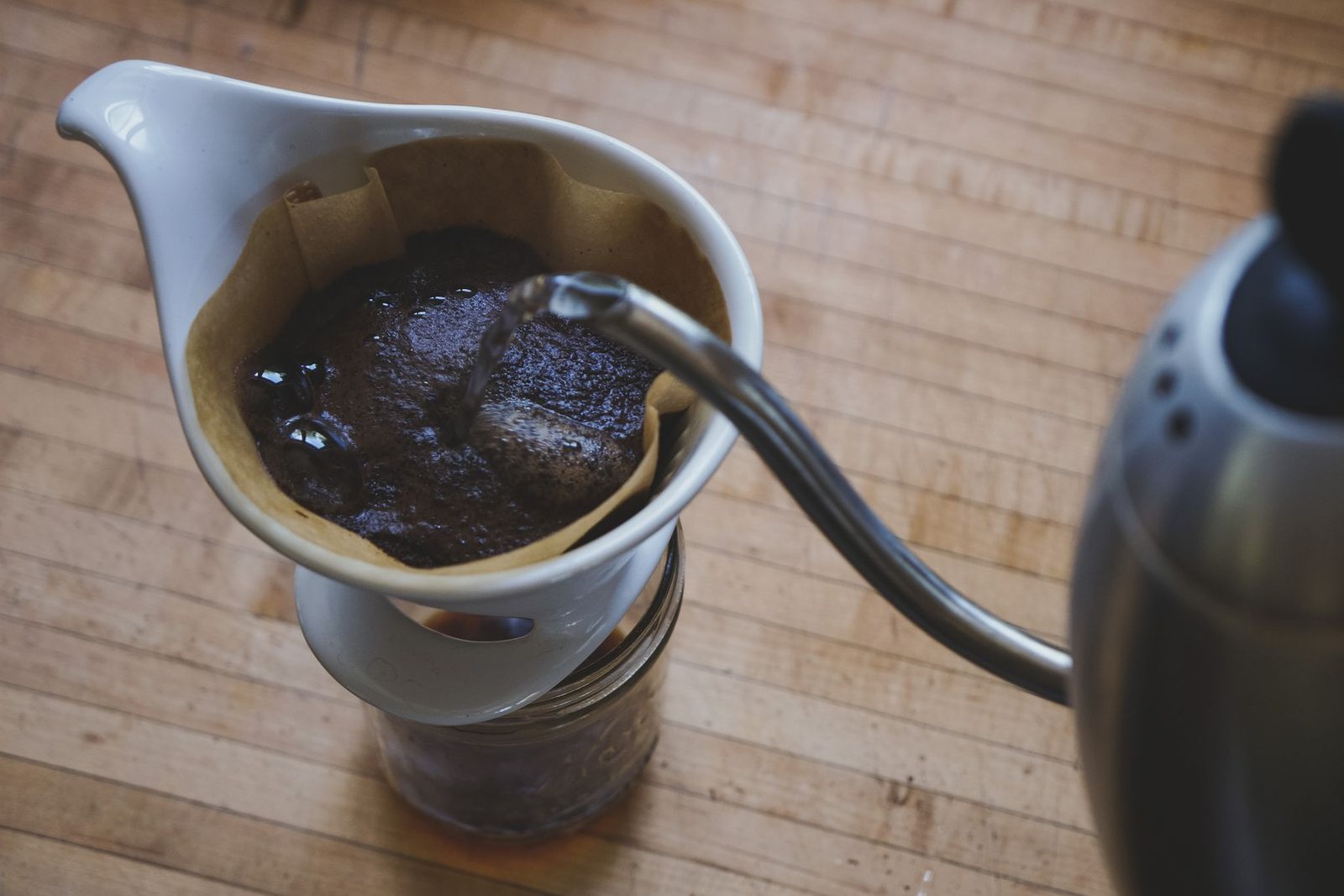
Book the estate visit ahead – picking season runs the winter months, and the roasting sessions are group bookings, not counter service. For a same-day cup, the fairs are the route: the March 3rd stands in town pour the county’s brands, and the shops on the coffee-exhibition floor sell the twenty-five-to-six-hundred-yuan spread while stock lasts. The drip bags are the travel form; the whole-bean lots are the ones the competitions judged.
What the record refuses: any geographical indication for Baisha coffee – none exists and none is under application by any source printed here; a brand-valuation figure, likewise absent; any health or efficacy claim, which the county’s copy does not make and this text will not; the thousand-tonne purchase line as the single truth, where the daily’s nine hundred and the county media’s thousand-plus are both company-side counts; and the per-mu yield and income figures as independent facts rather than the company’s own arithmetic.
flowcloud would say that Baisha’s coffee is a crater’s second crop – the tea got there first, the coffee followed in the 1980s and only found its company in 2014 – a newcomer line that reached first-batch estate status inside a decade and prices its lots from a drip bag to six hundred yuan.
Where to find it: the Yishiling estate and plant on the Baisha Farm side of the crater, southeast of 牙叉镇 Yáchā zhèn Yacha Town, 白沙黎族自治县 Baisha Li Autonomous County, Hainan – visits by appointment; the March 3rd fair’s Baisha Liangshi stands in town and the winter trade-fair county hall for retail; lot prices from about 25 to 600 yuan as of the 2026 exhibition snapshots. Book ahead for picking season, and taste the drip bag before you carry the bean.