
白沙醉鹅 Báishā zuì é, the Baisha drunken goose – served white-cut, 白切南叉鹅, the white-cut Nancha goose – is the goose dish the county seat eats: a river goose from the 牙叉 Yáchā country, steeped an hour in the house’s herb water, steamed, cooled, chopped and dressed. It holds no geographical indication, no heritage listing, no famous-dish registry – the record carries no paperwork at all for it, and this text prints it as what it is: a county celebrity by appetite, the bird 牙叉镇 Yáchā zhèn Yacha Town in 白沙黎族自治县 Baisha Li Autonomous County is known for. The site’s white-cut family elsewhere keeps its own houses – Qionghai’s hot-spring goose in its spring-water soup, Dongguan’s roast goose over lychee wood – and Baisha’s branch of the family is the herb-water steam.
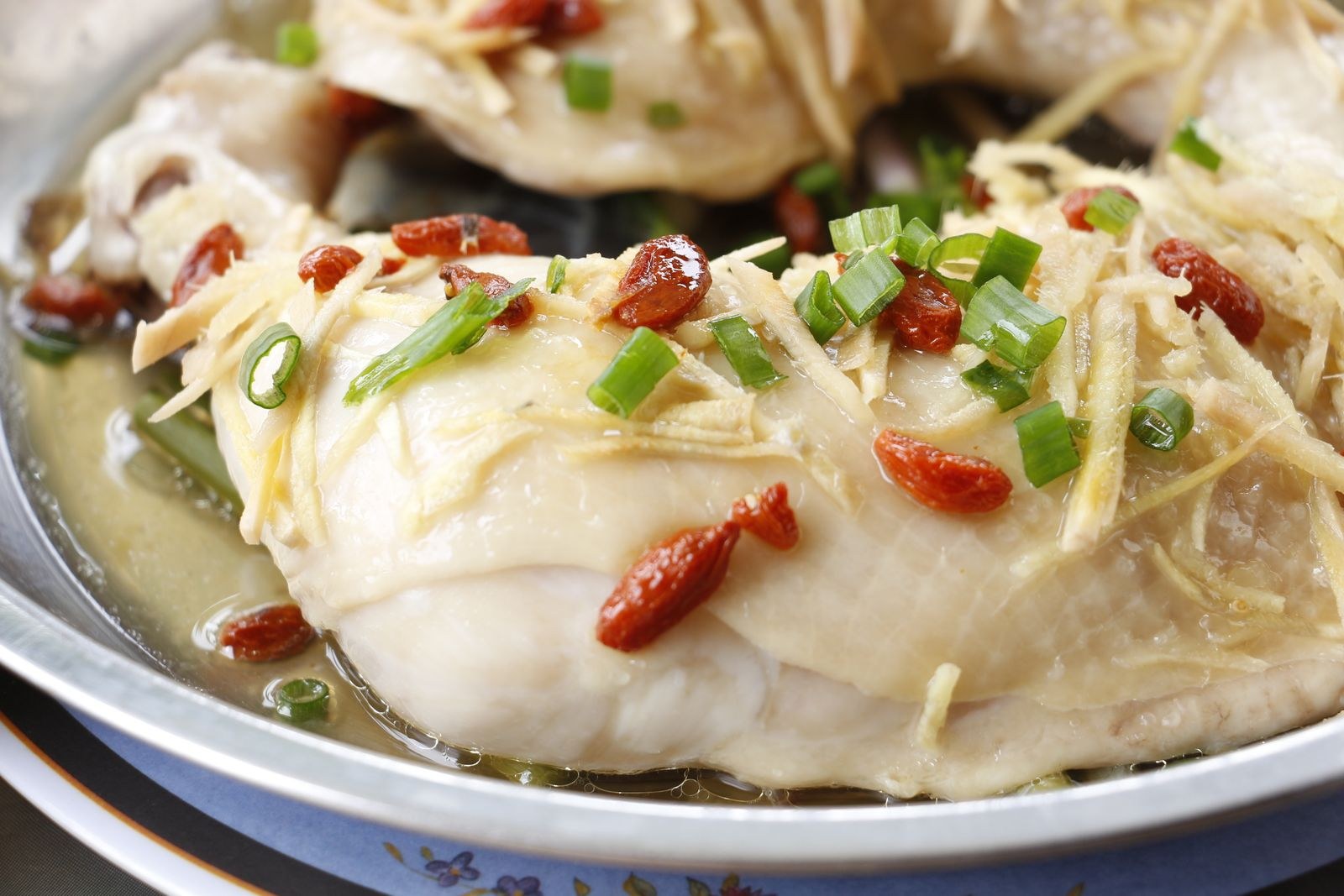
The method the county’s own food feature printed in 2016 runs four moves. The bird is rinsed and drained, then bathed for a full hour in the house’s steeped Chinese-medicinal water – the recipes are the restaurants’ secrets, and the text invents no herb list for them. Then into the steamer over boiling water until done; out to cool naturally, never shocked; chopped and plated with the dressing poured over and coriander on top. The promise the feature makes for the result: tender and loose, smooth on the tongue, fragrant, not greasy. A second and louder dish shares the name across Hainan – the goose braised in a pot with sauce and rice wine, flame licking up between lid and pot, the flambé drunken goose of the island’s east. In Baisha the white-cut steam is the house style, and the two are different dishes wearing one name, not one recipe with two spellings.
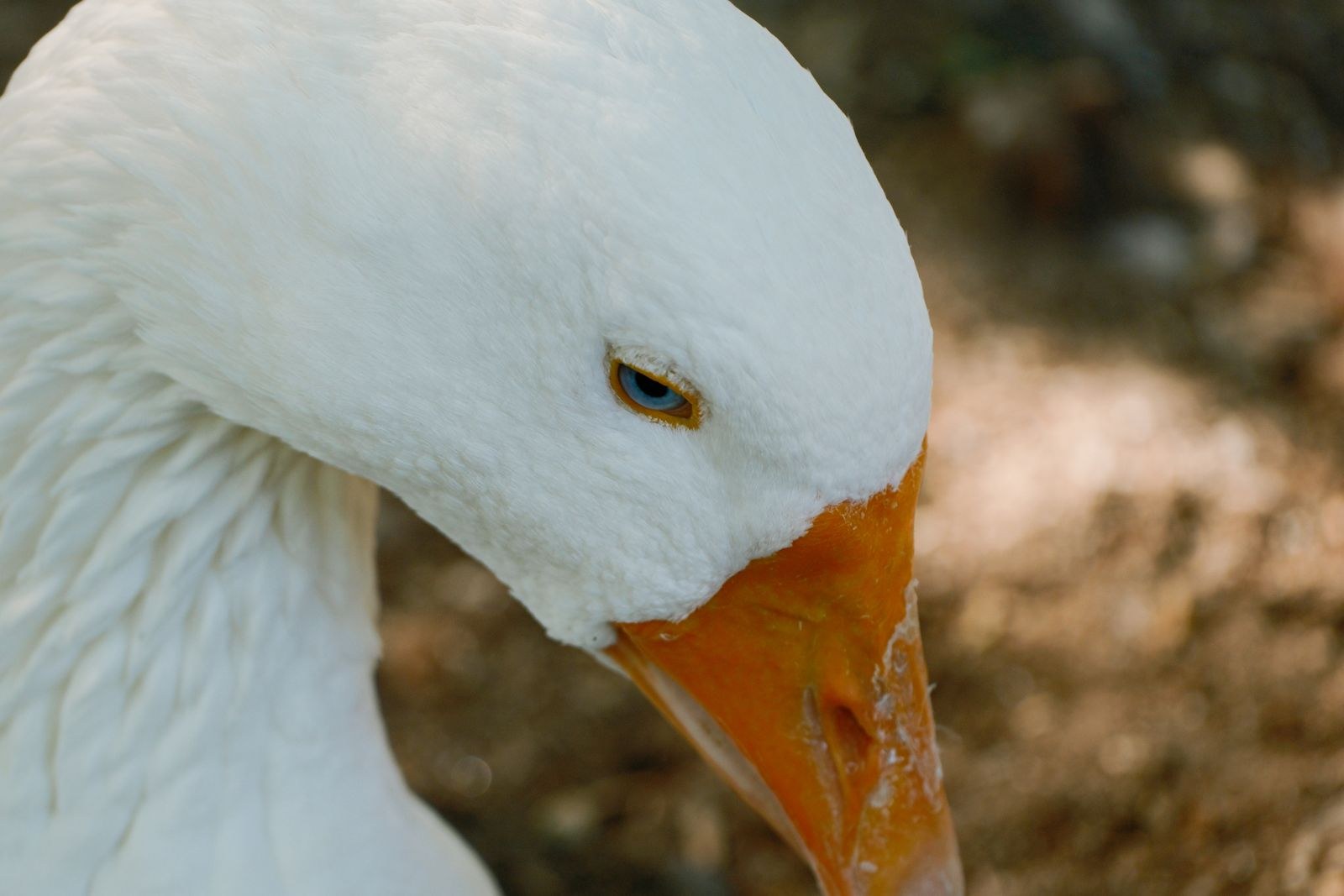
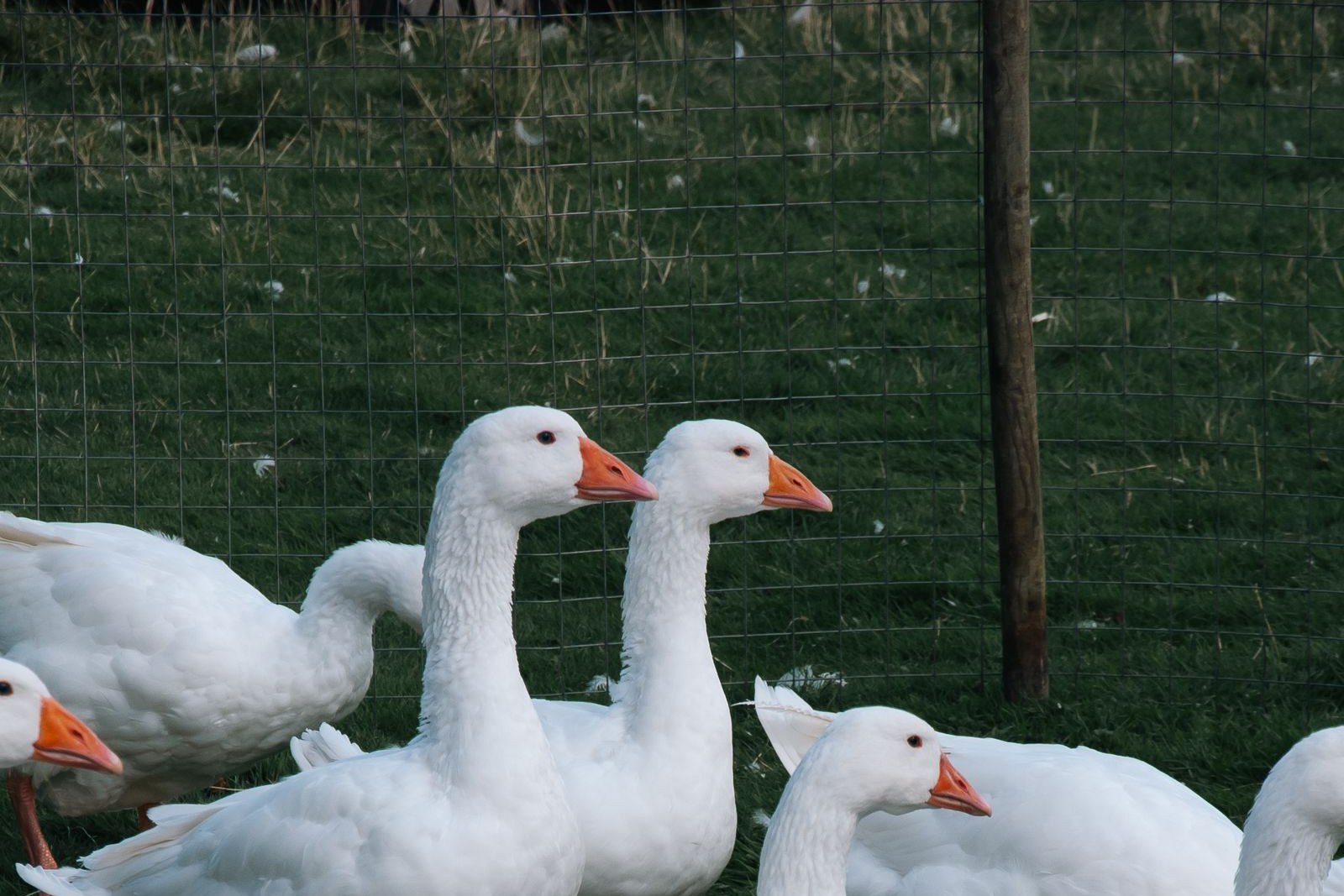
The name is geography. The Nancha River rises in the southern hills of Qingsong township and runs through the county seat – the upper reach of the Nandu River – and Yacha sits on its bank, which is why the goose is the Nancha goose: the bird of the river the town is built beside. The bird’s home ground, on the food pages’ account, is the Yingpan quarter of Yacha – big-bodied, handsome birds raised along the water. Beyond that the record is bare: no flock counts, no hatchery registry, no breed paperwork; the text invents none.
The address the review platforms keep naming is the 新醉鹅饭店 Xin Zui’e – New Drunken Goose – restaurant near the transport bureau on Shiyou Road, called an old shop by the diners who return to it, though no source prints a founding year and the text prints none either. Its board, on the review snapshots: the goose itself, and beside it the fresh fish-maw dish the regulars order without being asked, wild greens and pumpkin flowers in season – and for the full Yacha table, the county’s five-toe pig, which has its own page on this site. The diner quotes carry the pattern: an out-of-towner counting a third visit to the same room; a lunch that ended in a dinner reservation the same day – reviews, carried as reviews. Around town the snapshots add the other Hainan kitchens: the Hongdu restaurant on Yacha Middle Road, fried pork ribs its house dish, and the Tongqing on Qiaobei Road – background names, not rivals.
The money, as of the 2026 snapshots and floating with them: around seventy to ninety yuan a head at the goose houses – one review platform prints seventy-six, a 2022 travel guide ninety-one, and both are old enough that the range is the honest form. The twenty-five-yuan-a-jin whole-bird price that still circulates online dates to 2016 and is printed nowhere here as current. The day the dish is built for: the crater tea gardens in the morning, the riverbank in the evening – the county seat stands on the Nancha and its night market runs along the dike, and the 2026 March 3rd fair made that dike the fairground, sixty-three food stalls along the water with the goose houses a street’s walk inland.
Words and Names
白沙醉鹅 Báishā zuì é is the Baisha drunken goose; 白切 báiqiè is white-cut, the poach-and-serve cut Hainan gave Wenchang chicken and Yacha gives its river goose. 南叉鹅 Nánchā é is the Nancha goose, named for 南叉河 Nánchā hé, the Nancha River, upper water of the Nandu. 牙叉 Yáchā is the county seat; 营盘 Yíngpán the bird’s home quarter. 焖制 mèn zhì is the braised flambé variant – a different dish under the same drunk-goose name. And the site’s goose pages keep their towns straight: Qionghai’s hot-spring goose in its soup, Dongguan’s lychee-wood roast over its fire, Yacha’s white-cut steam over its herb bath.
What the Locals Know
Order the goose and let the house add the fish maw; go hungry at dinner, when the steamer runs hottest, and walk the dike night market after. The goose houses are local-kitchen territory – English menus are not the default – and prices move: the seventy-to-ninety band is an as-of figure, not a tariff. A day that ends here starts well at the crater tea gardens twenty minutes southeast, which is the pairing the county’s own food writing keeps drawing: leaf country by day, river goose by night.
What the record refuses: any official listing – no GI, no heritage register, no famous-dish roster carries the dish, so none is claimed; a founding year for the old-shop goose house, which no source prints; a current per-jin bird price, the circulating figure being a 2016 relic; and any health claim for the herb bath – the tourism pages hint at tonic virtues and no source supports them, so the hint is left where it lies.
flowcloud would say that the Nancha goose is a river town’s signature in three moves – an hour in a secret bath, a steamer, a cool rest – a dish with no paperwork at all and a restaurant the diners will not let close, seventy to ninety yuan a head on the bank of the river that named the bird.
Where to find it: the 新醉鹅饭店 Xin Zui’e restaurant near the transport bureau on Shiyou Road, 牙叉镇 Yáchā zhèn Yacha Town, 白沙黎族自治县 Baisha Li Autonomous County, Hainan – the county’s most-named goose house, around 70 to 90 yuan a head as of the 2026 snapshots; the dike night market along the Nancha for the evening and festival window; Hongdu on Yacha Middle Road and Tongqing on Qiaobei Road for the town’s other Hainan kitchens. Ask the day’s price at the table, and give the herb-bath steam the first cut.