
山兰米 shānlán mǐ, shanlan rice, is the upland rice of the Li people – a dry-land grain grown on rain-fed mountain slopes, selected and reselected by Li farmers across what the county’s own pages call a living thousand years of farming history. In 白沙黎族自治县 Baisha Li Autonomous County it holds the paperwork grain rarely gets: in 2021 the state’s Ministry of Agriculture and Rural Affairs registered 海南白沙山兰米, Hainan Baisha shanlan rice, as a national agricultural geographical indication, and in September 2023 the county’s Li shanlan rice-culture system entered China’s list of important agricultural heritage systems. The centre of the crop is 青松乡 Qīngsōng xiāng Qingsong township in the county’s hill country, and this site’s shanlan-rice-wine page holds the drink the glutinous grain becomes – this article is the rice and the system that grows it; the wine gets its one line below.
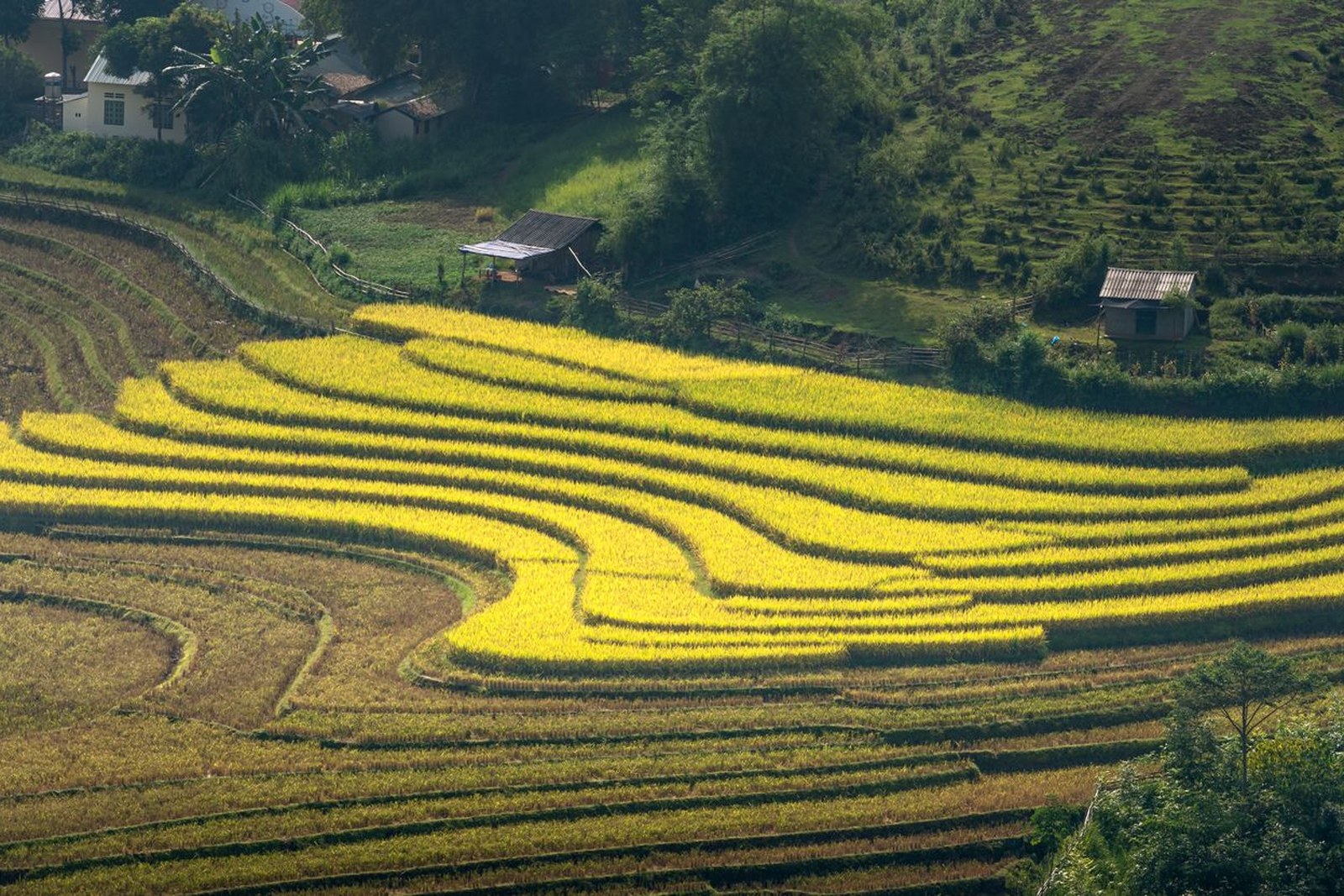
The three certificates stack cleanly. The 2021 registration is the market’s – a national agri-GI under the exact name Hainan Baisha shanlan rice. The September 2023 heritage inscription, seventh batch of China’s important agricultural heritage systems, is the culture’s – the mountain farming system, not just the grain. And the custom that carries both is 啦奥门 La’aomen, Li for eating the new rice and celebrating the harvest: first staged as a festival by 拥处村 Yōngchù cūn Yongchu village in 2016 with government support, listed as county intangible heritage in 2017. The quality line is the county government’s own and stays quoted as such: selenium, iron and zinc at several times ordinary rice, the aristocrat of rice – and the variety shelf runs to four names, fragrant, glutinous, black and red.
The acreage story is the heritage story told in numbers, and every number carries its year because the series swings. Late Qing into the Republic: over a million mu of shanlan planted across Hainan. By 2021: roughly ten thousand mu left province-wide, six thousand of them in Baisha. The newest official line, from the provincial agriculture department in 2025, is the one the industry runs on: 4,500 mu county-wide, more than half of all the shanlan left in Hainan – and the local brand couplet that goes with it: Hainan shanlan looks to Baisha, Baisha shanlan looks to Qingsong. The village ledger beneath it, from the county’s 2022 count: 184 households in Yongchu village on nearly a thousand mu, 213,000 jin of grain a year, two million yuan and more of added income, and an eight-hundred-metre boardwalk built through the shanlan gardens for the visitors the festival brings.
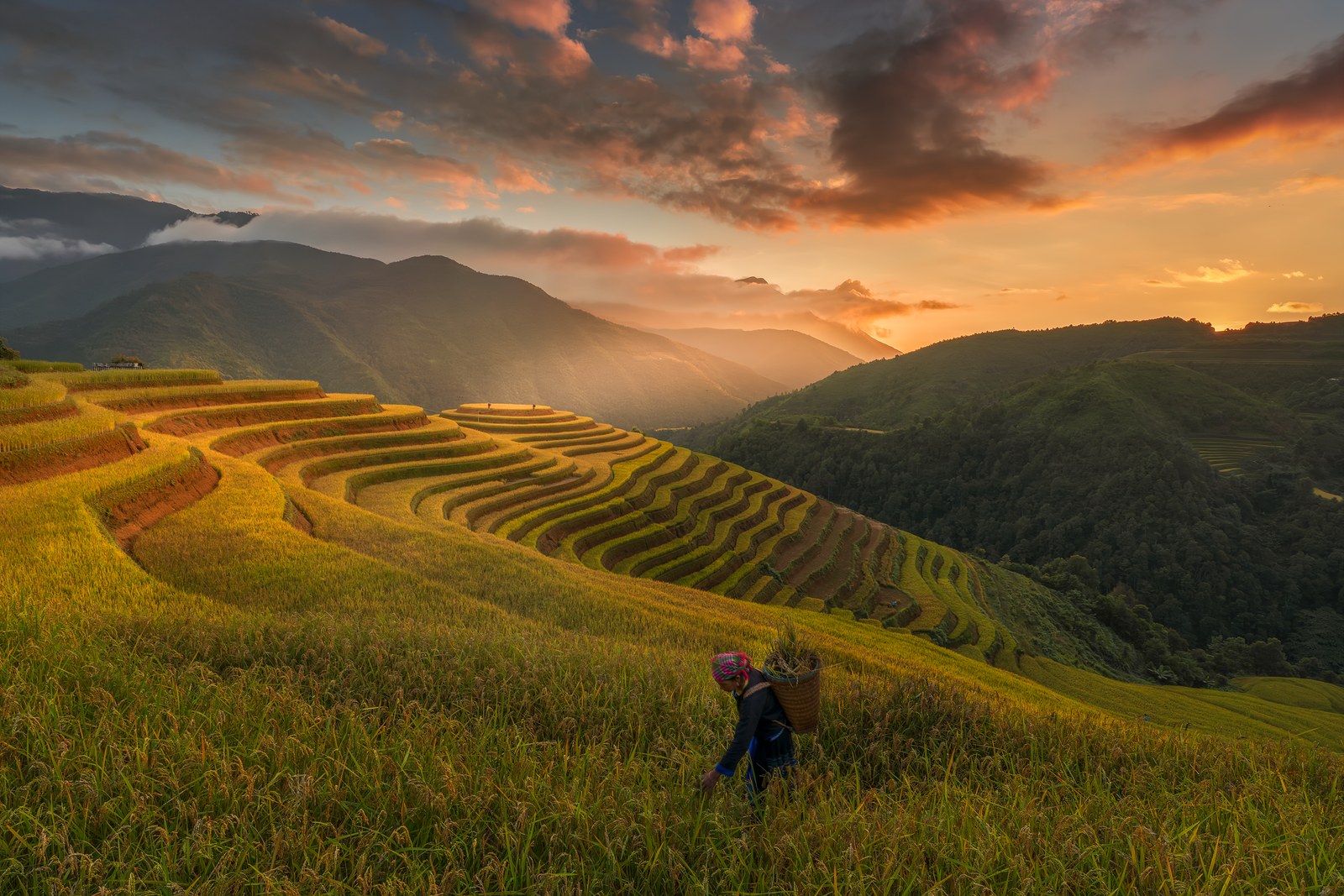
The festival runs each November when the grain comes in – the 2023 edition opened on the eighteenth at Yongchu – and its morning follows the old custom: an 奥雅 àoyǎ, a Li elder, picks the auspicious day; the first handful of ripe grain is cut and hung in the house; the rites call the migrants and the married-out daughters home, and the long-table feast does the rest. The programme the 2023 fair printed: a rainforest shanlan heritage fair, the blessing rite, the first-sickle rite, and the visitor’s part – reaping rice ears and threshing them by hand before sitting down to new rice and shanlan wine at the long table. The bonfire songs keep the old couplet in them – cut the mountain, plant the shanlan, may it succeed; cook the shanlan rice, brew the shanlan wine – and the dances carry the work’s names: rice-pulling, pounding, sifting, unity, harvest. The market morning tells the economics in one woman: 符理慧 Fu Lihui carried sixty jin of rice and thirty of wine to the festival and sold out by mid-morning – a thousand-odd yuan earned at her own doorstep.
Why the old system matters now is where it sits: when Hainan’s tropical rainforest national park was sealed in October 2021, chemical agriculture began leaving the park counties, and shanlan’s hand-worked, chemical-free habit stopped being backward and became the point – Qingsong runs eight shanlan bases on some nine hundred mu, two hundred of them certified organic, with rice cakes and rice flour in development rather than on shelves. The glutinous varieties still feed the other pages: shanlan wine, wood-fire steamed and jar-fermented for half a year and more, with the county’s distiller 朱晓保 Zhu Xiaobao carrying a provincial Nanhai-craftsman title; and the sanse rice, the pressed cakes and the fish tea that shanlan glutinous also makes – one line each here, their own pages elsewhere. The scene no other rice county can print: the grain ripens below 鹦哥岭 Yīnggē lǐng Yinggeling, and Qingsong’s Futouling ridge is one of the last homes of the Hainan gibbon – the village’s Qingyuan-Shanse guesthouse opened trials in 2022 on a route the county bills as seek the source, hear the gibbons. Rice below, gibbons above.
Words and Names
山兰稻 shānlán dào is the upland rice plant, 山兰米 shānlán mǐ the grain it gives. 啦奥门 La’aomen is the eat-new-rice harvest rite, a county heritage item since 2017 and a festival since 2016. 奥雅 àoyǎ is the Li elder who picks the day. 拥处村 Yōngchù cūn Yongchu village in 青松乡 Qīngsōng xiāng Qingsong township is the festival ground. The GI’s full registered name is Hainan Baisha shanlan rice – the exact form, not a shorthand. And the record keeps one refusal explicit: the China-shanlan-rice-home title the township has pursued is an application, not a grant – no source records the award, so this text awards nothing.
What the Locals Know
Come in November: the harvest is the festival, the festival is the reason the village fills, and the boardwalk, the education garden and the camping ground take the overflow. Buy at the village stalls on festival mornings – the Fu Lihui arithmetic is the honest guide to what sells out – or through the county’s Baisha Liangshi brand stands and their e-commerce shelf the rest of the year. The roads into Qingsong wind through the hills, the travel pages counsel care in the rainy season, and festival-night beds need booking ahead – advice carried as advice, from snapshots rather than studies.
What the record refuses: any precise age beyond the official thousand-years phrasing, which no source underwrites with a number; a current unified retail price, which does not exist; a county-wide annual output, which the sources do not total; and any launched status for the rice cakes and rice flour, which remain in development by the county’s own account.
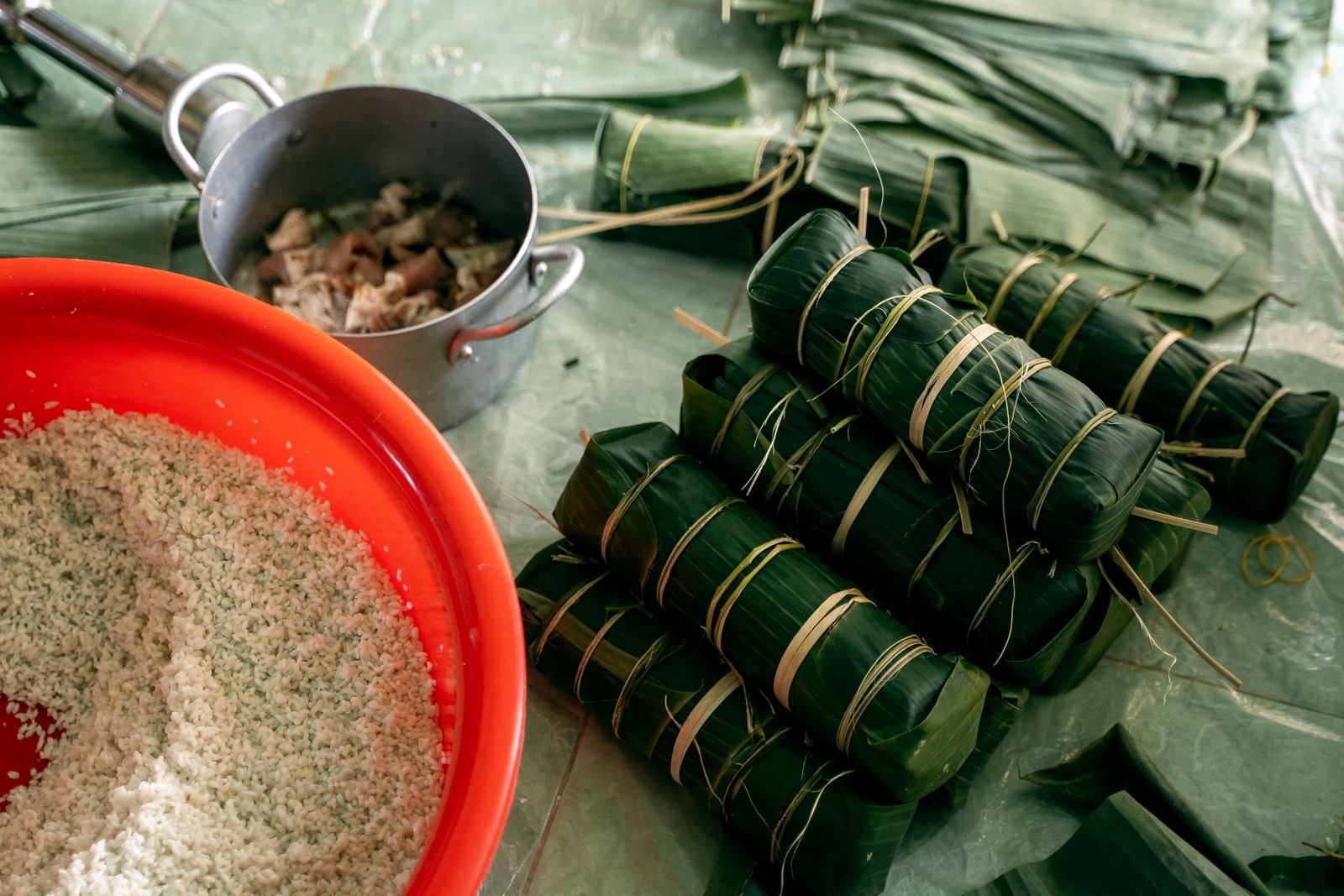
flowcloud would say that Baisha shanlan rice is an acreage that came back from the edge – a million mu under the late Qing, ten thousand by 2021, four and a half thousand left today and half the province’s remainder – carried by a village festival that turns harvest into homecoming and a seal that says the mountain system itself is the product.
Where to find it: 拥处村 Yōngchù cūn Yongchu village, 青松乡 Qīngsōng xiāng Qingsong township, 白沙黎族自治县 Baisha Li Autonomous County, Hainan – the La’aomen festival each November, the eight-hundred-metre shanlan garden boardwalk, and the village stalls year-round; Baisha Liangshi brand stands in town and online between festivals. Book festival beds early, drive the hill roads gently, and eat the new rice where the aoya hung the first handful.