
暮色腾越,饵块救驾。Mùsè Téngyuè, ěrkuài jiù jià – Dusk falls on Tengyue; a plate of erkuai saves the emperor.
大救驾 Dà Jiùjià “the great rescue” is 腾冲 Téngchōng Tengchong’s most famous 小吃 xiǎochī street snack, and at bottom it is 炒饵块 chǎo ěrkuài – stir-fried rice cake. The story locals tell is the dish’s whole identity: in the dying years of the 南明 Nánmíng Southern Ming, the 永历帝 Yǒnglì Dì Yongli emperor 朱由榔 Zhū Yóuláng, driven west toward Burma by 吴三桂 Wú Sānguì’s Qing army, reached 腾越州 Téngyuè Zhōu – the old name of Tengchong – at dusk, exhausted and starving, and begged a meal from a farm household. The family fried their 饵块 ěrkuài rice cake with 火腿 huǒtuǐ ham, egg and greens, and the emperor declared that the plate had “救了朕的大驾” – saved the imperial carriage – and the name has stuck ever since. The cake is the point of pride: 大米 dàmǐ rice soaked, steamed and pounded into a dense white block, the cakes from 胡家湾 Hújiāwān just east of town the most cited, 细糯 xìnòng fine and sticky, 色白 sè bái white, and 有筋 yǒu jīn springy enough to survive a wok. A plate runs about 15-30 yuan at a Tengchong snack house (worth confirming the details), and the honest shape of the dish is a meal rather than a bite: one plate, a bowl of sour pickle soup, and a hungry person is fed.
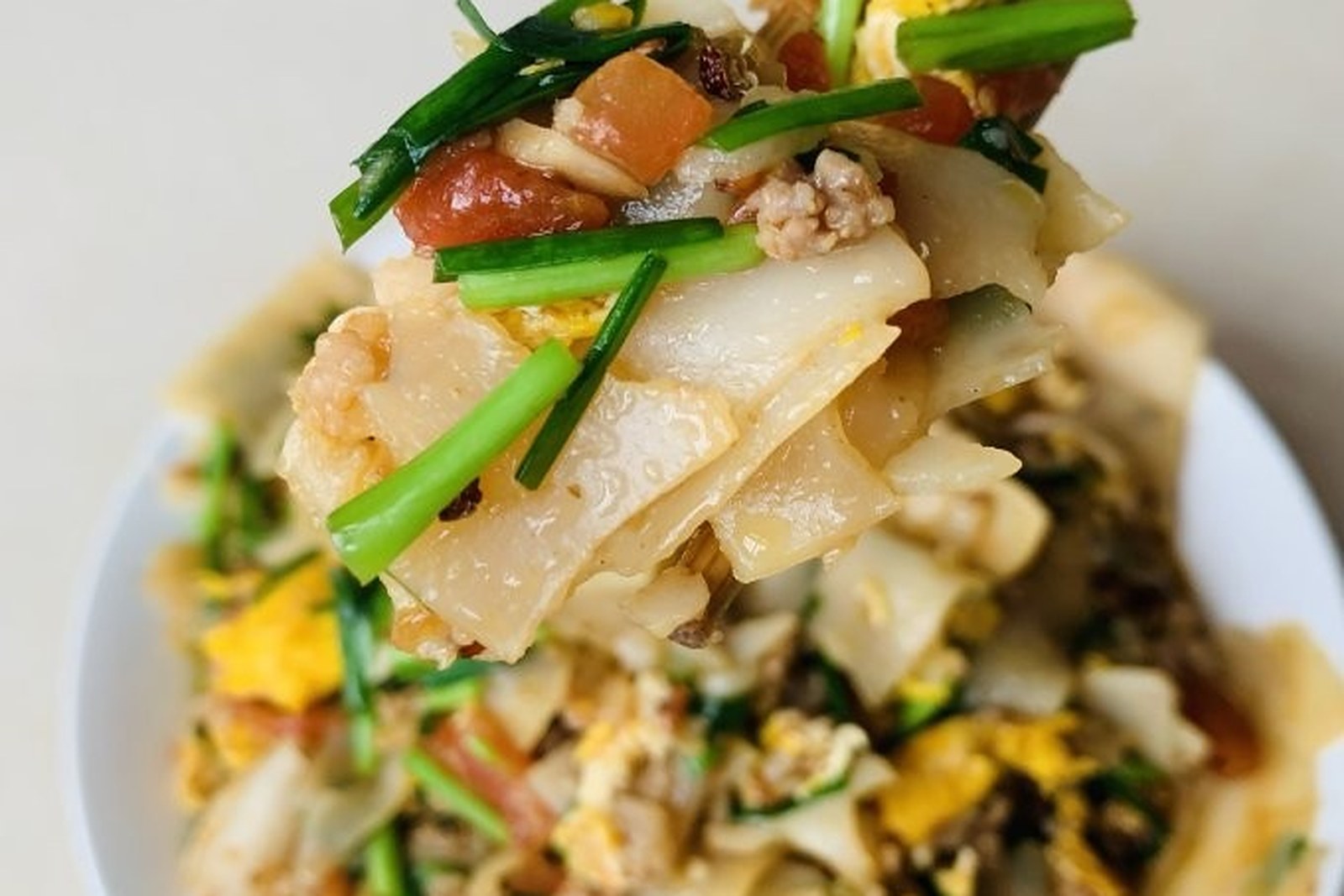
The mechanism is the wok and the diamond slice. 饵块 ěrkuài is cut into 菱形 língxíng diamond slices about a centimetre thick; 猪油 zhūyóu lard goes into the wok over 旺火 wànghuǒ high heat, and the slices are tossed until they soften and take on the shine of the fat before anything else touches the pan. Only then do the 肉片 ròupiàn pork slices – 脊肉 jǐròu loin marinated with 湿淀粉 shīdiànfěn wet starch and slipped through oil to stay tender – the 鸡蛋 jīdàn, the 宣威火腿 Xuānwēi huǒtuǐ Xuanwei ham, the 番茄 fānqié tomato, the 菠菜 bōcài spinach or 豌豆尖 wāndòujiān pea tips, the 葱白 cōngbái scallion whites and the 糟辣椒 zāo làjiāo fermented chili go in, and a splash of 肉汤 ròutāng broth lets the whole thing 焖 mèn braise-soften under salt, 酱油 jiàngyóu soy, 白胡椒粉 bái hújiāo fěn white pepper and a pinch of 白糖 báitáng sugar. The 糟辣椒 zāo làjiāo is the fingerprint – its 糟香 zāoxiāng fermented sourness separates the real plate from plain fried rice cake – and the 酸腌菜 suān yāncài pickled greens supply the second sour note. What arrives is 红绿白黄相映 hóng lǜ bái huáng xiāng yìng red, green, white and yellow in one dish, 软糯烫 ruǎnnuò tàng soft, sticky and piping, 油而不腻 yóu ér bù nì glossy but not greasy – and, non-negotiable, a small bowl of 酸菜汤 suāncài tāng pickles-and-broth soup to sip between mouthfuls.
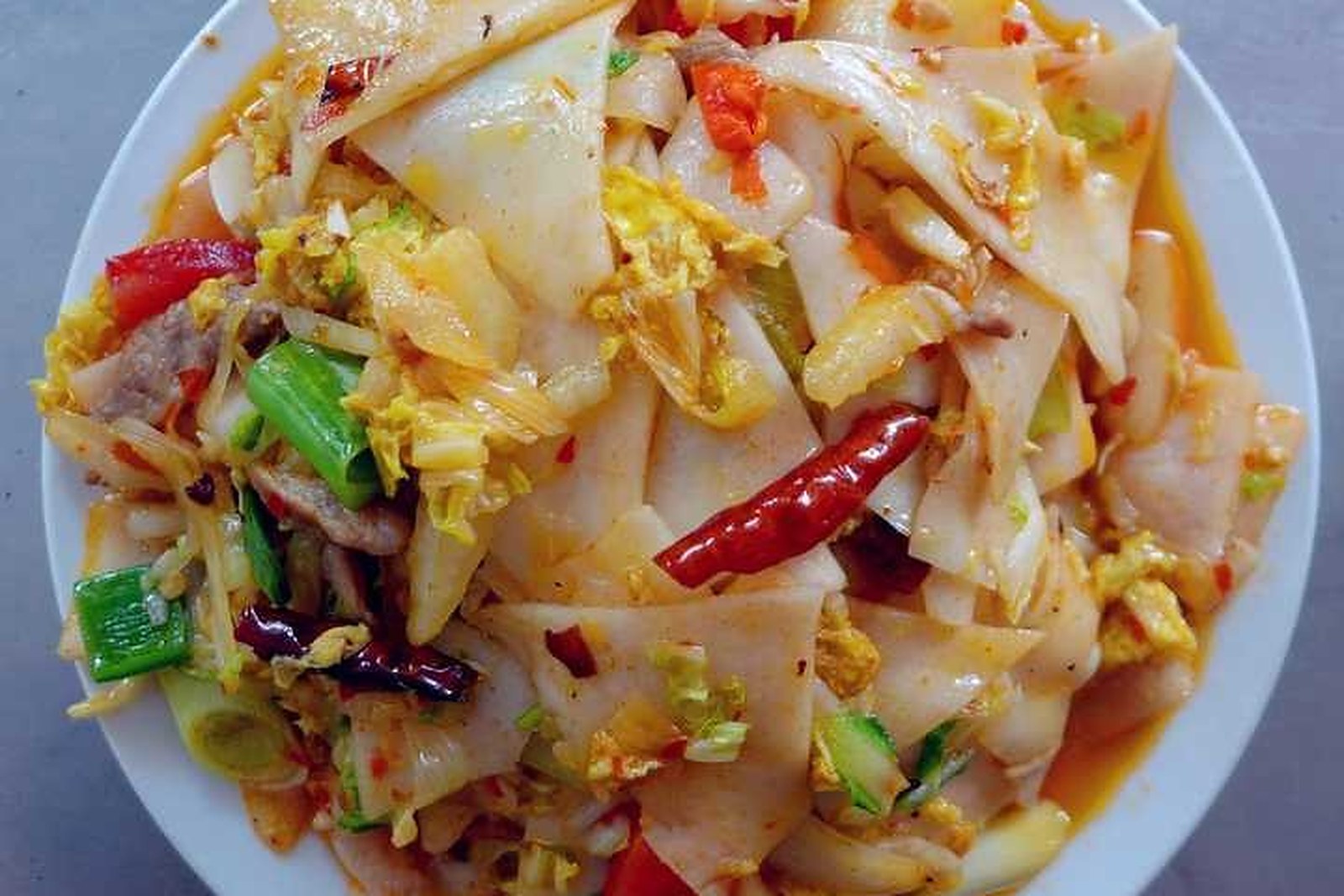
Locals treat it as a lunch or dinner staple rather than a snack. The move is to take a table at a 腾冲 Téngchōng old-town snack house or in 和顺古镇 Héshùn Gǔlǔn Heshun old town, order one 大救驾 Dà Jiùjià with its 酸菜汤 suāncài tāng, and eat the cake and soup as a pair – the sour broth is the brake on the lard, which is why the classic serving never separates them. The honest tests are the bite and the chili: the 饵块 ěrkuài should still have 筋 jīn chew when it leaves the wok rather than collapse into paste, and the 糟辣椒 zāo làjiāo should read as real fermented chili, red and sour, not sweet canned paste. Newcomers are warned that one plate is a full meal – the cake is rice, after all, and the plate was built to feed someone who has walked a day over the mountains (worth confirming portion sizes and current prices). The dish travelled east to 昆明 Kūnmíng Kunming in the 1980s, but locals say the western-Yunnan original is the honest one, because the cake and the 酸菜 suāncài pickle are local and everything else is only a wok.
Words and Names
大救驾 Dà Jiùjià “the great rescue” · 腾冲 Téngchōng Tengchong · 腾越州 Téngyuè Zhōu old Tengchong · 永历帝 Yǒnglì Dì the Yongli emperor · 朱由榔 Zhū Yóuláng the last Southern Ming ruler · 饵块 Ěrkuài erkuai rice cake · 胡家湾 Hújiāwān the cake village east of town · 糟辣椒 Zāo Làjiāo fermented chili · 酸腌菜 Suān Yāncài pickled greens · 酸菜汤 Suāncài Tāng pickle-broth soup · 宣威火腿 Xuānwēi Huǒtuǐ Xuanwei ham · 猪油 Zhūyóu lard · 和顺古镇 Héshùn Gǔlǔn Heshun old town · 保山 Bǎoshān Baoshan
What the Locals Know
The local knowledge about the dish is the diamond slice and the soup. The 饵块 ěrkuài is cut into 菱形 língxíng diamonds, never shreds, and it must keep its 筋 jīn chew out of the wok – a plate of collapsed paste has been fried by someone in a hurry. The second check is the 糟辣椒 zāo làjiāo: it should be red and sour, a real fermented chili, and a plate that tastes only of tomato and ketchup has skipped the one ingredient that makes the dish worth its name. The third is the pairing: the 酸菜汤 suāncài tāng is part of the order, not an optional extra, because the sour broth is what cuts the 猪油 zhūyóu lard and lets a whole plate be eaten. And the fourth is the address: the honest plate is in 腾冲 Téngchōng itself, where the cake and the 酸腌菜 suān yāncài are made locally, not the milder city version that travelled east in the 1980s (worth confirming houses and prices).
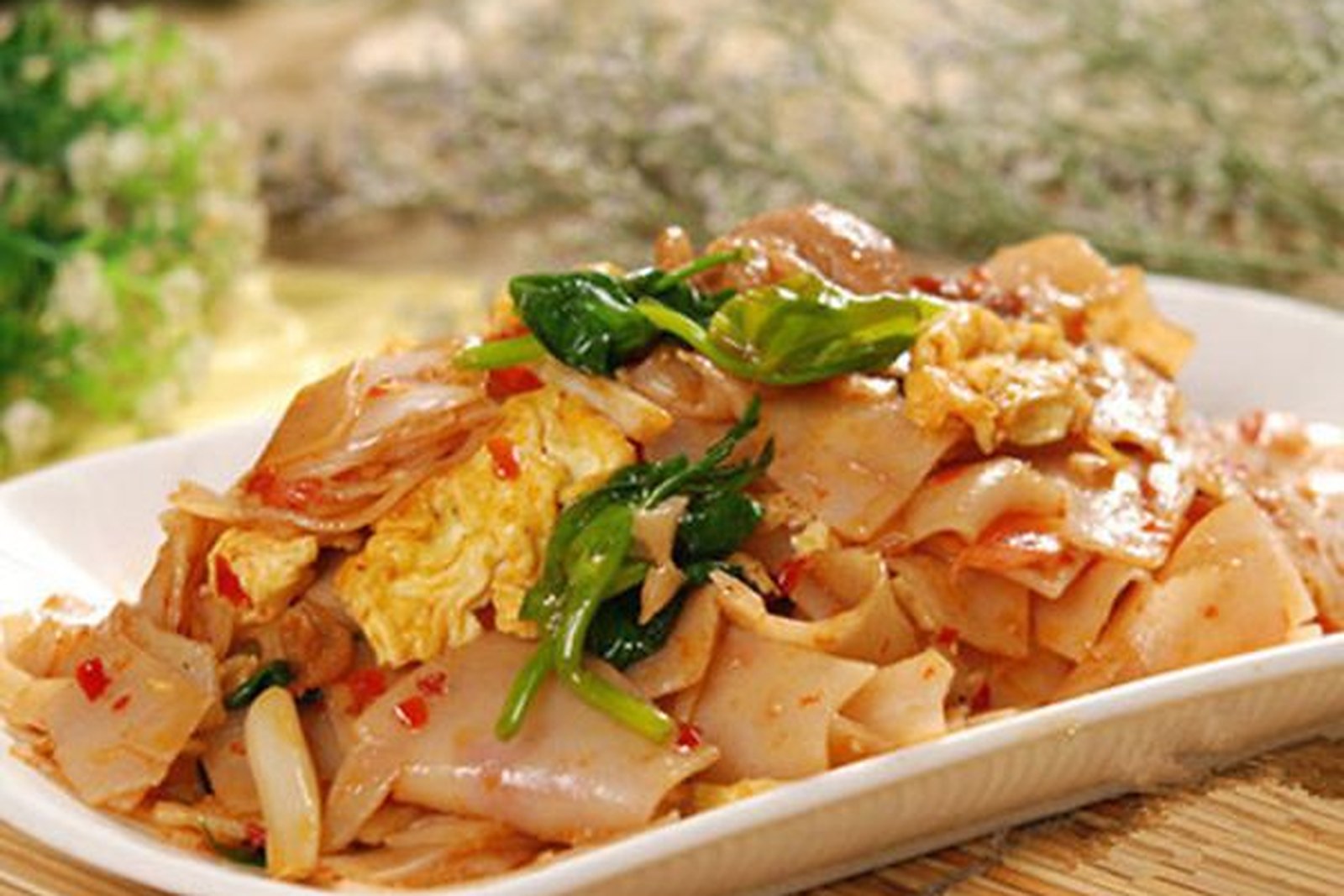
flowcloud would say that Dajiujia is wok heat and rice cake – diamond-cut 饵块 ěrkuài tossed in 猪油 zhūyóu with ham, egg, tomato and 糟辣椒 zāo làjiāo, softened with broth and served beside its 酸菜汤 suāncài tāng – and that the honest move is to eat it in 腾冲 Téngchōng and sip the sour soup between mouthfuls, because the cake is the meal and the pickle broth is the brake. All checked October 2026.
Where to find it: the snack houses of 腾冲古城 Téngchōng Gǔchéng and 和顺古镇 Héshùn Gǔlǔn in 腾冲 Téngchōng Tengchong, and the 保山 Bǎoshān city shops that claim it – a plate of 大救驾 Dà Jiùjià runs about 15-30 yuan with the 酸菜汤 suāncài tāng alongside (worth confirming the details), 饵块 ěrkuài cut in diamonds and fried with ham, egg and 糟辣椒 zāo làjiāo. The honest plate is the Tengchong one, where the cake and the pickle are made locally. All checked October 2026.