
Dusk on 北滨路 Běibīn Lù Beibin Road, the riverside drive on the Jialing’s north bank, arrives in the right order: the water goes to pewter, the far-bank skyline prints itself in lights, and the terrace tables of 江北区 Jiāngběi Qū Jiangbei – one of the central districts of Chongqing, a municipality of southwest China – fill for the evening shift. The district’s riverside dining belt is densest around a wharf complex called 鎏嘉码头 Liújiā Mǎtóu Liujia Wharf, under the north end of the 黄花园大桥 Huánghuāyuán Dàqiáo Huanghuayuan Bridge; and beneath that new name lies an older one the city spent a century losing: 莺花渡 Yīnghuā Dù, the Oriole-and-Blossom Ferry. This page is about the two cities stacked at one landing: a Qing crossing famous for flowers and birdsong, and the dinner rush that took its place.
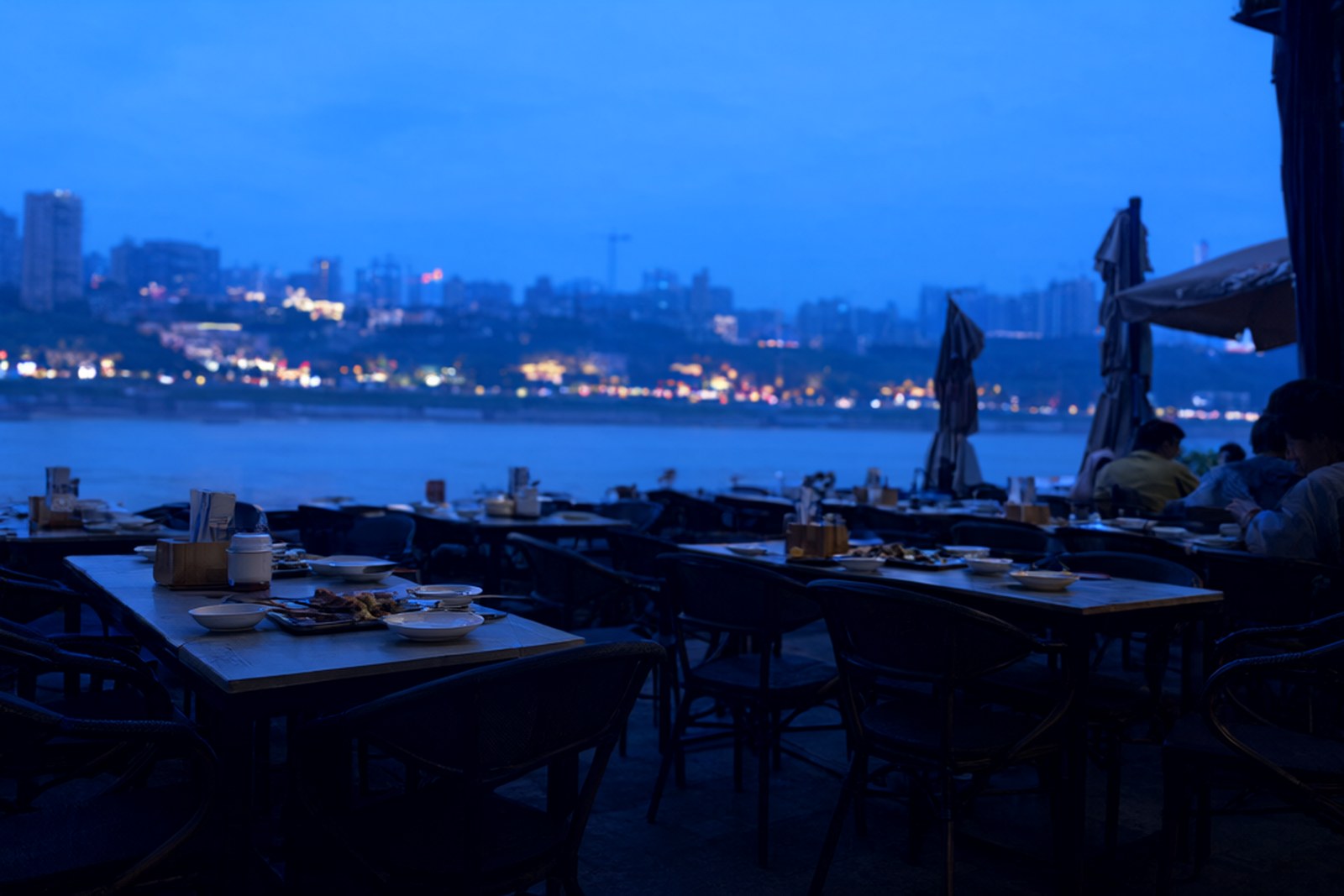
County gazetteers of the Qing dynasty record the crossing: the maps of the 巴县志 Bā Xiàn Zhì, the Ba County gazetteer, from the Qianlong to the Tongzhi reigns, mark a ferry on the north bank of the Jialing near the old Jiangbeicheng town, named 莺花渡 – Yinghua, oriole-and-blossom – for the birds and spring flowers that made it the stuff of poems. 王尔鉴 Wáng Ěrjiàn Wang Erjian, the county’s Qing magistrate, left lines the gazetteer preserves: the river bright as silk, a spring crossing of orioles and blossoms, flower scent chasing the sand – and the judgement of his age that the landing was 艳绝三巴 yàn jué sān bā, lovelier than all the “three Ba”, the three ancient Ba commanderies that stood for the whole region. As the city changed, the name dropped out of use; by the late twentieth century the maps had let it go.
The revival is deliberate and dated. On 20 December 2014 a waterfront dining and leisure complex opened on this stretch of bank, built by Chongqing Zhujiang Industrial with about 1.2 billion yuan on the reporting of three city outlets, and launched under the slogan of twelve hours without closing; the operator chose to reach back a century and a half and stitch the lost name on. In August 2015 the complex was named among the New Chongqing Twelve Bayu Scenes in the urban-landmark class. The operators’ disclosures put the wharf’s 2019 operating income at about 360 million yuan – their own figure, for its own year. From 2019 the tenant mix leaned international, and in 2023 the district announced an upgrade of more than 100 million yuan centred on a 莺花古渡 Yīnghuā gǔdù Yinghua ancient-ferry zone built on the old name. City reporting calls the strip a 24-hour economy belt – the People’s Daily’s wording, and as far as this page pushes the claim.
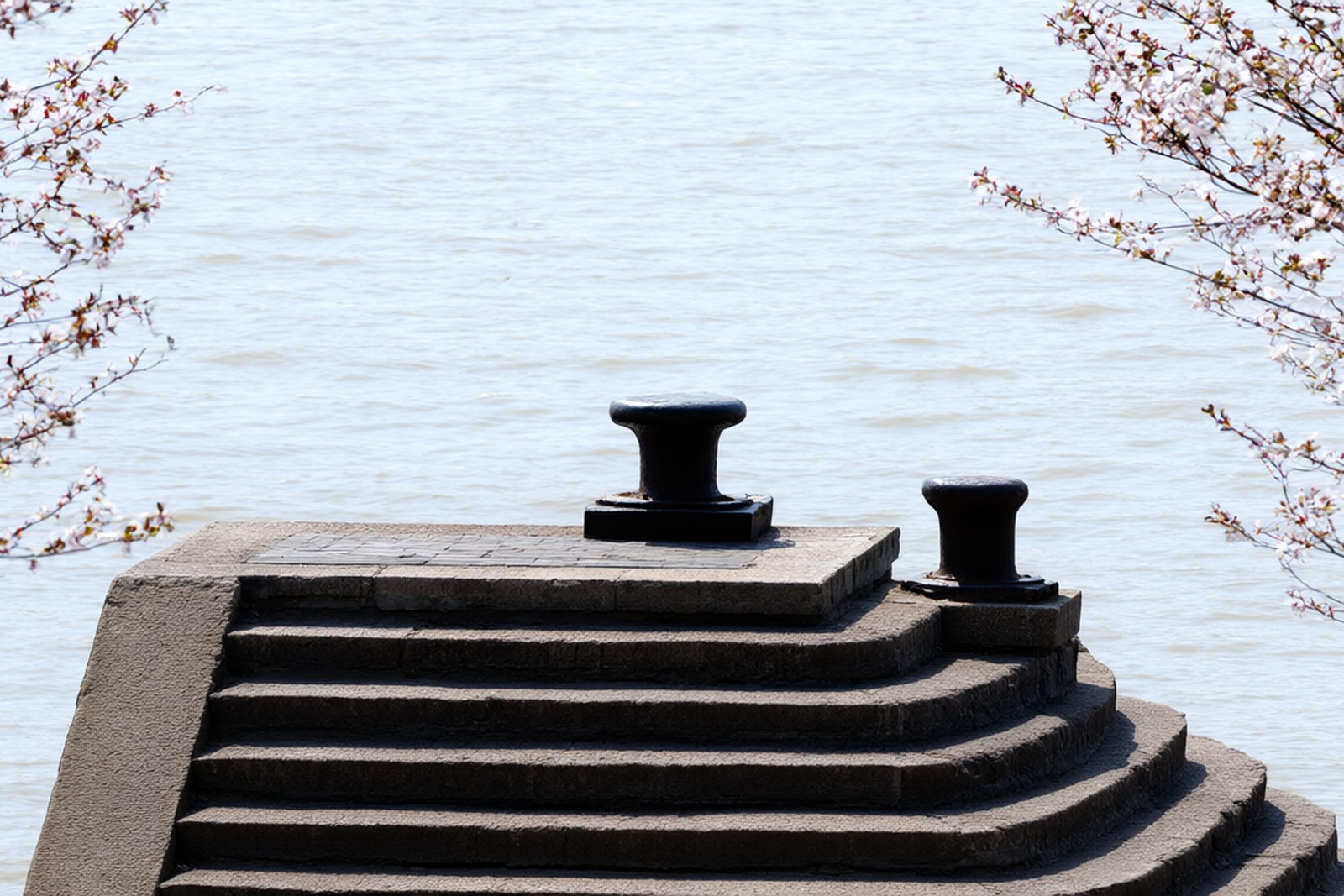
The belt’s kitchens sort themselves along the water. The B zone’s standalone houses hold 私家菜馆 sījiā càiguǎn, small private-kitchen restaurants, beside tea houses and an art hotel; along the main line sit seafood stir-fry rooms, foreign kitchens, riverside halls and the small bold-flavoured houses the trade signs as 江湖菜 jiānghú cài – jianghu cooking, folk food of big flavours. The term’s history belongs elsewhere, and the record is straight: the name was coined by the Chongqing chef-master Zhang Zhengxiong in an essay on home-style Sichuan cooking, and the first signboard reading Chongqing jianghu cai went up in spring 1992 on Yangjiaping Hengjie in Jiulongpo district – Jiangbei has famous jianghu kitchens and no claim to the term’s birth. The wharf park also holds, in one sentence’s worth, a museum of the city’s hotpot – named, and left for its own pages. What the strip eats runs from private-kitchen set menus to foreign plates, a band above the snack-street arithmetic of Guanyinqiao – the same district eating at two price levels an hour apart on foot.
Words and Names
北滨路 Běibīn Lù is Beibin Road, the riverside drive on the Jialing’s north bank; 鎏嘉码头 Liújiā Mǎtóu Liujia Wharf, the 2014 complex; 莺花渡 Yīnghuā Dù the Oriole-and-Blossom Ferry of the Qing gazetteers; 黄花园大桥 Huánghuāyuán Dàqiáo the bridge above the wharf. 巴县志 Bā Xiàn Zhì the Qing county gazetteer that maps the ferry; 三巴 sān bā the three ancient Ba commanderies the ferry was praised against. 江湖菜 jiānghú cài is the trade word for bold folk-style cooking, coined elsewhere and used here only as a descriptor; the 24-hour economy belt the official phrase for the strip’s round-the-clock rhythm.
What the Locals Know
Locals say 去北滨路 – going to Beibin Road – as the answer to where to eat when no one is in a hurry: the point is the river, and choosing the restaurant matters more than choosing the dish. The golden hour is the one before sunset, when the water still reflects and the far bank is starting to glow – photograph first, chopsticks after, is the standing local order. Summer nights bring a wind off the river and contests for the outdoor tables; winter moves the regulars indoors. One road, two nights: the B zone’s houses for conversation, the louder riverside halls a few steps along for everybody else. Most residents met the name Yinghua Ferry only in the last decade, from the reporting and the gate signs – a recovered name, not a hand-me-down.
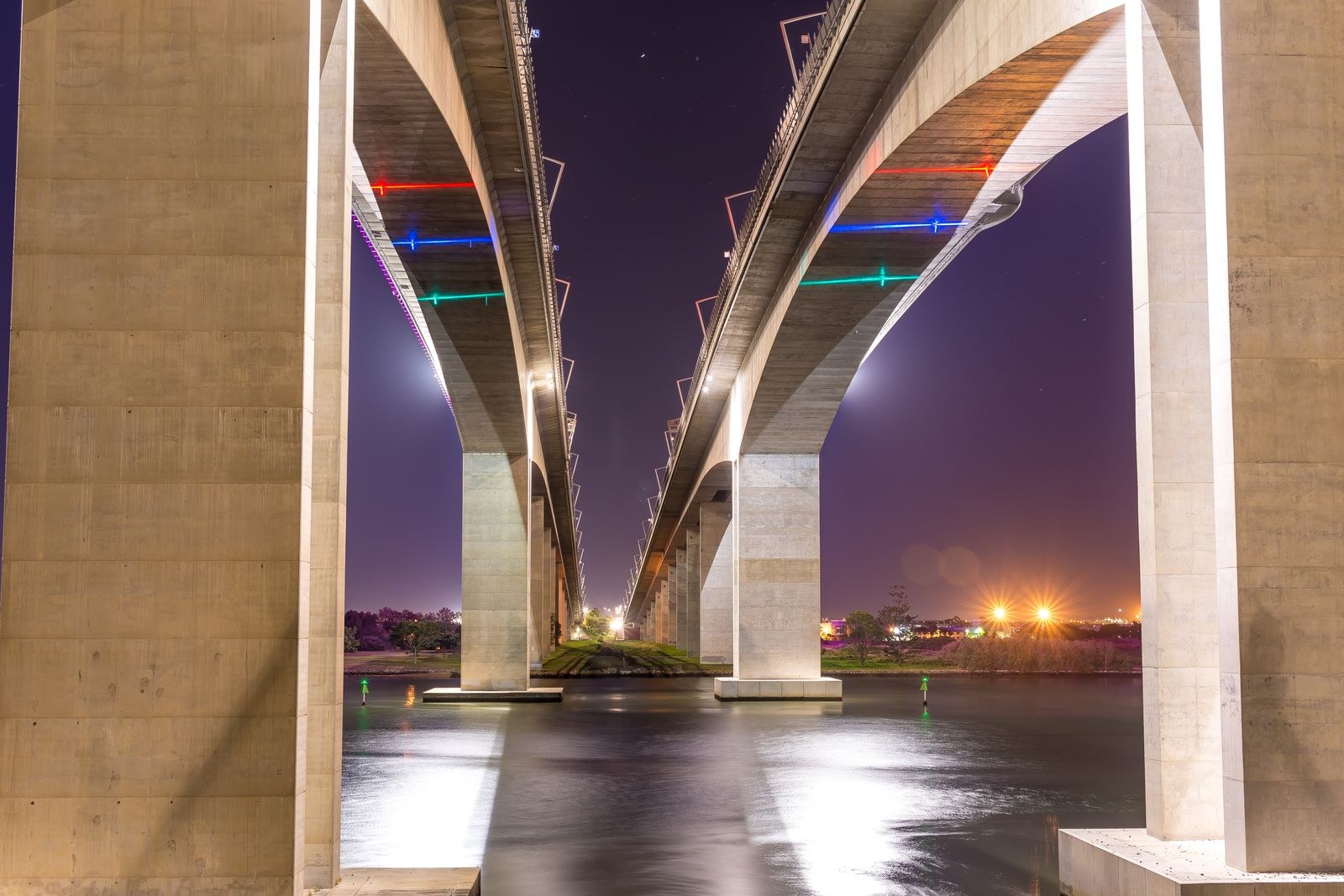
flowcloud would say that Beibin Road is dinner where the ferry used to land – a Qing crossing named for orioles and spring blossoms, praised by the county magistrate as lovelier than the three Ba, lost to the maps for a century and deliberately re-stitched in December 2014 when the Liujia Wharf dining complex opened on its bank with twelve hours without closing – now the densest riverside eating belt in Jiangbei, upgraded around its recovered Yinghua ancient-ferry name in 2023, a 24-hour economy belt where the ferry crosses no more and dinner lands nightly.
Where to find it: 鎏嘉码头 Liújiā Mǎtóu Liujia Wharf on 北滨一路 Běibīn Yī Lù Beibin Yi Road, under the north end of the Huanghuayuan Bridge, 江北区 Jiāngběi Qū Jiangbei District, Chongqing Municipality; about a quarter-hour’s drive from Guanyinqiao, by bus or taxi, with the far bank opposite forming the old peninsula’s skyline – scenery, and another district’s story. Opening patterns run late, but individual houses keep their own clocks, checked October 2026 and subject to change; the 2019 revenue figure belongs to that year and to the wharf’s own disclosures; and this page uses no foreign-city comparison for a riverbank that argues its own case.