
Grey Gold of the Old Fishing Town: Beitang Shrimp Paste
一瓯虾酱百年味,抹在饽饽胜八珍 Yī ōu xiājiàng bǎinián wèi, mǒ zài bōbo shèng bāzhēn – One crock of shrimp paste carries a century of flavor; spread on steamed bread it beats eight delicacies
北塘虾酱 Běitáng xiājiàng ferments the coast into a century-old condiment in 天津市滨海新区 Tiānjīn Shì Bīnhǎi Xīn Qū Binhai New Area – grey-green, salty and deeply savory, the mashed shrimp mash spooned over steamed buns and noodles across northern kitchens. The old fishing town’s workshops still jar it by the crock, the fermentation follows the season’s shrimp runs, and the paste’s perfume announces itself before the lid is fully off.
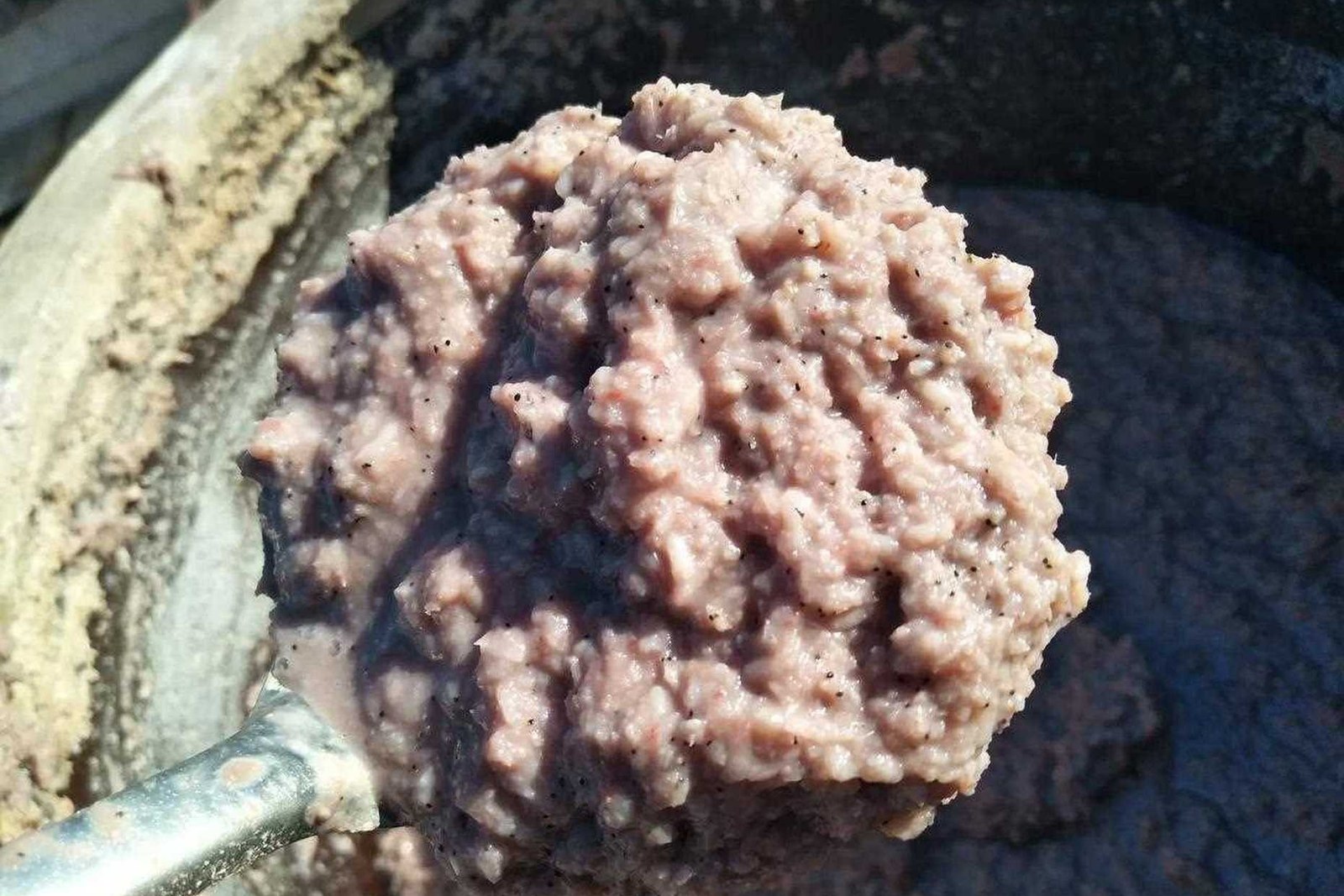
The crock is the craft. Fresh mantis shrimp and small catches get salted, mashed and sealed into earthen jars, where weeks of fermentation turn the mash grey-green and the smell from fishy to funky-sweet. Workshop rows of sealed crocks read like a cellar – each jar a season, each season a vintage the old makers can date by nose.
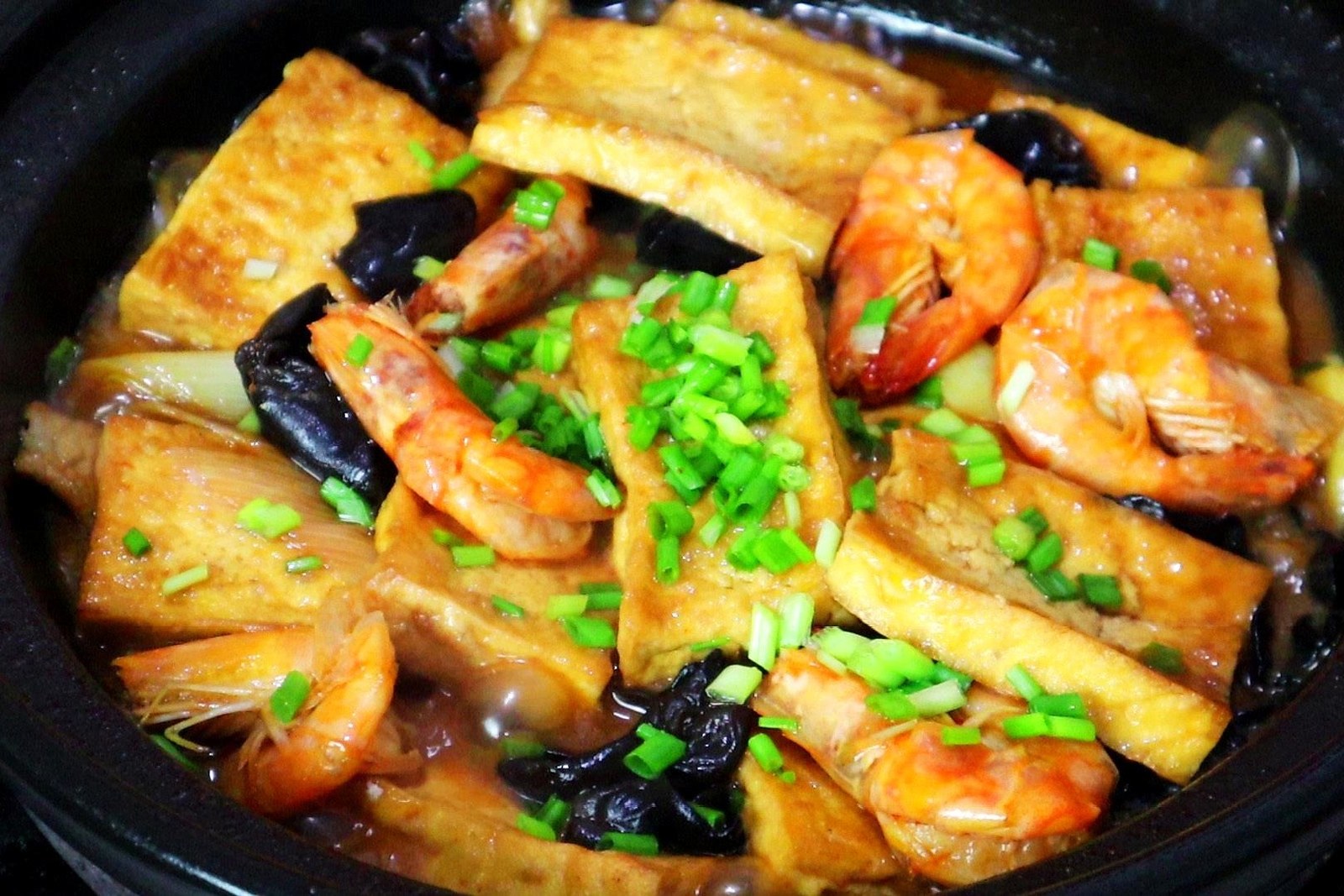
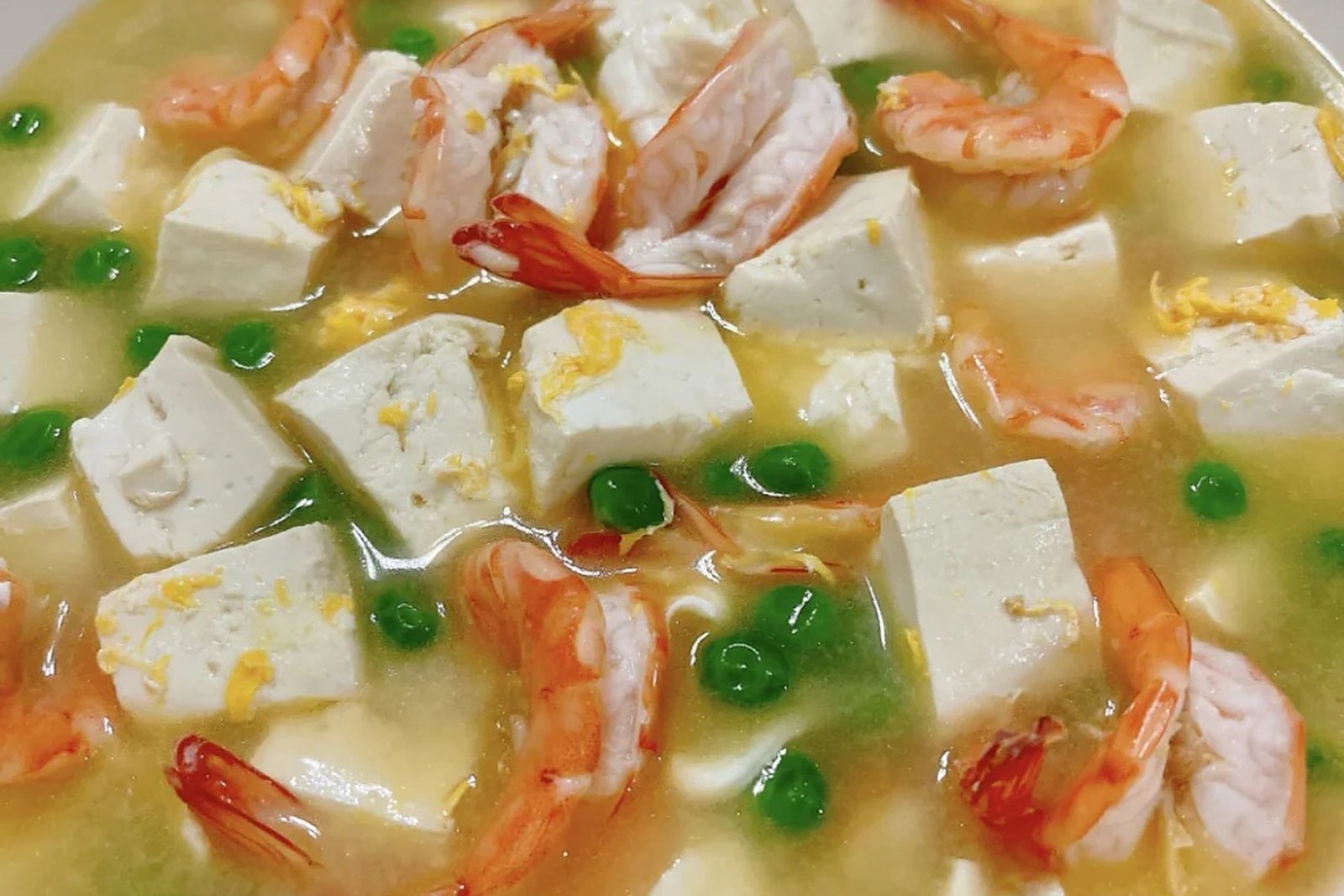
The table keeps the tradition honest. The classic service is shrimp paste smeared on hot baked buns with scallion; the kitchen versions fold it into steamed egg custard, pork-fillings and the shrimp-paste tofu that anchors farm tables. A spoon too many ruins the dish – the paste is a seasoning with opinions, and the north treats it like a condiment gong.
The town stakes its name on it. Beitang’s harbor rows once shipped the paste up the coast by the boatload; today the workshop shops around the old town jar it for travelers, and the fishing-town markets keep the older crock grades beside the tourist bottles. The jar travels home as a souvenir that keeps fermenting gently – the lid should sit loose for the first night, say the makers.
The same 天津市滨海新区 Tiānjīn Shì Bīnhǎi Xīn Qū Binhai New Area holds more flavors worth chasing: 茶淀玫瑰香葡萄 Chádiàn méiguī xiāng pútáo the rose-perfume grapes, 大港冬枣 Dàgǎng dōngzǎo the autumn-snap jujubes, 塘沽海鲜 Tánggū hǎixiān the harbor catch, or 汉沽八大馇 Hàngū bādà chā the fisherman’s stews – four more doors into the same Binhai table.
Words and Names
虾酱 xiājiàng shrimp paste; 饽饽 bōbo the northern steamed bun it classically tops; 发酵 fājiào fermentation, the craft’s slow heart; 咸鲜 xiánxiān the salty-savory register the paste owns; 北塘 Běitáng Beitang, the old fishing town that gave the paste its name.
What the Locals Know
Color grades the paste: younger jars run grey-green, aged crocks turn tea-brown and mellow – locals buy by the year like wine. The paste argues families: steamed-egg camp versus bun-spread camp, and both keep their grandmothers’ jar on the shelf. And the honest test is the smell through the lid – if the sealed jar smells only of salt, the ferment is young; if it smells of the sea turned savory, buy two. All checked November 2026.
flowcloud would say Beitang shrimp paste is patience in a crock: a season of shrimp, weeks of silence, and a spoonful that carries the whole fishing town’s grey gold.
Where to find it: The workshop shops around the old fishing town jar the crock grades direct, the Beitang market stalls stock both crock and bottle grades, and the harbor dining tables serve the paste in their egg-custard and tofu dishes. All checked November 2026.