
璧山兔 Bìshān tù, the Bishan rabbit, is the district’s second signature after the fish, and the phrase covers not one dish but a counter-and-kitchen format: the cold-cut rabbit names – 唐兔 Táng tù Tang rabbit, 财兔, 玉兔, 板兔 pressed rabbit – sold by weight at shop counters, and the hot-kitchen repertoire – 红烧兔 braised rabbit, 酸汤兔 sour-soup rabbit, 火锅兔 rabbit hotpot, 炒兔丝 shredded rabbit stir-fry – that the same animal feeds. The district is one of the heavier rabbit-eating corners of China, the habit is a daily one rather than a festival one, and the queues at the cold-cut counters at meal times are the local proof. This page is about the format and the eating habit, because no single shop holds the name: the record carries the formats and the queues, and the page stays on the record.
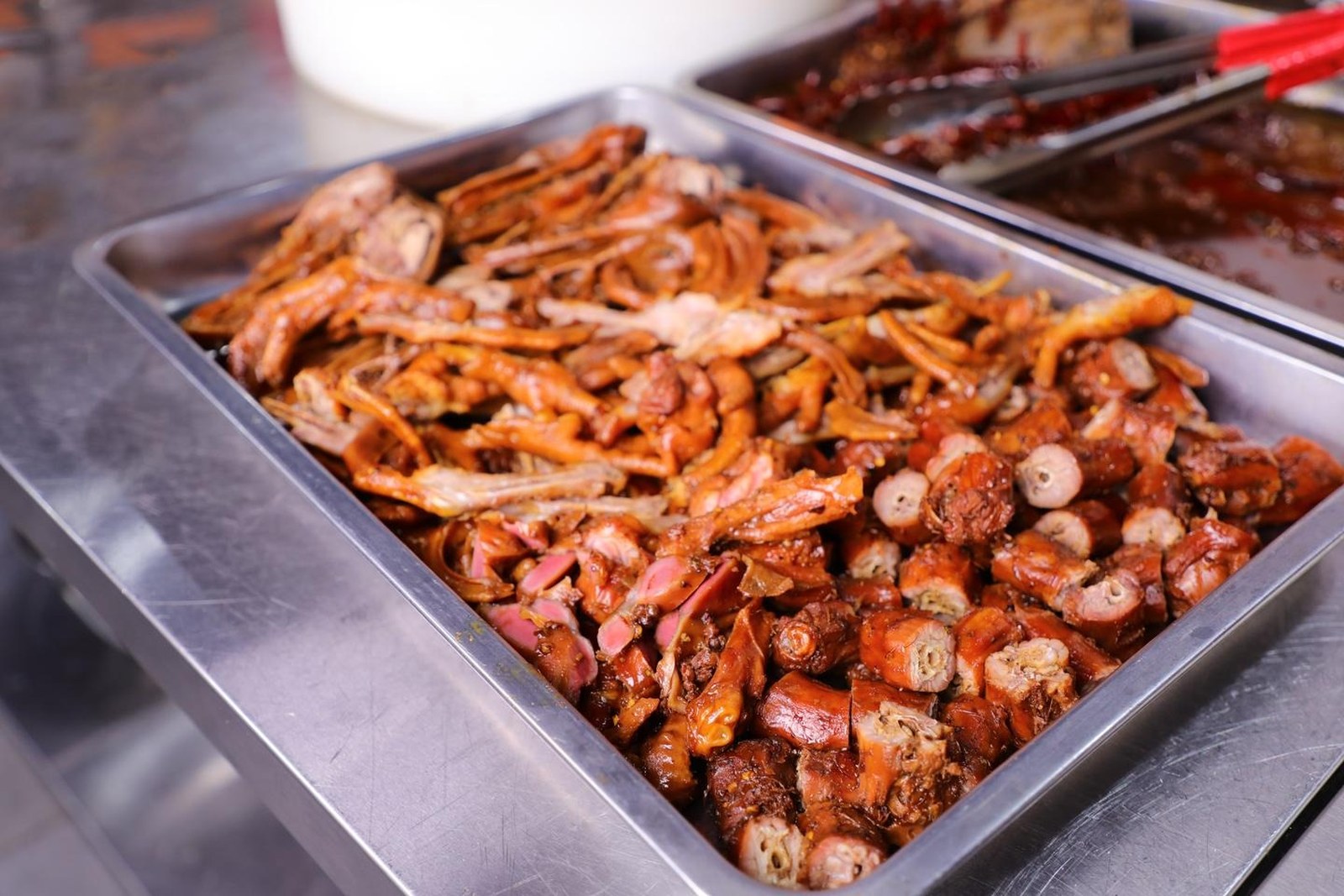
The eating habit is the thing to explain first, because rabbit is not an occasional meat here. A district that eats rabbit daily is running a supply chain – local cage and farm rabbit, a slaughtering and dressing trade, and a retail counter format that sells the cold cuts by the half-rabbit the way a southern town sells roast duck – and Bishan’s food literature names the counters as part of the district’s ordinary table rather than as a tourist eat. The cold-cut form is the daily form: the rabbit is braised in a spiced master liquor, cooled, chopped through the bone and boxed with a splash of the liquor and a side of chilli oil, and the meat is lean to the point of austerity, which is exactly why the master liquor and the chilli oil carry it. Tang rabbit is the name the locals queue for, and the queue is the review the page can actually cite.
The hot-kitchen forms are the other half of the dozen. 红烧兔 braises the joints dark with soy, ginger and spice until the lean meat loosens; 酸汤兔 runs the same meat through a pickled-pepper and vinegar broth that cuts the leanness with sour heat; 火锅兔 puts the cuts into a chilli broth to be cooked at the table like any hotpot meat; and 炒兔丝 juliennes the loin for a fast wok toss with scallion and pepper – four grammar-proof formats, each solving the same problem, which is that rabbit has no fat to forgive a heavy hand. A county that has kept the habit this long has standardised the solution: quick cooking, strong liquor, and a bowl of oil alongside, and the dozen names are variations on that single discipline. The page does not rank them because the record does not; it lists them because the dozen-ways claim is literally the district’s own description.
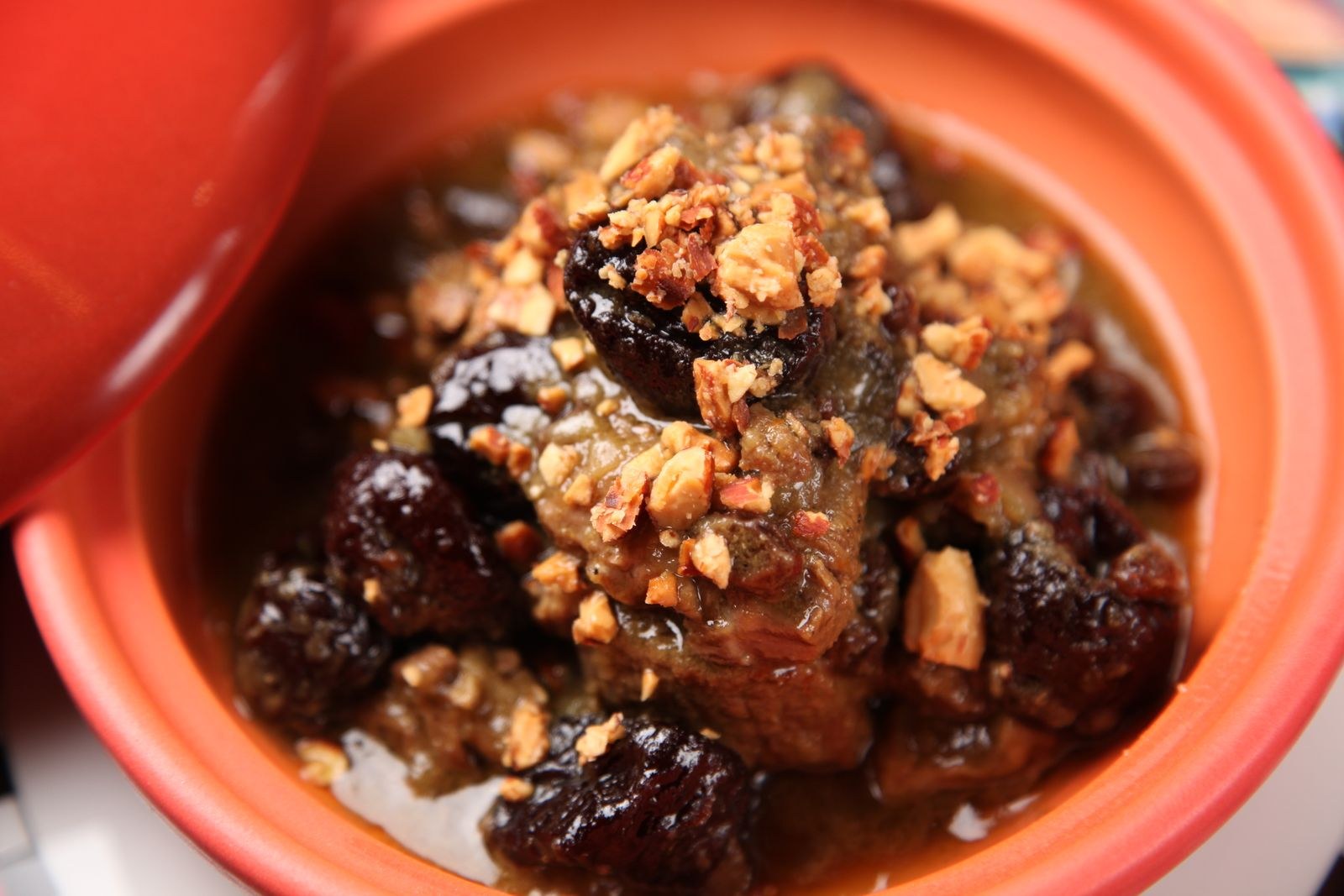
What the visitor acts on is the counter, not the menu. The cold-cut shops open for the meal-day trade and the queues are at lunch and supper, the box travels well – rabbit cold cuts are a take-home food the way pressed duck is – and the hot-kitchen versions are cooked to order in the ordinary district restaurants rather than in specialist houses, which is the point: this is a county table habit, not a restaurant destination. A reader should buy the cold cuts by weight, take the chilli oil, and treat the braised or sour-soup versions as the sit-down form of the same animal. The honest frame is that no founding dates, no chain names and no famous-counter address survive in the record consulted, and the page declines to invent them; what the district actually claims is the dozen formats and the daily queue, and both are checkable at any meal-time counter in the county town.
The rabbit habit also explains what the district’s food list is doing. Between the fish, the rabbit and the eight-bowl banquet, Bishan’s signature foods are almost all formats rather than recipes – repeatable structures a hundred kitchens can run – which is the food culture of a road county rather than of a restaurant city. A road county feeds strangers at speed, so its dishes standardise into formats a carter can order without a menu and a cook can run without a signature; the rabbit counters are that logic in its purest surviving form. All checked October 2026.
Words and Names
璧山兔 Bìshān tù, the Bishan rabbit, the district’s rabbit-eating format in 璧山区 Bìshān Qū, Bishan District: the cold-cut counter names 唐兔 Táng tù Tang rabbit, 财兔, 玉兔 and 板兔 pressed rabbit, and the kitchen formats 红烧兔 braised rabbit, 酸汤兔 sour-soup rabbit, 火锅兔 rabbit hotpot and 炒兔丝 shredded rabbit stir-fry. The meat is lean and carries no fat cover, so the formats run on strong master liquors, quick cooking and chilli oil alongside; the cold cuts are sold by weight in boxed portions and the daily queues at the counters are the habit’s local proof. No founding dates, chain names or single famous-counter address are on the public record consulted, and none is invented here. The district’s food list also names 璧山面, the local noodle, which has no surviving old-shop record and appears on this page only as that mention.
What the Locals Know
The local knowledge is about buying, not cooking. The cold cuts are chopped through the bone by machine and hand at the counter, which means the purchase is timed to the queue – a rabbit chopped ten minutes before you eat it eats better than one chopped an hour before, and the locals buy at meal times precisely because that is when the stock turns. The chilli oil that comes with the box is the dressing, not a condiment: the lean meat wants it, and a buyer who skips it eats a plainer rabbit than the counter intends. For the kitchen formats, the local ordering wisdom is the sour soup for summer and the braised or hotpot forms for winter, and the shredded stir-fry is the test of a kitchen, because the loin dries in seconds and a good wok hand keeps it silk. What the record does not carry is any ranking among the counter names, so the page leaves the choice to the queue in front of you – the line is the ranking, and it re-forms every day.
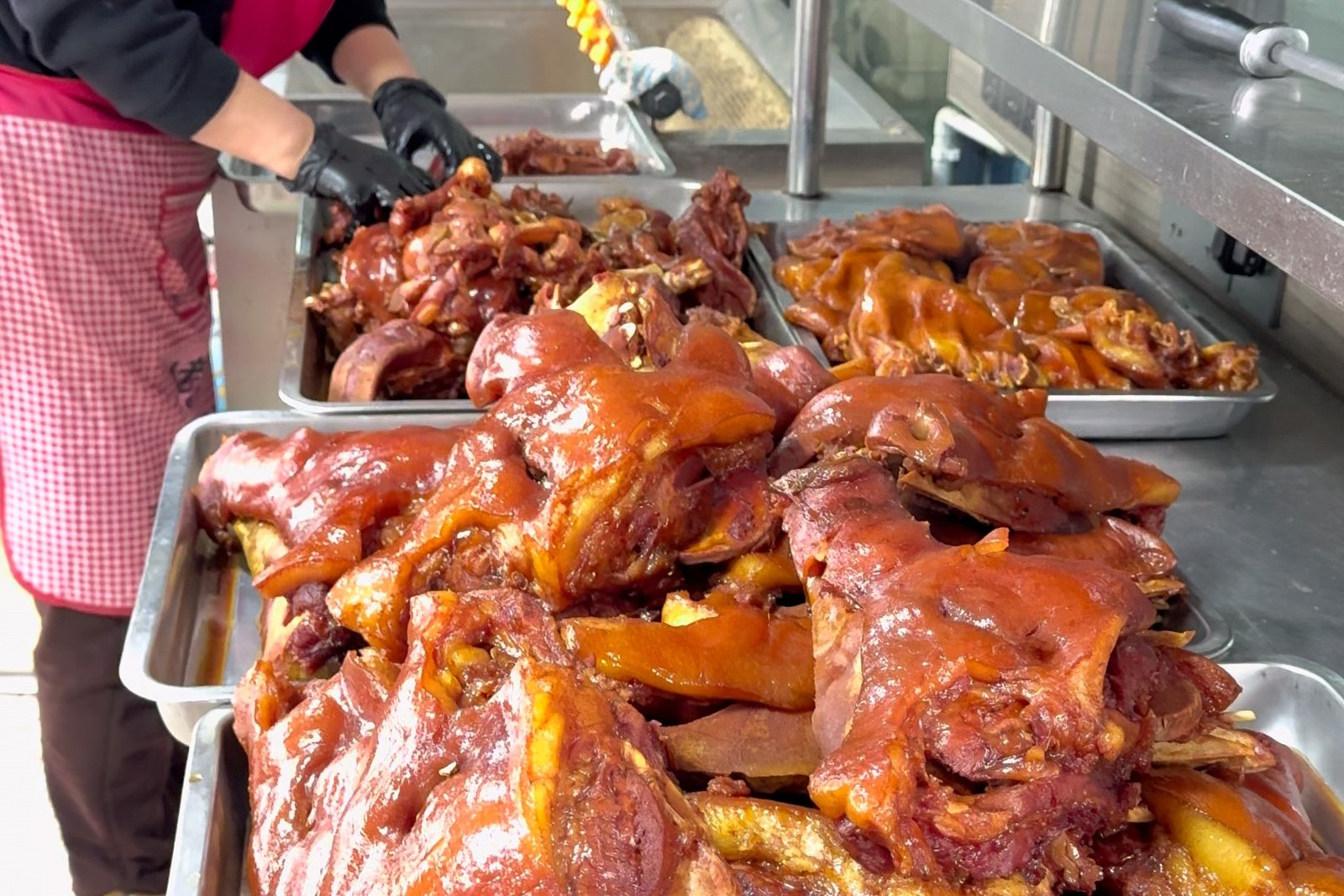
flowcloud would say that the Bishan rabbit is a counter-and-kitchen format rather than one dish – 唐兔 and the other cold-cut names sold by weight at meal-time queues, and the kitchen dozen of braised, sour-soup, hotpot and shredded rabbit – and that the correct way to treat it is as a county’s daily meat habit in 璧山区 Bishan District, a road-county food culture that standardises into formats, with no founding dates or famous single counter on the record and none invented. All checked October 2026.
Where to find it: the rabbit counters are a county-town retail format across 璧山区 Bìshān Qū, Bishan District, concentrated in the old county town’s food streets, sold by weight in boxed cold cuts with chilli oil, and the kitchen versions are cooked to order in ordinary district restaurants; no specific counter address, opening hour or posted price was found in the sources consulted and none is invented here. The district’s own food literature names the rabbit second after the fish, and a food-day in the county town runs fish for lunch and a boxed rabbit for the road. Pair this page with the eight-bowl banquet page for the county’s feast format and the Laifeng fish page for the dish that heads the list.