
Biyun Road Eats: The Expat Community’s United-Nations Eating Street, Japanese Kitchens and Western Bakeries in the Jinqiao International Neighborhood of Pudong New Area, Shanghai
碧云社区多异客,一条食街五洲香。Bìyún shèqū duō yì kè, yī tiáo shíjiē wǔzhōu xiāng – In the Biyun neighborhood the neighbours come from everywhere; one eating street carries the fragrance of five continents.
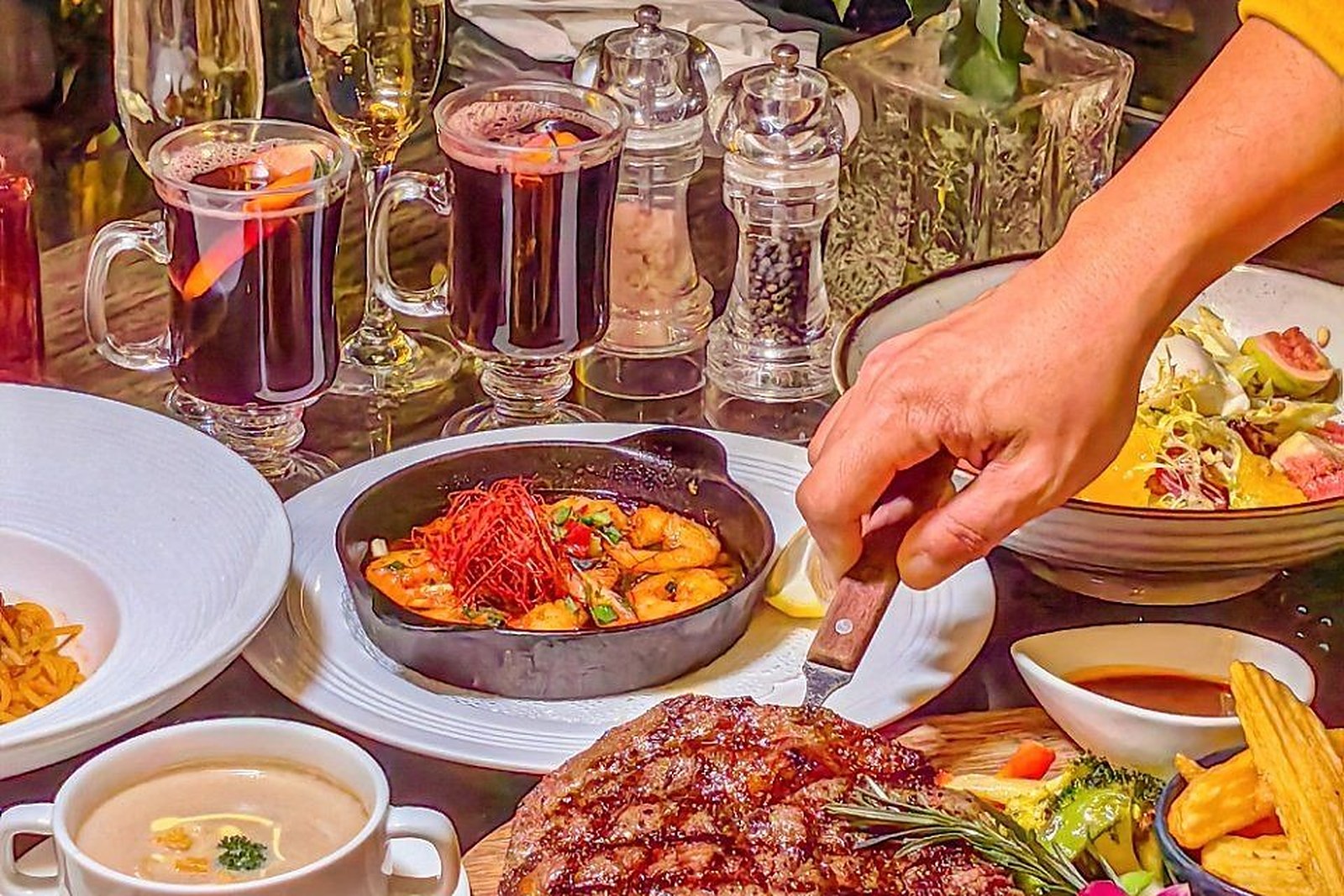
碧云路国际餐饮街 Bìyún Lù guójì cānyǐn jiē Biyun Road international eating street is the community food trade of the 金桥 Jīnqiáo Jinqiao area’s 碧云国际社区 Bìyún guójì shèqū Biyun international community in 浦东新区 Pǔdōng Xīn Qū Pudong New Area, Shanghai – the planned neighbourhood built around the Jinqiao export zone’s foreign staff, where the street runs to its own register: 日料 Rìliào Japanese kitchens from ramen counters to omakase rooms, 西餐 Xīcān Western dining from trattoria tables to burger porches, 面包房 miànbāofáng bakeries that sell the loaves the community actually eats, and the groceries and coffee windows between them – a 万国食街 wànguó shíjiē united-nations eating street where the flags are menus (worth confirming the details – which kitchen holds which frontage turns over with the community’s leases and school calendars, and the specific doors are best confirmed on the street rather than recited). What distinguishes the street is that it is not a destination strip: it cooks first for the 外籍家庭 wàijí jiātíng foreign families who live above and beside it – stroller fleets on the pavements, dogs on the afternoon walk, school-run bicycles at three-thirty – and the tourist is an afterthought the street never learned to court. The clientele is the community’s own arithmetic: weekday dinners the residents, weekend brunches the families, holiday weeks the street empties when the community flies home. The blunt definition: a neighbourhood that feeds itself in five tongues – the taste of Pudong eaten at the community’s own pace.
Call it honestly: community money on a school clock. Getting there is one door: 地铁9号线 dìtiě jiǔ hào xiàn Metro Line 9 toward the 蓝天路 Lántiān Lù Lantian Road area is the nearest rail reach, and the last stretch into the Biyun blocks runs by bus, short ride or a shaded walk through the neighbourhood lanes (worth confirming the details for the station-to-street connection, the approaches running quiet the way the community itself does). A bakery loaf or a coffee prices at street-snack-to-casual money, a Japanese counter lunch at casual-neighbourhood money, a Western table dinner at mid-range money – though exact figures are worth confirming the details on rather than quoting, the kitchens pricing for residents who eat here weekly, not once (worth confirming the details – which kitchens run lunch sets for the community’s own schedules, the boards changing with the school terms). The crowds run to the school calendar: weekday evenings fill the Japanese counters and Western tables with the neighbourhood’s regulars, weekend brunches stack the family tables through noon, and a weekday mid-afternoon, when the school run clears and the bakeries put out the second bake, is the eater’s own hour (worth confirming the details for individual kitchens’ hours, which follow the community’s rhythms more than any posted sign).
The honest star is the community ecology itself, graded street by street. What gets oversold is the “world food boulevard” framing: guides sell a themed international strip of nations on parade, and a first-timer may meet an ordinary leafy neighbourhood street of small kitchens, bakery fronts and playground noise – which is not the disappointment but the point. What repays the effort is grading the ecology the way the community does: a bakery judged by whether the loaves are pulled before the school run rather than stacked from yesterday, a Japanese counter judged by whether the regulars sit alone at the bar reading, a Western table judged by whether the porch fills with strollers at brunch and empties politely at nap time. The test costs nothing: buy the bread first, eat where the dog-walkers queue, and check whether the menu is priced for someone who will eat there again next week – a street that cooks for its own residents grades its kitchens weekly, and the school-run queue is the certificate (worth confirming the details – the doors migrate with the leases, and today’s plainest bakery may be next season’s remembered one).
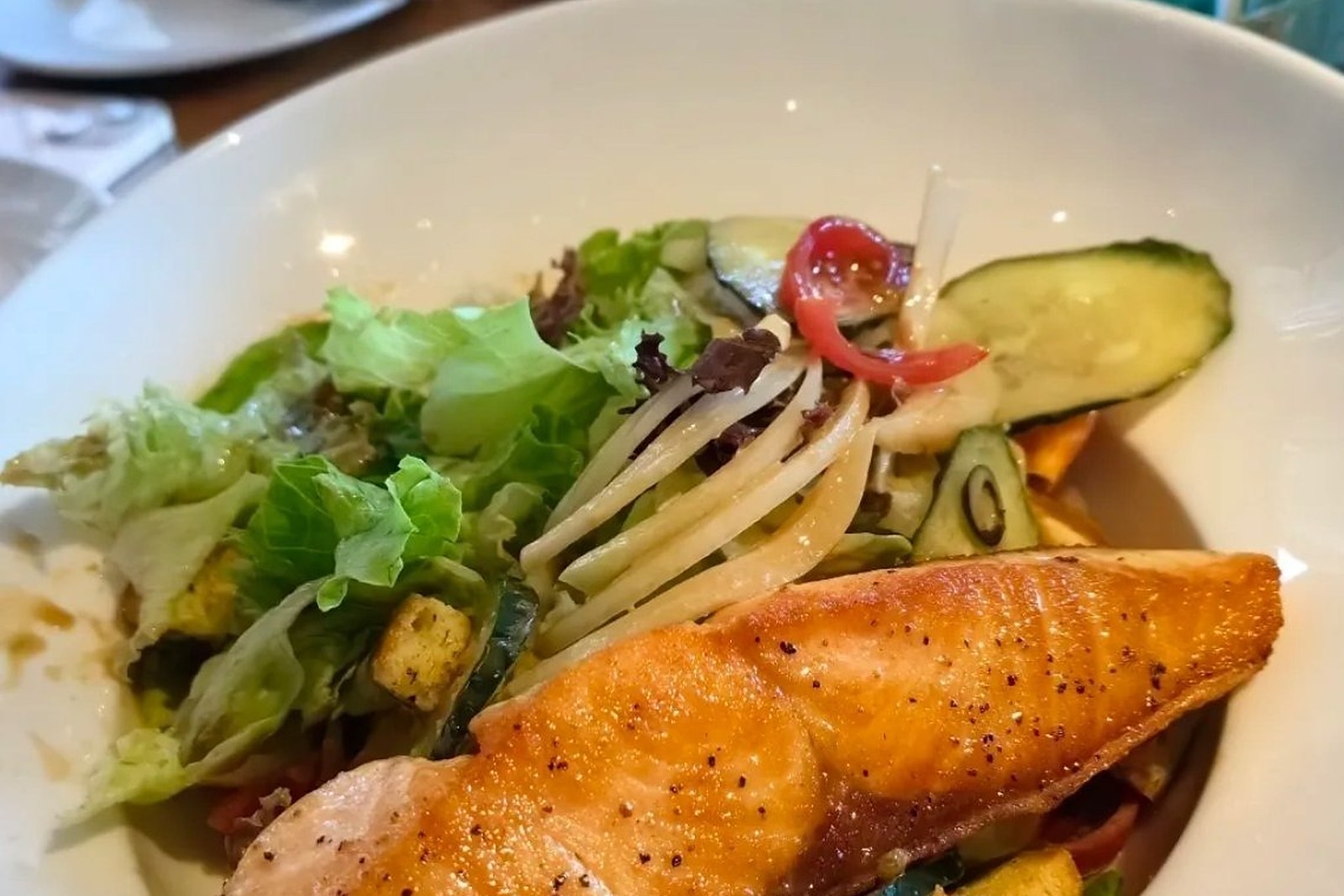
The community’s deepest habit is the week itself as a menu: Monday’s ramen counter because it is Monday, the bakery loop before Saturday’s football, the Western porch table on Sunday brunch – rhythms so fixed the kitchens roster their staff around them, and the street reads less like a dining district than like one large family kitchen with several doors. Time it right – a weekday evening, the school run settled – and the habit explains the street better than any guidebook page: the export zone built the community, and the community built an appetite the street had to learn to cook in five tongues (worth confirming the details – which kitchens keep full weeklong hours during the holiday exodus, the trade thinning when the community flies home and thickening again with the school terms).
The rest of this Pudong list keeps other tables: the root-kitchen banquets of 三林本帮菜 Sānlín běnbāng cài Sanlin benbang cooking simmer a metro ride south at Sanlin, the flaky-pastry ovens of 高桥松饼 Gāoqiáo sōngbǐng Gaoqiao songbing bake at the river mouth, the canal snack line of 新场古镇小吃 Xīnchǎng gǔzhèn xiǎochī Xinchang Old Town snacks steams down the Line 16 reach, and the tower registers of 陆家嘴商圈餐饮 Lújiāzuǐ shāngquān cānyǐn Lujiazui mall and river-view dining stack the skyline to the south-west – one district, four more tables, all inside 浦东新区 Pǔdōng Xīn Qū Pudong New Area; and when the community evening needs a bed in the neighbourhood or a route onward, the stay-and-street notes for the district pick up where the bakery loaves leave off.
Words and Names
What the Locals Know
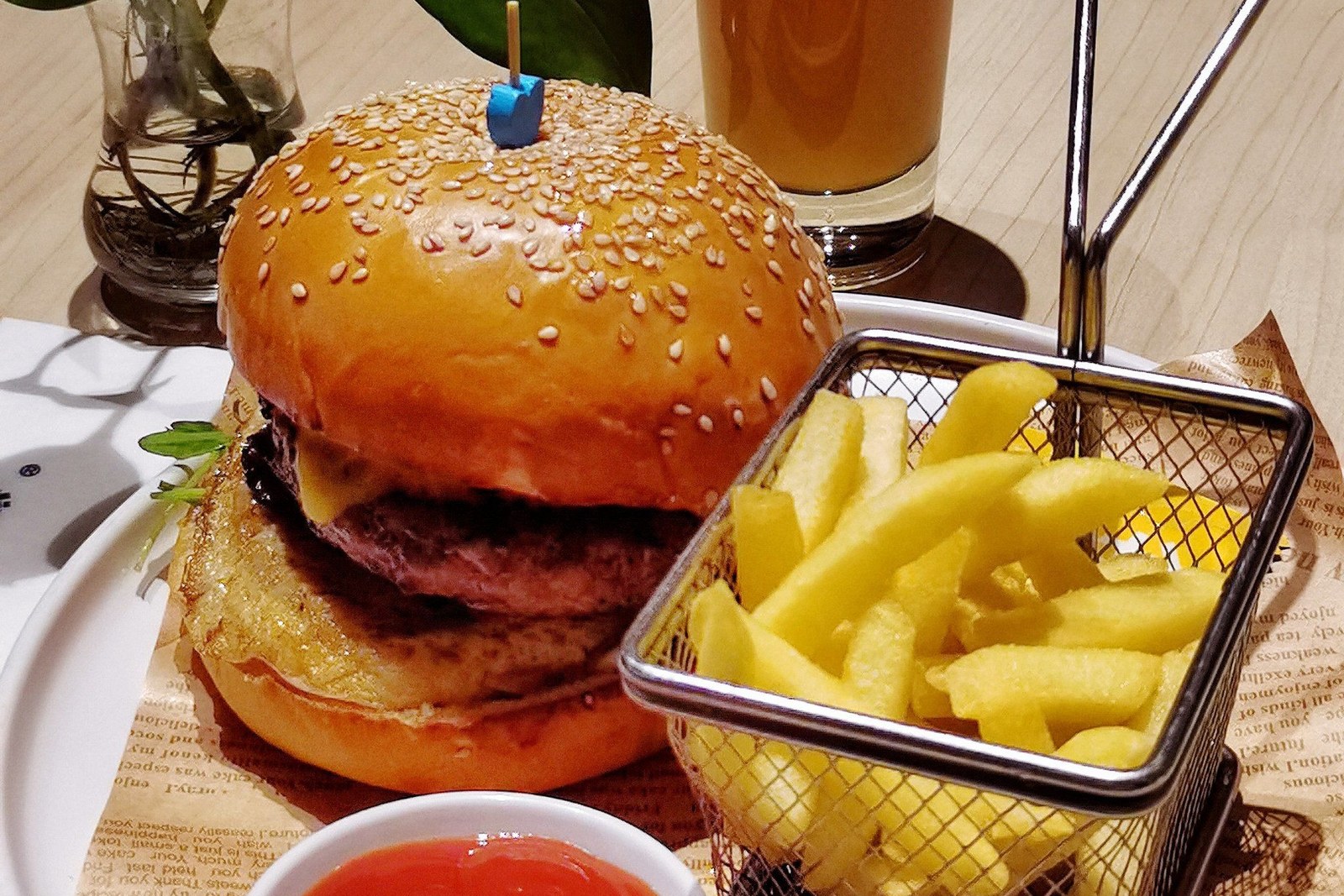
flowcloud would say that the 碧云路国际餐饮街 Bìyún Lù guójì cānyǐn jiē is the expat community’s own eating ecology of Pudong New Area, Shanghai – a 社区食街 shèqū shíjiē community eating-street discipline where the Japanese counters and Western porches answer the stroller fleets and the school-run bicycles of the 金桥 Jīnqiáo Jinqiao international blocks – and that the honest move is to buy the bread first, eat where the dog-walkers queue, and let the weekly regulars cast the vote, because the export zone built the community and the community built the street. All checked October 2026.
Where to find it: 浦东新区 Pǔdōng Xīn Qū Pudong New Area, Shanghai – the community eating belt of 碧云路国际餐饮街 Bìyún Lù guójì cānyǐn jiē Biyun Road through the 碧云国际社区 Bìyún guójì shèqū Biyun international community in the 金桥 Jīnqiáo Jinqiao area, where the 日料 Rìliào Japanese kitchens, 西餐 Xīcān Western dining rooms and 面包房 miànbāofáng bakeries keep the 万国食街 wànguó shíjiē united-nations register for the 外籍家庭 wàijí jiātíng foreign families who live beside it, reached from the 蓝天路 Lántiān Lù area on Metro Line 9 and the short connecting walk or ride into the neighbourhood blocks, where the street keeps the school clock – weekday evenings the residents’ regular tables, weekend brunches the family tide, holiday weeks the emptied street (worth confirming the details – which kitchen and which bakery hold which frontage today, community doors turning over with the leases); casual to mid-range money by the register, so call it worth confirming the details rather than a fixed number, and let the school-run bakery queue cast the vote. Biyun Road eats is the expat community’s united-nations eating street, Japanese kitchens and Western bakeries in the Jinqiao international neighborhood of Pudong New Area, Shanghai – the taste of 浦东新区 Pǔdōng Xīn Qū Pudong New Area eaten at the community’s own weekly rhythm. All checked October 2026.