
Nothing but Lamb and Time: The Clear-Broth Table
清水一锅见真心,羊肉自有草原香 Qīngshuǐ yī guō jiàn zhēnxīn, yángròu zì yǒu cǎoyuán xiāng – A single pot of clear water shows the honest heart; good mutton carries the grassland’s own fragrance
正文:清炖羊肉 Qīngdùn Yángròu boiled mutton is the dish a herder family serves when it wants to prove something – that the lamb is so clean, so grass-fed and so fresh, it needs nothing between the animal and the pot. Around 双河市 Shuānghé Shì Shuanghe City the Bortala’s steppe lambs meet a simple fate: big cuts into cold water, a rolling skim, then nothing but salt at the table, ginger and scallion maybe, until the broth runs pale gold and the meat slips off the bone in sheets that taste of the pasture they were raised on.
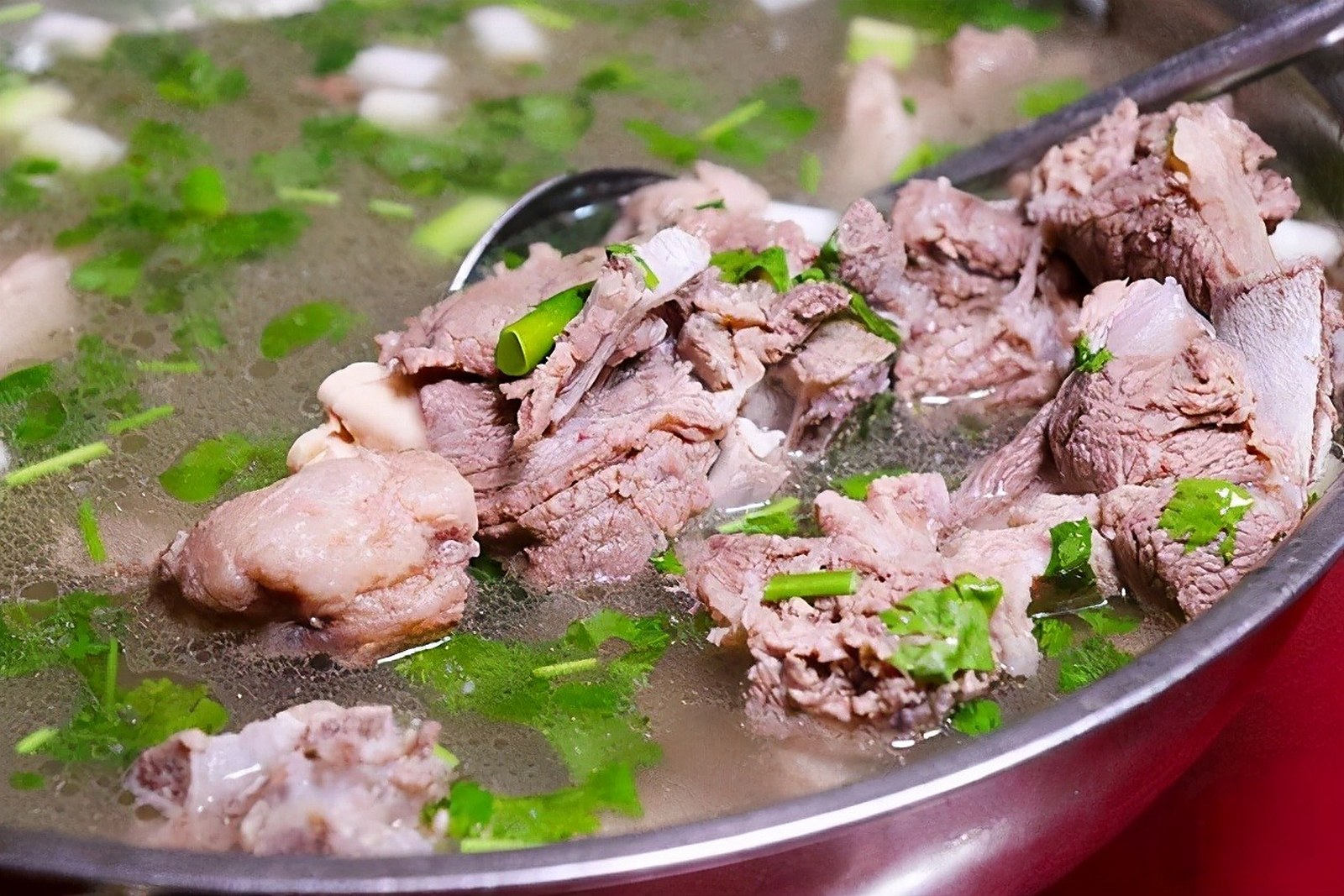
The discipline is the recipe. Everything depends on the skim: the pot boils hard just long enough to throw its grey scum, then drops to a murmur that never quite stops, so the broth stays clear instead of clouding. No soy, no spices that color the soup, no lid clatter – the whole craft is removing things, timing the salt for the table rather than the pot, and choosing lamb young enough to finish tender within the hour. The dip, when there is one, stays on the side: cumin salt, chili oil, or the raw garlic cloves the north insists on.
The table that gathers around it is the dish’s real setting. A whole pot sits center, the broth goes to bowls first – a pinch of scallion, maybe cilantro – and the meat follows on platters to be picked apart by hand. Bread or the region’s flat naan rides along, the milk tea pours, and the meal runs long, the way cold-country dinners do. In winter the pot steams the whole room; in summer the same dish moves to a courtyard and cools the broth slightly for drinking like a soup course.
Where the lamb comes from decides everything. The Bortala’s flocks graze open steppe and salt-plain scrub, and the meat carries that range – clean fat, no muttony edge, a sweetness under the flavor that only young animals on real pasture ever show. Locals read a boiled-mutton house by two things: the clarity of the broth and the smell of the steam. If the steam smells like grass and rain, the kitchen bought right; if the broth clouds, no dip will save the night.
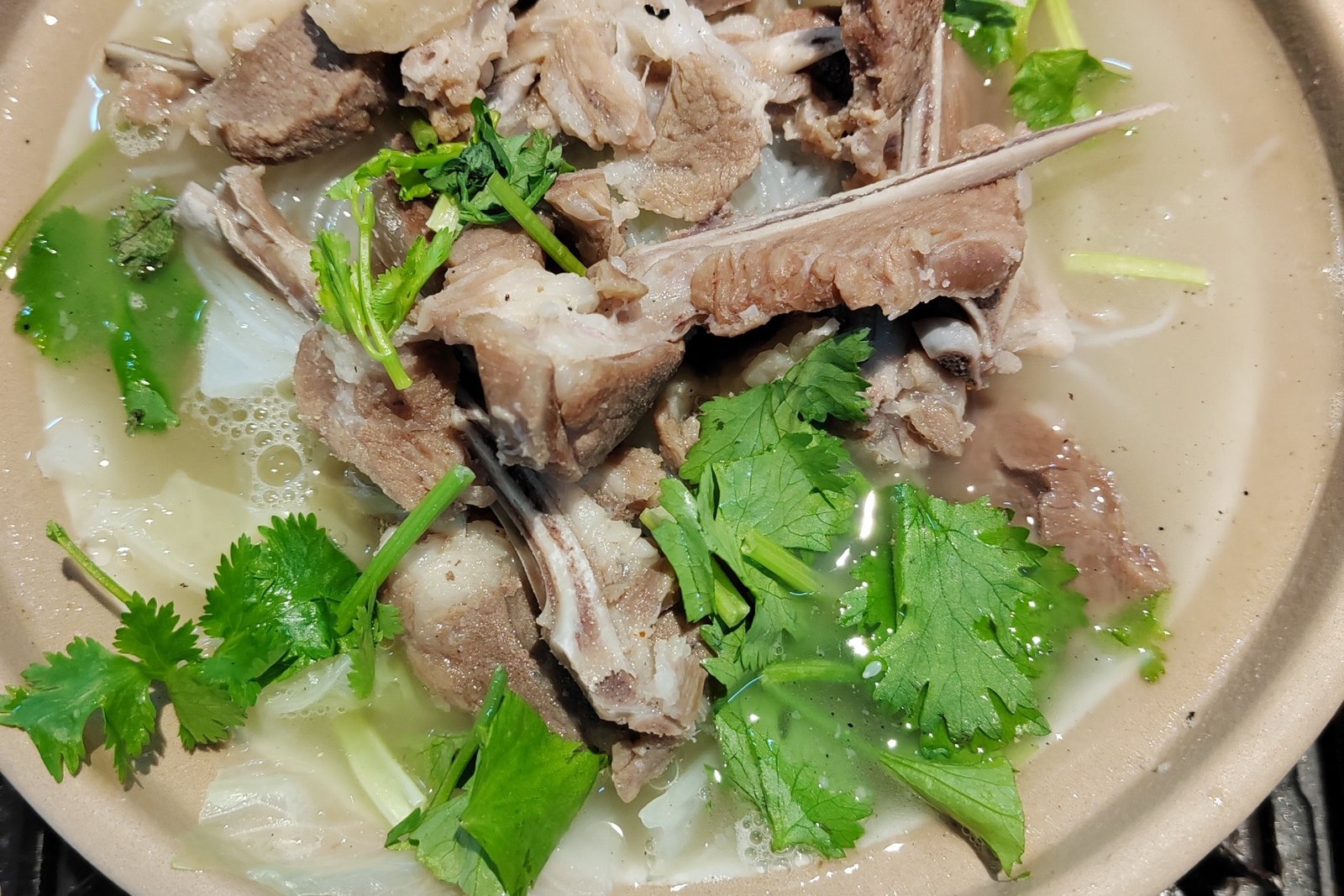
The dish also marks the calendar. Autumn and winter are the season – fat lambs off the summer pasture, the first hard cold, and family tables running the pot every weekend; spring is the lean moon of the larder; summer keeps the tradition alive in the cool of evening courtyards. Around the Bortala the herder-family restaurants serve it year-round, but the first pot after the first frost is the one the towns count by.
Beyond the clear pot, the same 双河市 Shuānghé Shì Shuanghe City holds other flavors: 奶疙瘩 Nǎigēda borts for the sour gold of the steppe larder, 酥油茶 Sūyóuchá butter tea for the salted daily bowl, 拌面 Bànmiàn laghman for the working-lunch engine, and 风干牛肉 Fēnggān Niúròu air-dried beef for the iron-red winter slabs – four more doors into the same 双河市 Shuānghé Shì Shuanghe City. With the broth settled, our Shuanghe travel map fills the day.
Practicalities first. Boiled mutton prices track the lamb’s grade – ordinary restaurant pots to celebration spreads for a full family table; the dish is at its best in cold months and at family-run houses outside the city center. Order by the jin rather than the plate when the party is big, take the broth first while it is hot, and let the meat wait – it holds its heat longer than any soup you have met.
Words and Names
What the Locals Know
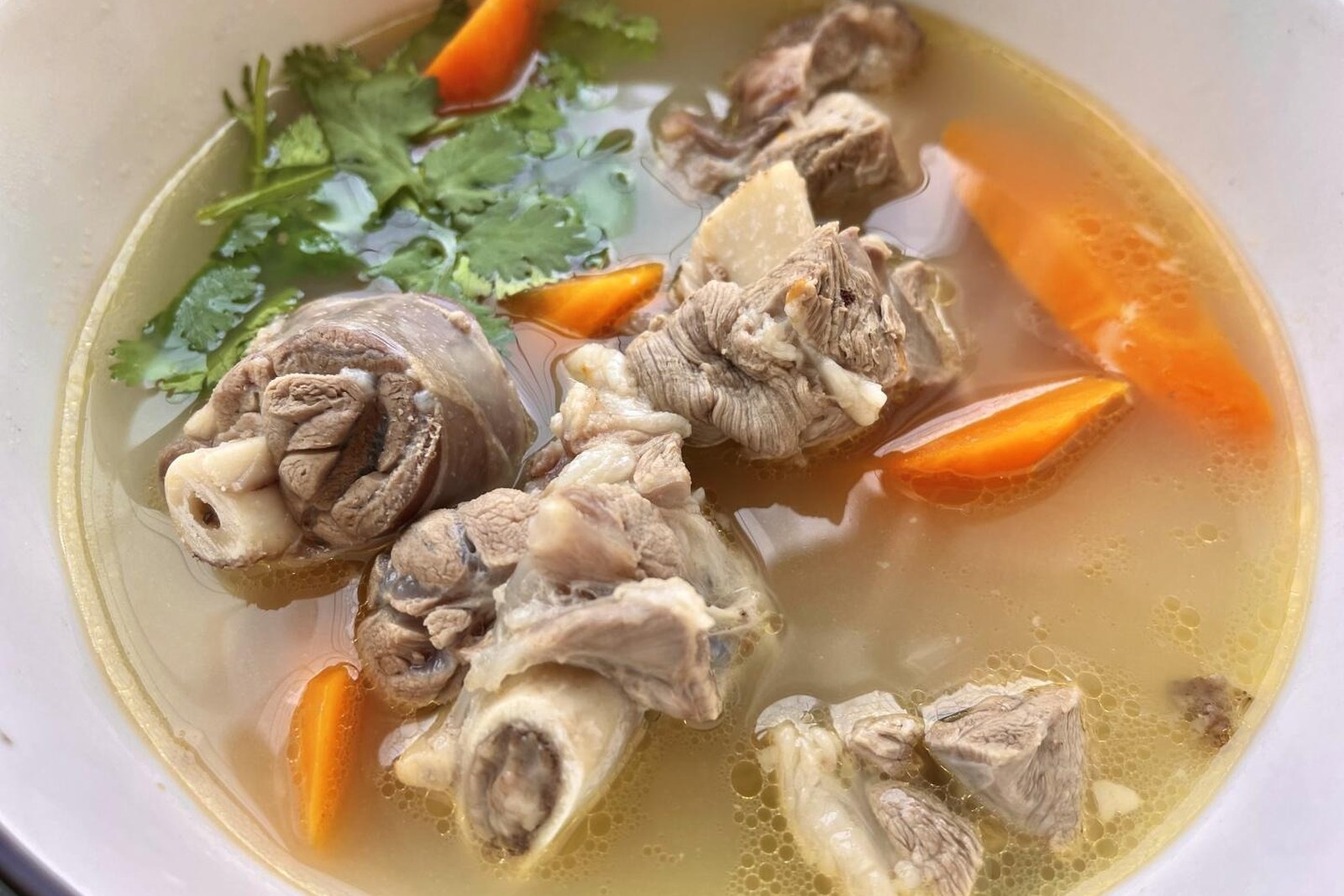
flowcloud would say boiled mutton is the steppe’s final exam for a kitchen: one clear pot, salt at the table, and lamb so sure of itself it needs no disguise – the simplest hard dish on the frontier, and the best reason to be hungry there in winter. All checked November 2026.
Where to find it: Boiled mutton centers the tables of herder-family restaurants around 双河市 Shuānghé Shì Shuanghe City in the cold months – judge the broth by its clarity, salt at the table, and finish with the last of the flat bread. All checked November 2026.