
Bomi Honey — the Sweetest Export of the Wettest Valley
百花开遍桃花谷,酿得春光一罐甜 Bǎihuā kāi biàn táohuā gǔ, niàng dé chūnguāng yī guàn tián – A hundred flowers open through the peach-blossom valley; the bees bottle a season of spring, sweet in one jar
波密蜂蜜 Bōmì Fēngmì Bomi is the greenest, wettest corner of the 林芝市 Línzhī Shì Nyingchi region, a valley system where spring runs for months – wild cherry first, then peach, then the meadow and forest bloom climbing the slopes into summer. Beekeepers move their hives up that staircase of flowers, and the honey changes with each stop: light, floral and almost clear from the fruit trees, amber and deeper-toned from the high meadows.
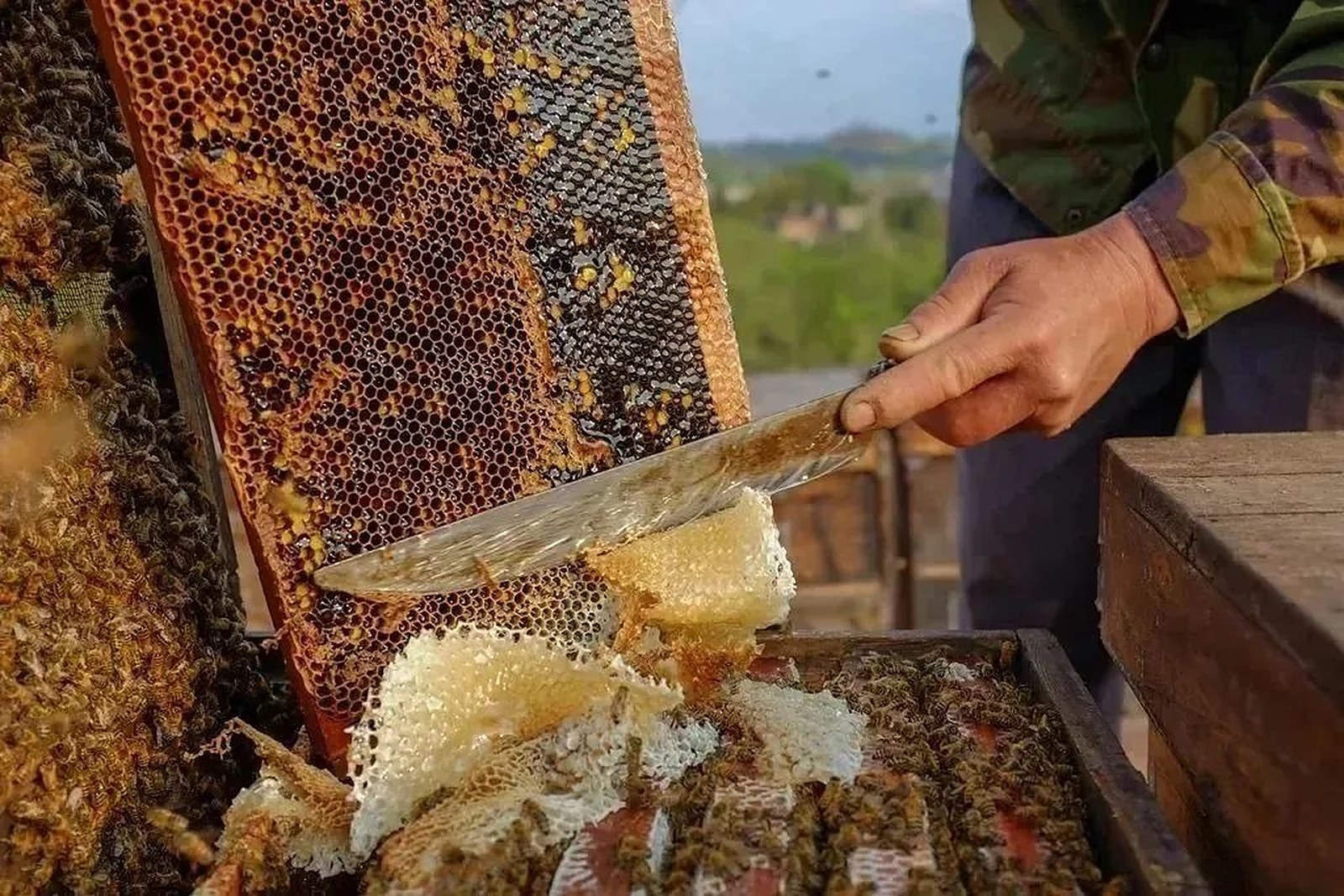
The honey is everyday food here as much as export. Locals stir it into butter tea, spoon it over fried dough at breakfast, take it with warm water on cold mornings, and give jars at festivals the way other regions give tea. Shop counters in 波密县城 Bōmì Xiànchéng Bomi town sell pressed comb honey alongside jarred – look for the labels naming the apiary and the season – and cooperative visits around the county let travelers taste the harvest straight from the extractor.
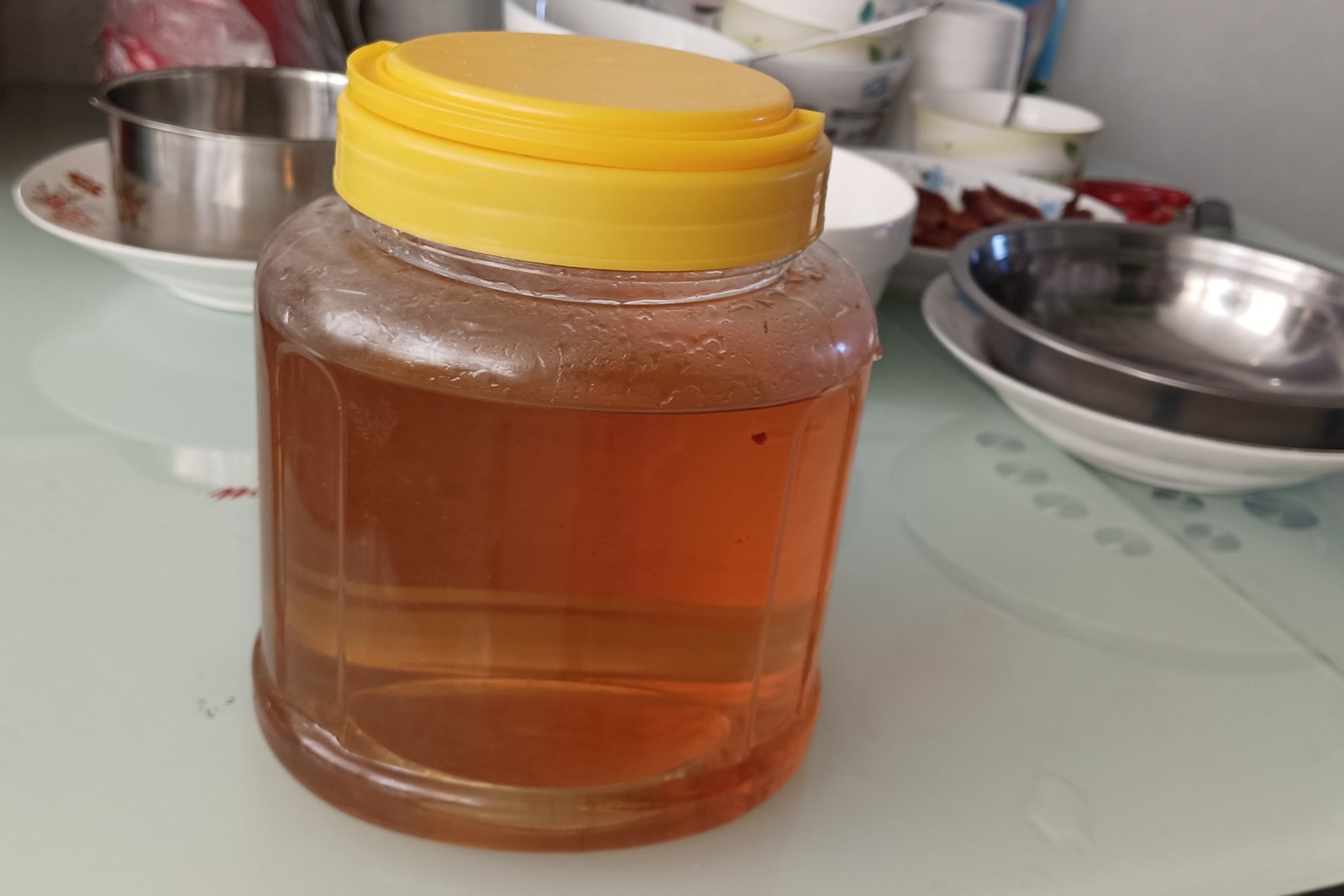
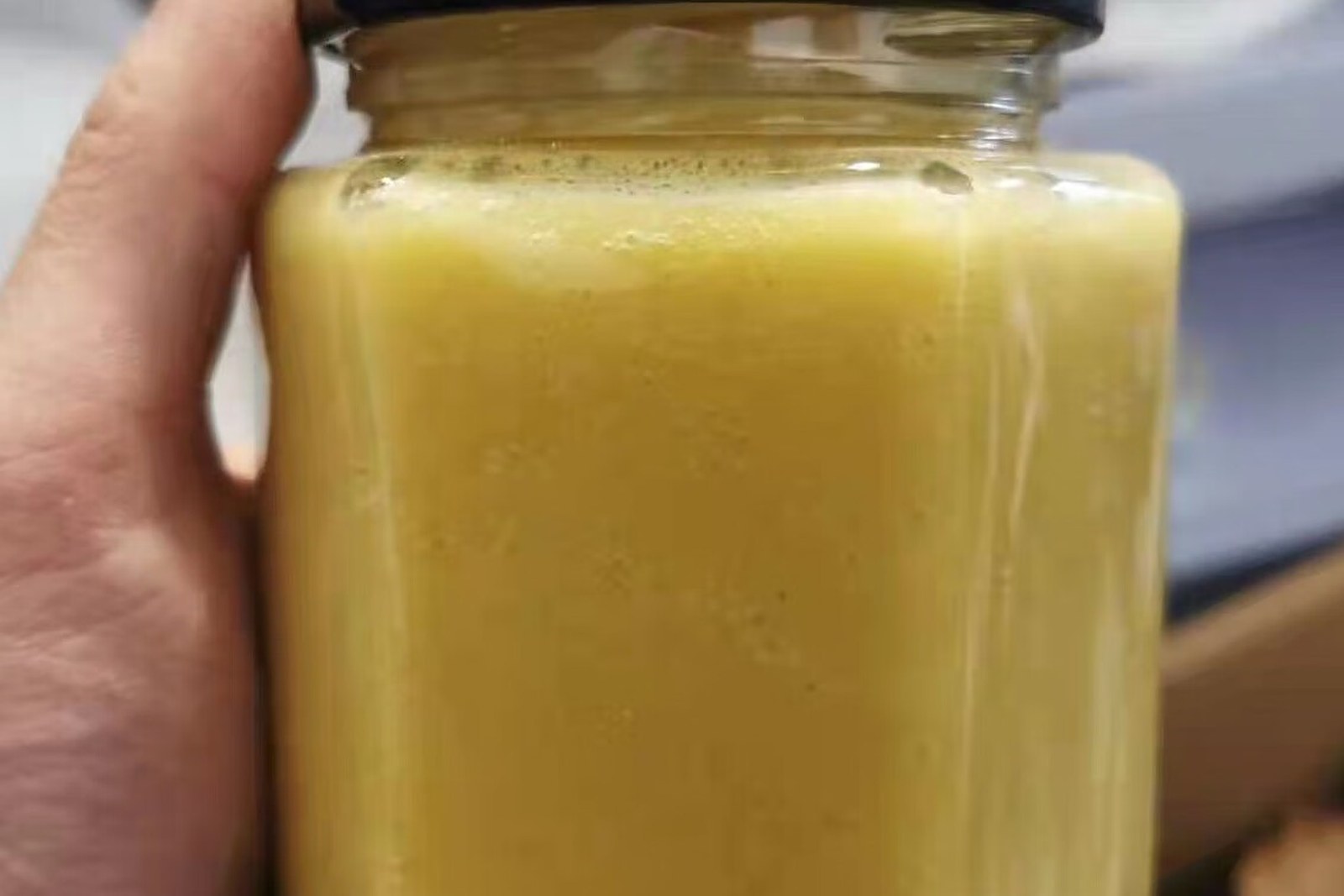
The flavor profile is gentle rather than showy: thin-bodied, aromatic, never cloying, with the wild-flower edge that single-origin highland honey carries. 春蜜 chūnmì spring honey pours like liquid light and wins the gift-buyers; 秋蜜 qiūmì autumn honey, from the last blooms before the rains end, runs thickest and is the connoisseurs’ pick.
Of everything the region sends home with travelers – stone pots, mushrooms, cured pork – honey travels best through airport security and most faithfully in memory: one spoon in winter tea and the green valley of Bomi reopens on the tongue. It is the region’s most portable flavor, a jar from the plateau’s great forest, packed for the road home.
Words and Names
波密蜂蜜 Bōmì Fēngmì Bomi honey, the blossom honey of the wettest valley; 春蜜 chūnmì spring honey, light and floral from valley fruit bloom; 秋蜜 qiūmì autumn honey, amber and thick, the connoisseur’s pick; 巢蜜 cháomì comb honey, pressed and sold beside the jars; 桃花沟 Táohuā Gōu the Peach-Blossom Valley, the county’s great spring pasture for bees. The same 林芝市 Línzhī Shì Nyingchi holds more flavors worth chasing: 鲁朗石锅鸡 Lǔlǎng shíguō jī the stone-pot chicken of the forest sea, 藏香猪 Zàngxiāng Zhū the forest pig of the oak valleys, 墨脱荞麦饼 Mòtuō Qiáomài Bǐng the buckwheat cake of the hidden land, or 青冈菌 Qīnggāng Jùn the wild mushrooms of the monsoon – four more doors into the same Nyingchi table.
What the Locals Know
Ask for the honey by season, not by brand – locals buy spring light for tea and autumn dark for the winter jar. Comb honey means little without the season written down, so keep the label. And a spoon of Bomi honey in butter tea is how the valley has sweetened the plateau’s staple for generations. All checked November 2026.
flowcloud would say Bomi honey is spring bottled by bees – each jar a season of the valley, labeled by bloom instead of date.
Where to find it: Honey shops and farm cooperatives line Bomi town’s main street and the stalls of the weekly market; roadside stands along the blossom villages sell direct from the beekeepers in season. All checked November 2026.