
Salt and Butter in the Bowl: Milk Tea of the Bortala Steppe
一碗奶茶半碗客,盐花轻点客心暖 Yī wǎn nǎichá bàn wǎn kè, yánhuā qīng diǎn kè xīn nuǎn – A bowl of milk tea holds half a guest; a pinch of salt warms the visitor’s heart
正文:酥油茶 Sūyóuchá butter tea – or more accurately the salted milk tea the herders drink all day – is the Bortala grassland’s constant companion, and around 双河市 Shuānghé Shì Shuanghe City the Mongolian and Kazakh tables pour it from morning to night. Brick tea boils long in water, fresh milk goes in by eye, salt corrects it, and a spoon of butter melts across the top; the result is less a drink than a warm, faintly salty broth that keeps the steppe’s people going between real meals.
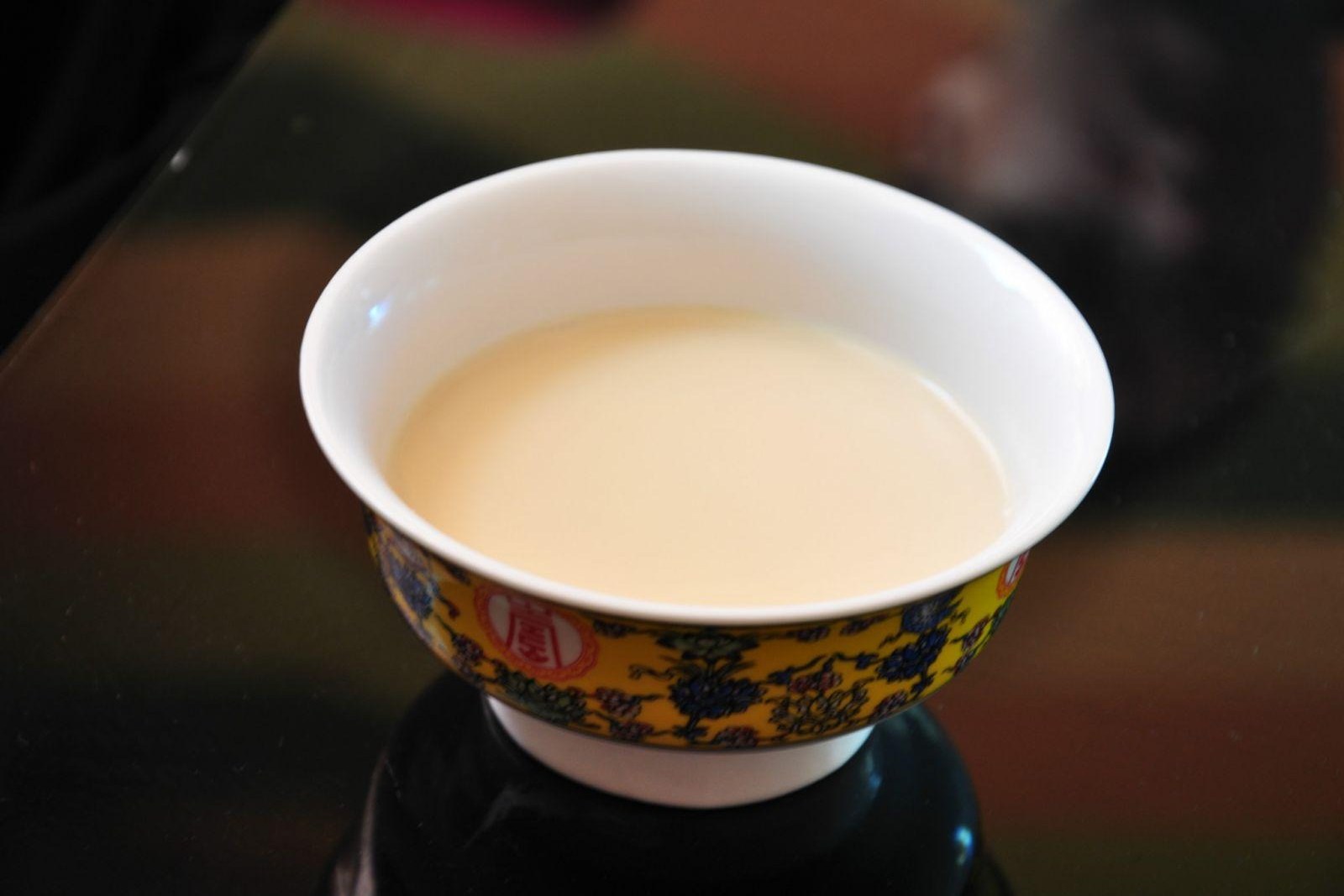
The making looks like ritual and works like chemistry. A churn or a heavy pot blends the strong tea with milk until the color turns camel, the butter – from cow, sheep or yak depending on the herd – swirls in last, and the pot sits by the stove to be refilled all day. Hosts judge a household by its tea: too thin means stinginess, too pale means hurry, and the right bowl is thick enough to hold a pat of butter afloat and rich enough to make bread unnecessary for an hour.
Drinking it has grammar. Guests get the first bowl before any conversation starts; you accept with both hands, drink in slow pulls, and leave some in the bowl so the host can top it up – an empty bowl is a request for more, and refusal before the second filling takes diplomacy. With borts crumbling into the hot tea, or a chunk of fried dough on the side, the same bowl stretches into breakfast without anyone calling it that.
In town the tradition adapts. Breakfast houses around the markets of 双河市 Shuānghé Shì Shuanghe City serve milk tea in bowls with fried dough and fresh curd on the side, herder-family restaurants pour it from thermoses the meal long, and festival tables bring out the decorated churn and the matching porcelain. The taste varies by kitchen – some add a whisper of roasted millet, some stir in a little dried milk skin – and the families of the Bortala grassland argue their versions the way lowlanders argue noodle styles.
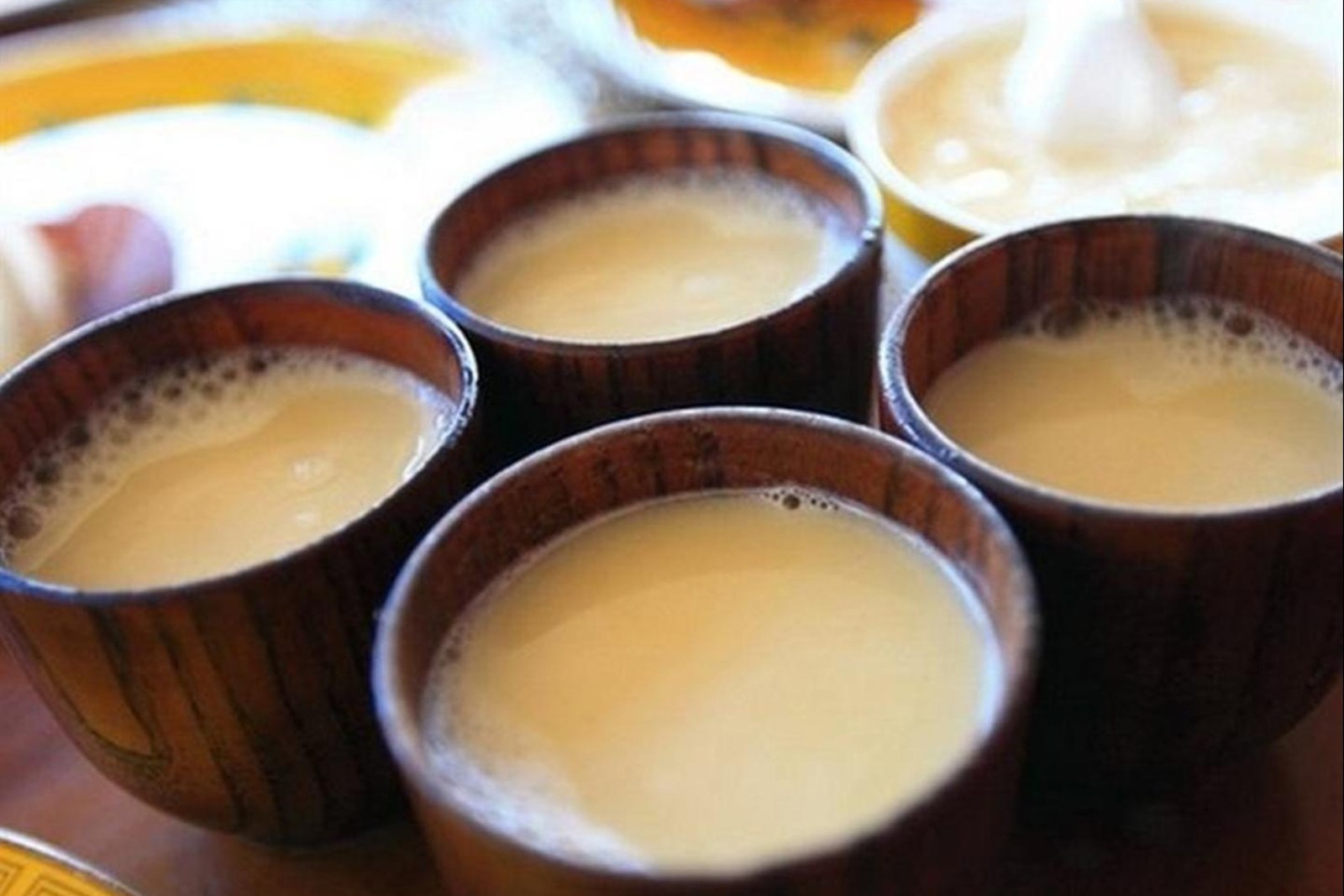
Season turns the tea from comfort to survival gear. Winter mornings start below minus twenty on the grassland, and the first bowl of hot salted tea is the difference between bearing the cold and merely facing it; summer evenings pour it cool from the thermos with the felt tents open to the wind. Either season, the bowl refills until you cover it with a hand – the only polite way to stop.
Beyond the tea bowl, the same 双河市 Shuānghé Shì Shuanghe City holds other flavors: 奶疙瘩 Nǎigēda borts for the sour gold of the steppe larder, 拌面 Bànmiàn laghman for the working-lunch engine, 风干牛肉 Fēnggān Niúròu air-dried beef for the iron-red winter slabs, and 清炖羊肉 Qīngdùn Yángròu boiled mutton for the clear-broth final exam – four more doors into the same 双河市 Shuānghé Shì Shuanghe City. With the tea pot settled, our Shuanghe travel map fills the day.
Practicalities first. Milk tea runs from pocket-change in market breakfast houses to part of a proper herder-family meal; drink it with the local fried dough or fresh borts, and don’t expect sugar – the salt is the point. Order a full pot for the table, let the first bowl be the tester, and add butter only if the household offers; their hand is better calibrated than yours.
Words and Names
What the Locals Know
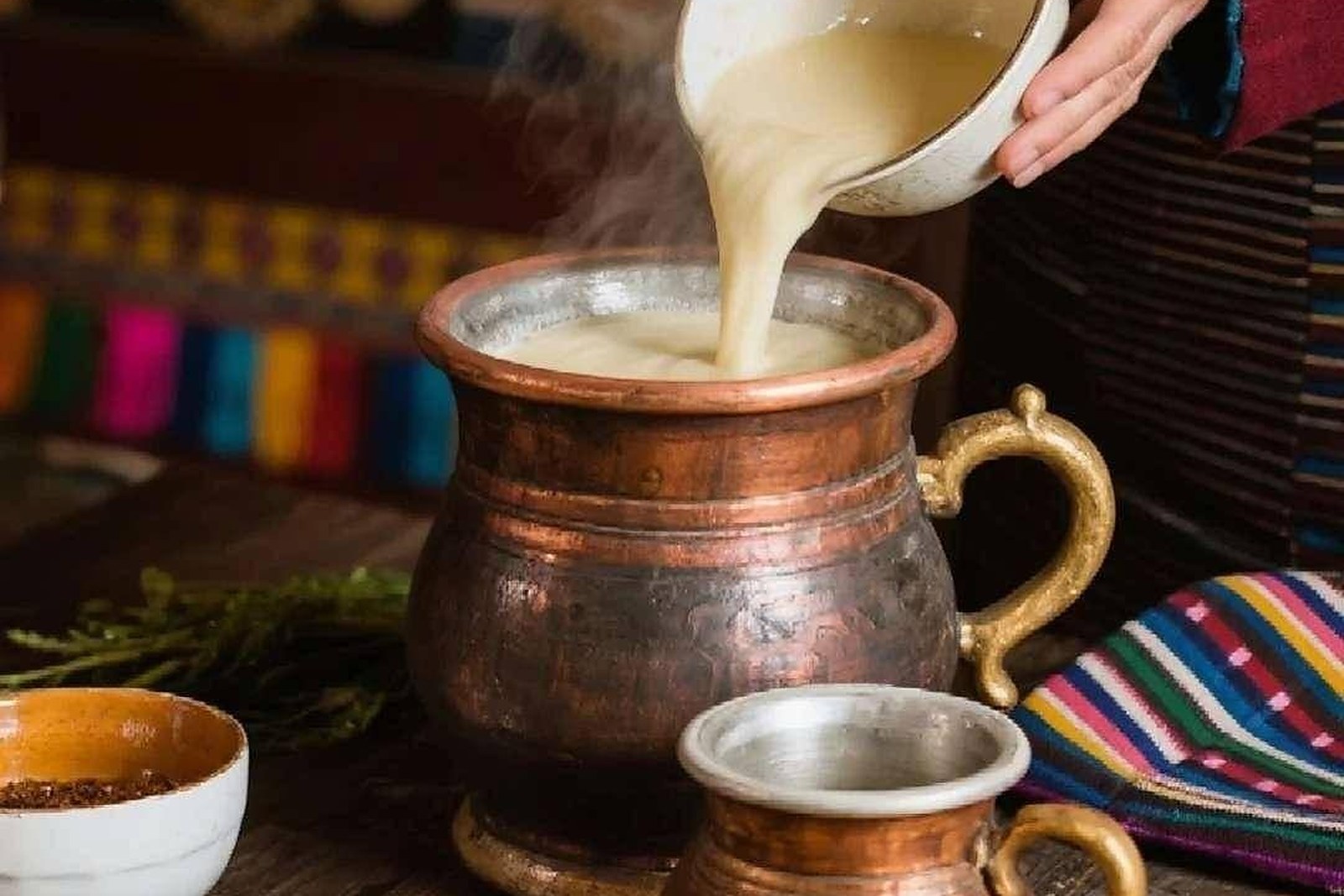
flowcloud would say the milk tea of Bortala is hospitality reduced to chemistry: strong tea, honest milk, salt that tells the truth, and butter floating on top like a small sun – a bowl you accept twice before you realize you have been adopted. All checked November 2026.
Where to find it: Salted milk tea pours all day at the herder-family restaurants and market breakfast houses around 双河市 Shuānghé Shì Shuanghe City – order the pot, take the refills, and crumble in a borts or two the local way. All checked November 2026.