
Caoyang Village Eats: Workers’-Estate Snack Shops, Canteen Traditions and the High-Line Park of Putuo District, Shanghai
新村灯火七十年,街巷寻常滋味长。Xīncūn dēnghuǒ qīshí nián, jiēxiàng xúncháng zīwèi cháng – The workers’ village lamps have burned seventy years; the ordinary lanes keep long their flavours.
曹杨新村食肆 Cáoyáng Xīncūn shísì Caoyang Village eats is the neighbourhood food trade of 曹杨新村 Cáoyáng Xīncūn Caoyang New Village in 普陀区 Pǔtuó Qū Putuo District, Shanghai – the estate begun in 1951 as New China’s first workers’ village, its low red-roofed blocks and plane-tree lanes built to house the model labourers of the mills, and its kitchens ever since have served the people who live behind them: 街坊小吃店 jiēfáng xiǎochīdiàn corner snack shops that have kept the same griddles for decades, the old canteen tradition that fed shift workers now living on in neighbourhood mess halls and family-run tables, and breakfast windows whose 馒头 mántou and 豆浆 dòujiāng run on the estate clock rather than the office one (worth confirming the details – which shop holds which corner turns over slowly, but it does turn). The estate itself has had its second act: 曹杨一村 Cáoyáng Yīcūn Caoyang Village No. 1 restored block by block, and 百禧公园 Bǎixī Gōngyuán Baixi Park, the narrow high-line park built on the old market and railway corridor and opened in 2021, threading the blocks together. The blunt definition: not a food destination but a lived-in estate that cooks for itself – which is precisely the reason to eat here.
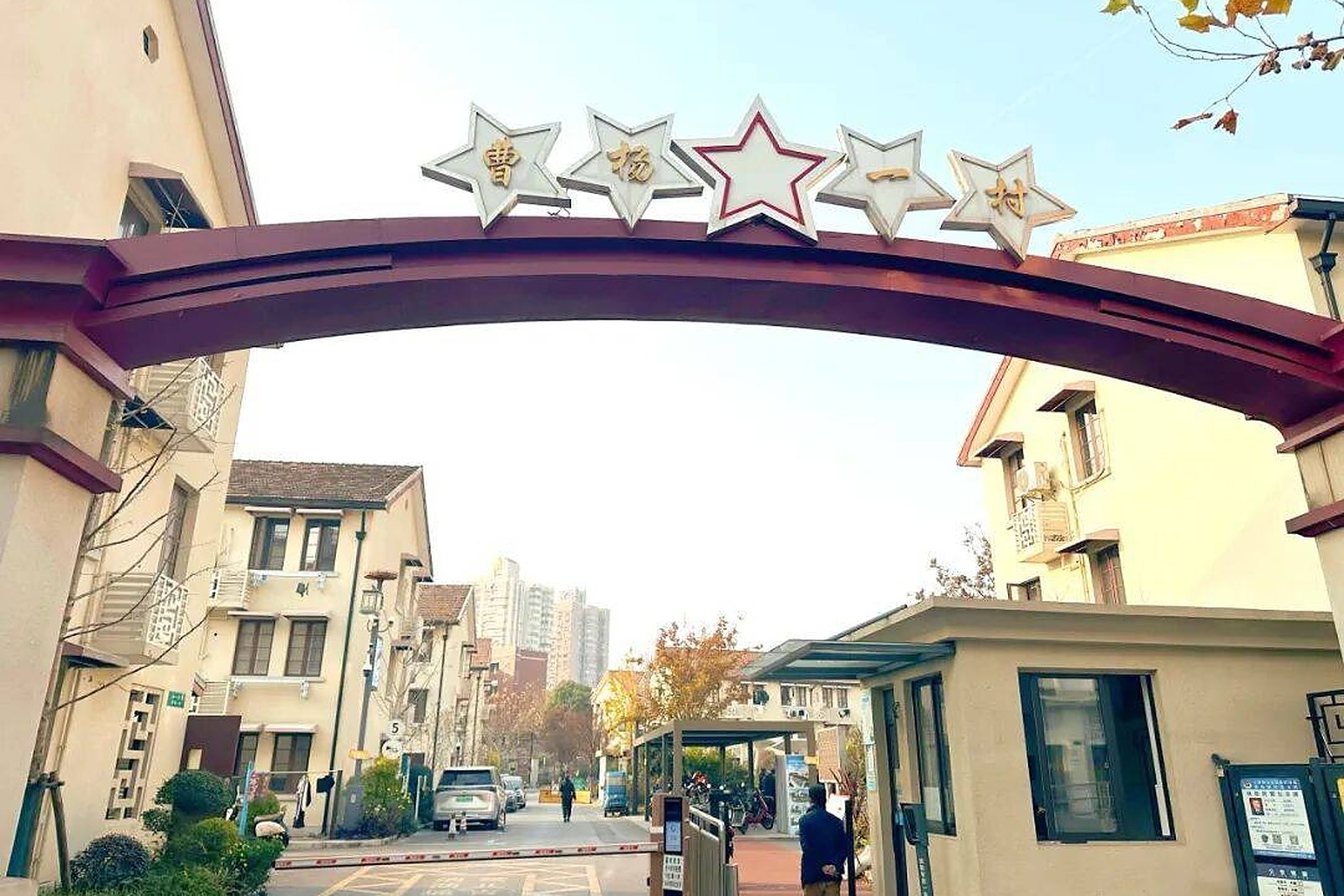
Call it honestly: neighbourhood money on an estate clock. Getting there is a choice of doors: 地铁11号线 dìtiě shíyī hào xiàn Metro Line 11 to 枫桥路站 Fēngqiáo Lù zhàn Fengqiao Road station drops you in the middle of the eating streets, while 地铁3、4、11号线 dìtiě sān sì shíyī hào xiàn Metro Lines 3, 4 and 11 to 曹杨路站 Cáoyáng Lù zhàn Caoyang Road station sets you at the estate’s eastern edge. Breakfast pieces, noodle bowls and canteen plates price at street-snack to casual-neighbourhood money – the lowest arithmetic on this list – though exact figures are worth confirming the details on rather than quoting, the shops being small and the menus chalked. The crowds run to the estate’s two clocks: the morning wave, when the breakfast windows queue before the shift hour, and the early evening, when the blocks come home; a mid-morning weekday, after the breakfast rush and before the school gates open at noon, is the eater’s own hour, and the food streets around 兰溪路 Lánxī Lù Lanxi Road and 枫桥路 Fēngqiáo Lù Fengqiao Road are where the doors concentrate (worth confirming individual shops’ hours, which follow the estate’s rhythms, not the city’s).
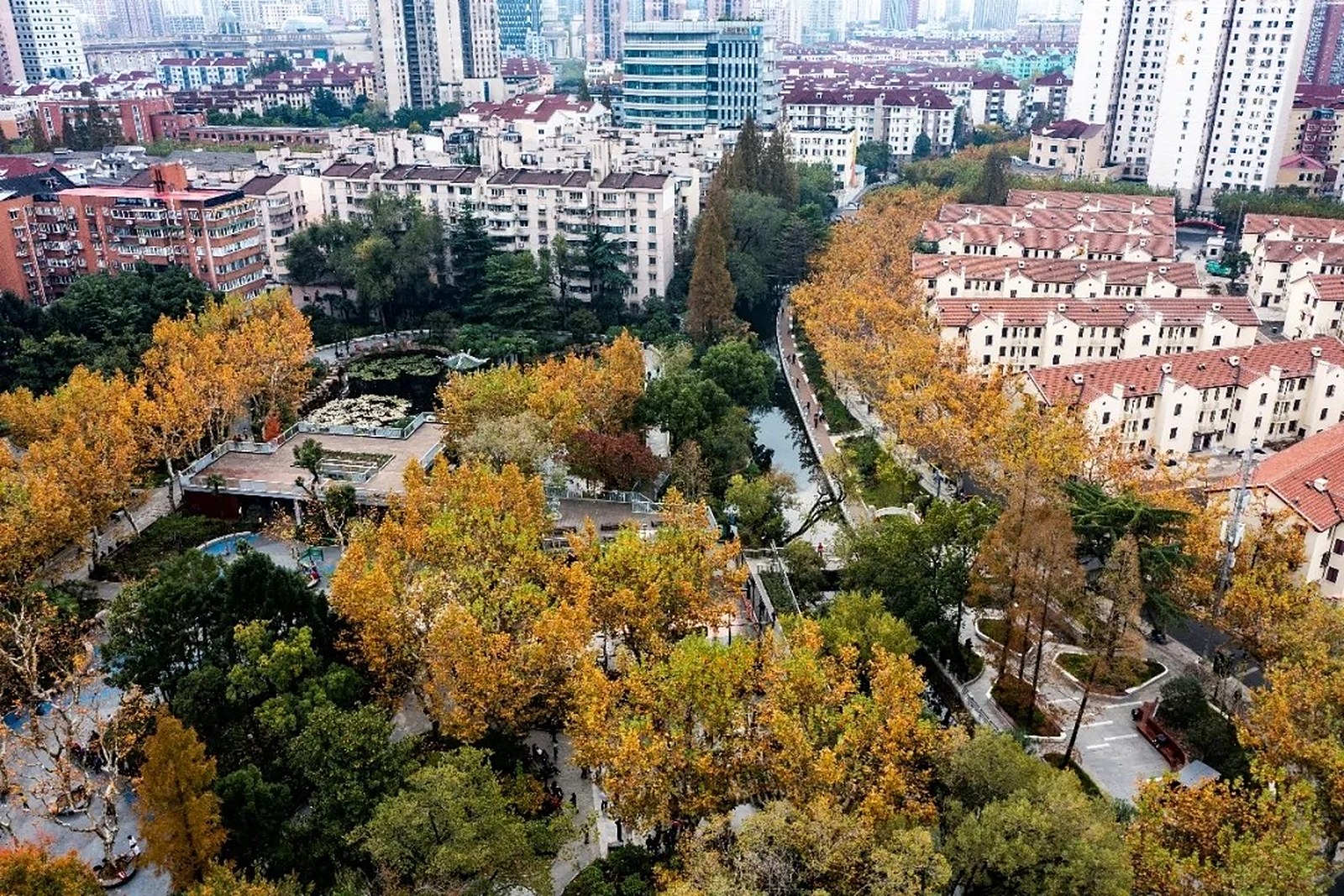
The honest star is the continuity, and the food is the evidence. What gets oversold is the “red-wall photograph” framing: guides sell the restored blocks as a backdrop first and a neighbourhood second, and a first-timer hunting the famous angles can walk past the doors that actually feed the place. What repays the effort is eating the way the estate eats: a breakfast window judged by whether the neighbours queue without reading the sign, a noodle shop judged by whether the broth is the same pot at eleven as at eight, a canteen-line plate judged by whether the portions are ladled by hand or by scale. The test costs nothing: order what the queue in front of you ordered, sit where the regulars sit, and time the turnaround – an estate that has cooked for its own workers for seventy years does not need to charm visitors, and that indifference is the guarantee (worth confirming the details – the older houses change hands slowly, and the best doors are often the plainest).
The rest of this Putuo list keeps other stoves: the winter mutton houses of 真如羊肉 Zhēnrú yángròu Zhenru lamb boil their pots in the old town to the north, the warehouse-wall cups of 莫干山路咖啡 Mògànshān Lù kāfēi Moganshan Road cafes pour beside the art compound by the creek, the mall food floors and street kitchens of 大渡河路美食 Dàdùhé Lù měishí Daduhe Road food cover the Changfeng circuit, and the home-style tables of 武宁路家常菜 Wǔníng Lù jiāchángcài Wuning Road home cooking wait a metro stop or two east – one district, four more tables, all inside 普陀区 Pǔtuó Qū Putuo District; and when the estate day needs a bed or a wider route, the stay-and-street notes for the district take the walk from here.
Words and Names
- 曹杨新村食肆 Cáoyáng Xīncūn shísì / Caoyang Village eats · the estate’s neighbourhood food trade - 曹杨新村 Cáoyáng Xīncūn / Caoyang New Village · New China’s first workers’ village, begun 1951 - 街坊 jiēfáng / neighbours · the clientele every shop here cooks for - 食堂 shítáng / canteen · the estate’s old dining tradition - 曹杨一村 Cáoyáng Yīcūn / Caoyang Village No. 1 · the restored first blocks - 百禧公园 Bǎixī Gōngyuán / Baixi Park · the high-line park opened 2021 - 兰溪路 Lánxī Lù / Lanxi Road · the main eating street of the estate - 枫桥路 Fēngqiáo Lù / Fengqiao Road · the crossing street of the food quarter - 枫桥路站 Fēngqiáo Lù zhàn / Fengqiao Road station · the Line 11 approach - 曹杨路站 Cáoyáng Lù zhàn / Caoyang Road station · the Lines 3, 4 and 11 approach - 普陀区 Pǔtuó Qū / Putuo District · the Shanghai district holding the estate
What the Locals Know
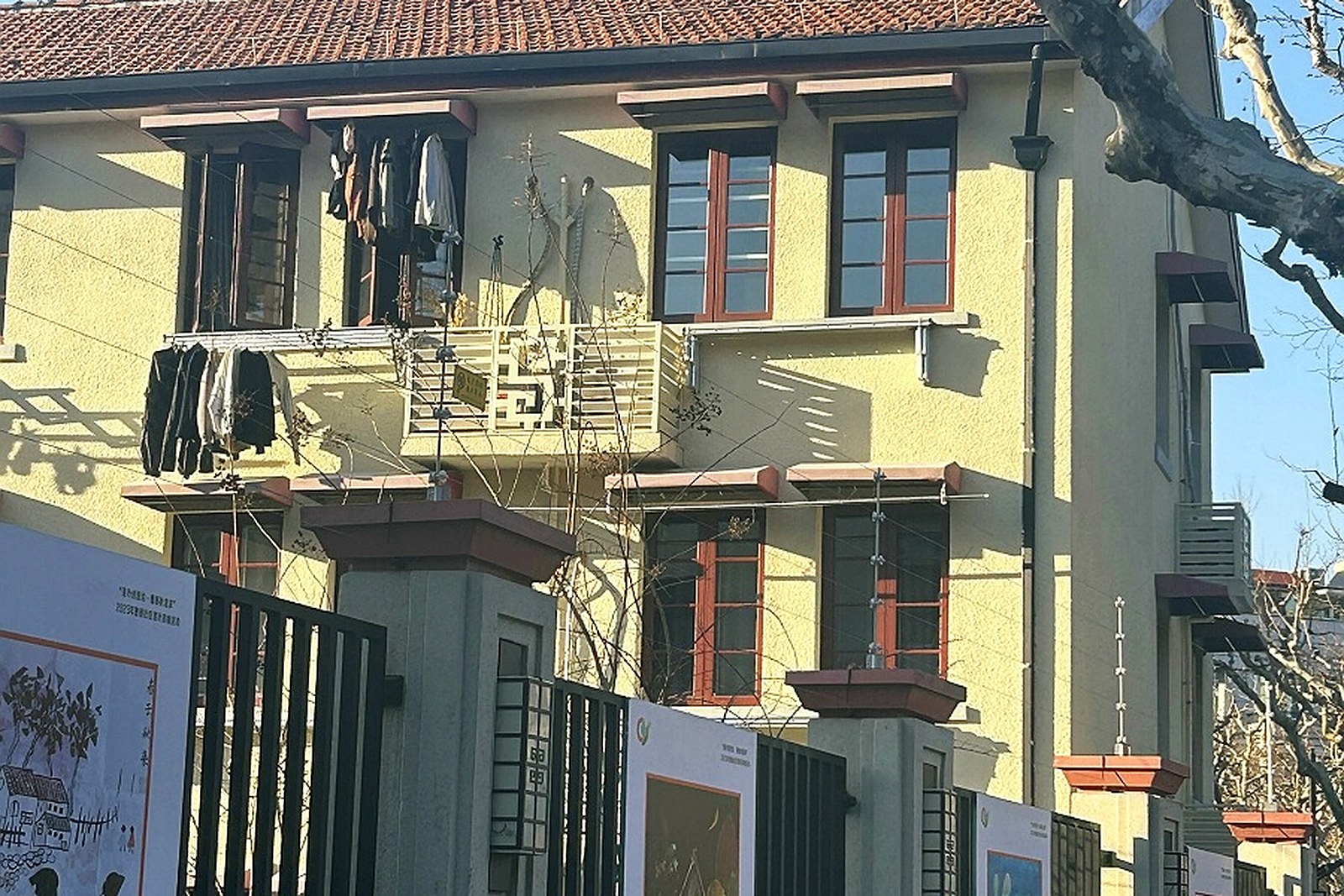
flowcloud would say that the 曹杨新村食肆 Cáoyáng Xīncūn shísì is the workers’-estate snack shops, canteen traditions and the high-line park of Putuo District, Shanghai – a 街坊 jiēfáng discipline where seventy years of shift bells answer the steamer baskets at the corner windows – and that the honest move is to eat what the neighbours eat, sit where the regulars sit, and walk the restored blocks after, because the estate built the customers and the customers built the kitchens. All checked October 2026.
Where to find it: 普陀区 Pǔtuó Qū Putuo District, Shanghai – the neighbourhood food streets of 曹杨新村 Cáoyáng Xīncūn Caoyang New Village around 兰溪路 Lánxī Lù Lanxi Road and 枫桥路 Fēngqiáo Lù Fengqiao Road, reached from 枫桥路站 Fēngqiáo Lù zhàn on Metro Line 11 or 曹杨路站 Cáoyáng Lù zhàn on Metro Lines 3, 4 and 11, where the shops keep the estate clock – the breakfast windows before the shift hour, the early-evening wave when the blocks come home, weekday mid-morning the eater’s own (worth confirming the details – which shop holds which corner today, the estate’s doors turning over slowly but surely); breakfast pieces and noodle bowls price at street-snack to casual-neighbourhood money, so call it worth confirming the details rather than a fixed number, and let the queue of neighbours cast the vote. Caoyang Village eats is the workers’-estate snack shops, canteen traditions and the high-line park of Putuo District, Shanghai – the taste of 普陀区 Pǔtuó Qū Putuo District eaten where the first workers’ village still cooks for its own. All checked October 2026.