
Rose Perfume in a Grape: Chadian Muscat
茶淀架下垂珠紫,一颗玫瑰满口香 Chádiàn jià xià chuí zhū zǐ, yī kē méiguī mǎn kǒu xiāng – Purple pearls hang beneath the Chadian trellises; one grape and the mouth fills with rose perfume
茶淀玫瑰香葡萄 Chádiàn Méiguī Xiāng Pútáo ripens the Hangu flats into a rose-scented harvest in 天津市滨海新区 Tiānjīn Shì Bīnhǎi Xīn Qū Binhai New Area – thin-skinned, honey-sweet table grapes grown on badged vineyard rows, picked August through October for fruit stands and winery crates. The geographic-indication mark guards the name; the rose perfume guards the reputation; and the trellis lanes of Chadian town carry both into every autumn market in Tianjin.
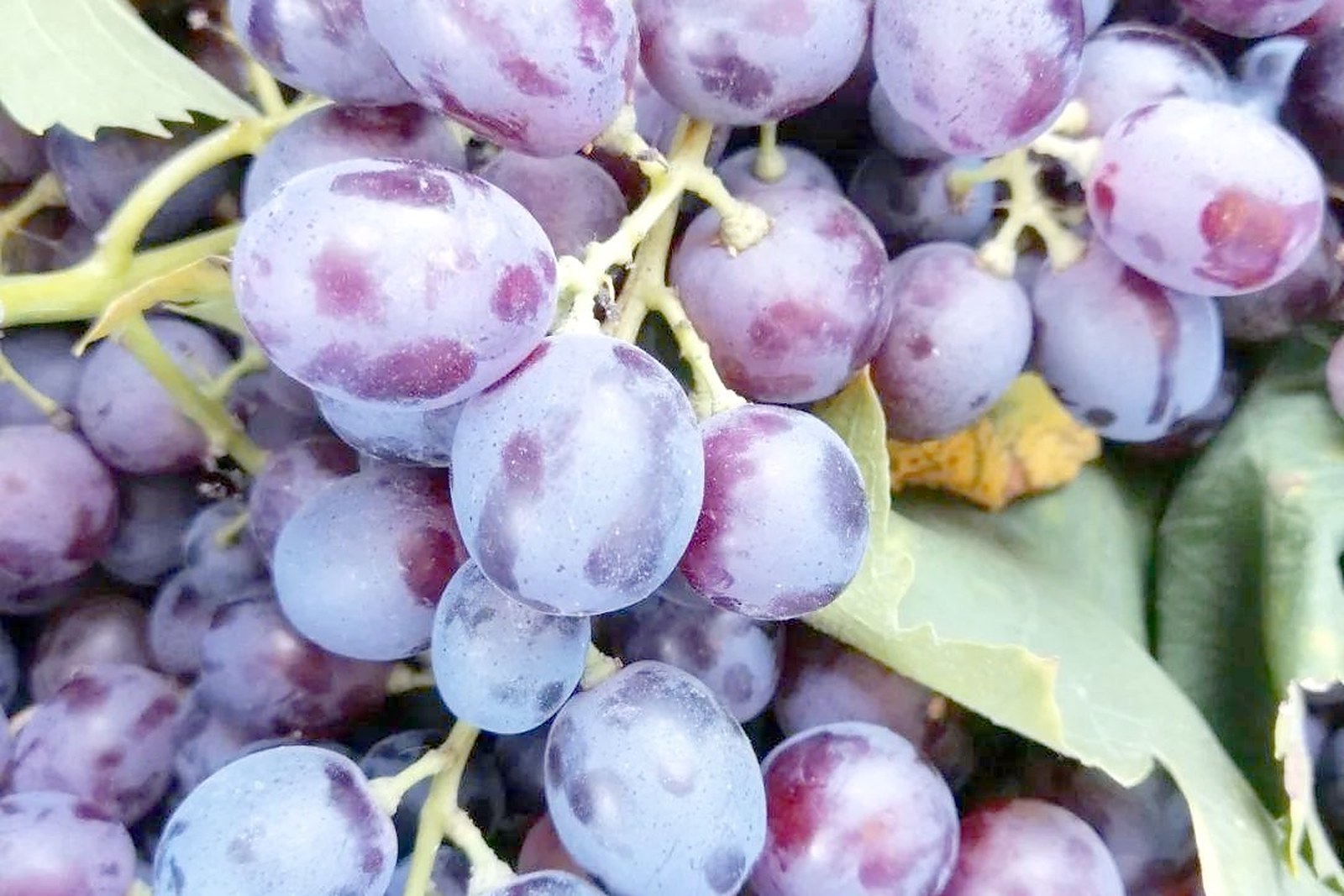
The berry is the sell. Rose-muscat clusters hang tight and small, blue-purple under a bloom of natural wax, and the skin snaps clean off the flesh with hardly a seed to negotiate. Bite one at the stand and the perfume explains the price: rose first, honey second, a trace of foxiness that supermarket grapes gave up decades ago.
The vineyard season is the ritual. August opens the picking with families working the shade rows before the heat, September loads the wholesale crates for the city markets, and October closes with the late clusters that winemakers buy by the trunk-load. Pick-your-own lanes run along the farm roads, and the tasting is frankly negotiated – one cluster here, one cluster there, until the bag is full.
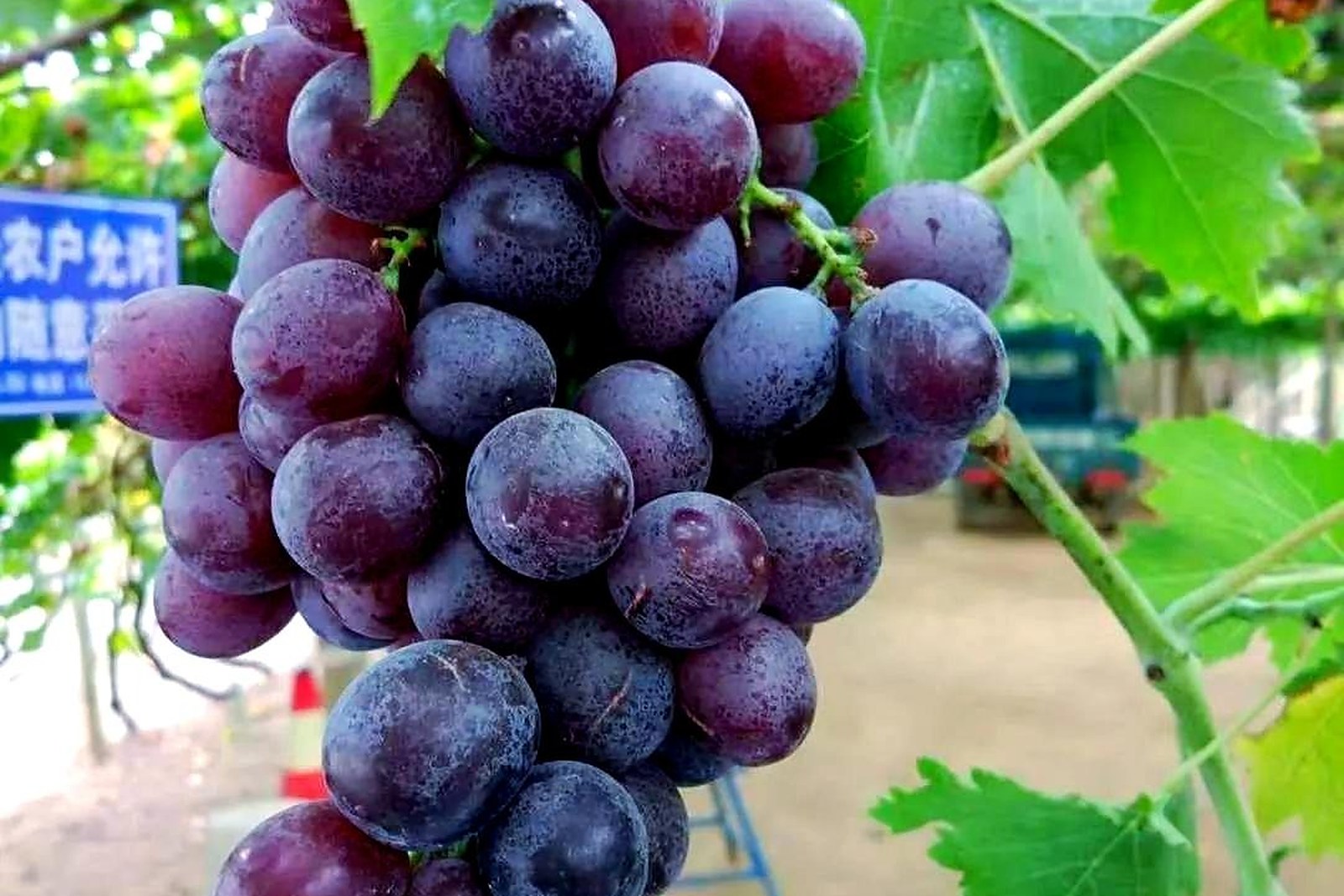
The table habits keep it local. Hangu households chill the clusters for the after-dinner plate, press the overripe ones into home ferments, and gift the top rows to relatives the way other regions gift tea. The grape travels badly – perfume fades in cold storage – which is exactly why it is worth eating within reach of the trellis.
The same 天津市滨海新区 Tiānjīn Shì Bīnhǎi Xīn Qū Binhai New Area holds more flavors worth chasing: 大港冬枣 Dàgǎng dōngzǎo the winter jujubes of the southern groves, 塘沽海鲜 Tánggū hǎixiān the harbor catch, 北塘虾酱 Běitáng xiājiàng the century-old shrimp paste, or 汉沽八大馇 Hàngū bādà chā the fisherman’s stews – four more doors into the same Binhai table.
Words and Names
茶淀 Chádiàn Chadian, the vineyard town of Hangu; 玫瑰香 méiguī xiāng rose-muscat, the grape’s perfume name; 果穗 guǒsuì the fruit cluster; 摘果 zhāi guǒ fruit picking; 地理标志 dìlǐ biāozhì the geographic-indication mark.
What the Locals Know
The perfume is a countdown – the longer a cluster sits, the less rose it gives, so locals buy by the armful and finish by the week. The top rows nearest the farm gate are the winery’s first picks; ask for the same rows by name and the stand owner knows you are serious. And never refrigerate overnight uncovered: the grape drinks the fridge smell faster than any fruit on the market. All checked November 2026.
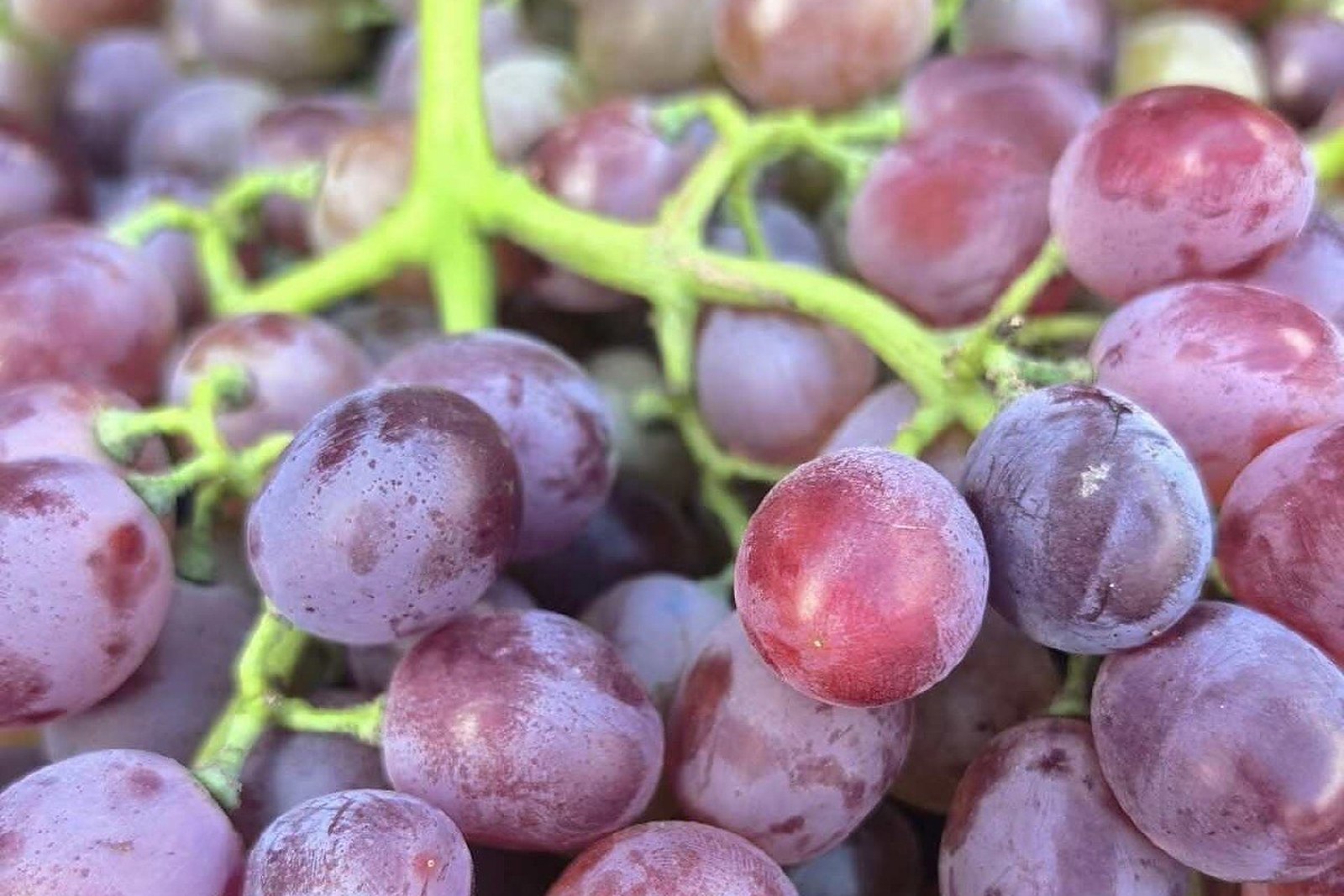
flowcloud would say Chadian muscat is autumn’s perfume trade: one purple cluster, a rose garden’s worth of scent, and a season the whole city eats by the bag.
Where to find it: The roadside stands along the Chadian vineyard roads sell the day’s picking, the farm gates run the pick-your-own lanes in season, and the Hangu morning markets stock the top rows at dawn. All checked November 2026.