
The Rain-Season Treasure: Chamdo Matsutake
雨季松林出珍菌,一篮鲜味下江东 Yǔjì sōnglín chū zhēnjūn, yī lán xiān wèi xià jiāngdōng – In the rain season the pine woods yield their prize fungus; one basket of freshness heads downriver
藏东松茸 Zàngdōng Sōngróng Come July and August, the rains wake the pine and oak slopes of Riwoche, Chaya and the other forested counties of 西藏自治区昌都市 Xīzàng Zìzhìqū Chāngdū Shì Chamdo, and the region’s most valuable crop appears overnight: 松茸 sōngróng matsutake, the aromatic mushroom that heads straight from the highland markets to buyers and airport cool-boxes, much of it bound for Japan. For a few rain-soaked weeks, mushroom money moves the mountains.
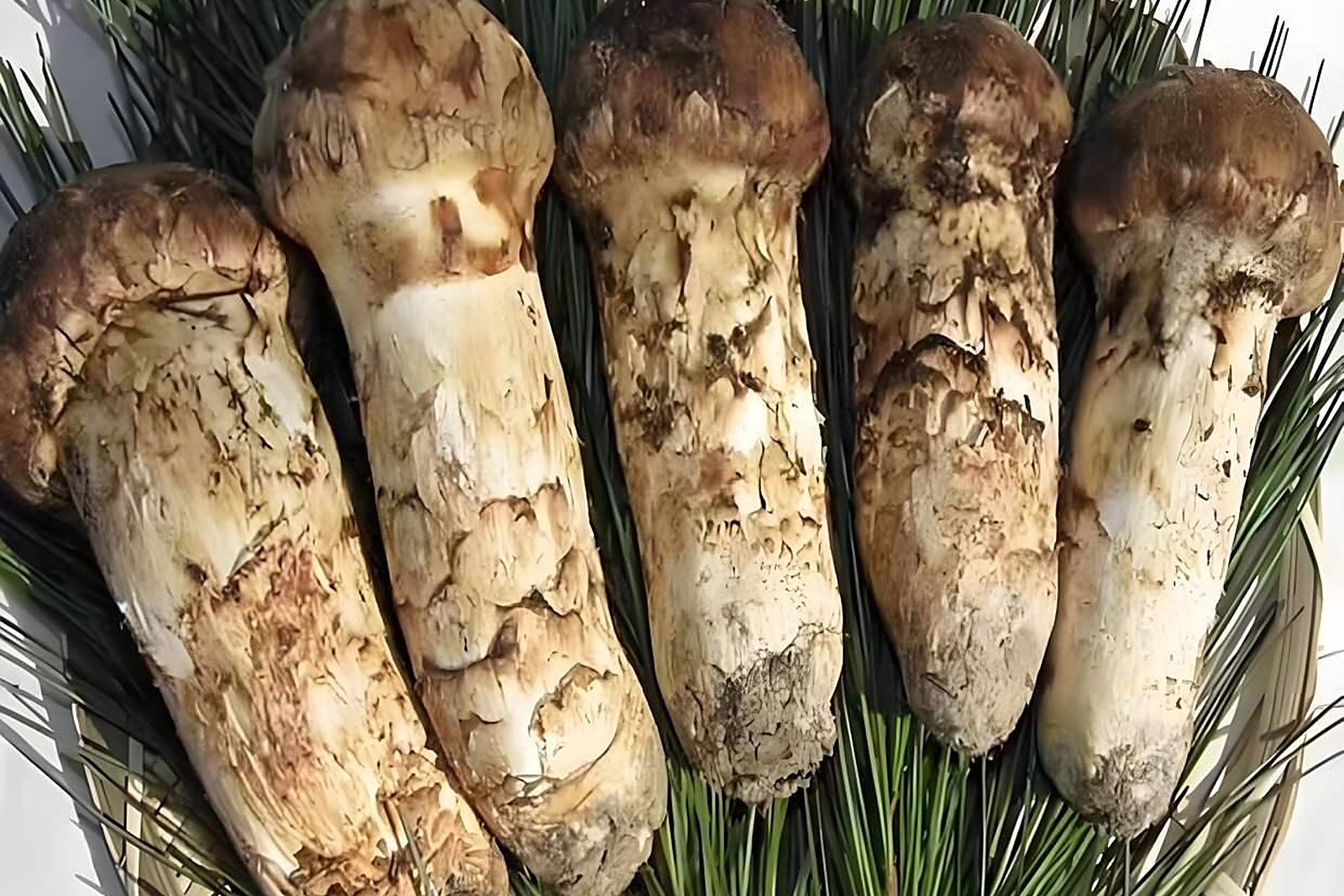
The fungus is worth the fuss. A good chamdo cap is firm and white-fleshed, perfumed with the pine-needle-and-rain scent that cooking barely changes – sliced and grilled with a brush of butter, simmered into clear chicken or yak soup, or simply stir-fried with salt and chilies to let the aroma carry the dish. The season’s first caps command festival prices, and markets in the county towns open at first light with baskets graded and priced by the morning’s rainfall.
The harvest is a village affair. Pickers go up the slopes before dawn with headlamps and woven baskets, working the same families’ patches year after year and closing the moss back over the mycelium as they go – the etiquette that keeps the woods producing. Buyers meet them at the roadside with scales and cash, and by mid-morning the day’s best lots are in airport-bound boxes while the seconds fill the town’s restaurant kitchens.
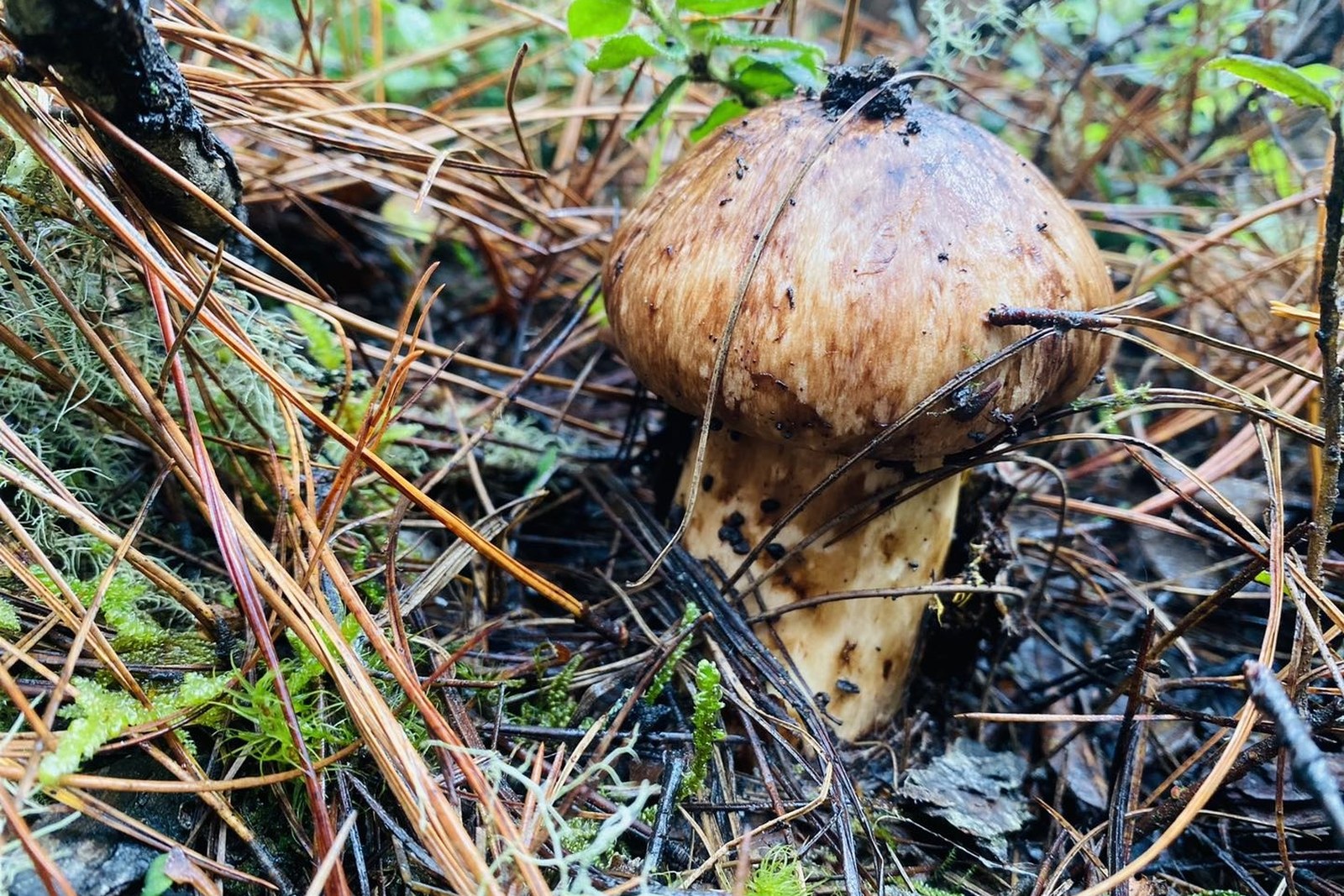
For a traveler, matsutake season is the best-tasting month in Chamdo. Restaurants run seasonal menus built on the day’s baskets, homestays in the mushroom villages will take guests up the slopes at first light, and every teahouse argues about which county’s woods smell strongest. The dish to order first is the simplest one – slices grilled plain, salt, nothing else – because the mushroom is the recipe, and the rain is the chef.
The same 西藏自治区昌都市 Xīzàng Zìzhìqū Chāngdū Shì Chamdo holds more flavors worth chasing: 盐井加加面 Yánjǐng Jiājiā Miàn the one-bowl caravan noodles, 盐井葡萄酒 Yánjǐng Pútáojiǔ the missionary-valley red, 藏式血肠 Zàngshì Xuècháng the winter blood sausage, or 人参果饭 Rénshēnguǒ Fàn the sweet droma rice – four more doors into the same Chamdo table.
Words and Names
藏东松茸 Zàngdōng Sōngróng Chamdo matsutake, the rain-season treasure; 松茸 sōngróng matsutake, the pine mushroom itself; 类乌齐 Lèiwūqí Riwoche, the classic picking county; 察雅 Cháyǎ Chaya, the southern woods of the trade; 菌子 jūnzi the general word for the season’s mushrooms; 松林 sōnglín the pine woods that host the fungus.
What the Locals Know
The market opens with the rain, not the clock – a dry night pushes prices up, a wet one floods the baskets. The smell test is the deal: a true chamdo cap smells of pine and rain, not of the wash-water some stalls use to plump their lots. And the pickers’ etiquette matters – moss closed back over the patch, paths respected – because the woods that feed this trade are borrowed, not owned. All checked November 2026.
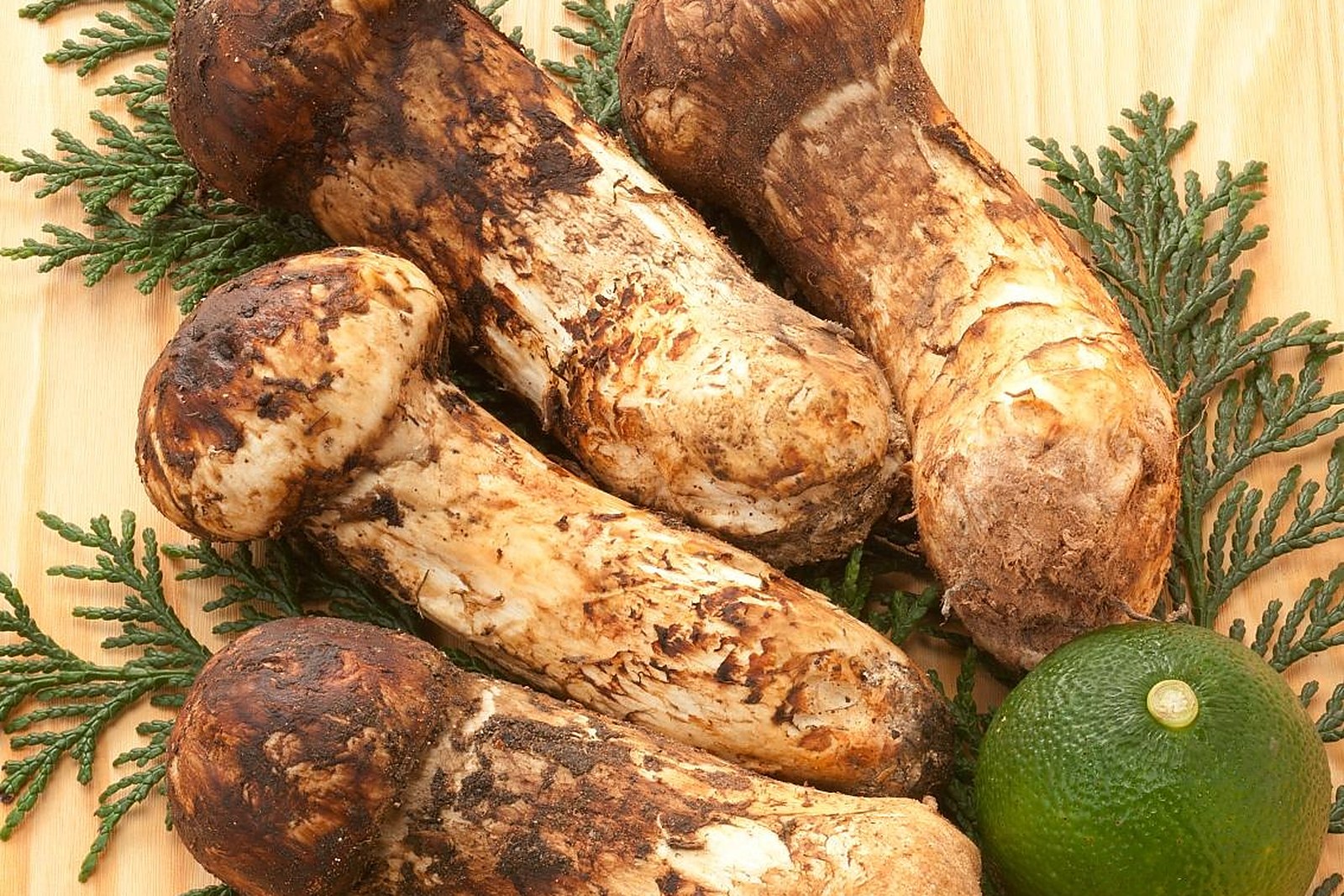
flowcloud would say matsutake is the mountains’ wire transfer: rain in July, cash in August, and a smell that explains the whole economy of the wet green counties better than any statistic.
Where to find it: Seasonal matsutake menus run in Chamdo restaurants through August, and the dawn markets of Riwoche and Chaya county towns sell the day’s baskets straight from the pickers. All checked November 2026.