
Changgou Rice: Spring Water, Paddy Wind and Tribute Grains of Fangshan District, Beijing
长沟泉水灌稻田,御塘米香飘千年。Chánggōu quánshuǐ guàn dàotián, yùtáng mǐ xiāng piāo qiānnián – Changgou’s spring water feeds the paddies; the imperial-pond rice scent floats a thousand years.
长沟大米 Chánggōu dàmǐ Changgou rice is the spring-fed paddy rice Beijing’s southwest grows where almost nowhere else in the north grows rice, and the address is a wetland: 长沟镇 Chánggōu Zhèn Changgou town in southern 房山区 Fángshān Qū Fangshan District, Beijing, a rich-water pocket the locals bill as 京南水乡 Jīngnán shuǐxiāng “water country south of the capital” – springs rising across the fields by the thousand, the 甘池泉 Gānchí Quán Ganchi spring water flowing day and night, and rice paddies standing green where most of the north plants wheat and maize. The famous fields are the 御塘 yùtáng “imperial pond” paddies, whose grain went to the Ming and Qing courts as 御塘贡米 yùtáng gòngmǐ imperial-pond tribute rice, and whose rice culture now sits inside the national agricultural-heritage listing of the Jingxi rice system – in the company of Beijing’s two other storied rices, the 京西稻 Jīngxī dào Jingxi rice of Haidian and the clear-water rice of Shunyi (worth confirming the details of the heritage registration’s exact scope). The craft most visitors under-rate is the water discipline: Changgou’s growers run living spring water through the paddies – the 活水 huóshuǐ flowing-water method – because the constant cool flow stretches the growing season deep into the year and writes the grain’s character, a rice that grows on a spring’s timetable rather than a market’s. The naming is the tell: 御塘 yùtáng is the court’s receipt kept in a field name – the pond still answers to an emperor who has been gone a century, and the rice still grows in his water.
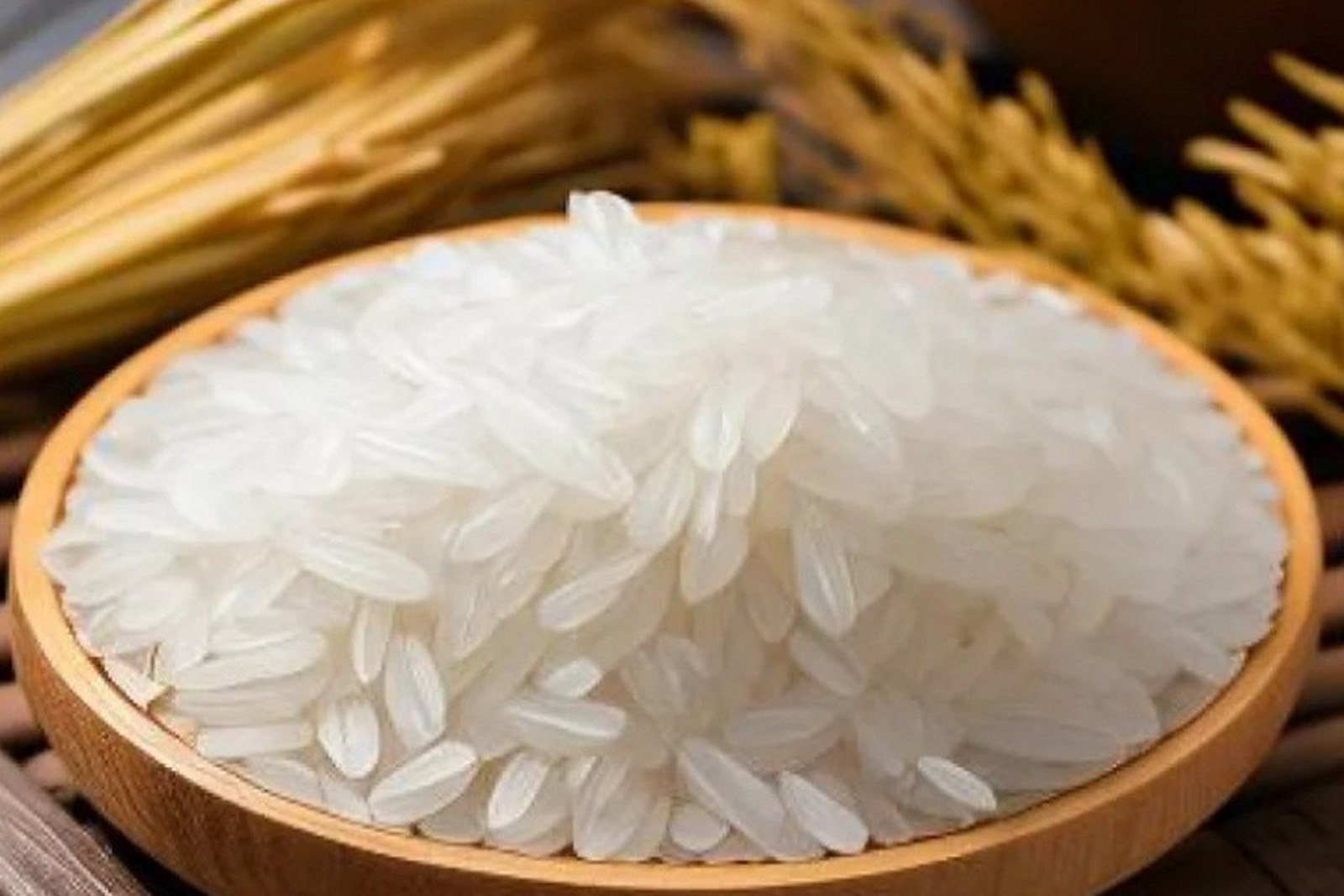
The eating is a plain-bowl grammar written for a grain that needs no help, and it leans 清香 qīngxiāng clean fragrance plus 劲道 jìndào chewy resilience to match the tribute name. The anchor is the steamed pot of new rice – grains translucent, loose and springy at once, fragrant enough that the local saying promises one family’s pot scents ten courtyards – eaten the honest way first, plain, before any dish gets to argue with it. The rice needs no washing before it cooks, the trade insists, and the old tagline runs 九蒸九晒 jiǔ zhēng jiǔ shài “nine steamings and nine sunnings, the colour and scent as at the first” – a tribute-era compliment about a grain that keeps itself, and a standard the town’s counters still quote over the scale. Around the pot the wetland writes its own sides: the paddy crabs the newer rice-crab fields raise, lotus root and reed shoots in their seasons, the homestyle stews the town’s small halls ladle over rice at noon – and the autumn fields themselves are the menu’s last course, when the harvest weeks draw city families out to watch the cutting and carry a bag of new rice home (worth confirming the details of each year’s harvest calendar).
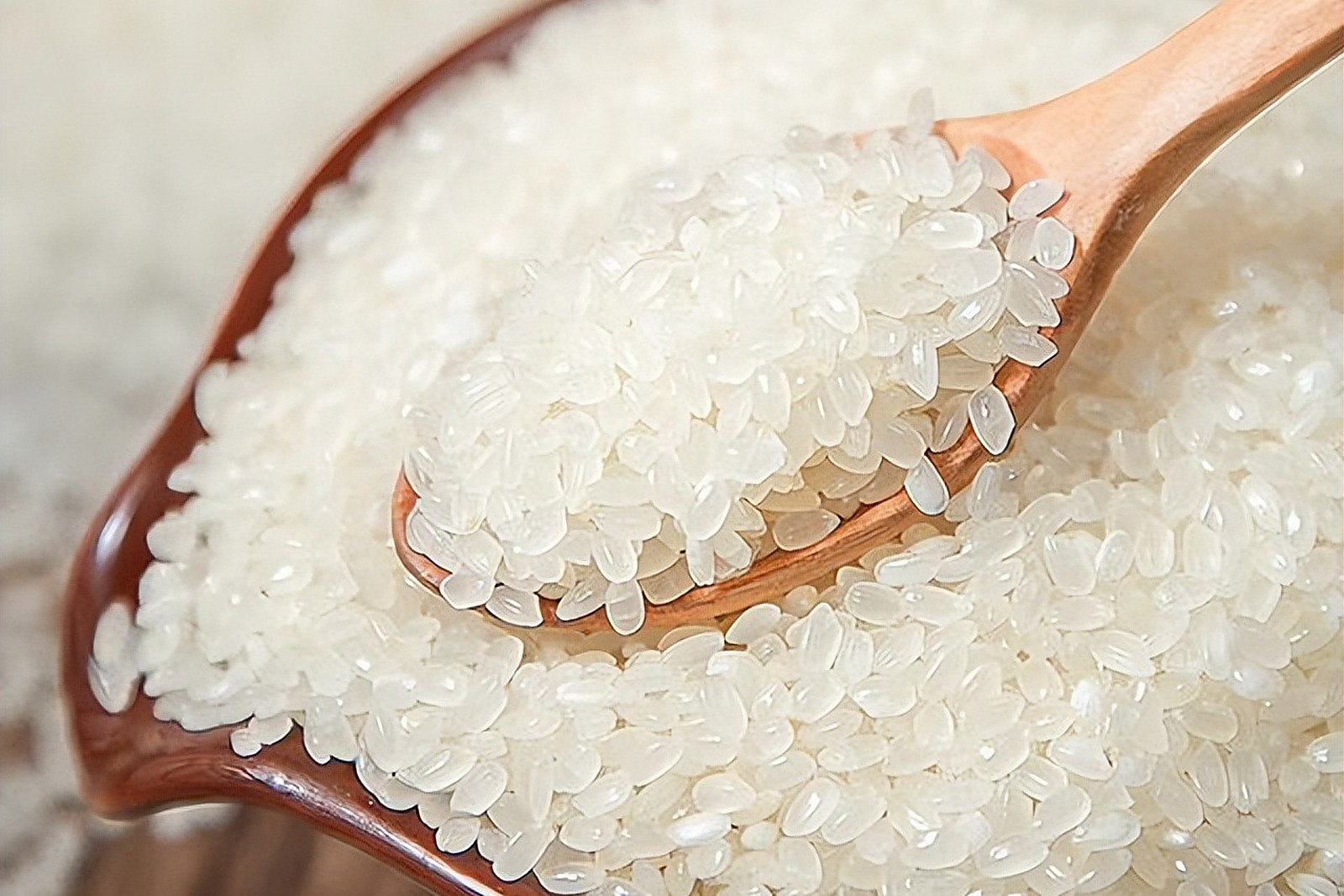
The honest grade is geography plus the 秋收 qiūshōu harvest clock. In 房山区 Fángshān Qū Fangshan District, Beijing the paddies are a pocket, not a county – the acreage is modest and the honest sellers are the town counters, the cooperative shops and the field stalls in the harvest weeks, where a bag carries this year’s date and this valley’s name – a mix that keeps the grain honest in a way an anonymous supermarket sack never could: a grower here is graded by neighbours who know which fields drink which spring (worth confirming the details – which shops mill and bag their own rice and which resell). A per-person bill runs on the bag and the bowl, so call it worth confirming the details rather than a fixed number, and time the trip if you can: the growing fields and the harvest weeks are the rice’s best argument, and a bag bought at the field edge in October reads different from the same bag after a year on a shelf, because new rice is a season and old rice is a stock.
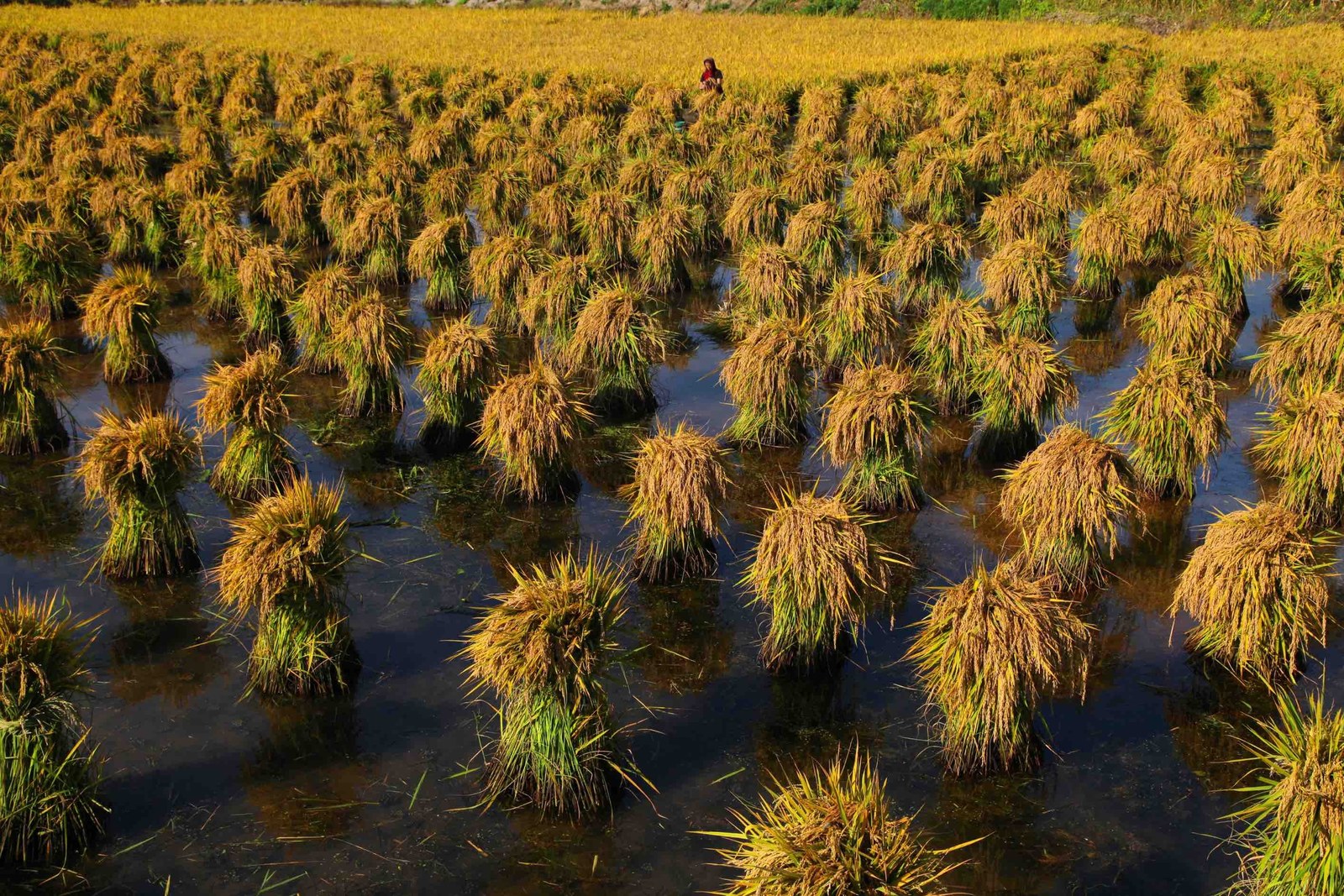
The wry truth is that 长沟大米 Chánggōu dàmǐ is over-rated as a premium gift grain and under-rated as a water landscape: the gift-box marketing files it under “tribute rice” at tribute prices, while the actual thing – thousands of springs, a flowing-water field system older than the courts it fed, a wetland holding its ground against the northern norm – is the rarest part of the product, and the part no box advertises. The real divide is 新米 xīnmǐ new-season rice versus 陈米 chénmǐ old stock: new grain reads fragrant before the lid lifts and springy at the first bite, old grain reads flat and loose, and no glossy bag hides it – worth confirming the details, bag by bag, because both wear similar labels. Season rules the trade plainly: the paddies run their year on water and sun, the harvest lands in the autumn weeks, and the winter counters sell the year’s rice the way a granary does – by the honest date on the tag.
The self-deprecating footnote, and the district braid: a food writer will explain “single-origin rice” to a grower whose entire answer is “the spring decides”, photograph the paddies at heroic shutter, call the plain pot “commendably fragrant” as if fragrance were his discovery, and then drown the second bowl in sauce – which is the honest grade: 长沟大米 Chánggōu dàmǐ is a wetland the writer will brand more than he listens to, and the grower’s family at the next table has eaten their new rice plain, twice, before the shutter closes. The same 房山区 Fángshān Qū Fangshan District, Beijing thread runs on: the sugar-fried woks of 良乡板栗 Liángxiāng bǎnlì Liangxiang chestnuts crack on the plain’s market streets, the lantern fruit of 房山磨盘柿 Fángshān mópánshì Fangshan mopan persimmons weighs the Zhangfang boughs, the charcoal smoke of 十渡虹鳟鱼 Shídù hóngzūnyú Shidu rainbow trout drifts along the Juma River, and the glass jars of 霞云岭蜂蜜 Xiáyúnlǐng fēngmì Xiayunling honey glow on the mountain shelves – one district, four more tables.
Words and Names
- 长沟镇 Chánggōu Zhèn / Changgou Town · the spring-fed wetland town of southern Fangshan - 京南水乡 Jīngnán shuǐxiāng / water country south of the capital · the town’s own wetland billing - 御塘贡米 yùtáng gòngmǐ / imperial-pond tribute rice · the Ming-Qing court grain still grown in its water - 甘池泉 Gānchí Quán / Ganchi Spring · the day-and-night spring the paddies drink - 活水 huóshuǐ / living water · the flowing-through irrigation that sets the grain’s character - 九蒸九晒 jiǔ zhēng jiǔ shài / nine steamings, nine sunnings · the old tagline for grain that keeps its colour and scent - 劲道 jìndào / chewy resilience · the bite the rice is prized for - 房山区 Fángshān Qū / Fangshan District · the Beijing district holding the paddies
What the Locals Know
- Buy by the harvest: new-season rice appears in the weeks after the autumn cutting – ask the bag’s year, and distrust any sack with no date on it (worth confirming the details).
- Skip the rinse: the trade sells it 免淘 miǎn táo no-wash; the point is the grain, and the old tagline is 九蒸九晒 jiǔ zhēng jiǔ shài – colour and scent as at the first.
- Eat the first pot plain: the fragrance is the tribute; sauce is for the second bowl.
- Come for the fields: the spring-fed wetland is half the taste, and the harvest weeks – when the cutting starts and the field stalls open – are the season to walk it (worth confirming the details of each year’s calendar).
flowcloud would say that the 长沟大米 Chánggōu dàmǐ is the spring water, paddy wind and tribute grains of Fangshan District, Beijing – a 京南水乡 Jīngnán shuǐxiāng wetland where the 甘池泉 Gānchí Quán springs still flood the 御塘 yùtáng fields of a Ming-Qing tribute rice – and that the honest move is to buy by the harvest, skip the rinse, and eat the first pot plain, because the spring sets the grain and the field sets the date. All checked October 2026.
Where to find it: Fangshan District Fángshān Qū, Beijing – the 御塘 yùtáng paddy fields and rice counters of 长沟镇 Chánggōu Zhèn Changgou town in southern Fangshan, where the town shops and the autumn field stalls sell 御塘贡米 yùtáng gòngmǐ by the bag and the wetland walks open through the growing season (worth confirming the details – which shops mill and bag their own rice and which keep year-round hours); a per-person bill runs on the bag and the bowl, so call it worth confirming the details rather than a fixed number. Changgou rice is the spring water, paddy wind and tribute grains of Fangshan District, Beijing, spring before sack.