
Changtang Mutton — the Clean Sweet Taste of the High Grassland
羌塘羊逐千坡草,一锅清水见真味 Qiāngtáng yáng zhú qiān pō cǎo, yī guō qīngshuǐ jiàn zhēn wèi – Changtang sheep chase grass across a thousand slopes; one pot of clear water shows the true taste
羌塘羊肉 Qiāngtáng yángròu Changtang mutton begins with an animal that lives like an athlete: Tibetan sheep grazing year-round at four and a half thousand meters, walking hills daily, feeding on sedge and herb-rich meadow no lowland pasture can copy. The meat that results is dense, clean and faintly sweet – the flavor of exercise, altitude and good grass – and the northern plateau cooks it with the confidence of a kitchen that needs no disguise.
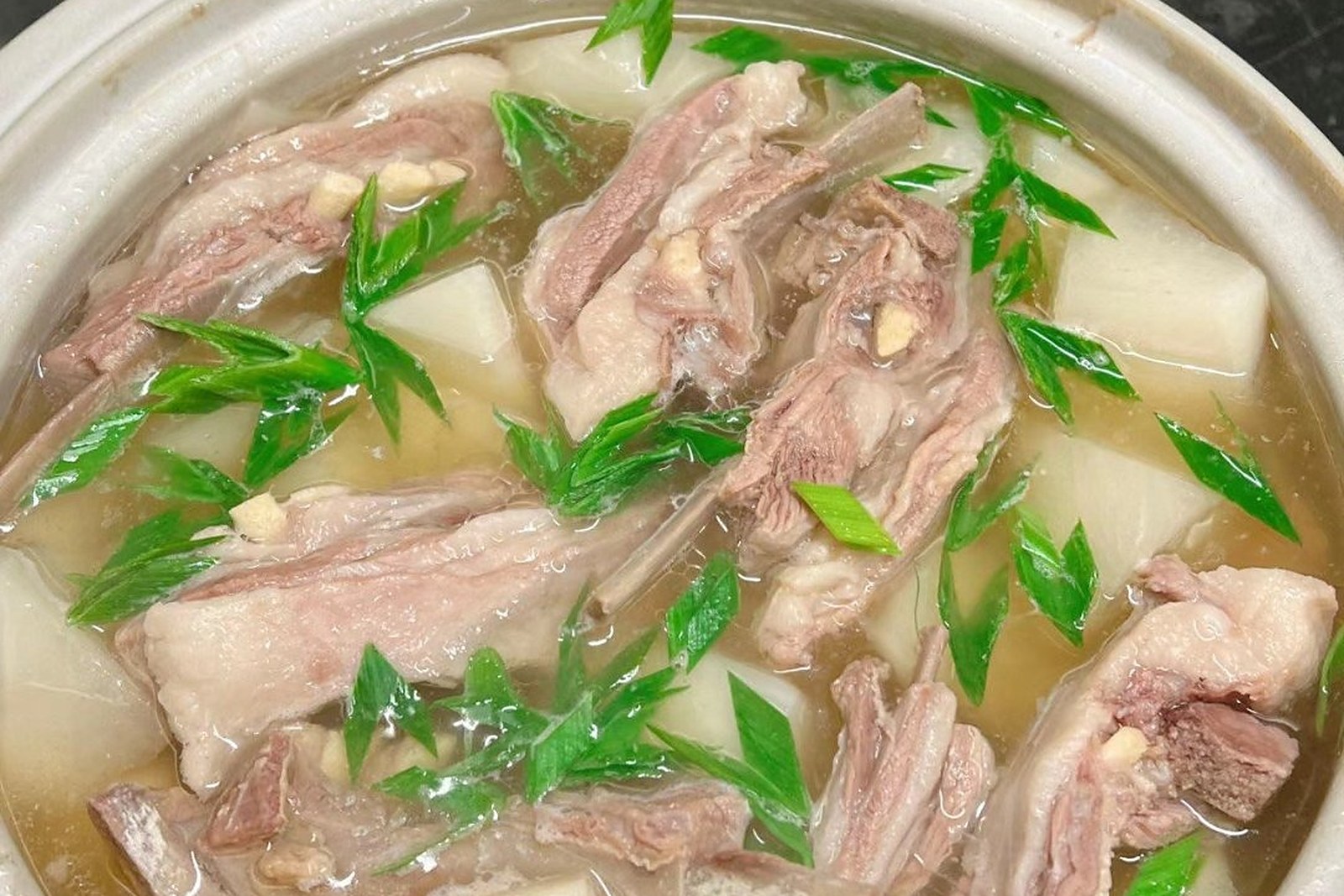
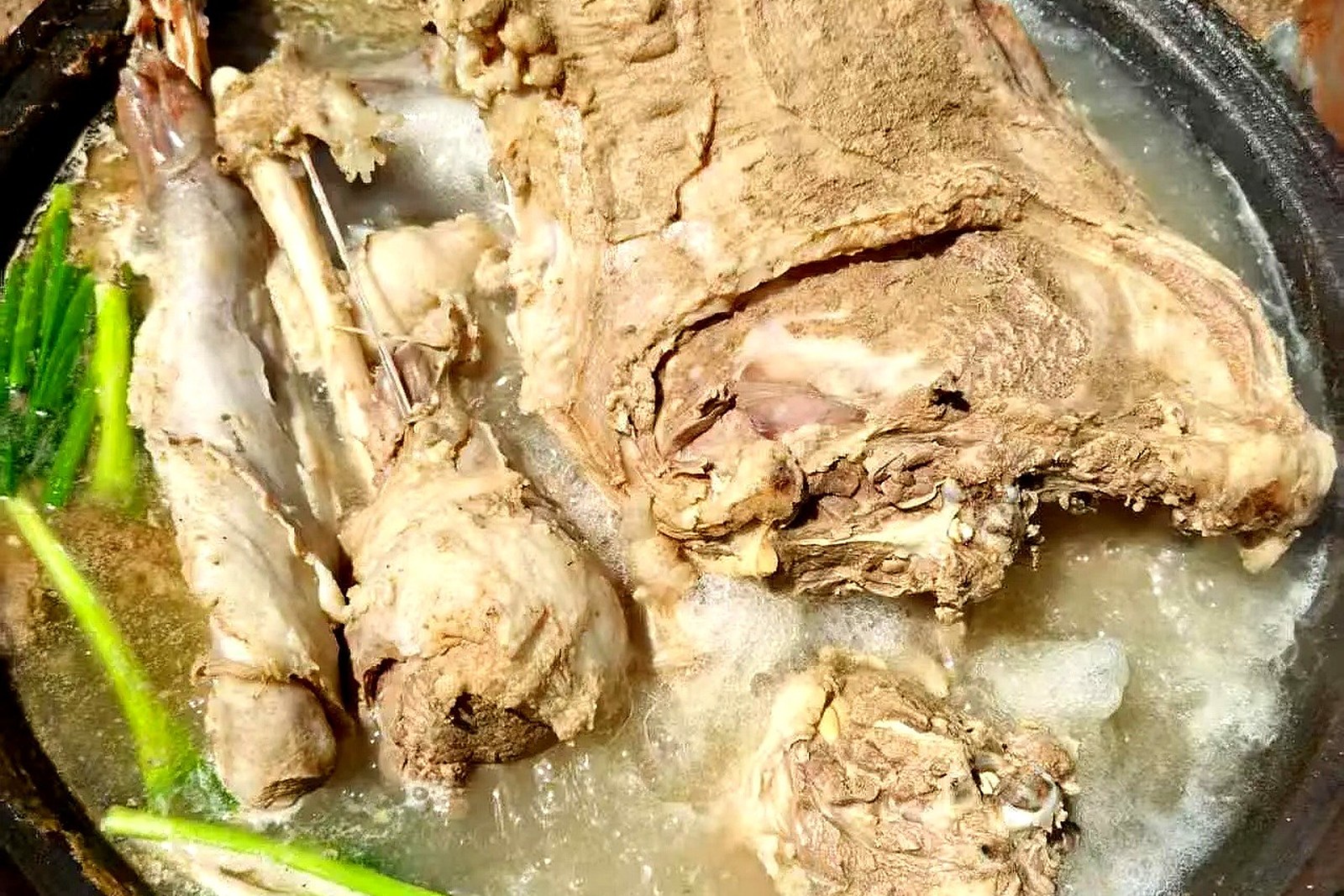
The classic plate is 手抓羊肉 shǒuzhuā yángròu hand-grabbed mutton: large pieces boiled briefly in clear water with nothing but salt, served warm so the texture – firm, then giving, then faintly gelatinous at the bone – does the talking. A bowl of the broth follows the meat, scattered with scallion; radish often shares the pot. Nothing is masked because nothing needs hiding.
Winter brings the preserved side of the tradition: 风干肉 fēnggàn ròu air-dried meat, legs hung in the cold dry wind of the eaves until they cure into dense, dark slivers eaten raw-thin or briefly warmed, the plateau’s protein for the road. And in festival weeks the pots grow to the size of washtubs – whole boiling sheep for a tent of guests, carved at the table by the household’s best knife.
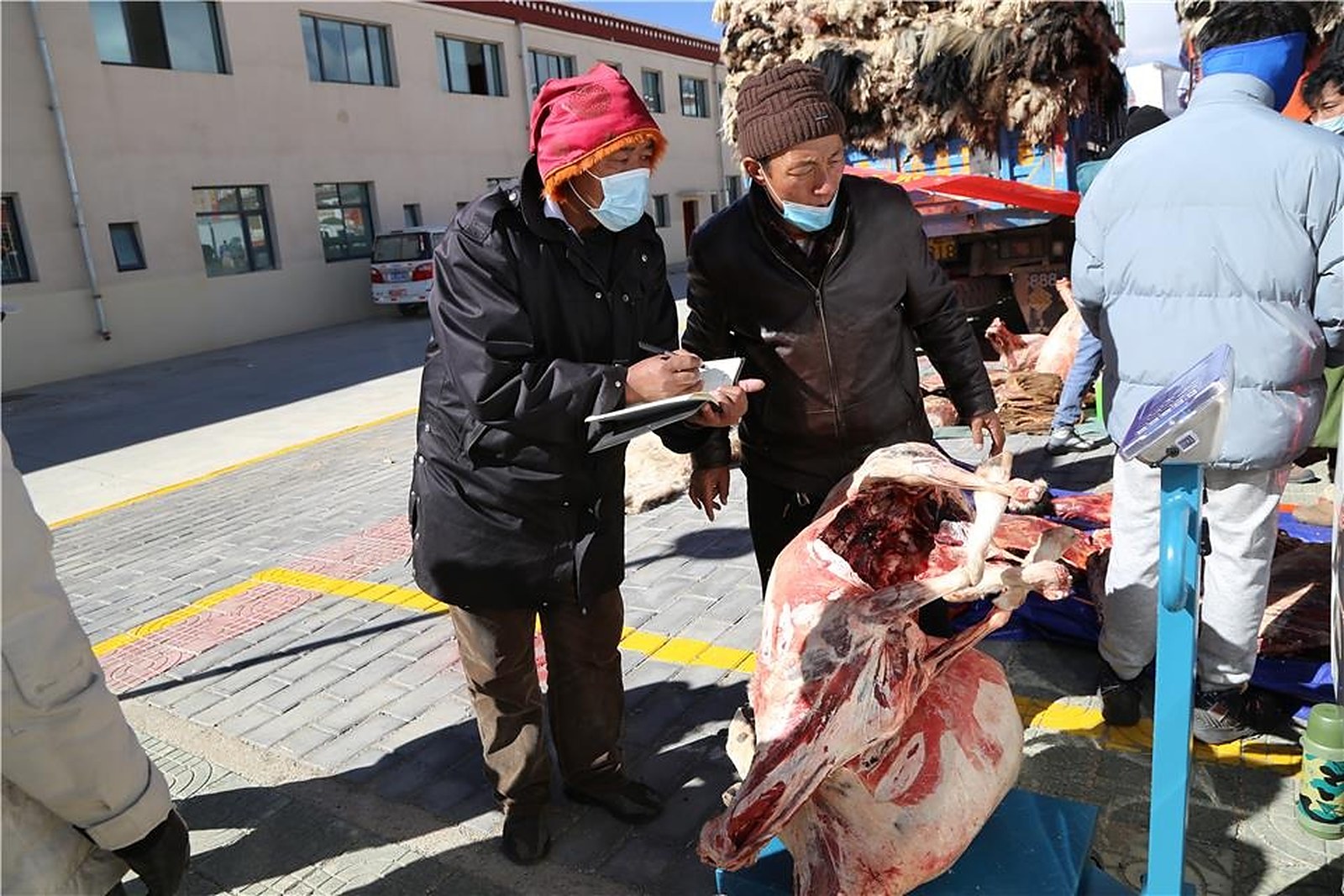
Eating mutton in Nagqu is less a dish than a calendar: spring lamb stews as the grass greens, summer herders grill over dung fires at the passes, autumn markets hang carcasses outside the butcher shops, and winter is the season of the drying racks. Order simply – boiled plate, broth, bread – and taste why herders smile when visitors ask which restaurant is best: in the Changtang, the sheep is the restaurant.
Words and Names
羌塘羊肉 Qiāngtáng yángròu Changtang mutton, the high-grassland sheep; 手抓羊肉 shǒuzhuā yángròu hand-grabbed boiled mutton; 风干肉 fēnggàn ròu air-dried meat, the winter preserve; 藏系绵羊 Zàngxì miányáng Tibetan sheep, the breed of the northern flocks; 原汤 yuántāng the original broth, served behind every plate. The same 那曲市 Nàqū Shì Nagqu holds more flavors worth chasing: 那曲冬虫夏草 Nàqū dōngchóng xiàcǎo the high-slope cordyceps, 蕨麻米饭 juémá mǐfàn the sweet festival rice, 藏式甜茶 Zàngshì tiánchá the teahouse staple, or 牦牛酥油 máoniú sūyóu the churned gold of the high pastures – four more doors into the same Nagqu table.
What the Locals Know
Locals judge mutton by the broth, not the meat: a clear pot with a clean sweetness means good sheep and a careful hand, while a cloudy one gets sent back. The first plate is never the last – refills are the custom – and the correct winter snack is dried meat chewed slowly with tea while the wind does the work outside. All checked November 2026.
flowcloud would say Changtang mutton is altitude you can eat – every bite carrying a hillside you didn’t have to climb.
Where to find it: County-town kitchens across the grassland serve the boiled plate and broth year-round, with the deepest selection in autumn; herder-family tables along the main roads sell by the pot in season. All checked November 2026.