
The Herder’s Chew: Fermented Cheese Curds of the Kazakh Tent, Altay
酸奶滤出白玉块,毡房晾晒牧家酸 Suānnǎi lǜ chū báiyù kuài, zhānfáng liángshài mùjiā suān – Yoghurt strained into cubes of white jade; drying in the sun outside the yurt, the herder household’s own sour.
奶疙瘩 nǎigēda cheese curds – sometimes written milk dough in translation – are what the Kazakh household does with summer’s milk surplus: yoghurt boiled, strained and pressed into rough cubes, then dried on the tent’s roof racks until the block turns dense and sharply sour (worth confirming the details for the two kinds, since the dried hard curd is a storage food and the soft fresh curd is the same process caught a day earlier). The taste is a rite of passage for visitors – lactic, saline, nothing sweet about it – and the herders’ children eat them like sweets, the way other children eat dried fruit. The Altay version leans on the summer pasture’s richness, and the strings of cubes drying on every rack in June and July are the dairy calendar made visible.
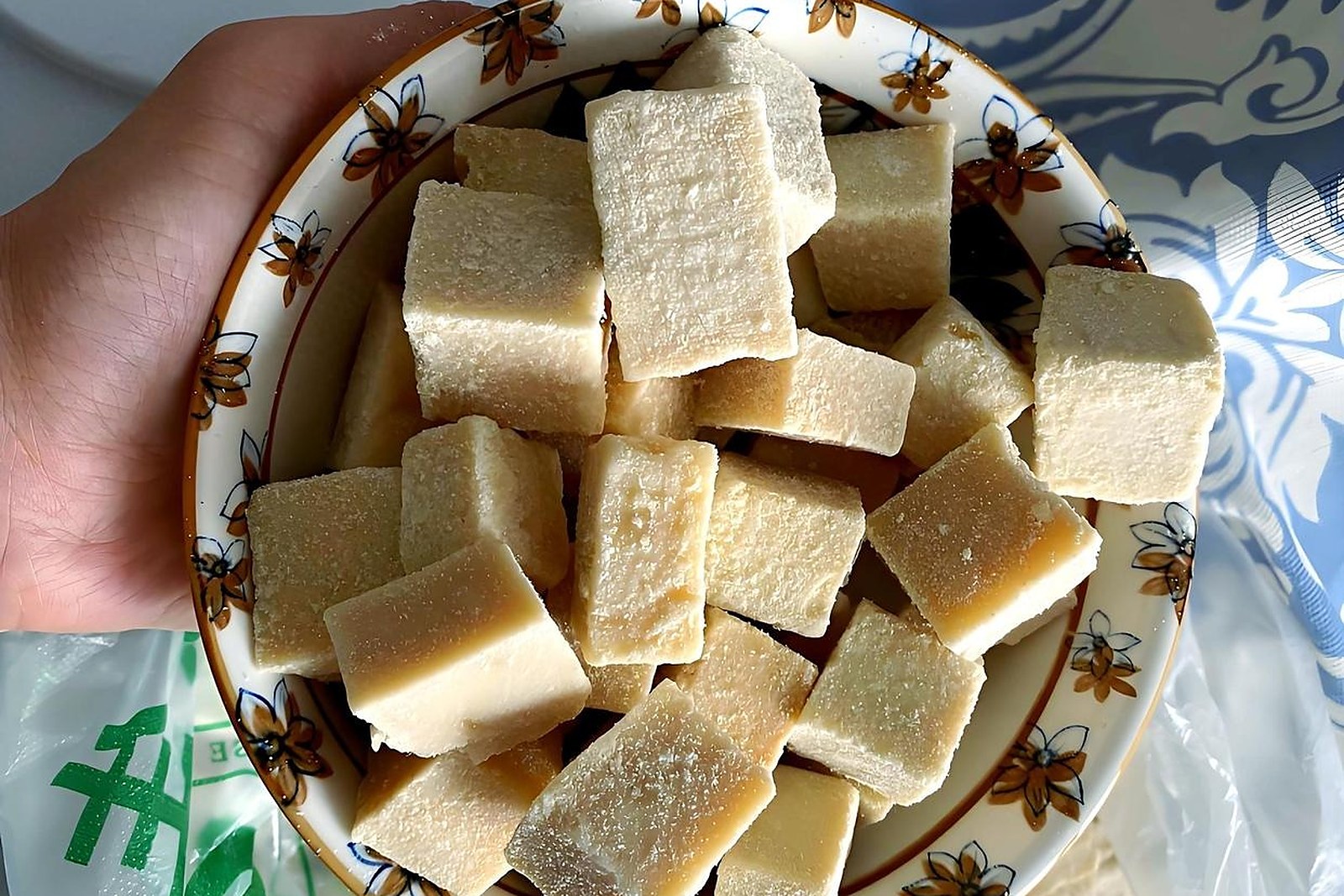
A bag runs from ten to twenty yuan at the county bazaar, the price tracking hardness and age. The honest star is the sourness: real curds taste of fermentation, not flavouring, and a good batch keeps for months without a fridge – the original travel food of the steppe. Eat them with tea, or the way the tents do, dipped in a spoon of honey to soften the edge; the milk tea rule applies here too, dairy against dairy in a friendly contest rather than a clash.
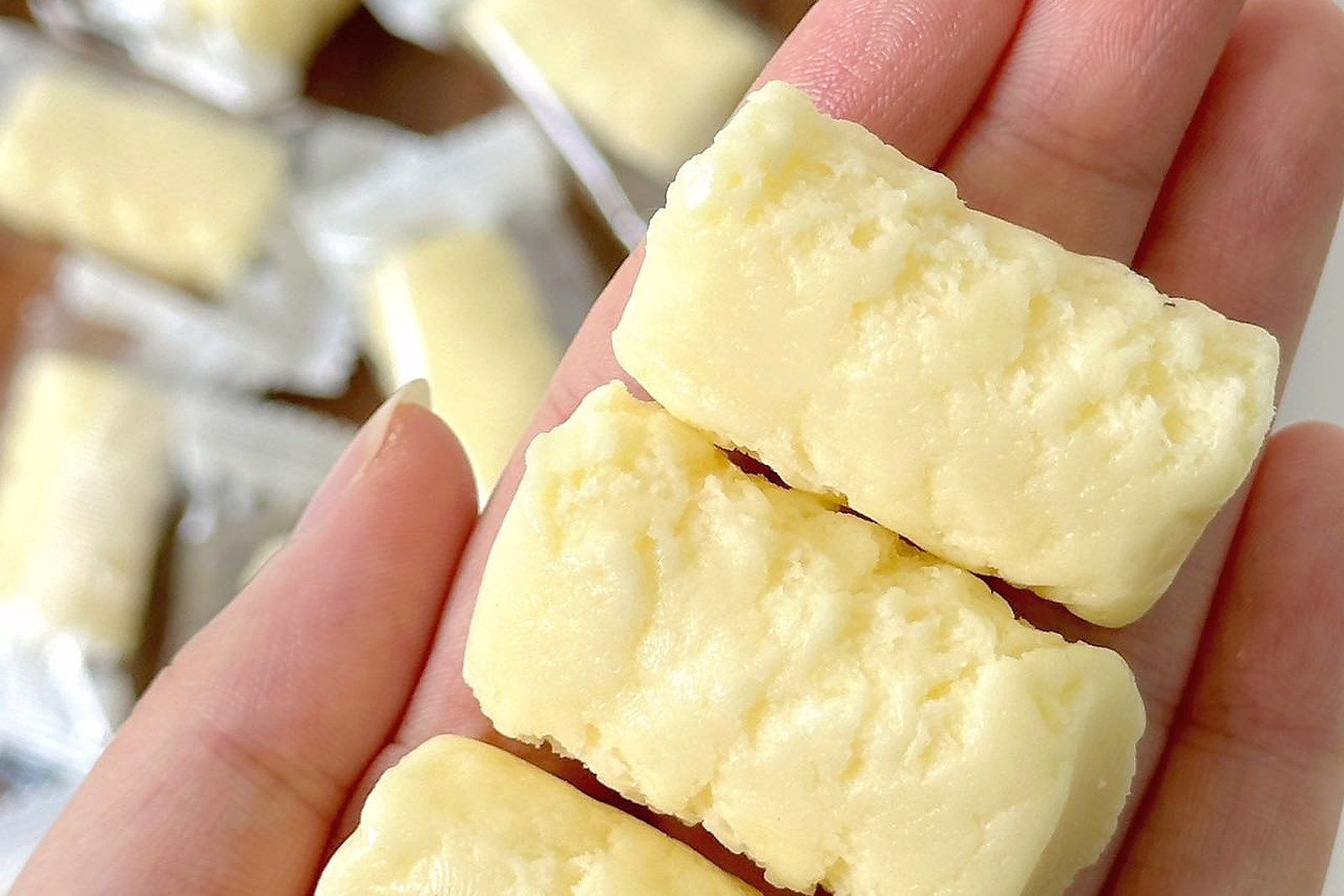
The town’s deepest habit is the two-texture calendar: soft curds in early summer, hard curds by autumn, and the sweetened re-boiled version – a concession to the cities – sold beside the original. Families still exchange curds with the neighbours after a big boiling day, and the batch’s quality is discussed with more feeling than any market price.
Nearly every other plate on this Altay list trades a different mood on the same table: 清炖大尾羊 qīngdùn dàwěiyáng clear-boiled lamb for the pot, 风干牛肉 fēnggàn niúròu air-dried meat for the winter store, 布尔津烤狗鱼 Bù’ěrxīn kǎo gǒuyú Burqin’s grilled pike for the river night, or 列巴 lièbā Russian bread for the morning table – four more doors into the same 阿勒泰地区 Ālètài Dìqū Altay Prefecture. Once the plates are planned, our Altay travel map fills the day.
Words and Names
What the Locals Know
flowcloud would say cheese curds are the prefecture’s pocket library of summer: every sour cube holds one long June day of pasture, filed away against winter. All checked November 2026.
Where to find it: Look for the dairy rows at Burqin and Altay county bazaars, where the curd strings hang dry rather than sitting sealed – soft curds mean early summer batches, hard curds mean the store, and a batch that puckers the cheeks is doing its job. All checked November 2026.