
澄迈福橙 chéng mài fú chéng is an orange with a county’s good name attached to it, and the county is 澄迈县 Chéng mài xiàn, on the northwest shoulder of 海南岛 Hǎi nán dǎo about an hour by road from 海口市 Hǎi kǒu shì. The fruit is grown in the low country around 福山镇 Fú shān zhèn, Fu Shan town, and takes its name from there: 福 fú is good fortune, 橙 chéng is the orange, so the county’s entire marketing line writes itself. 吃福橙,有福气 chī fú chéng, yǒu fú qì – eat a Fu orange and you eat a share of good fortune – is painted on the walls of the packing sheds and printed on every gift box that leaves the county.
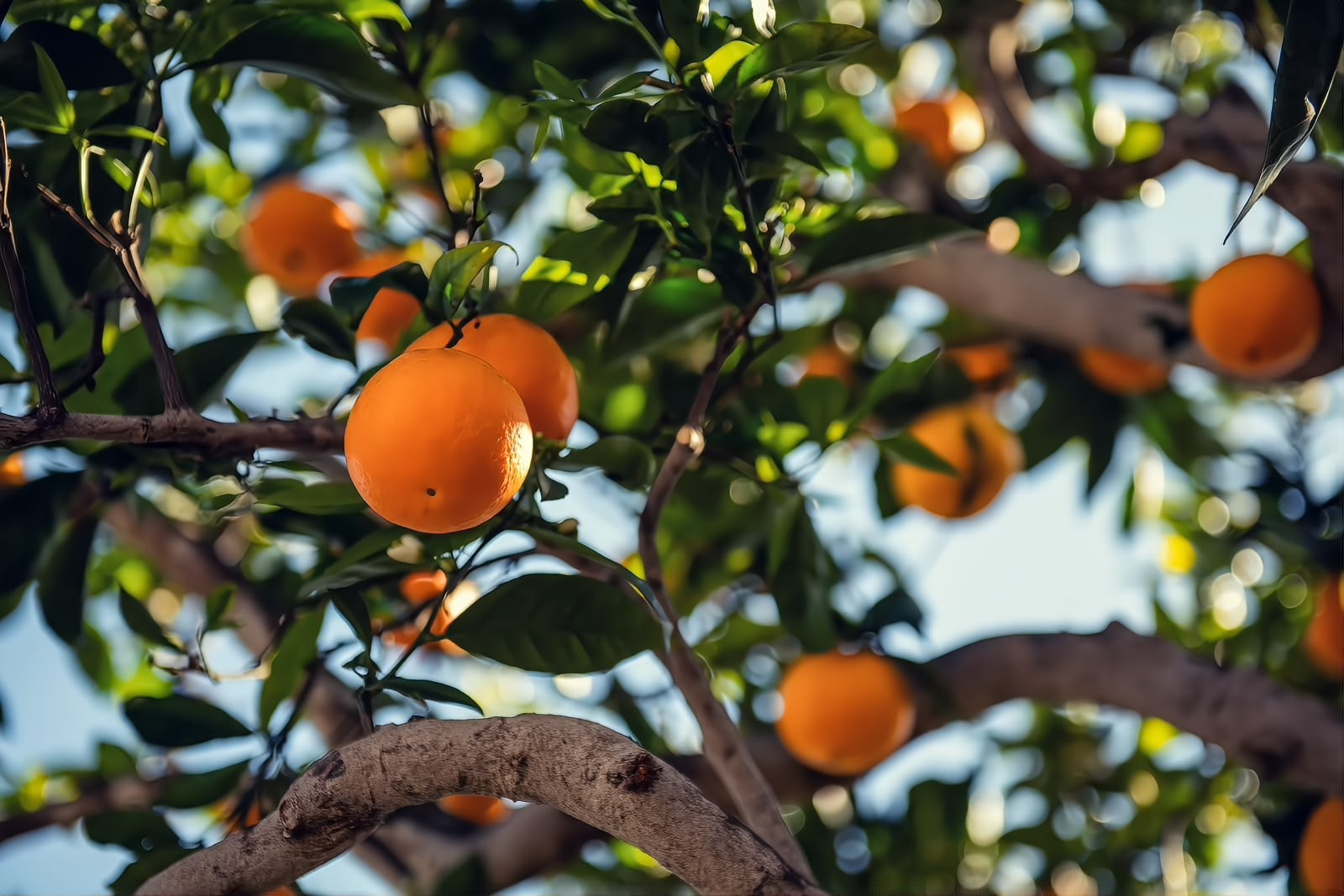
The variety is not ancient. It was brought in and then selected and improved locally from 2003, and the county is explicit that what it sells is a modern cultivar rather than an heirloom; what makes it worth a name is the ground it stands on. The soils of northern 澄迈 are volcanic and unusually high in selenium, and the county promotes the whole district as 富硒福地 fù xī fú dì, a land fortunate in selenium, the same mineral claim it makes for its sweet potatoes, its pomelos and its rice. The description the trade gives of a good 福橙 is a list of physical facts rather than adjectives: 果大皮薄, large fruit with a thin peel; 皮色金黄, gold at the skin; 富硒多汁, rich in selenium and in juice; 味香清甘, fragrant and clean-sweet at the finish. It has been registered as an agricultural geographical indication, and the county carries the title 中国澄迈福橙之乡 Zhōng guó Chéng mài fú chéng zhī xiāng, China’s home of the Chengmai Fu orange.
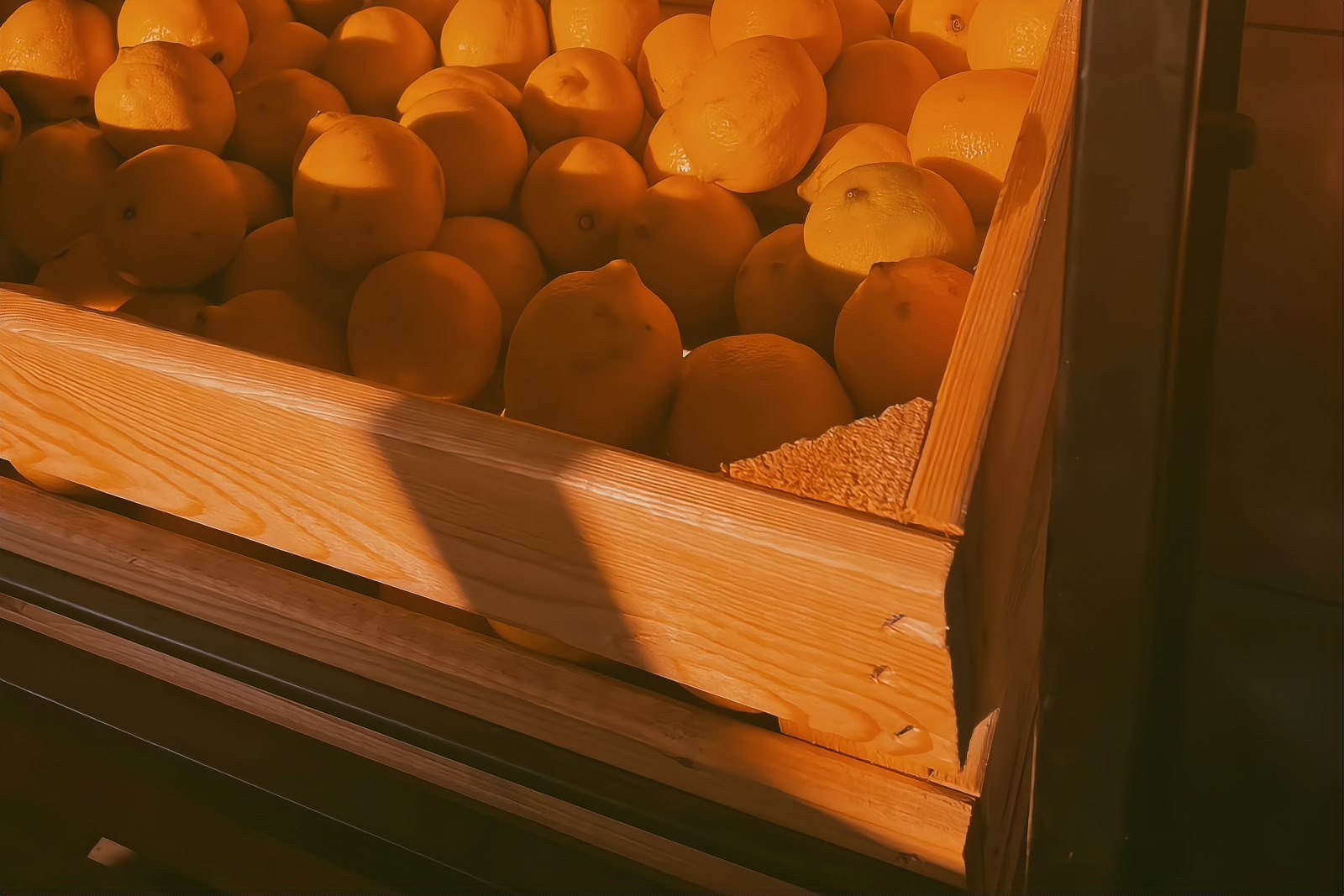
The plaques come out in every shop. The fruit is described as 中国国宴特供果品 Zhōng guó guó yàn tè gòng guǒ pǐn, a product supplied to state banquets, and as one of 中国十大名橙 Zhōng guó shí dà míng chéng, China’s ten famous oranges; in January 2008 a national fruit-industry conference in Beijing gave it the 中国最具特色产品奖, the prize for the country’s most distinctive product, and the county has quoted that line ever since. Whether or not a buyer cares about the awards, they show up in the price. A boxed 福橙 fetches several times what a supermarket orange does, and most of the crop is sold as a gift box in 海口 and 广州 rather than eaten in the county that grows it, which is a strange fate for a fruit that is at its best peeled over a sink.
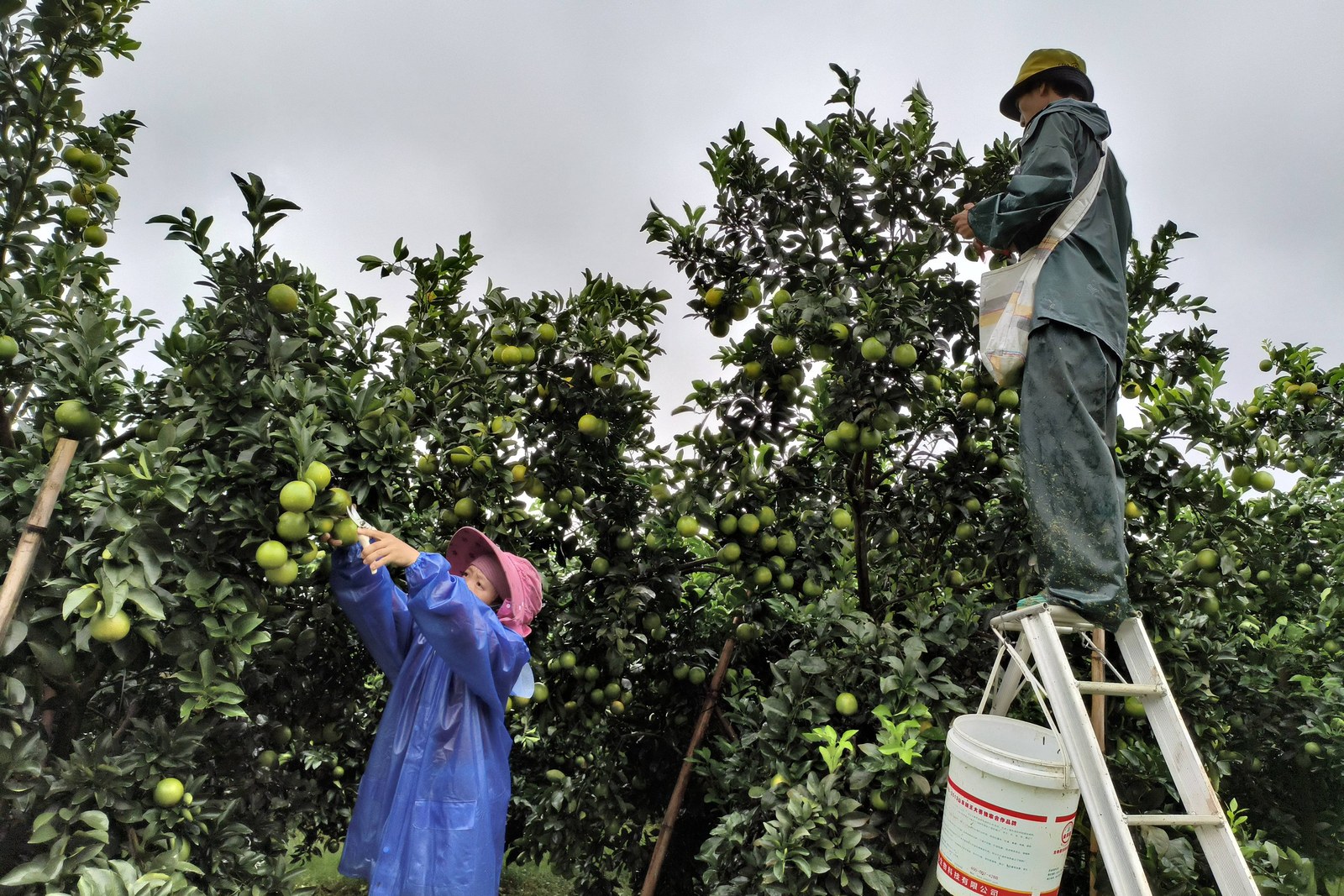
The county’s identity runs on this fruit, because 澄迈 sells itself as a 世界长寿之乡 shì jiè cháng shòu zhī xiāng, a world township of longevity, with more centenarians per head than almost anywhere in the country, and offers the selenium in its soil as the explanation. The orange is the most portable version of that claim on open sale; it is the thing a visitor is handed on the way out. The season is short and concentrated, December into January, and the fruit is eaten fresh and quartered rather than juiced, cooked or candied. The county’s confectioners dry part of the crop into peel and crystallise the segments for the gift trade, and the local drink is the peel steeped in hot water, but the point of a 福橙 is that it is the one fruit here bought to be given away rather than to be eaten by the person paying for it.
Words and Names
福橙 fú chéng, fu orange, is the geographical-indication name and the county’s own coinage: 福 from 福山镇 and 橙 the fruit. 福山镇 Fú shān zhèn is the town the variety was raised in, not a hill. 富硒 fù xī is selenium-rich, the mineral claim the whole district sells on; 富硒福地 fù xī fú dì is the phrase on the billboards. 国宴特供 guó yàn tè gòng, state-banquet supply, and 中国十大名橙 are the standard citations, and 长寿之乡 cháng shòu zhī xiāng, township of longevity, is the title 澄迈 holds as a county rather than as a town.
What the Locals Know
The test is weight and skin. A 福橙 should be heavy for its size, which means juice, and the peel should be thin, tight and faintly oily to the thumb rather than spongy; fruit that feels light has been off the tree too long or came out of cold storage, and outside December and January almost everything sold under the name has. The boxes are graded by size and the price steps sharply between grades, so the middle sizes are the value and the largest are for the gift market. Buyers are told to look for the county’s geographical-indication mark on the box rather than the word 福橙 alone, because the name is popular enough to be borrowed. Kept cool and dry, the fruit holds about a fortnight; the peel dries well and is kept in kitchens here to scent a room or to go into a pot of pork.
flowcloud would say that a county took an imported orange, planted it over a mineral it happened to be sitting on, named the fruit after a town and the town after good fortune, and then sold the whole thing as a blessing you can give to somebody else – which is the oldest trick in agriculture and still the most profitable one.
Where to find it: the orchards and packing sheds around 福山镇 in 澄迈县, where the fruit is sold in gift boxes and loose by weight through December and January; the town sits on the 西线高速 Xī xiàn gāo sù, the west-line expressway, about an hour from 海口 and fifteen minutes from 桥头镇, so the 福山 exit serves both the orange and the sweet potato. The county town, 金江镇 Jīn jiāng zhèn, has the larger fruit markets, and the boxes travel well enough that 海口’s shops carry them all winter at a markup.