
Chili Sesame Noodles
Some dishes you meet. Others you survive. Chili sesame noodles sit somewhere in the beautiful middle — they greet you at the door with the smell of toasted sesame and the perfume of chili oil, and then they make you work for every strand. In Changsha they are not polite. They do not wait. They arrive glossy, tangled, streaked with red, and they insist that you pay attention to them and nothing else for the next ten minutes.
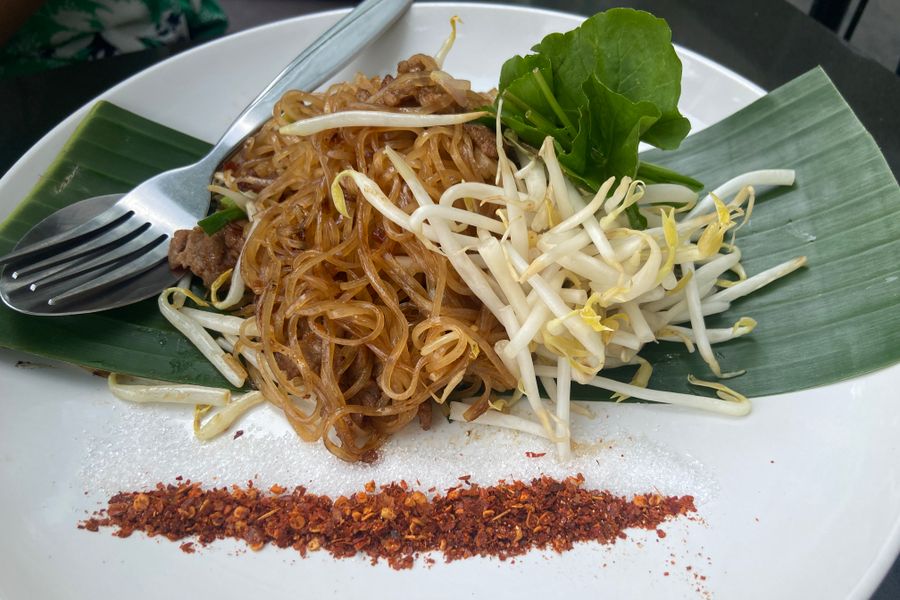
Noodles That Came In From the Cold
Wheat noodles have travelled the length of China, but the pairing of sesame and chili is a Southern obsession. In Hunan, where the air itself seems to carry red pepper dust, the noodle bowl became a daily argument between the creamy calm of sesame paste and the restless heat of the duojiao — the chopped pickled chili that gives the dish its signature. Where the north might add peanut paste and sugar, Hunan adds fire.
The modern bowl is a street food of the morning and the midnight. In the old days it was a dish for porters and students — cheap, filling, warm — the sort of thing a body needs when it has walked all day and will walk all night. Some say the sesame was added to soften the chili’s temper, the way a good companion steadies a loud one. The result is a bowl that never lets go of either voice.
The Alchemy of the Sauce
The genius of the dish lives entirely in its sauce, and every stall in Changsha believes it owns the true version. First, the sesame: roasted slowly, ground with a little oil until it becomes a paste thick as memory, then loosened with soy, dark vinegar, and a splash of the water the noodles were boiled in. Then the chili: duojiao, chopped small and pickled, or a rough-ground chili flake bloomed in hot oil, releasing that deep, brick-red perfume that follows you home.
A little sugar balances the sour. A little garlic hides under the heat. The noodles themselves should be fresh, springy, chewed with some resistance — never soft, never sad. It all gets lifted and tossed with chopsticks until the sauce has climbed into every fold, until nothing in the bowl remains neutral.
The Moment You Taste It
There is a moment, about three mouthfuls in, when the dish decides who you are. The first bite is perfume — sesame and smoke. The second is warmth. By the third, the chili has found your attention and is holding it. But here is the Hunan secret that flowcloud loves: the heat does not last. It flares, then fades, leaving the roundness of sesame to close the flavour the way dusk closes a day — gently, and in your favour.
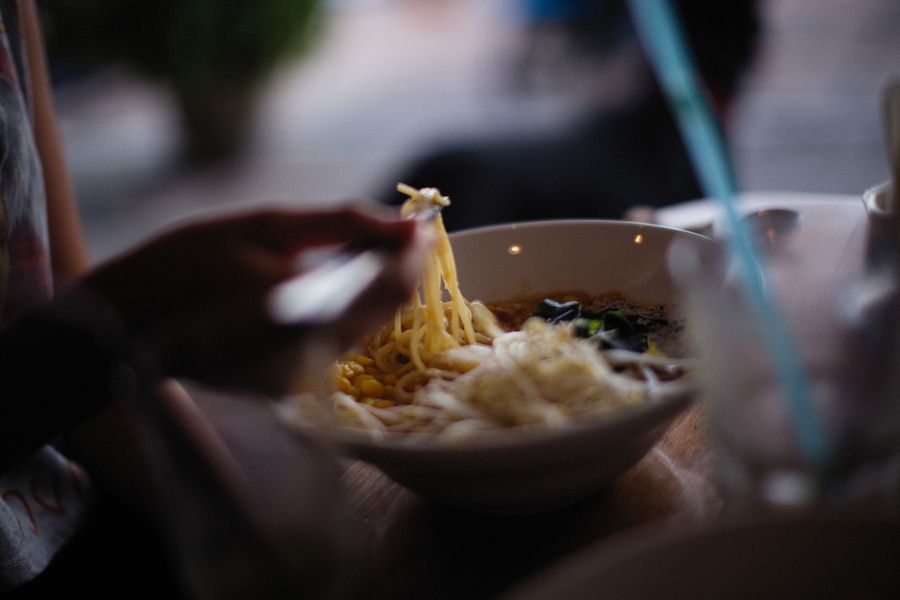
You eat them with a spoon of the noodle water at the side, because the final bites, crusted with sauce at the bottom of the bowl, are the best and the most demanding. Nobody talks during this part.
Where to Find Them in Changsha
In 坡子街 (Pozijie), the noodle shops open before the sun and shut their doors past midnight, and the same bowl serves both crowds. In 南门口 (Nanmenkou), you will find small stalls where the cook still grinds the sesame to order, the smell pulling people in from a hundred metres as if by a thread. Near 火宫殿 (Huogongdian), the bowl is served smaller and hotter, the way the old city likes it — a bite of weather you can eat.
Ask for mian, not too saucy if you are new to it, and do not ask for it mild. The whole point of coming to Hunan is to meet the chili halfway. The sesame will look after you; the chili will test you; together they will leave you changed.
A Bowl That Understands the Road
There is a loneliness to the perfect noodle bowl that flowcloud never stops photographing. A single bowl, a pair of wooden chopsticks, steam rising in a public room full of strangers eating alone together. The noodles are a travelling food — they ask for nothing but a table and ten quiet minutes. They forgive you for eating them fast, and they reward you for slowing down.
Maybe that is the real reason travellers love them: the chili sesame bowl is a complete conversation that requires no companion. It is the dish of the person sitting by a window in a strange city, watching the street move, feeling the last warmth of the day. It says: you came here alone, but you will not eat alone. I will keep you company. I will keep you warm. I will test you, and you will pass.
Where to find it: 坡子街, 南门口, 火宫殿. Look for the window with the red oil gleaming, the sesame being ground by hand, and the queue of people holding chopsticks like weapons of hope.