
Chongming Clear-Water Crab: The Yangtze-Estuary Crab of Green Shell and White Belly, Steamed Plain with Ginger Vinegar Through the Ninth-and-Tenth-Month Season in Chongming District, Shanghai
九雌十雄清水蟹,一笼蒸汽满岛香。Jiǔ cí shí xióng qīngshuǐ xiè, yī lóng zhēngqì mǎn dǎo xiāng – In the ninth month the females, the tenth the males, clear-water crabs; one steamer’s vapour and the whole island smells.
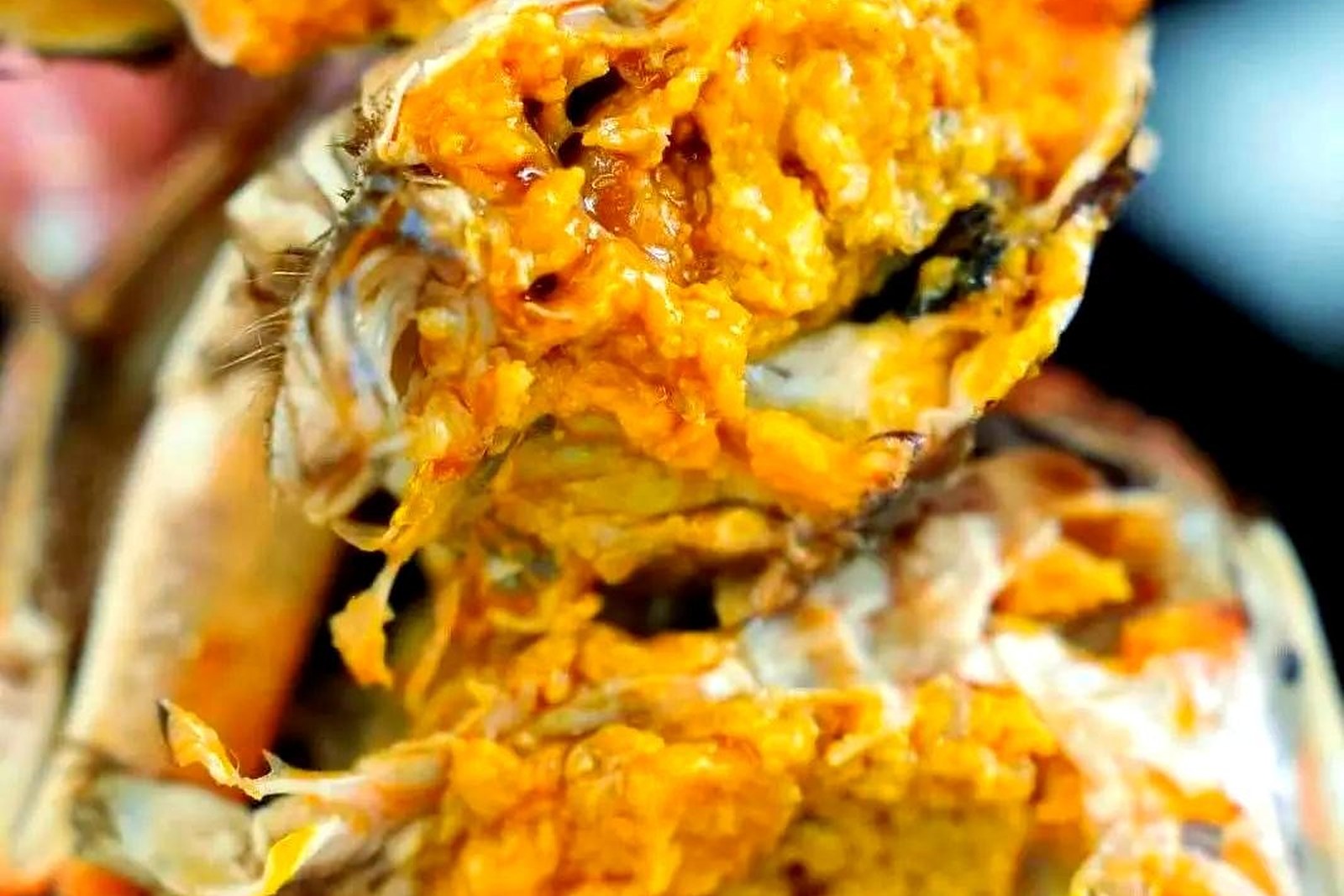
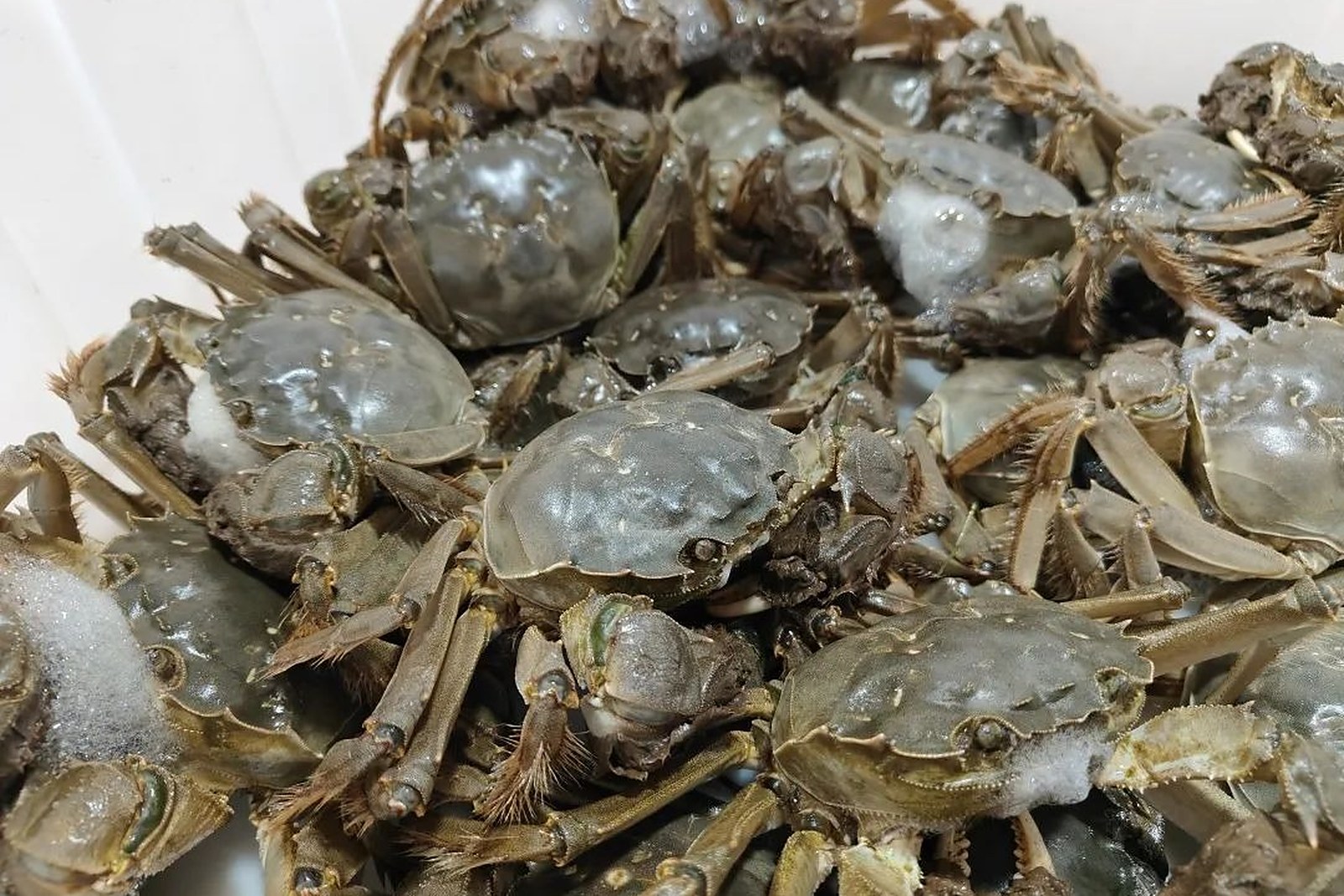
崇明清水蟹 Chóngmíng qīngshuǐ xiè Chongming clear-water crab is the island’s own answer to the hairy-crab question – a Yangtze-estuary crab raised in the island’s brackish creeks and pond systems, green-shelled, white-bellied and golden-clawed, smaller and firmer than the famous lake brands but, its partisans insist, sweeter for the mix of river and sea in the water. The islanders steam them plain, no wine, no spice, so the roe speaks for itself, and serve ginger-vinegar on the side with a pot of bitter tea to cut the cold of the shell. Farm gates along the creek roads sell them by the basket, and the seafood streets of the ferry towns steam them to order all autumn. The register is farmhouse feast: newspapers on the table, vinegar dishes, fingers and shells.
Call it honestly: pond-gate money on a lunar clock. Getting there is one door: the crab-farm creek lanes run south of 城桥 Chéngqiáo Chengqiao town, reached by cross-island bus or the tunnel roads (worth confirming the details for the farmhouse lunch reservations, which the weekend crowds book out), and the ferry-town seafood streets steam to order without booking at all. A basket at the pond gate prices at market-morning money, a farmhouse crab lunch at occasion-within-reason money, a full festival table in the ninth-month peak at celebration-within-reason money – though exact figures are worth confirming the details on rather than quoting, the ponds repricing weekly with the cold snaps. The crowds run to the calendar: the 九雌 jiǔ cí female weeks stack the gates and the roe-heaviest crabs sell by noon, shoulder weeks hand the ponds to the regulars, and a weekday mid-morning, when the first steamers have come off and the farm family is grading the morning catch, is the eater’s own hour.
The honest star is the roe itself, graded crab by crab. What gets oversold is the “Yangcheng Lake rival” framing: guides sell a head-to-head where none exists, because the clear-water crab is a different animal from different water – smaller, tighter, half-sweet – and the comparison does both a disservice. What repays is the estuary in the flavour: a sweetness from half-salt creeks that lake ponds cannot copy, an island kitchen that steams rather than drowns the crab, and the ceremony of peeling – roe like gravel gold, milt like salted custard – over a table of neighbours (worth confirming the details for the tenth-month male season, which the milt-lovers claim outshines the roe).
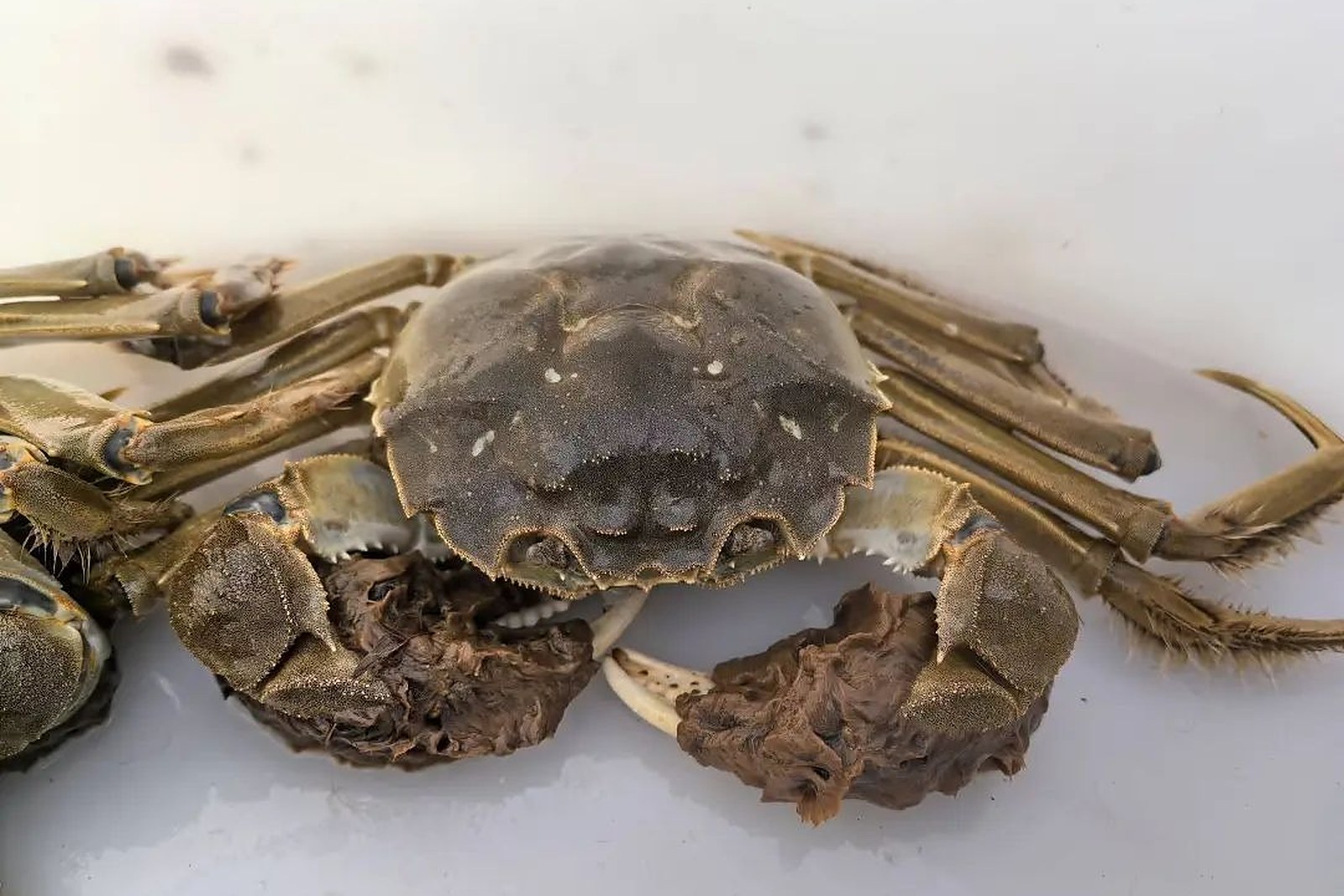
The town’s deepest habit is the steam discipline itself: no wine in the pot, no spice on the shell, vinegar and bitter tea standing in for every sauce – a cooking so plain it reads as a manifesto, and the reason the farmhouse tables fill before the restaurant ones do.
The rest of this Chongming list keeps other tables: the sweet steam of 崇明糕 Chóngmíng gāo the rice cake fills the mornings, the winter crocks of 崇明白山羊 Chóngmíng báishānyáng the white goat warm the cold weeks, the pond plates of 崇明河鲜 Chóngmíng héxiān the river catch dress the noon hours and the golden shreds of 崇明金瓜丝 Chóngmíng jīnguā sī open the banquets – four more doors into the same 崇明区 Chóngmíng Qū Chongming District.
Words and Names
What the Locals Know
flowcloud would say that the 崇明清水蟹 Chóngmíng qīngshuǐ xiè is the estuary’s crab and the lunar-calendar eating of the island creeks – a plain-steam discipline where the ginger vinegar and the bitter tea answer the roe-and-milt calendar of the ninth and tenth months – and that the honest move is to eat the first crab unseasoned, watch whether the meat tastes of the water, and let the farmhouse steam cast the vote, because the estuary raised the crab and the clock keeps the custom. All checked October 2026.
Where to find it: 崇明区 Chóngmíng Qū Chongming District, Shanghai – the crab ponds and creek lanes south of 城桥 Chéngqiáo Chengqiao town, where the 清水蟹 qīngshuǐ xiè clear-water crab keeps the plain-steam register through the 九雌十雄 jiǔ cí shí xióng ninth-female tenth-male season and the ginger-vinegar jiāng cù dish and bitter-tea kǔchá pot do the seasoning, reached by cross-island bus or the tunnel roads to the creek crossroads (worth confirming the details for which farm gates run lunches and which sell baskets only, pond doors turning over as pond families do), where the trade keeps the lunar clock – ninth month the stacked gates, tenth month the milt runs, shoulder weeks the regulars’ loop, weekday mid-morning the eater’s own; market-morning to celebration-within-reason money by the basket, so call it worth confirming the details rather than a fixed number, and let the farmhouse steam cast the vote. Chongming clear-water crab is the estuary crab of the island creeks, steamed plain and eaten at the speed of the season – the taste of 崇明区 Chóngmíng Qū Chongming District eaten one roe-deep, vinegar-dipped piece at a time. All checked October 2026.