
Sayram’s Peled: Silver Scales Raised on Snowmelt, Northern Xinjiang’s Most Precious Mouthful of Fresh
雪水养出银鳞鲜 Xuěshuǐ yǎng chū yín lín xiān – Snowmelt raises silver-scaled freshness
Sayram Lake’s water comes straight off the snowfields – cold and liminal-clear year-round – and it raises Xinjiang’s most celebrated coldwater fish, the peled. This salmonid, native to northern Europe, was introduced to Sayram at the end of the last century and improbably made its home in the plateau’s cold water, growing silver-white and fat. Cold water grows fish slowly: a table-ready peled needs years in the lake, which is why the flesh lands so firm yet tender, with few, soft bones – even the unpracticed fish-eater can commit with confidence.
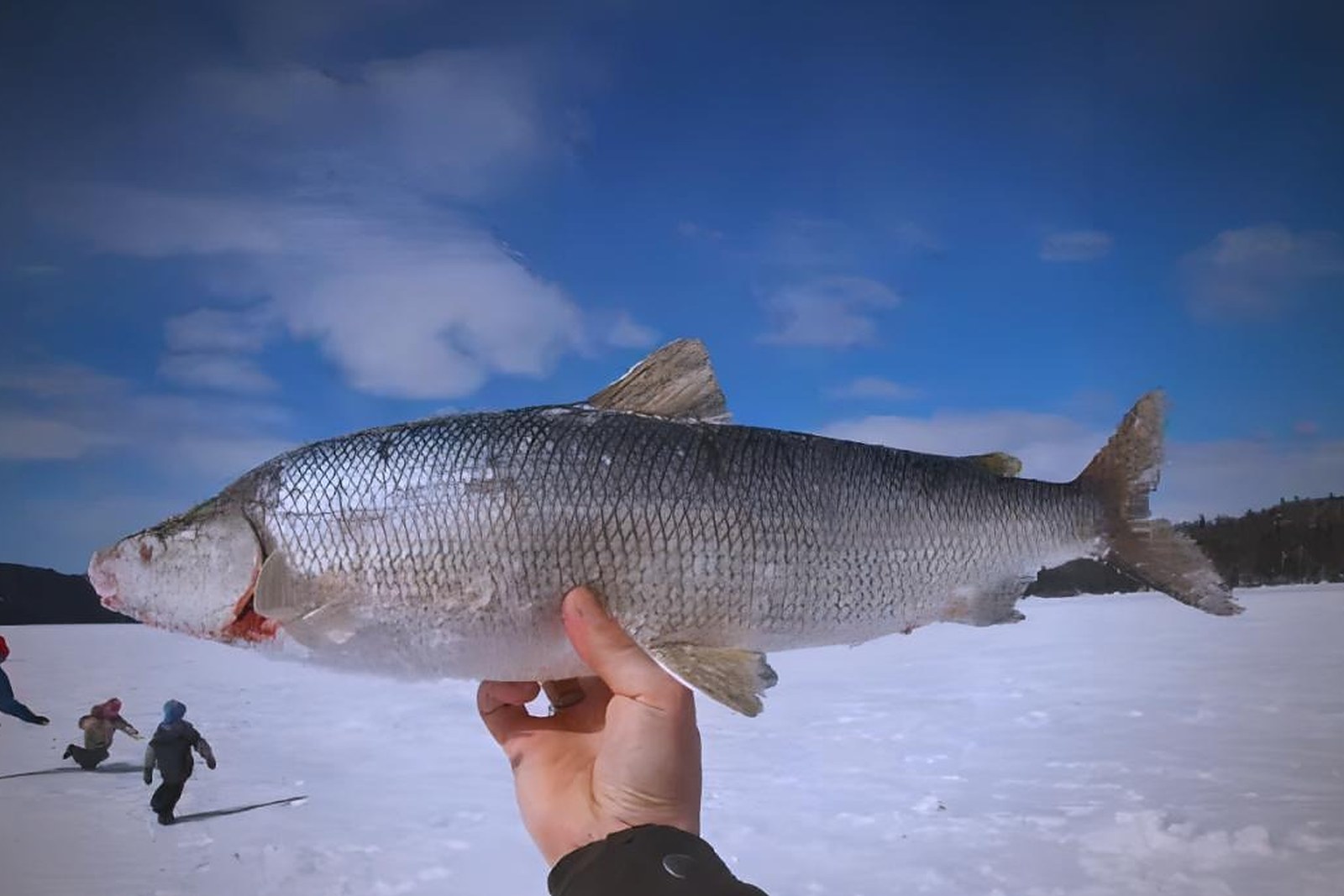
The lake’s fishery management is strict: an annual closed season guards spawning, with hard quotas on catch volume, mesh size, and landing dimensions – any peled under spec is released back to the lake. Every market fish you see lakeside has passed a three-layer filter as a legal adult. Twenty years of this regime built the reputation that the water is as clean as the flesh. Many fish-house families hang old photographs of their first boats and can recite the year of their first peled net – stories with the same slow-simmered thickness as the soup. Ordering a fish here, you are in effect paying into a sustainable fishery order.
The lakeside fish restaurants are mostly family houses – grandfather was among the first fishing crews, and the stove craft has passed three generations. Let the owner steer you to the day’s best preparation: fish landed at dawn goes to clear stew, afternoon fish suits the pan-fry – rules rubbed out over decades. Arrive before the meal rush and you can claim the largest fish in the tank; after the rush, the good ones are spoken for by regulars.
The peled’s introduction was a thirty-year scientific relay: in the 1990s Xinjiang’s fisheries experts imported eggs from Russia, trial-reared them in Sayram successfully, and have stocked and released every year since, producing today’s stable catch. The species is fastidious about water – the slightest shift disturbs spawning – so a Sayram peled is, in essence, a water-quality certificate with scales.
Lakeside kitchens treat the peled around one character: fresh. Simmer it in clear water with ginger and scallion, and the broth turns milky while the flesh splits into garlic-clove flakes at a touch of the chopsticks. In winter, the lake freezes – ice-fishing season – and nets come up through the holes with the lake’s chill still on the fish, straight into the kitchen: a freshness no city fish house can counterfeit.
The households keep one unwritten rule: order a fish, receive the soup. The broth – the fish’s own liquor, simmered on with tofu and goji – arrives milky in a rough ceramic bowl with a dish of pepper salt. Many customers come for that bowl alone: the freshness lives in the water, the flesh is the supporting act, the soup is the soul. Do not salt it at first sip; taste the original, with the whole lake’s cleanness inside.
The side dishes earn serious ordering too: cold-tossed sand chive, a plateau wild vegetable crisp and faintly sharp, sets off the fish’s sweetness; herder-made dried yogurt curds, salty and chewy, hold you over while the fish cooks. A local kvas beside grilled fish sets malt sweetness against charcoal char, neither conceding.
Eating well takes method: for stew, start the fish in cold water and drop to a low simmer after boiling, or the broth never turns milky; for pan-fry, choose iced-fresh fish, hot pan and cold oil, crisp the skin gold before turning, finish with a pinch of flake salt. The private-house specialty minces the flesh into a paste with a little pork fat, forms fish balls, and poaches them in broth – spoon-tender, loved by old and young alike.
Beyond stew, grilling and pan-frying are the lake’s strong suits: the peled’s moderate fat slow-roasts over charcoal until the skin crackles and the oil renders, needing only salt to hold the line. After the fish, a bowl of the broth scattered with cilantro, and even the plateau wind turns gentle.
Beyond the fresh fish, the same 博尔塔拉蒙古自治州 Bó’ěrtǎlā Měnggǔ Zìzhìzhōu Bortala Mongol Autonomous Prefecture holds other flavors: 精河枸杞 Jīnghé gǒuqǐ Jinghe goji berries, 手把肉 shǒubàròu hand-grabbed lamb, 蒙古奶茶 Měnggǔ nǎichá Mongol milk tea, and 风干羊肉 fēnggān yángròu wind-dried mutton – four more doors into the same 博尔塔拉蒙古自治州 Bó’ěrtǎlā Měnggǔ Zìzhìzhōu Bortala Mongol Autonomous Prefecture. With the fresh fish settled, our Bortala travel map fills the day.
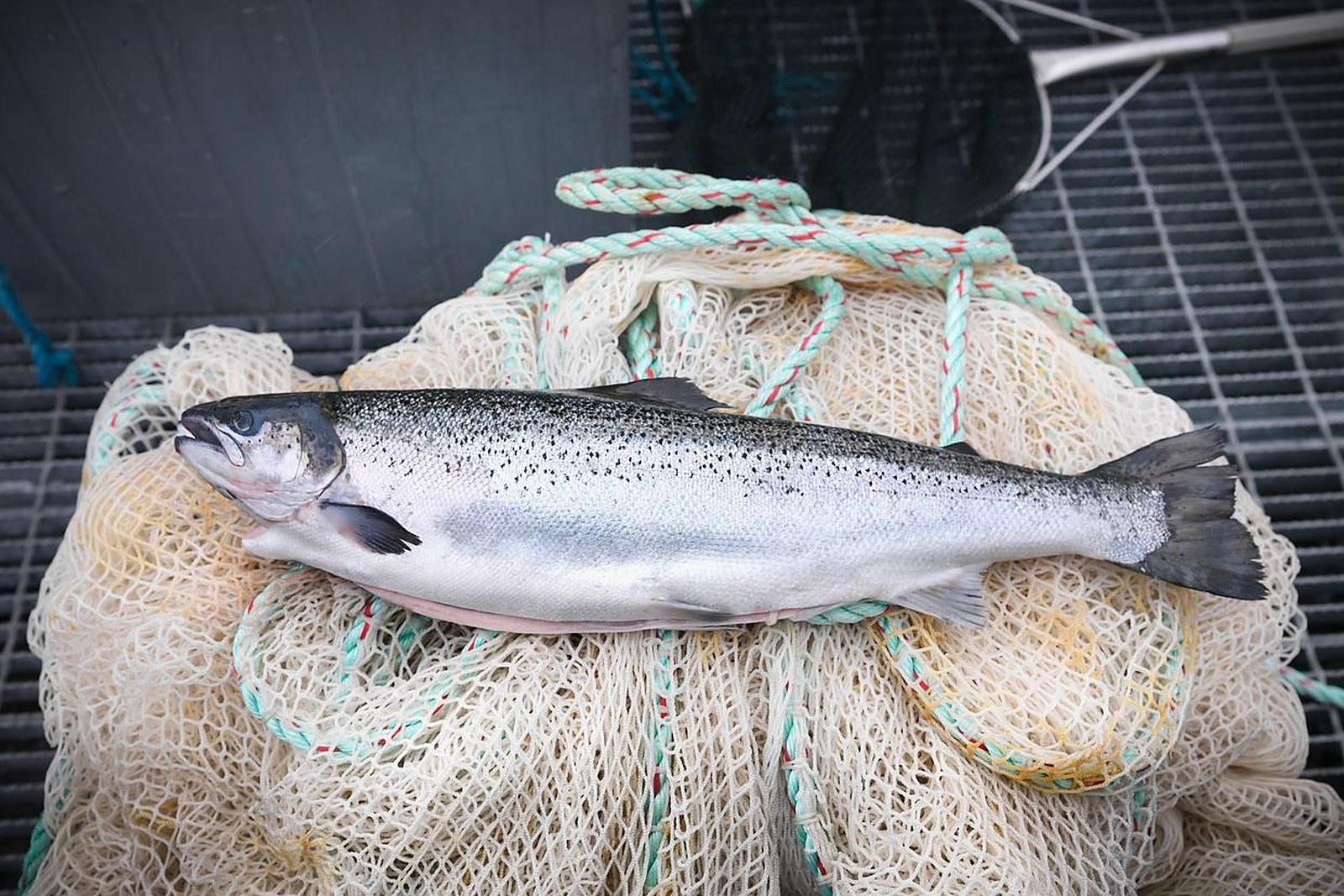
The peled’s scarcity of bones is famous, but first-timers still ask how to pick them: the intermuscular bones are short and soft, dissolving with slow chewing – safe for elders and children. The fish-house trick is to lift along the flake lines: one stroke of the chopsticks raises a whole fillet; dip it in the broth and the freshness carries one more cool layer than any steamed sea bass.
Visitors entering by the scenic area’s south gate should not miss the shallows below the fish-viewing platform: on clear days peled cruise the shallows in schools, silver lateral lines flickering. Where watchers gather, feeders follow – the wardens warn that bread changes the fish’s diet. Look, but do not feed.
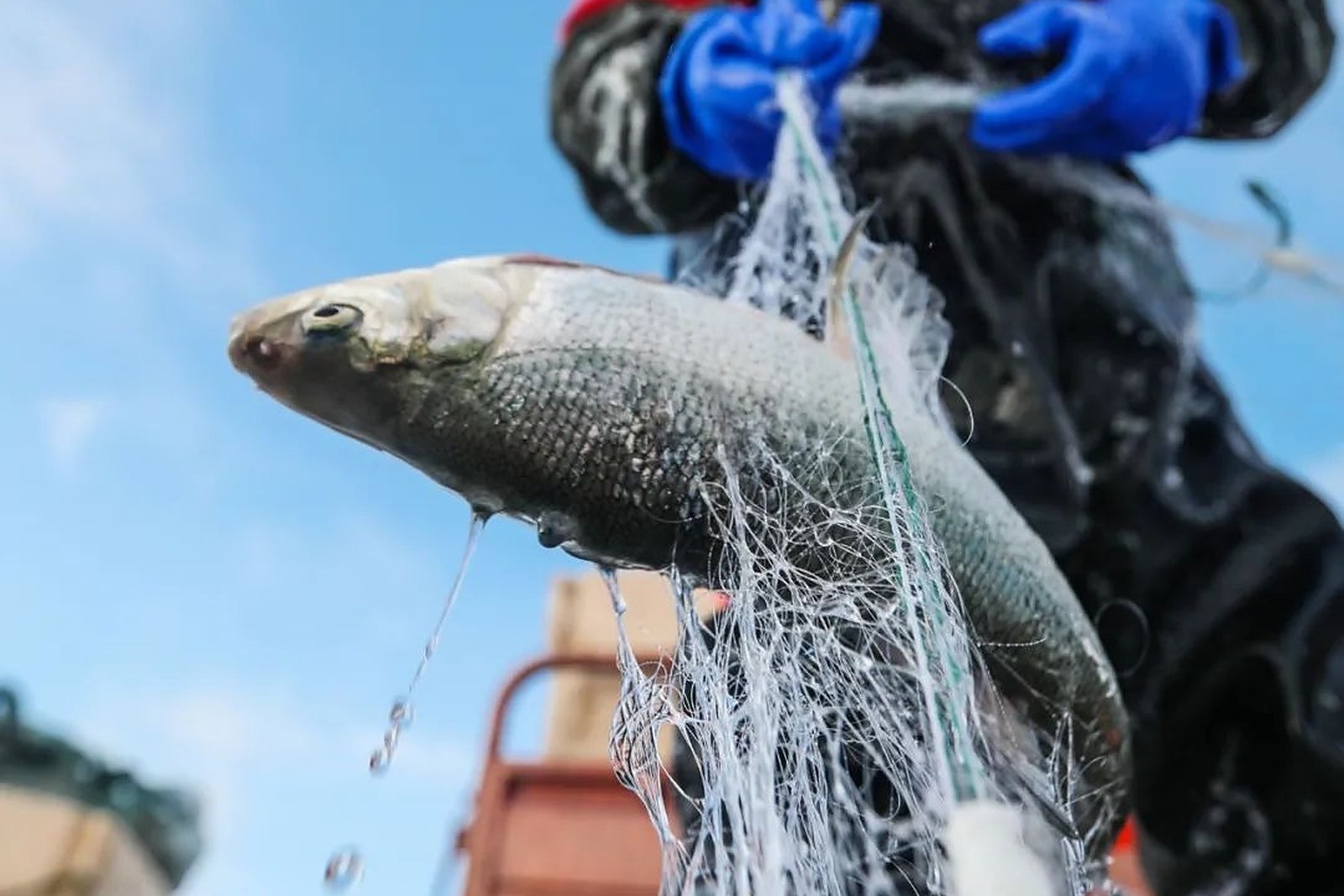
Winter fishing is Sayram’s cold-season event: once ice thickness passes standard, crews cut two ranks of holes and sink nets running hundreds of metres; at haul-up the peled come through thrashing and flash-freeze in the minus-twenty air, sheathing in ice that glitters in the sun – one of northern Xinjiang’s most viral winter scenes.
The restaurants price peled by the jin, with real seasonal swing – ask the day’s rate before ordering. If you drive, buy two iced fish and have your guesthouse cook them for a modest fee; with your own bottle, dinner in the courtyard upgrades on the spot. Frozen transport exists too: foam box and ice packs hold a full day’s drive, carrying this plateau freshness to friends in Urumqi or Yining.
Season choice matters: spring fish arrive lean after winter, flesh firm; autumn fish fatten for winter – local gourmets set September to November as the peled’s golden season. If you come in winter for the ice fishing, the pot caught and stewed that morning out-trumpets every other month.
Winter net-hauling takes some luck: the workface floats with ice conditions and moves daily – ask your hotel’s front desk where the day’s hauling point is. The scene runs about an hour: work chants, flying ice chips, white fish leaping – no soundtrack required for the video.
To take peled home, the cold chain is mature: iced fish in foam boxes with ice packs hold six to eight hours at ambient, and flight check-in to Yining or Urumqi is feasible. Easier still is vacuum-packed smoked peled – the tea-smoked version carries a faint wood note, sliced with naan for a respectable picnic or train meal. Specialty shops sometimes offer caviar gift boxes from peled roe, sold only in big years – meeting one is luck. The boat owners’ advice is blunt: check the gills – dull brownish red means walk away; bright pink means today’s catch.
Words and Names
What the Locals Know
flowcloud would say the peled is Sayram Lake’s letter to diners: the cleaner the water, the cleaner the flesh.All checked November 2026.
Where to find it: The fish houses of the south-shore village and Santai tourist town are the standard – check the live tank first: bright silver scales and clear eyes mean fresh. Order a two-jin fish clear-stewed to taste the water honestly, and add one grilled fish to share for the full picture. All checked November 2026.