
Sip the Soup: Yancheng’s Qiyuan Crab-Roe Buns
一屉汤包秋蟹肥,吸管轻点鲜满嘴 Yī tì tāngbāo qiū xiè féi, xīguǎn qīngdiǎn xiān mǎn zuǐ – One steamer of buns in the fat crab autumn; a straw dipped lightly, freshness fills the mouth
正文:奇园蟹黄包 Qíyuán Xièhuángbāo the Qiyuan crab-roe buns are Yancheng’s soup-bun oddity – steamed buns from the city’s old Qiyuan teahouse tradition, filled with crab meat, crab roe and a rich aspic stock that liquefies in the steamer, so abundant that the proper way to eat one is with a straw. The buns belong to the Huaiyang soup-bun family but stand at the generous end of it: the skin is thin yet strong enough to hold a full ladle of soup, the filling runs golden with roe in crab season, and the teahouses that make them treat the straw as a signature rather than a gimmick. Autumn is the natural season – the local lakes and ponds produce the crabs – and a steamer of these buns with vinegar and ginger is the city’s reward for showing up in the right month.
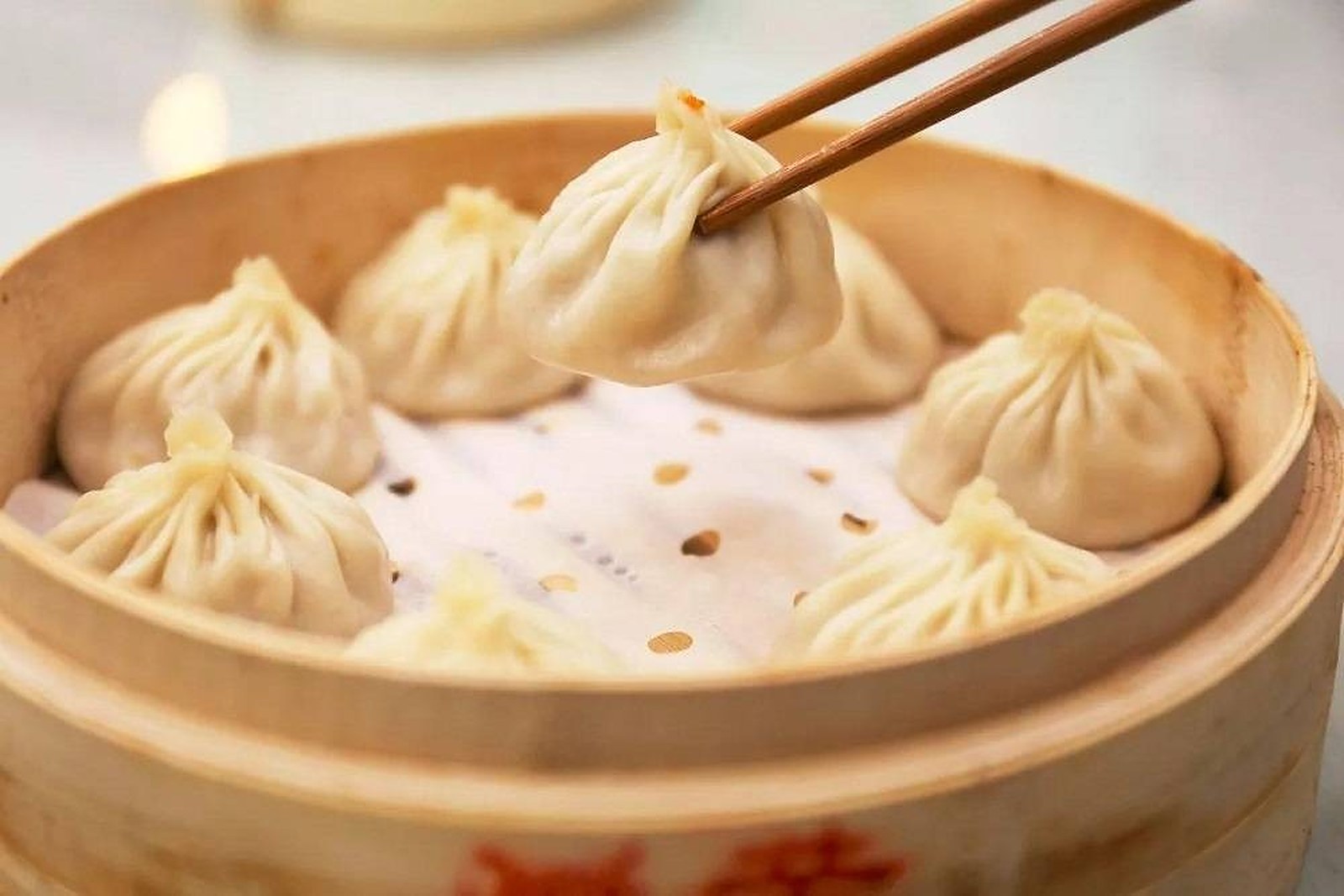
The steamer comes first: pleated domes the size of a fist, skin pale and faintly translucent, roe colour showing where the filling presses through. Lift one onto your spoon, nibble a hole in the skin, and the soup runs out – deep amber, glossy, the smell of crab and ginger stock all at once.
Then the ritual. Straw or no straw, the order is the same: drink the soup while it is hot, dress the shell with vinegar, and finish the skin and the crab filling together – meat, roe and wrapper in one bite if the bun has held. The best kitchens balance the stock so it gels cold and pours hot; a bun that leaks early has rolled too thin, and a bun that pours cloudy has boiled too rough.
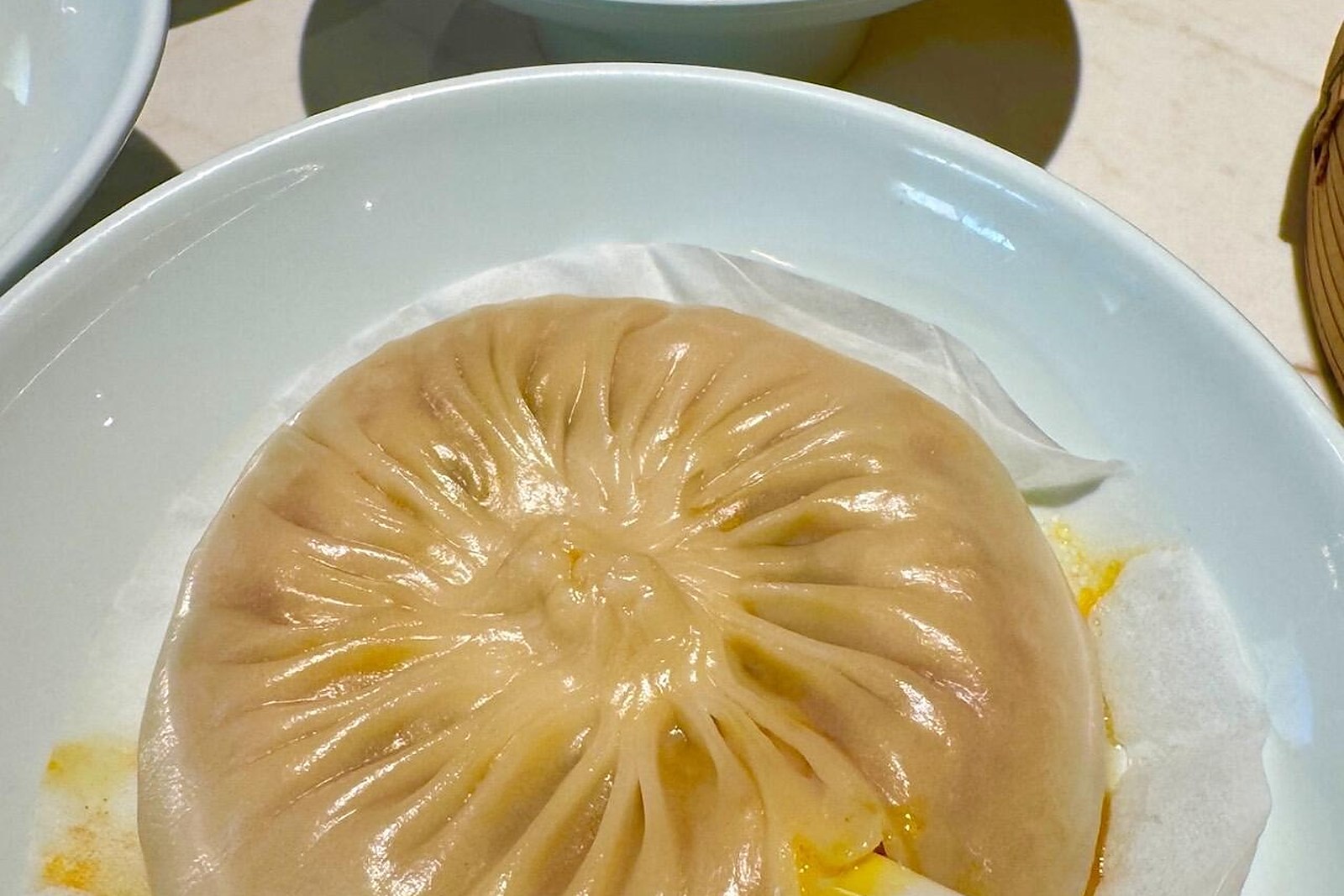
Crab season shapes the calendar. From early autumn into winter the buns peak – roe full, meat sweet – and teahouses steam them to order in batches; outside the season the filling leans on roe paste and the soup thins. Order a steamer per person, not to share: the count goes faster than anyone admits, and the vinegar dish is not optional.
The same district holds more flavors worth chasing: 东台鱼汤面 Dōngtái Yú Tāngmiàn the fish-soup noodles, 建湖藕粉圆子 Jiànhú Ǒufěn Yuánzi the lotus-root starch balls, 阜宁大糕 Fùníng Dàgāo the Funing rice cake, or 伍佑糖麻花 Wǔyòu Táng Máhuā the sugar twists – four more doors into the same 盐城市 Yánchéng Shì Yancheng City table.
Words and Names
What the Locals Know
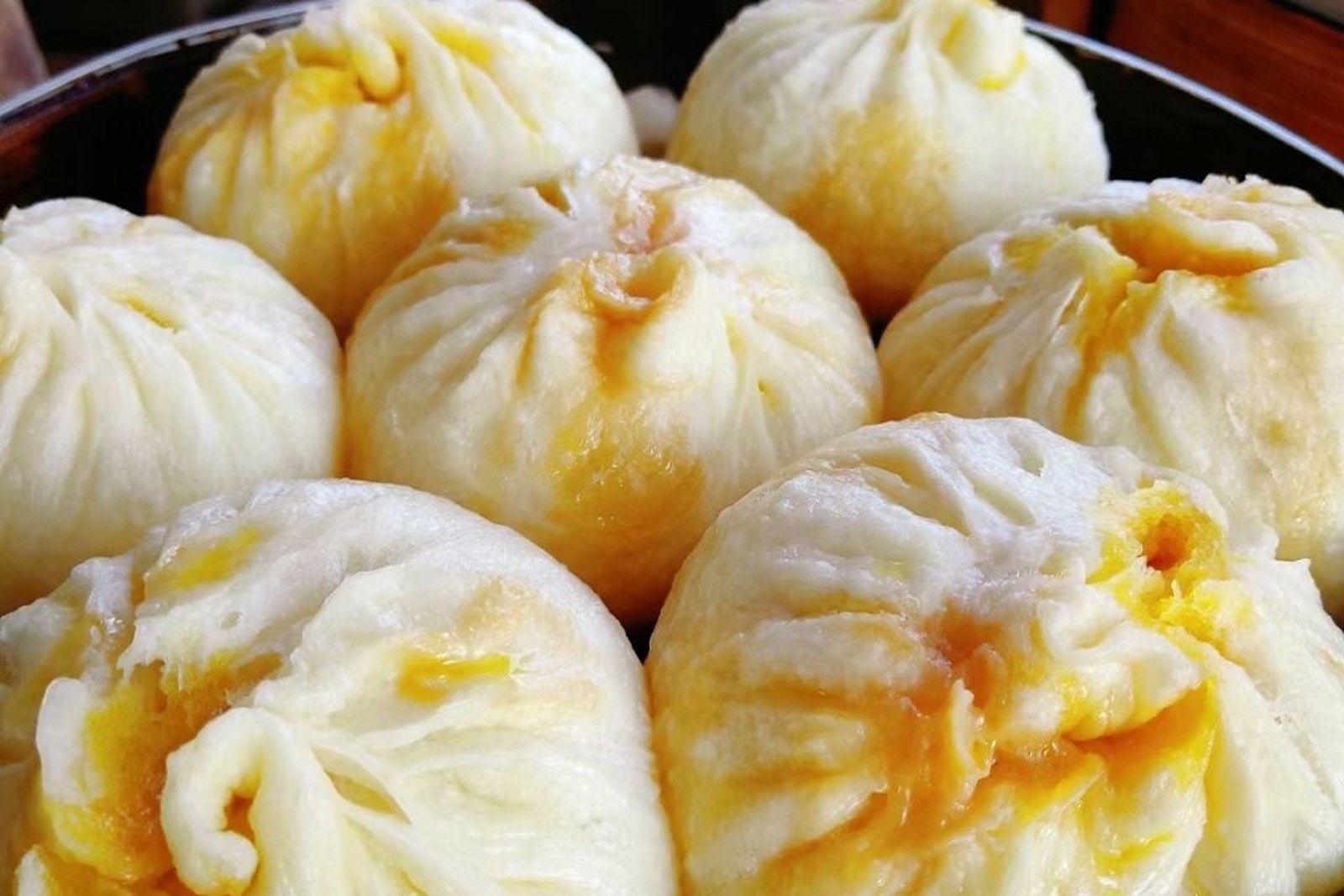
flowcloud would say the Qiyuan bun turns patience into soup: a straw, a steam of crab, and a city that grades its autumn by the drawer. All checked November 2026.
Where to find it: The crab-roe buns anchor Yancheng’s old teahouses and the Huaiyang restaurants around the city center – best from autumn through early winter, steamed to order with a straw per bun, priced by the steamer; weekday mid-morning beats the weekend queue, and the vinegar-ginger plate comes standard. All checked November 2026.