
Lanterns You Can Eat: Jingjiang’s Crab-Soup Buns
皮薄如纸提似灯,一吸蟹味满堂秋 Pí bó rú zhǐ tí sì dēng, yī xī xiè wèi mǎn táng qiū – Skin thin as paper, lifting like a lantern; one sip and the room fills with the autumn of crab
正文:蟹黄汤包 Xièhuáng Tāngbāo crab-soup buns are 靖江市 Jìngjiāng Shì Jingjiang City’s edible magic trick – dumplings filled not with solid filling but with a running soup of crab meat, crab roe and pork-aspic stock, encased in skin rolled so thin the orange of the roe shows through. The rite of eating is the city’s signature: lift the bun with chopsticks and it hangs like a lantern; set it down and it flattens like a chrysanthemum – the couplet every Jingjiang child learns. Inside the skin, a gelatinised stock melts under steam into broth, so the diner bites a window, sips the soup – crab-sweet, faintly gingery, dangerously hot – and only then addresses the skin itself. The bun is 靖江 Jìngjiāng Jingjiang’s embassy dish: river crabs from the Yangtze’s backwaters, pork skin stock simmered a day ahead, and wrappers that apprentice bakers spend years learning to roll to translucency without a single tear.
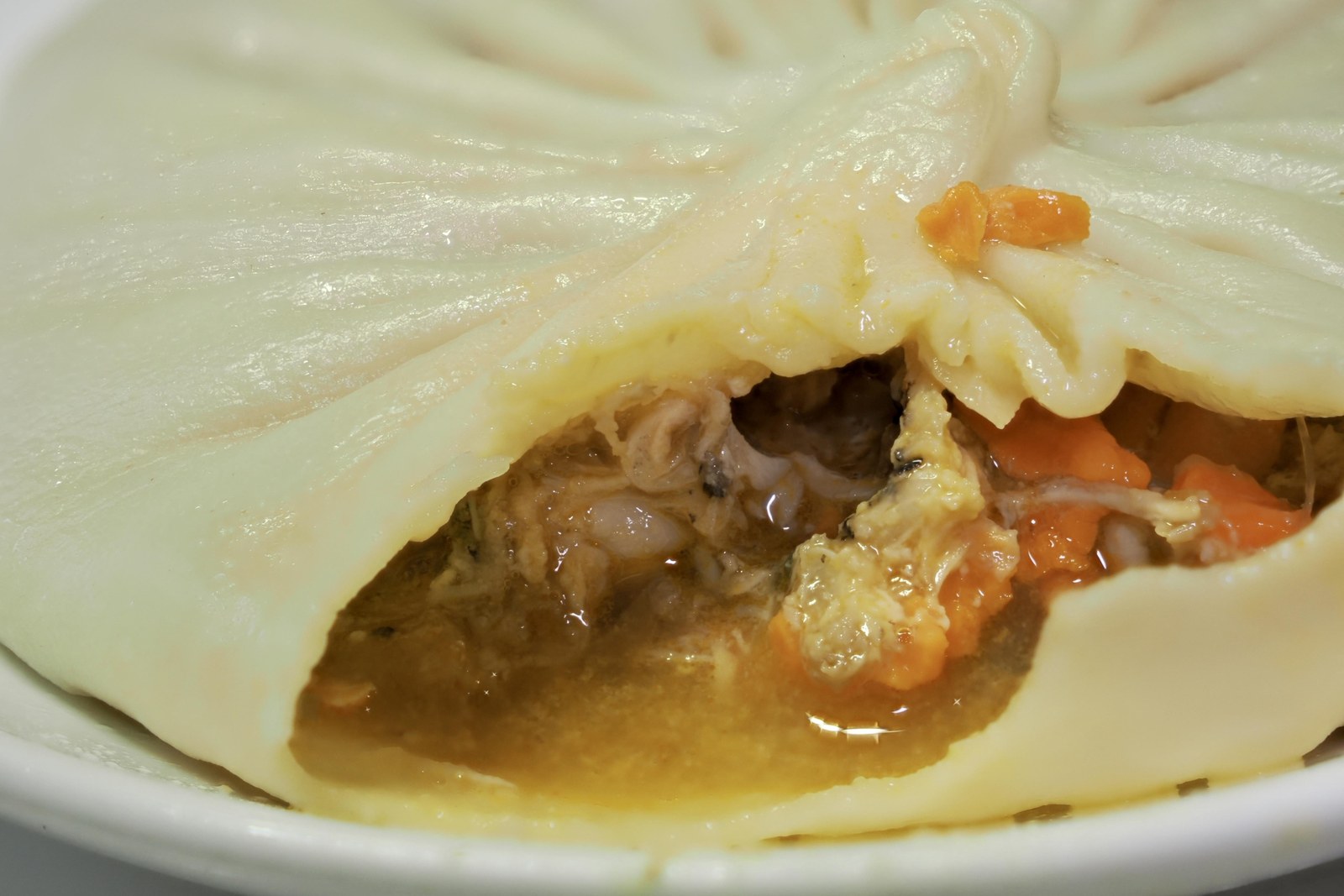
The reveal is the point. Tear the skin and the broth runs – amber, glistening, flecked with crab roe – into the dish, and the kitchen’s whole reputation hangs on that pour: thin enough to pour clean, thick enough to cling to the spoon. Locals judge a house by the first bun’s first sip; the soup should taste of crab and pork stock in that order, never of ginger hiding behind them.
The steamers arrive in regiments. Bamboo baskets stack six-high on the trolleys, each bun pleated into a uniform crown, and the dining rooms fill with the specific hush of a roomful of people negotiating hot soup – straws for beginners, the open-window method for the faithful, and a saucer of vinegar and ginger shred standing by for the skin. Morning tea houses serve them from dawn; the old houses around the city centre run the bun all day.
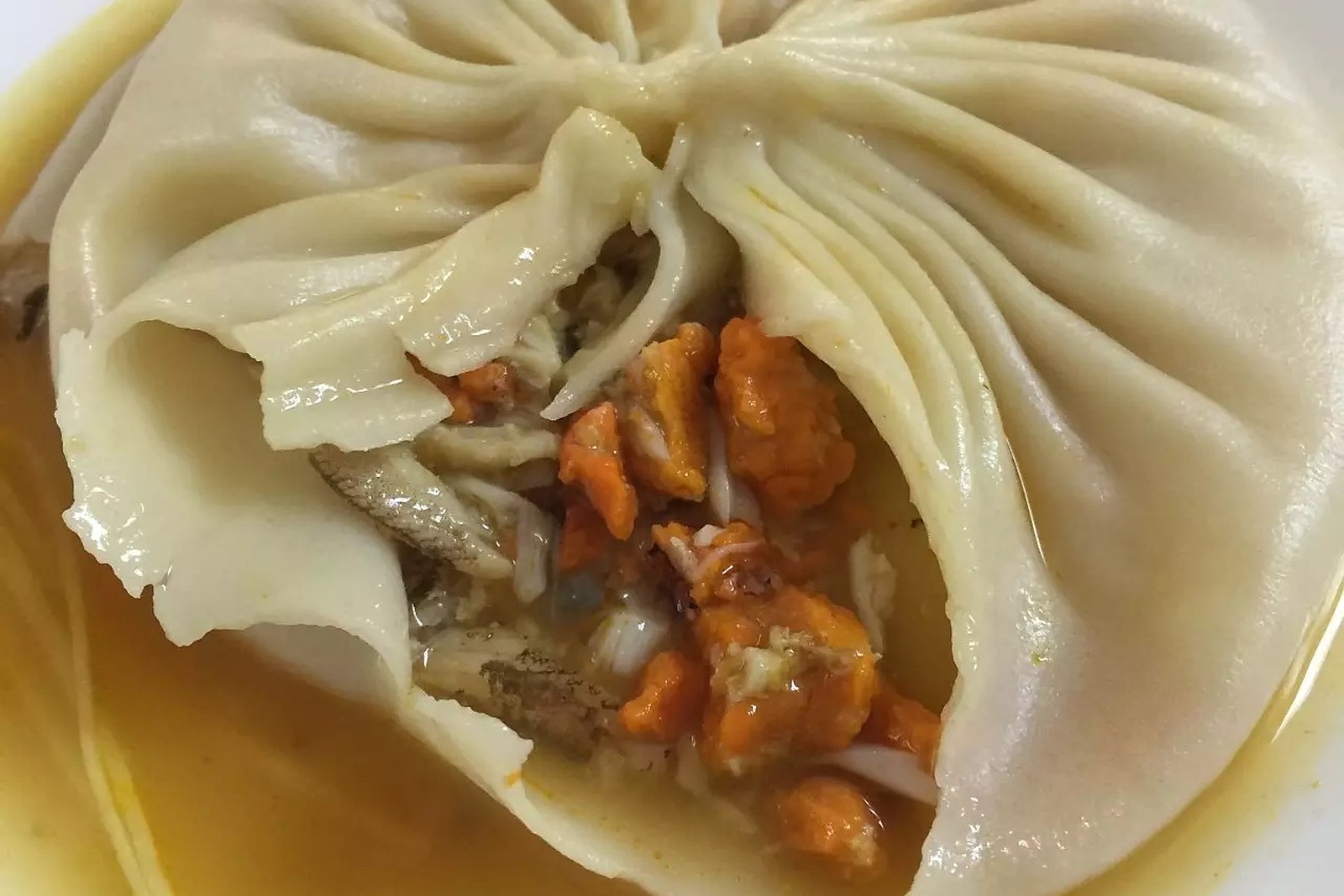
Prices run from pocket-change breakfast buns to banquet editions loaded with pure crab meat in season, and autumn – when the river crabs roe up – is the bun’s championship season. The etiquette worth learning before you go: do not bite a whole bun open, do not flip it in the basket, and never, ever test the heat with your tongue. The soup is the dish; everything else is packaging.
The same city holds more flavors worth chasing: 黄桥烧饼 Huángqiáo Shāobǐng the sesame campaign biscuits, 泰州干丝 Tàizhōu Gānsī the morning-tea shredded tofu, 溱湖八鲜 Qínhú Bāxiān the lake’s eight freshes, or 靖江猪肉脯 Jìngjiāng Zhūròupú the sweet pork jerky – four more doors into the same 泰州市 Tàizhōu Shì Taizhou City table.
Words and Names
What the Locals Know
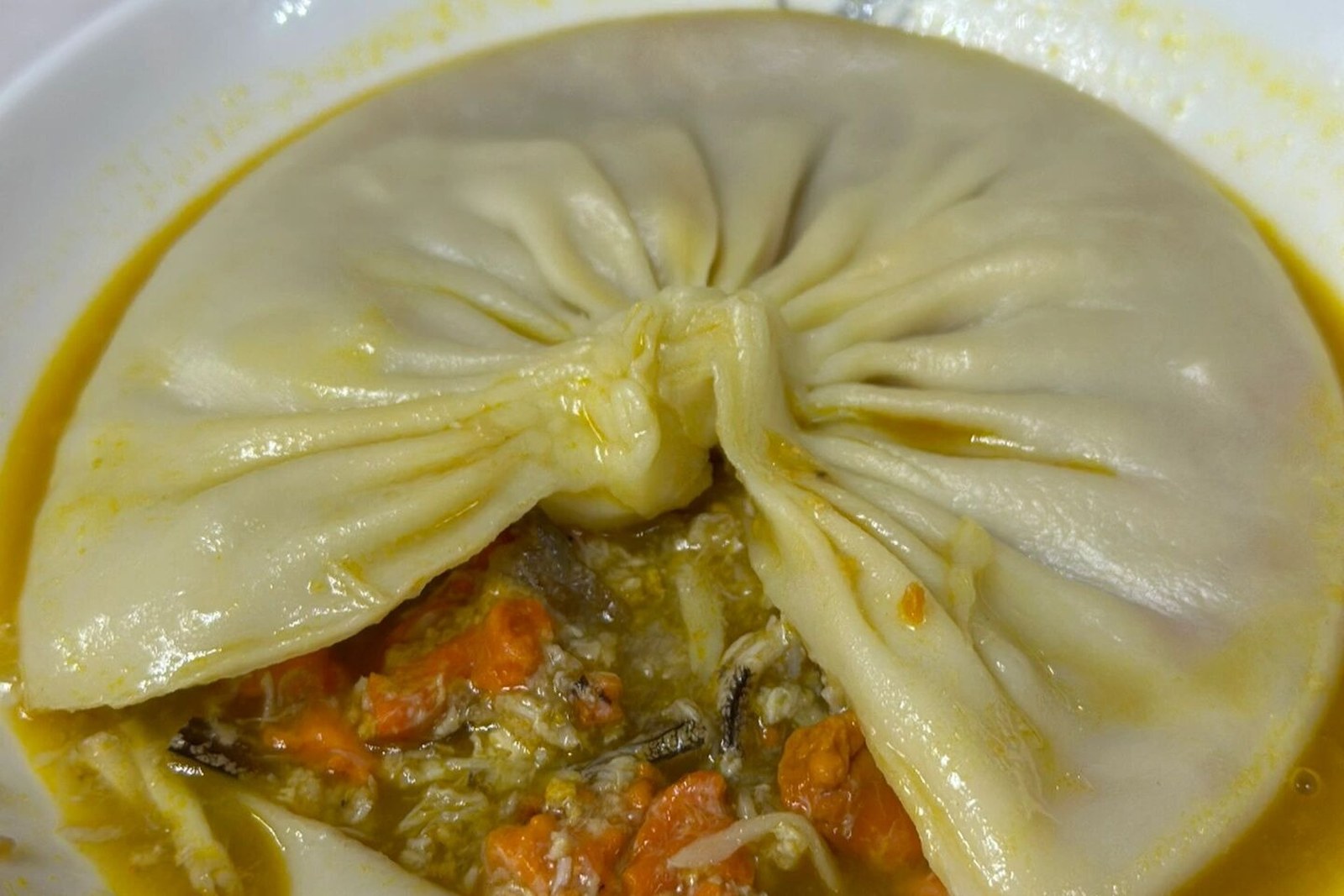
flowcloud would say the crab-soup bun is Jingjiang in one object: river harvest wrapped in patience, a dumpling that must be drunk before it can be eaten, and a city that turned the caution into ceremony. All checked November 2026.
Where to find it: Crab-soup buns are Jingjiang’s breakfast institution – the old tea houses around the city centre steam them from dawn, the banquet houses load them with autumn crab, and the ritual is the same everywhere: lift, window, sip, then eat; order by the basket, mind the soup scalds, and in crab season book the premium steamer ahead. All checked November 2026.