
Dahongmen Halal Eats: The Royal-Park Halal Larder of Fengtai District, Beijing
南海子边宫苑老,一炉烧饼酱牛香。Nánhǎizǐ biān gōngyuàn lǎo, yī lú shāobǐng jiàng niú xiāng – By Nanhaizi the old royal park stands; from one shaobing oven rises the scent of spiced beef.
大红门清真小吃 Dàhóngmén qīngzhēn xiǎochī Dahongmen halal eats are the Islamic-table cooking of Beijing’s southern gateway, and the address is imperial: 大红门 Dàhóngmén Dahongmen, the 丰台区 Fēngtái Qū Fengtai District quarter named for the great red gate of 南海子 Nánhǎizǐ Nanhaizi, the Yuan-Ming-Qing 皇家苑囿 huángjiā yuànyòu royal hunting park where emperors flew falcons over the wetlands and herded the 麋鹿 mílù Père David’s deer, a wall-girdled preserve of some two hundred square kilometres whose main gate named the town that outlived it. Around that gate grew a 回族 Huízú Hui community of butchers, carters and traders whose 清真 qīngzhēn halal kitchens made the quarter one of south Beijing’s great larders: 酱牛羊肉 jiàng niú yángròu spiced beef and mutton braised in master stock, 烧饼 shāobǐng sesame biscuits, 涮羊肉 shuàn yángròu copper-pot mutton, 羊杂汤 yángzá tāng offal broth – a craft built on clean butchery, patient braise and a 汤锅 tāngguō that never cools. The craft most visitors miss is the 清真 qīngzhēn discipline itself: a real 大红门 Dàhóngmén counter lives by its supervised slaughter line and its 酱汤 jiàngtāng spicing stock – the 老汤 lǎotāng logic of the old brands, sharpened by butchery – so the honest shop keeps the 卤 lǔ braise dark and the 肉 ròu 酥烂 sūlàn tender, and a counter that waters its broth loses its 老主顾 lǎozhǔgù regulars within a week. The naming is the tell: the gate itself – 大红门 Dàhóngmén, the royal park’s front door – still names the crossroads, and the quarter still answers to it.
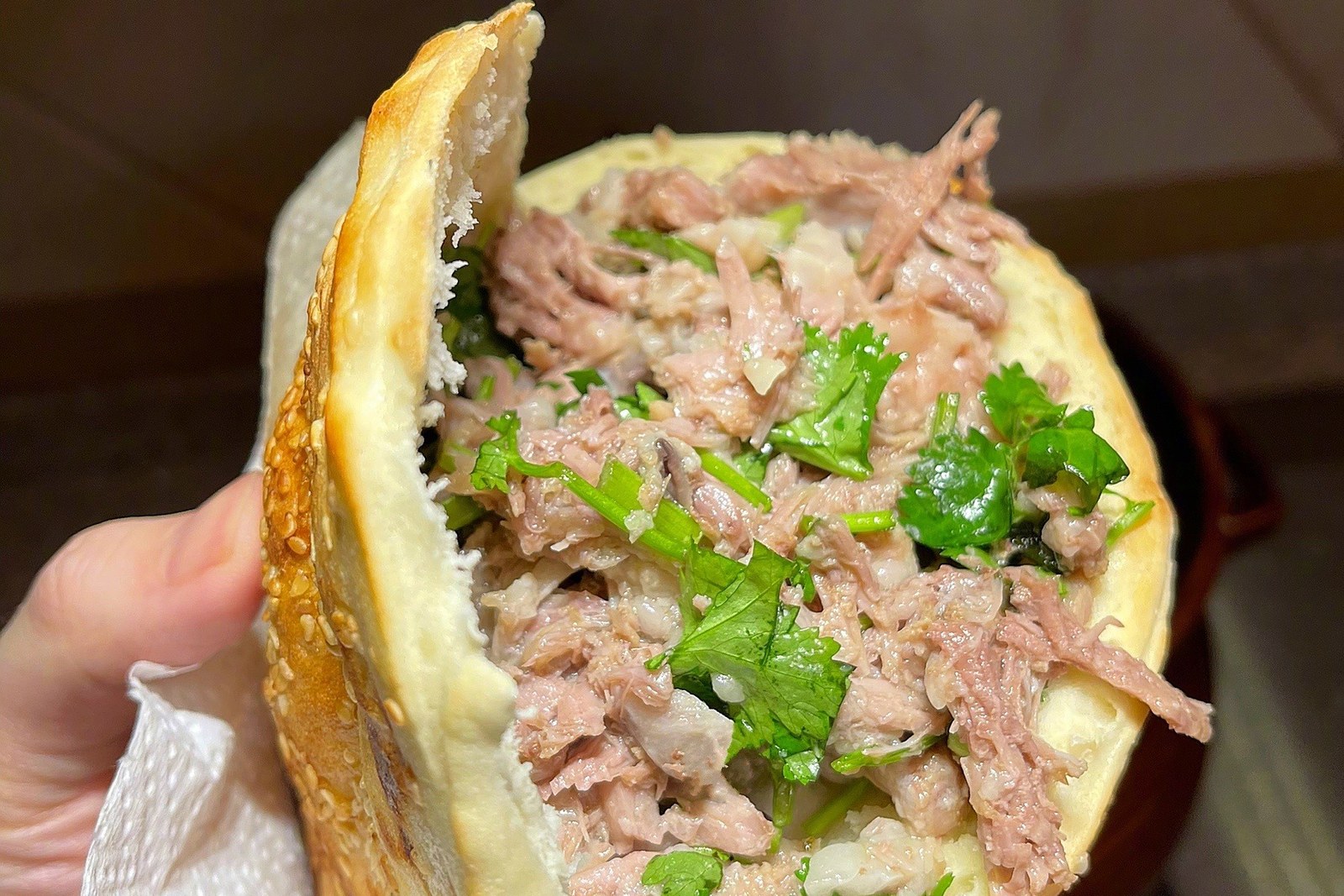
The eating is a butcher’s larder plus a soup counter, and the grammar leans 酱 jiàng braise to match the 老主顾 lǎozhǔgù crowd. The anchor is the 酱牛肉 jiàng niúròu – 牛腱 niújiàn beef shank braised in a spiced 老汤 lǎotāng of 花椒 huājiāo numbing pepper, 大料 dàliào star anise and 桂皮 guìpí cassia, chilled, sliced paper-thin and eaten cold – backed by 酱羊肉 jiàng yángròu spiced mutton, 烧饼 shāobǐng biscuits split to carry the meat, the 羊杂汤 yángzá tāng offal broth the porters drink at dawn, and the 涮羊肉 shuàn yángròu copper pot that anchors winter: 清汤 qīngtāng clear broth, 手切 shǒuqiē hand-cut slices, 麻酱 májiàng sesame dip, 糖蒜 tángsuàn sweet garlic. 爆肚 bàodǔ flash-scoured tripe holds the timing test, and 牛肉面 niúròumiàn beef noodles close the noon tail, because a 大红门 Dàhóngmén shop is a working larder first and a restaurant second – the meat that misses the counter goes into the 汤锅 tāngguō, and nothing in the shop is wasted on ceremony.
The honest grade is geography plus the 酱肉 jiàngròu selling-out clock. In 丰台区 Fēngtái Qū Fengtai District the 清真 qīngzhēn counters cluster around the 大红门 Dàhóngmén crossroads and the old trade lanes toward 南苑 Nányuàn Nan Yuan, where the clientele is half 回族 Huízú Hui families and half 南城 Nánchéng southern-city households that drive in for festival braise, a mix that keeps the 酱牛肉 jiàng niúròu honest in a way an ethnic-food-court copy never could – a shop here is graded by 老主顾 lǎozhǔgù who have bought their 年夜饭 niányèfàn New Year’s Eve beef from the same 刀 dāo counter for thirty years, and a slice that fools them fools no one. The continuity is the point: these are not pop-ups but houses that have fed the same quarter for generations, and the regular who moved away in 2000 and came back in 2025 can still find his 酱牛肉 jiàng niúròu where he left it (worth confirming the details – which shops still braise in-house and which have gone 中央厨房 zhōngyāng chúfáng central-kitchen supply). A per-person bill runs on the 肉 ròu you carry out as much as the 碗 wǎn you finish, so call it worth confirming the details rather than a fixed number, and come early because the 酱牛肉 jiàng niúròu trays empty by late morning and the 烧饼 shāobǐng run out with them; the ritual is quick, wrapped in paper, and the shop that sells by the 斤 jīn is selling memory by weight.
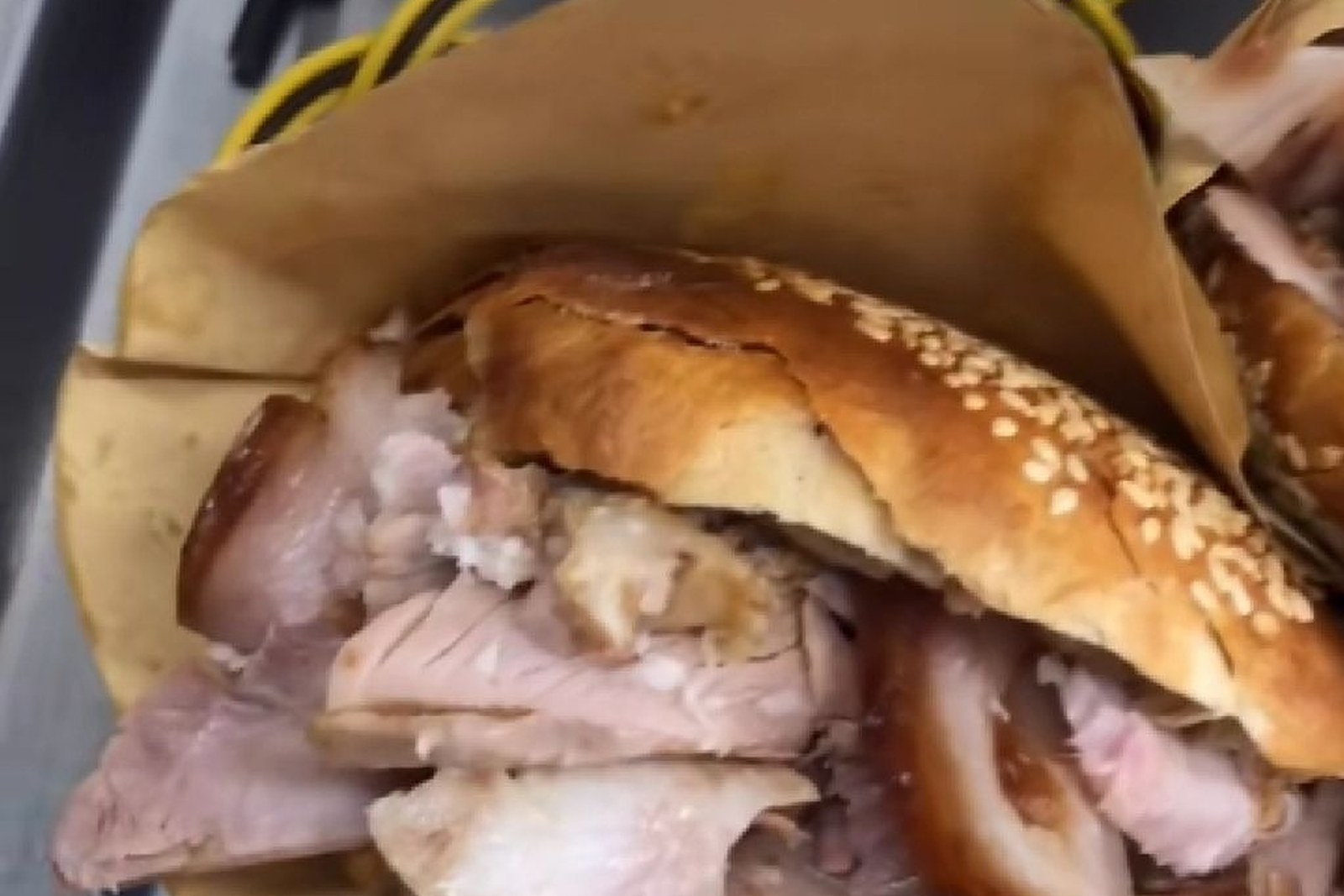
The wry truth is that 大红门清真小吃 Dàhóngmén qīngzhēn xiǎochī is over-rated as an “ethnic food quarter” novelty and under-rated as a working larder: visitors arrive expecting a bazaar photo backdrop, while locals – the 回族 Huízú families, the 南城 Nánchéng regulars who grew up on it – treat the quarter as the butcher-and-braise belt that stocked every festival table they have known, worth confirming the details and no more. The real exam is the 鲜 xiān fresh line: a shop that butchers and braises on site reads 酥烂 sūlàn tender with a clean 清真 qīngzhēn discipline, while a 冷冻 lěngdòng frozen block reheated in a diluted 卤 lǔ reads flat by the second slice, and no 辣椒油 làjiāoyóu chili oil hides it – worth confirming the details. Season rules the counter: a 暖 nuǎn warm-borough larder glorious in 冬 dōng winter when the 涮羊肉 shuàn yángròu pots steam and the 羊杂汤 yángzá tāng steams the windows, still honest in summer when the 酱牛肉 jiàng niúròu cools into cold plates and the 烧饼 shāobǐng carries the day, the shops never closing because the 老主顾 lǎozhǔgù don’t.
The self-deprecating footnote: a food writer will mispronounce 阿訇 āhōng to a shopkeeper whose family has kept the 刀 dāo counter for three generations, explain halal “food trend” to a man who has never heard of the trend, photograph the 酱牛肉 jiàng niúròu slices at heroic shutter, and then call the spice “commendably warm” as if warmth were a costume – which is the honest grade: 大红门清真小吃 Dàhóngmén qīngzhēn xiǎochī is a royal-park larder the writer will romanticise more than he reveres, and the 老主顾 lǎozhǔgù at the next counter has weighed his 斤 jīn and gone home before the shutter closes. The same 丰台区 Fēngtái Qū Fengtai District thread runs on: the dawn trucks of 岳各庄市场小吃 Yuègèzhuāng shìchǎng xiǎochī Yuegezhuang market bites carry the same mutton, the 老字号 lǎozìhào ladles of 南城老字号 Nánchéng lǎozìhào stir from the same southern stock, the 火锅 huǒguō rooms of 方庄美食街 Fāngzhuāng měishí jiē Fangzhuang food street echo the copper pot, and the noon bowls of 丽泽商务午餐 Lìzé shāngwù wǔcān Lize business lunch eat what the larder loads – one district, braided at the table.
Words and Names
大红门 Dàhóngmén / Dahongmen · the great red gate of the royal park, and the quarter that took its name 南海子 Nánhǎizǐ / Nanhaizi · the Yuan-Ming-Qing royal hunting park south of the old city 清真 qīngzhēn / halal · the dietary discipline that names the quarter’s kitchens 酱牛羊肉 jiàng niú yángròu / spiced beef and mutton · the master-stock braise the counters live by 烧饼 shāobǐng / sesame biscuit · the oven crisp split to carry the spiced meat 涮羊肉 shuàn yángròu / mutton hotpot · copper pot, clear broth, hand-cut slices 老主顾 lǎozhǔgù / old regular · the thirty-year customer who grades the counter 丰台区 Fēngtái Qū / Fengtai District · the Beijing district holding the halal larder
What the Locals Know
- The selling-out clock is the tell: real 酱牛肉 jiàng niúròu trays empty by late morning because the quarter buys for home, not for display – come early or eat the reheated tail (worth confirming the details).
- Judge the shop by the 酱汤 jiàngtāng: an in-house master stock reads 酥烂 sūlàn tender slice after slice; a 中央厨房 zhōngyāng chúfáng central-kitchen block reads flat, and no 辣椒油 làjiāoyóu hides it.
- 清真 qīngzhēn discipline is the craft, not the label: clean butchery and the never-cooling 汤锅 tāngguō are the reason the quarter’s beef tastes like beef.
- Buy by the 斤 jīn like the locals: the larder is half shop – carry the 酱肉 jiàngròu and 烧饼 shāobǐng home, and drink the 羊杂汤 yángzá tāng standing at the counter.
flowcloud would say that the 大红门清真小吃 Dàhóngmén qīngzhēn xiǎochī is the royal-park halal larder of Fengtai District, Beijing – a 大红门 Dàhóngmén quarter named for the gate of 南海子 Nánhǎizǐ where 回族 Huízú butchers keep the 酱牛羊肉 jiàng niú yángròu, the 烧饼 shāobǐng and the 涮羊肉 shuàn yángròu pots of the southern city – and that the honest move is to come early, judge the shop by its 酱汤 jiàngtāng, and buy by the 斤 jīn, because the counter is the calendar and the regular is the grade. All checked October 2026.
Where to find it: Fengtai District Fēngtái Qū – the 大红门 Dàhóngmén Dahongmen crossroads and the old trade lanes toward 南苑 Nányuàn Nan Yuan by the 南海子 Nánhǎizǐ Nanhaizi shore, where 清真 qīngzhēn counters braise 酱牛羊肉 jiàng niú yángròu and fire 烧饼 shāobǐng from the morning shift (worth confirming the details – which shops still braise in-house and which have gone 中央厨房 zhōngyāng chúfáng central-kitchen); a per-person bill runs on the 肉 ròu you carry out as much as the bowl you finish, so call it worth confirming the details rather than a fixed number. Dahongmen halal eats are the royal-park halal larder of Fengtai District, Beijing, broth before bazaar.