
大岭山荔枝柴烧鹅, the lychee-wood roast goose of Dalingshan, is the roast goose of 大岭山镇 Dàlǐngshān zhèn Dalingshan Town, a lychee-growing town in Dongguan’s southern hill country – and Dongguan 东莞市 is the frame the whole batch sits in: a manufacturing city of thirty-two directly-run towns and subdistricts whose western water towns wrap zongzi and cure ducks and whose southern hill towns roast goose. Guangdong eats roast goose everywhere; the provincial capital’s birds turn in red-lacquer hanging ovens, a closed-roast style this site treats separately. Dalingshan’s difference is the fuel and the custom: an open fire of lychee branches – dense wood, dry, long-burning, without resin, lending a faint lychee perfume while the open flame colours the bird by itself – and a clan calendar that demands a goose on the family days. The anchor is 矮岭冚 Ailingkan village and its roast-goose street, 向东路 Xiàngdōng Lù Xiangdong Road, lined with a dozen or so roast-goose restaurants and big-wok stalls.
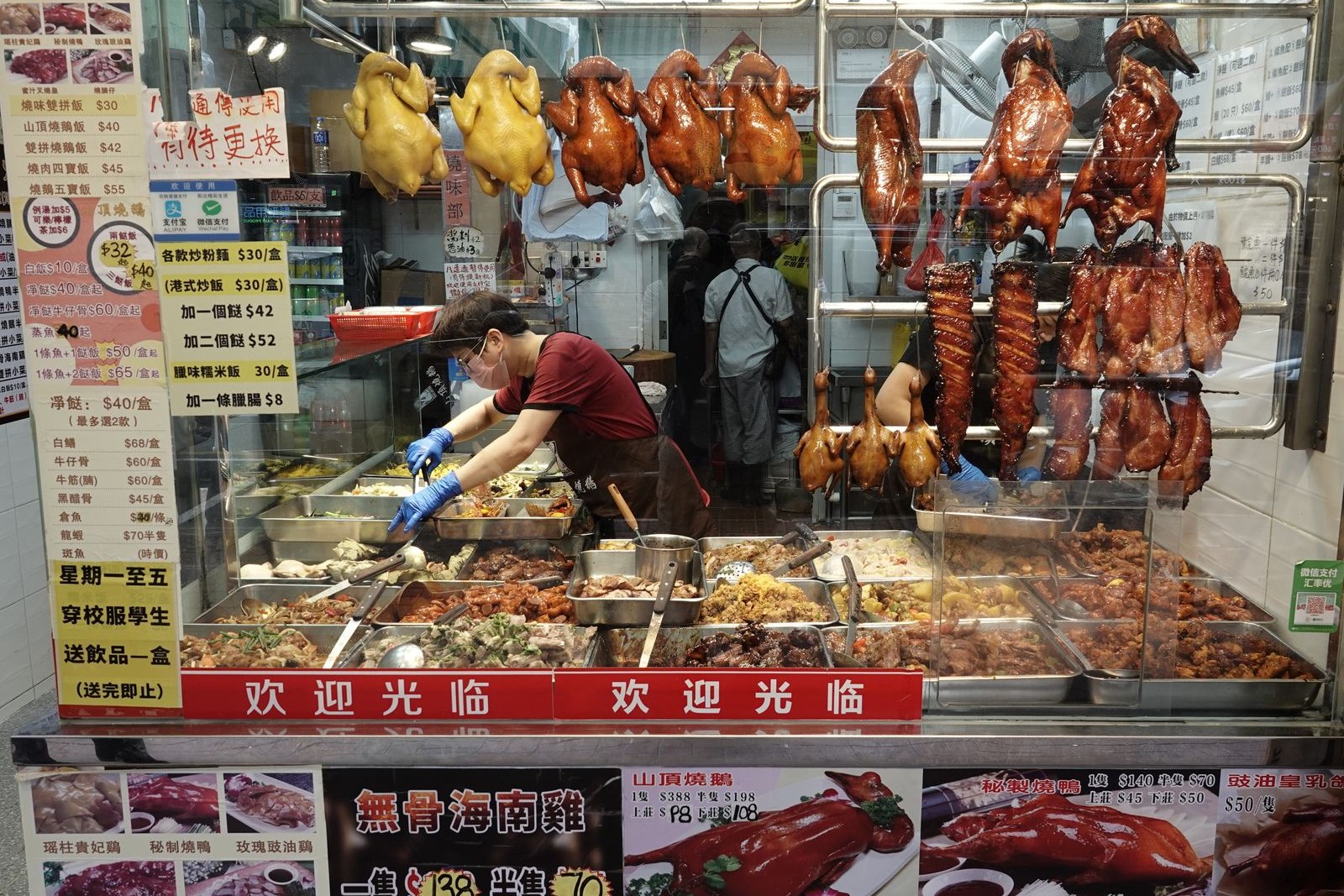
The paperwork is municipal and proud of it. In 2019 the lychee-wood roast-goose making technique entered Dongguan’s fifth batch of municipal intangible-heritage items, a city-level listing with the town’s culture service as protecting unit – no provincial rank has followed, and the text claims none. The custom is older than the fuel. The municipal gazetteer carries the village’s founding to 1374, the seventh year of Ming Hongwu, when the first ancestor 叶基来 Ye Jilai moved in from Wugang in Bao’an, today’s Bengang – and records that the roast-goose habit was already there when the settlers arrived. Ever since, the account runs, every household in the village has roasted a goose for the New Year’s Eve table, for the second day of the first month, and for the Duanwu festival. In 2009 the village committee registered a collective trademark for its goose – the record gives no English rendering, and neither does this text. One caution the official file itself forces: the custom is a centuries-old village habit, but the lychee-wood fuel is modern. The gazetteer’s own craft history runs wood and bamboo first, then sugarcane bagasse, which held until the late 1970s, when whole bagasse grew hard to find and the villager 叶绍基 Ye Shaoji tried lychee wood – the trials succeeded, and bagasse goose became lychee-firewood goose. The wood is a 1970s revival riding a 600-year-old obligation, and the body keeps those two layers apart.
The craft, as the culture-centre file prints it, runs in four stations. The birds: goslings taken around Qingming or Chongyang at a month and a half, raised three to four months on the village’s own fish ponds – the official account names the local fish-pond goose, and this text repeats that, leaving the freelance essays’ named out-of-town breeds aside. The marinade: five-spice, star anise, slab sugar, garlic, red dates, golden needles, soy and rice wine packed into the cavity, the bird sewn shut, inflated, scalded and hung to dry. The oven: a cone-topped lid with iron rods to hang the bird, above a rectangular box that takes the firewood. The fire: lychee wood, the rods turned without stopping so the skin colours evenly, fuel added as the burn demands. Around the four stations the trade counts five local secrets – the goose itself, the special sauce, the glaze water that crisps the skin, the roasting tower the trade calls 鹅楼 é lóu, and the firewood.
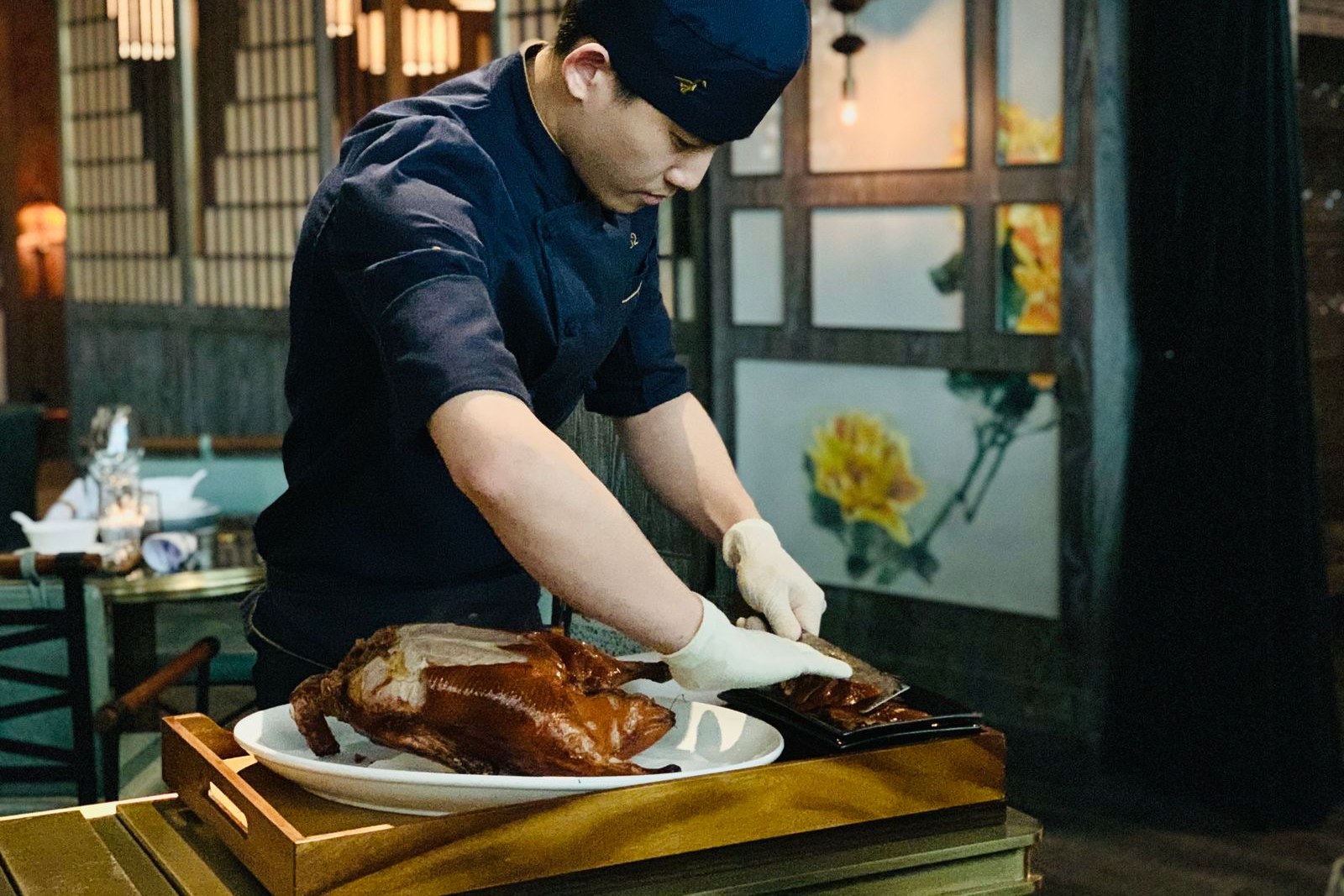
The street is the settlement form the heritage took. Xiangdong Road in Ailingkan carries more than ten roast-goose restaurants and open-stall kitchens, their glass fronts hung with the day’s birds; the bigger houses roast in view and vacuum-pack for the road. The money, as of the late-2026 snapshots and floating with them: half a goose around 90 to 100 yuan, a bowl of lai fen alongside 10 to 15. What the record refuses to attach to any of this: annual output, annual sales, a published inheritor list – the heritage register names no individuals for the technique, so none are printed here – and the single-source numbers freelance essays have hung on the bird, which stay out entirely.
The social life of the dish is the factory city’s own. An essay published by the Dongguan Social Sciences Federation traces how the goose moved through the 1990s and 2000s from family rite to works treat: the roast-goose rice plate became what you ordered when out-of-town workmates came, and before the Spring Festival a plant boss would stand the whole workforce a goose meal – one bird at a time feeding a city of migrants. That is the essay’s telling, carried here as the essay’s telling, but it squares with the calendar: in Ailingkan a roast goose on the family days is a household obligation, not a menu choice. The fuel has its own economy – Dalingshan grows lychee commercially, the orchards are pruned back after each harvest, and the cut branches get their second life under the birds; in lychee season, May into June, the link between orchard town and roast-goose town is visible on every roadside.
Words and Names
荔枝柴烧鹅 lìchī chái shāo’é is lychee-firewood roast goose, 荔枝柴 lìchī chái the lychee firewood itself. 矮岭冚 Ailingkan is the village – the final character reads kam or hem in Cantonese, and English settles for Ailingkan. 蔗渣 zhèzhā is the sugarcane bagasse that fired the geese before the 1970s. 鹅楼 é lóu is the roasting tower, one of the five local secrets. 向东路 Xiàngdōng Lù is Xiangdong Road, the roast-goose street. And the style line this site keeps straight: Dalingshan is an open lychee-wood fire, the provincial capital’s roast goose a closed red-lacquer hanging oven – fuel and furnace, not two names for one thing.
What the Locals Know
Timing is the first skill. The street fills from 11:30 to 13:30 on weekends, and the popular houses run out of legs and wings not long after the midday service, so the advice the visitor accounts give is weekdays before 10:30, or well off the noon rush. The order the regulars write out: the goose itself, goose offal stir-fried with loofah, a soup of goose blood, and a lai fen bowl to finish – the goose’s own drippings providing the sauce line. Vacuum packing is standard, so the bird travels.
Come in May or June and the trip doubles: the lychee harvest that supplies the firewood is also the town’s orchard season, and the road out to Ailingkan runs through the groves. The village is signposted from Dalingshan town centre, parking at the village mouth; drivers simply aim for the roast-goose street. Neighbouring towns keep their own goose traditions – Houjie’s lai fen bowl one article over, Humen’s hanging-oven birds – and the comparison the locals enjoy is fuel first, sauce second.
What the record refuses: any figure for how many geese the street roasts in a year, any named living inheritor of the technique, the English form of the 2009 collective trademark, and the essay numbers attached to the crust and the juices – none of it enters the official file, and none of it is printed here. The heritage rank stays municipal; if a provincial listing ever lands, it will have to make its own announcement.
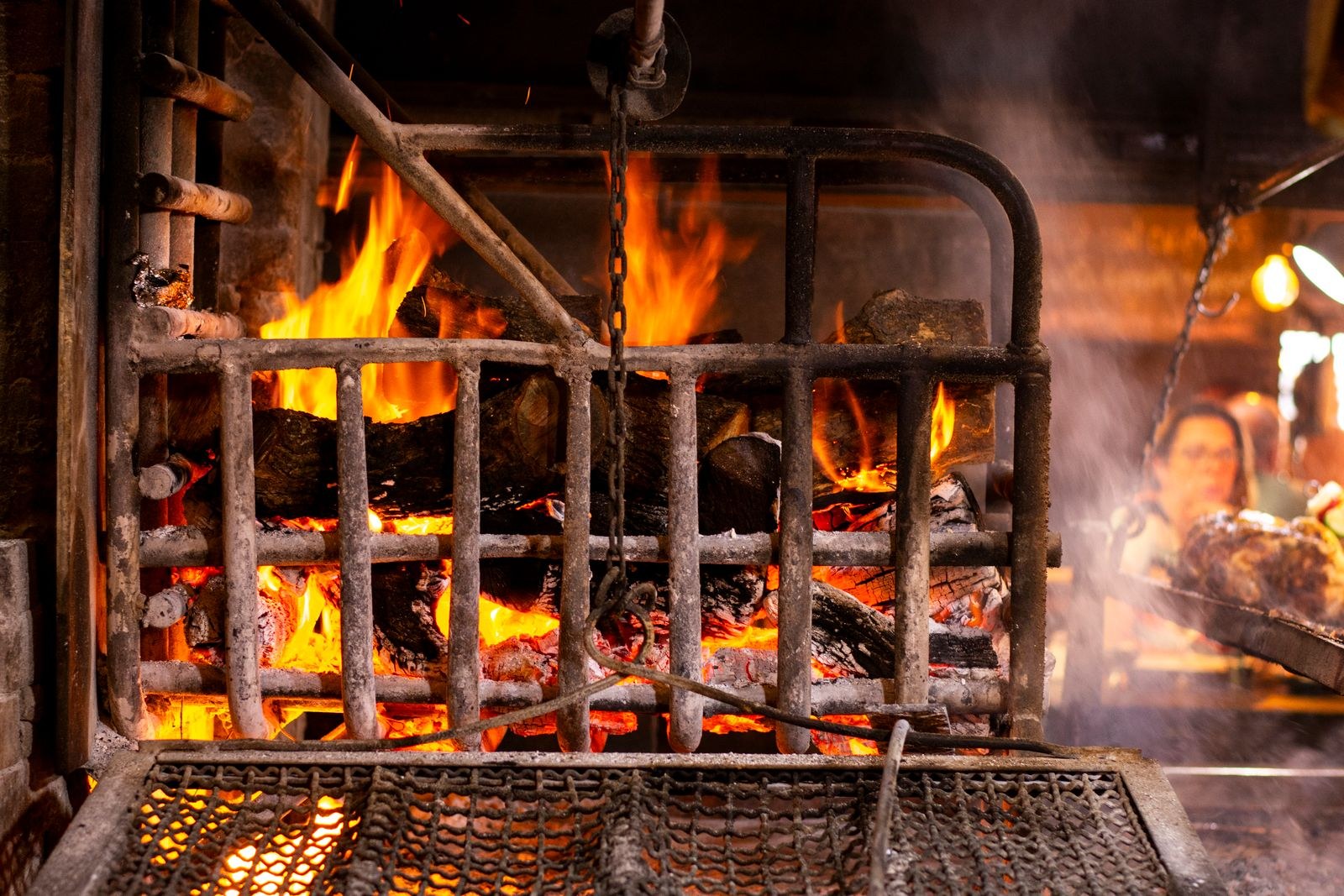
flowcloud would say that Dalingshan’s roast goose is a custom wearing a fuel – six centuries of obligation to put a goose on the family table, carried since the late 1970s by lychee branches the orchards were done with, a 600-year-old habit only one generation old in its present wood.
Where to find it: the roast-goose street on 向东路 Xiàngdōng Lù in 矮岭冚 Ailingkan village, 大岭山镇 Dàlǐngshān zhèn Dalingshan Town, Dongguan – pick a glass-fronted house with birds on the hook, weekdays before the noon rush; half a goose 90 to 100 yuan and a lai fen bowl 10 to 15 as of the late-2026 snapshots; come in May-June and the orchards are in fruit. Vacuum-pack for the road, and let the goose-offal loofah and the goose-blood soup round out the table.