
大兴葡萄 Dàxīng pútáo, the Daxing grape, is the table-grape crop of 大兴镇 Dàxīng Zhèn, Daxing Township in 璧山区 Bìshān Qū, Bishan District, grown on trellised rows around the township’s grape square and picked across a season that runs from high summer into autumn for a mostly drive-in Chongqing market. The district sells itself on the crop hard enough to have built the fair ground for it – the grape square doubles as the event site – and the picking rows, not the market stall, are the product. This page is a produce-calendar story: a crop, a township address, a season and an outing format, written the way the district actually sells it.
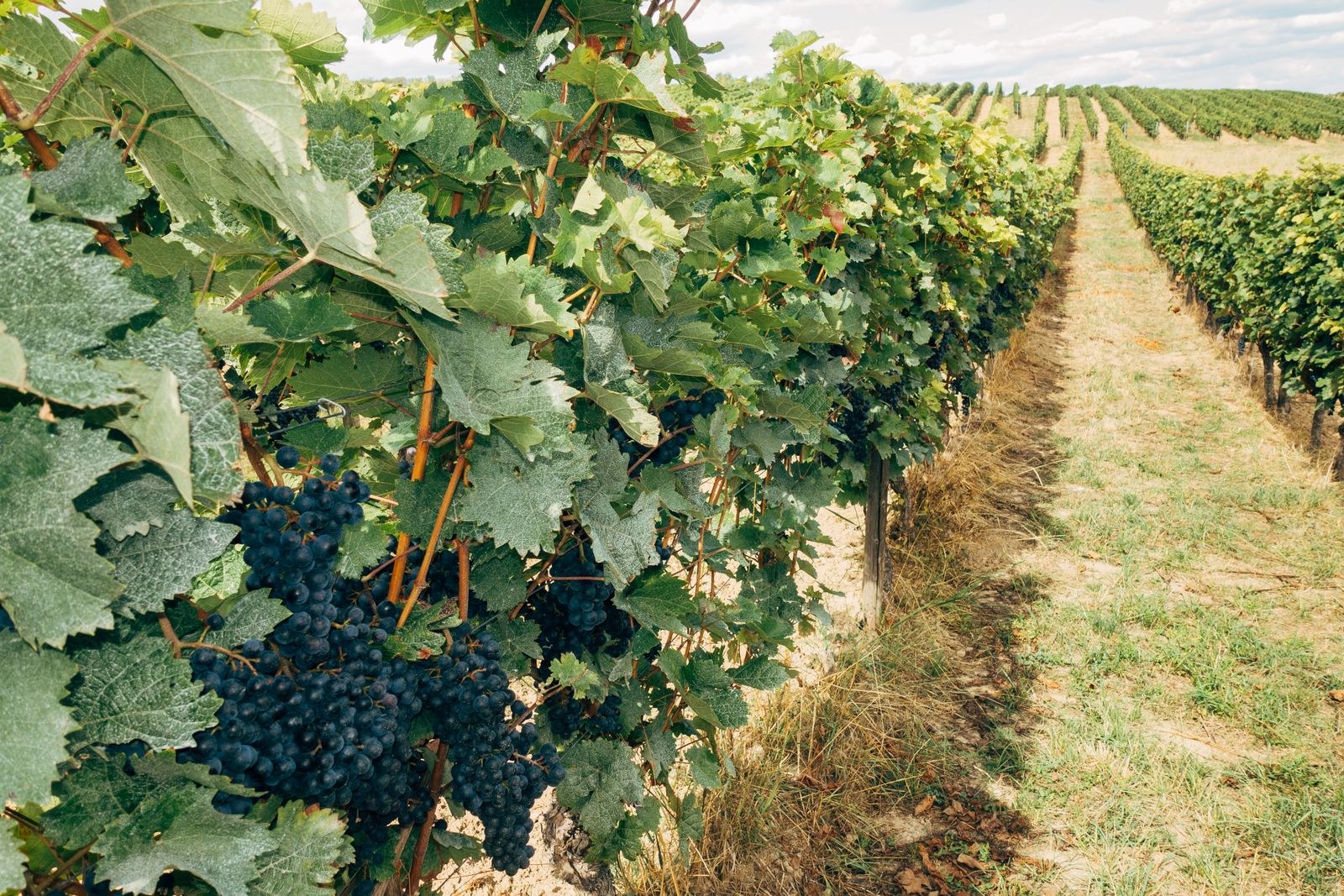
The crop explains the place. Table grapes are one of the standard answers Chongqing’s peri-urban hills give to the question of what a county grows for a city that arrives by car on weekends – the vine likes the well-drained slopes, the bunches hang for weeks at ripeness so a picking window can stretch across two months, and the u-pick format converts the harvest into an outing price that beats the fruit stall. Daxing’s rows sit close enough to the township and the district seat that the trip is an afternoon, the grape square gives the harvest a civic address for the fair weeks, and the district’s food literature names the grape among its signature products. The varieties are the standard southern-China table set grown under humid-season management – bagged bunches, canopy pruning, the fungicide discipline that the damp Chongqing summer demands – and the honest page describes the system rather than pretending to a single famous variety.
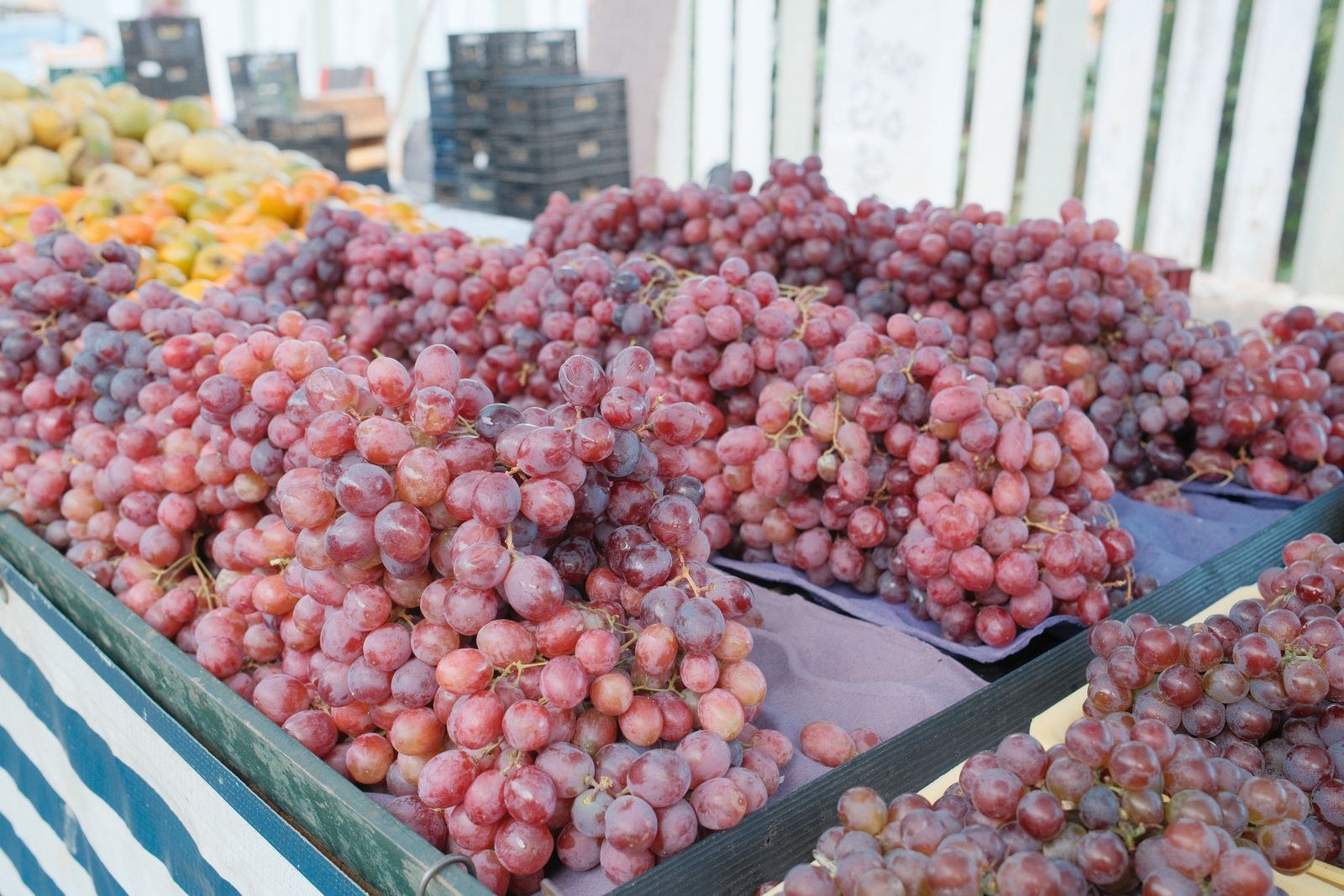
The outing is the format the crop exists for. A Daxing grape afternoon runs: drive out from the Chongqing side or up from the district seat, pick at the rows by the basket-weight, eat the farm lunch the township kitchens run alongside, and carry boxes home at orchard prices; the fair weeks add the square’s stalls and the district’s grape festival programming. The page quotes no prices because no posted season price survives in the sources consulted, and the u-pick trade reprices annually anyway – the useful fact is the shape of the trade, not a number. What the district’s fruit belt adds around the grape is worth one clause each: 福禄镇 Fulu’s Wogan oranges and 七塘镇 Qitang’s Yu-Bi blood oranges are the winter counterparts a grape-season visitor will meet on the same roads as packaged fruit, and the cherry valley at Batang is the spring counterpart on the district’s north side – the belt runs year-round and the grape is its summer anchor.
What the record supports is the crop, the township, the square and the picking format; what it does not support is any founding date, famous estate name, or per-jin price, and none is invented here. Daxing’s grape trade is a township industry reported by the district rather than a branded estate with a gate and a ticket, which changes what a page can honestly say: the address is the township and its rows, the season is the district’s own summer-to-autumn window, and the fair is the square’s calendar event. A reader planning the trip should aim for the ripening weeks and accept that the specific rows open on the season’s rhythm rather than a posted schedule – the township trade runs on WeChat groups and roadside signs that a page cannot quote, and the page declines to pretend otherwise.
The grape page also completes the food batch’s geography. The fish, the rabbit and the banquet are the road county’s formats; the grape and the cherry valley are the metro weekend’s orchards – the modern trade that replaced the post road, running on cars and WeChat instead of horses and stations. Daxing is where the district’s food story has actually moved: from the road corridor to the orchard belt, from feeding carters to feeding Saturday families, with the square as the civic stage for a crop the city picks itself. All checked October 2026.
Words and Names
大兴葡萄 Dàxīng pútáo, the Daxing grape, the table-grape crop of 大兴镇 Dàxīng Zhèn, Daxing Township, 璧山区 Bìshān Qū, Bishan District: trellised rows around the township’s grape square, picked across a summer-to-autumn season for a drive-in Chongqing market, sold as u-pick rows and fair-week stalls rather than as a branded estate. The varieties are the standard southern-China table set under bagged-bunch humid-season management, and the district’s fruit belt around it runs 福禄镇 Fulu Wogan oranges and 七塘镇 Qitang Yu-Bi blood oranges in winter and the Batang cherry valley in spring. No estate name, founding date or posted per-jin price is on the public record consulted, and none is invented here.
What the Locals Know
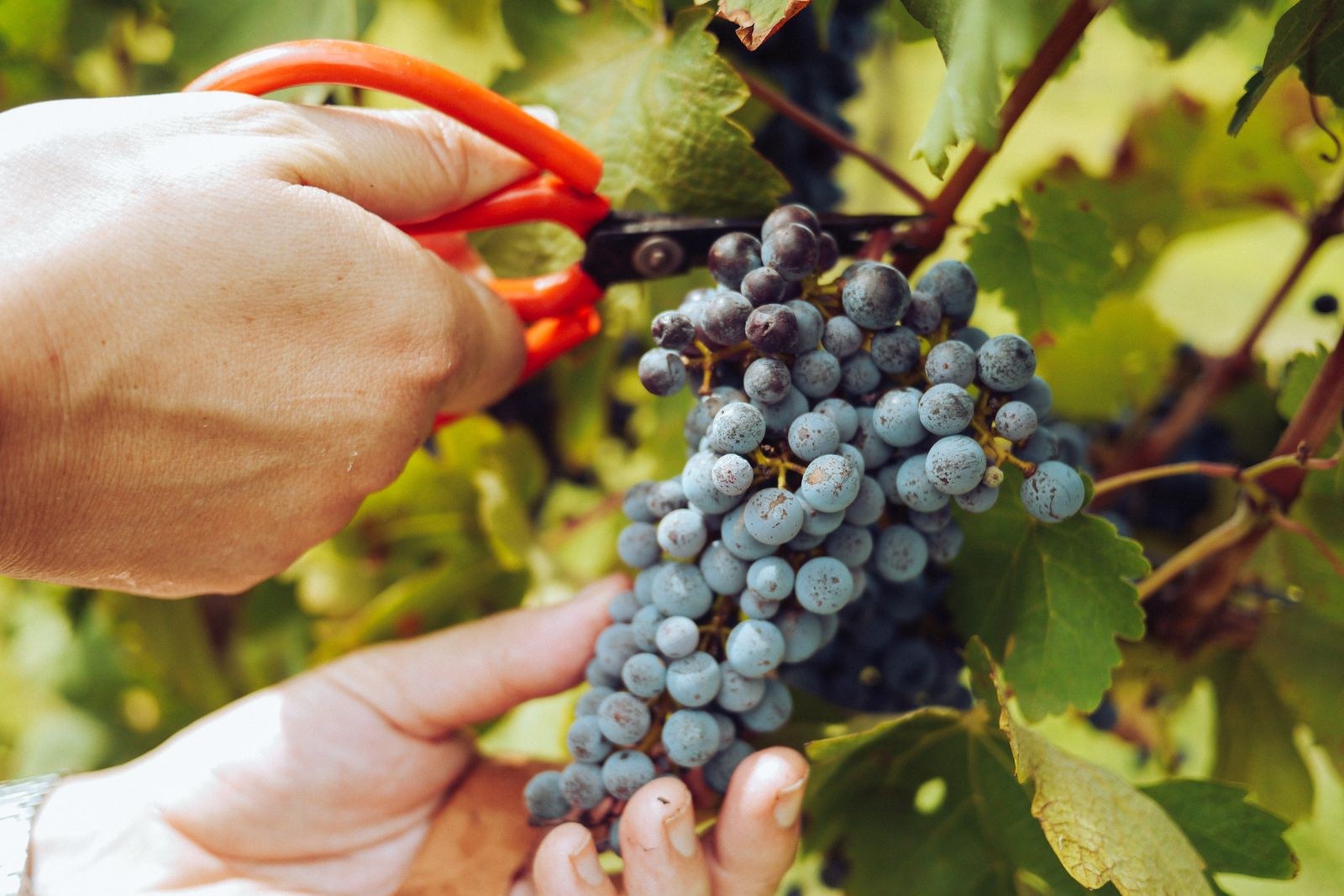
The local knowledge is about the window, not the vine. Grape ripeness in the Chongqing hills slides with the year’s rain – a wet August pushes the sweetness back, a dry one pulls it forward – so the local check is the roadside boxes rather than the calendar date: when the township’s own families start carrying boxes out to the road, the rows are ready, and a week early the pick is sour however good the weather looks. The second check is the bag: bagged bunches ripen slower but cleaner, and a picker who lifts the bag to look should ask before cutting, because an opened bag is a bought bunch. For the fair weeks, the square’s stalls price like the rows and the crowds are the difference; locals pick early in the season and visit the square for the festival rather than the fruit. What the record does not carry is any posted price or famous-estate ranking, and the page declines both – the township’s rows are the address, and the season sets the terms.
flowcloud would say that the Daxing grape is the summer anchor of Bishan’s fruit belt – table grapes on trellised rows around the grape square at 大兴镇 Daxing Township, picked across a two-month window for a drive-in Chongqing market, sold as u-pick rows and fair stalls rather than a branded estate – and that the honest page describes the system, quotes no price because none survives on the record, and names the winter oranges and the Batang cherry valley as the belt’s other seasons. All checked October 2026.
Where to find it: the rows and the grape square are at 大兴镇 Dàxīng Zhèn, Daxing Township, 璧山区 Bìshān Qū, Bishan District, an afternoon’s drive from the Chongqing side, with the picking season running from high summer into autumn on the year’s weather and the fair weeks posted by the district rather than by a fixed calendar; no per-jin price, estate booking line or founding date is on the public record consulted and none is invented here. Pair this page with the cherry-valley page for the spring end of the same fruit belt, and with the Xiuhu Park page for the evening that follows an orchard afternoon.