
一碗酸奶,解了油荤。Yī wǎn suānnǎi, jiě le yóuhūn – One bowl of yogurt; the grease of the meal undone.
牦牛酸奶 Máoniú Suānnǎi yak yogurt is the tart curd of the 高原 gāoyuán plateau – milk from the 牦牛 máoniú yak, fermented slow into a thick, set curd far denser and sharper than cow yogurt, served plain and then sweetened at the table with 白糖 báitáng white sugar or 蜂蜜 fēngmì honey. It is the 藏族 Zàngzú Tibetan table’s everyday sweet and its everyday digestive: a small 木碗 mùwǎn wooden bowl after a heavy meal, or a breakfast cup cut with a little 酥油 sūyóu yak butter for the old style. A bowl at a 独克宗古城 Dúkèzōng Gǔchéng Dukezong restaurant or the 敏珠拉姆 Mǐnzhū Lāmǔ Mingzhu Lhamo Tibetan house runs about 10-20 yuan, and the honest shape is that it arrives sour enough to make a first-timer wince – pure 牦牛 máoniú milk sets sharp, and the sugar is the diner’s correction, not the cook’s. Locals eat it as a punctuation: after the 牦牛肉火锅 Máoniúròu Huǒguō hotpot, a bowl of yogurt cuts the fat, and in summer the same curd feeds the 奶渣 nǎizhā dried-curd pantry when the 高原 gāoyuán air is dry enough to dry it.
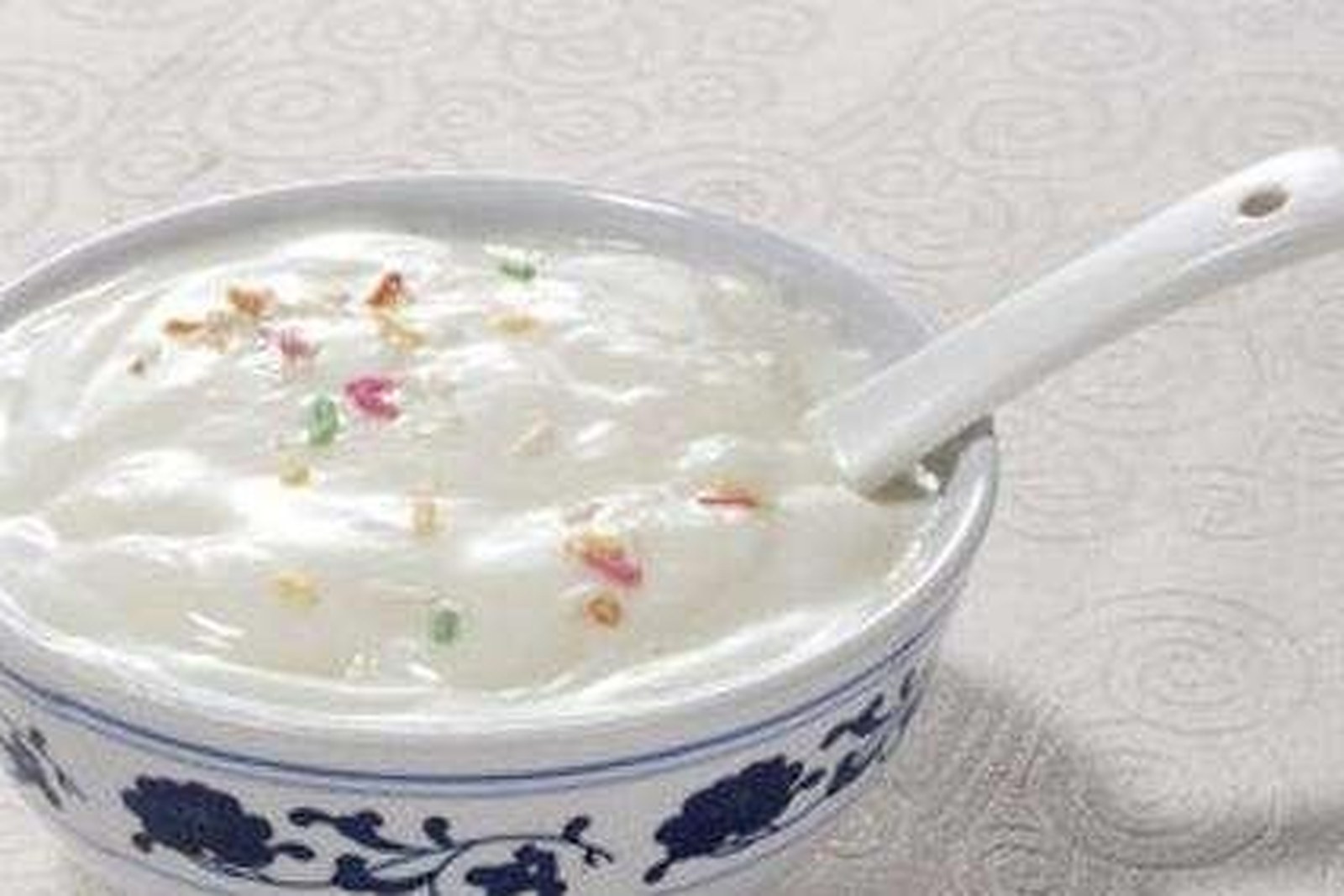
The mechanism is the milk. 牦牛 máoniú yak grazes the 草场 cǎochǎng alpine pasture on wild 草药 cǎoyào herbs above 3,000 m, so the milk is richer in 脂肪 zhīfáng fat and protein than cow’s, and when it ferments – traditionally by keeping a 引子 yǐnzi starter culture from the last batch, or simply by the cool air of the 火塘 huǒtáng hearth side – it sets into a firm, almost cheese-like 块 kuài mass rather than a pourable drink. No 糖 táng sugar goes in during making; the tartness is the point, because a sweet yogurt would not do its job of cutting the 酥油 sūyóu and the meat of the rest of the meal, and the 白糖 báitáng or 蜂蜜 fēngmì is added only at the table to taste. The curd throws a pale 乳清 rǔqīng whey on top as it sits, which is normal, and the texture ranges from smooth to slightly 颗粒 kēlì grainy depending on the 发酵 fājiào fermentation, both of which are signs of a live, un-stabilised product rather than a factory cup. 牦牛酸奶 Máoniú Suānnǎi is the fresh face of the same 奶 nǎi dairy world that gives 酥油 sūyóu butter and 奶渣 nǎizhā dried curd, and the comparison visitors draw is with the mild, sweetened cups of the city – the plateau version is the ancestor, sour and unapologetic. The 高原 gāoyuán cold makes fermentation slow and clean, so the yogurt keeps its live cultures without refrigeration for a short while, which is why it is a staple rather than a treat.
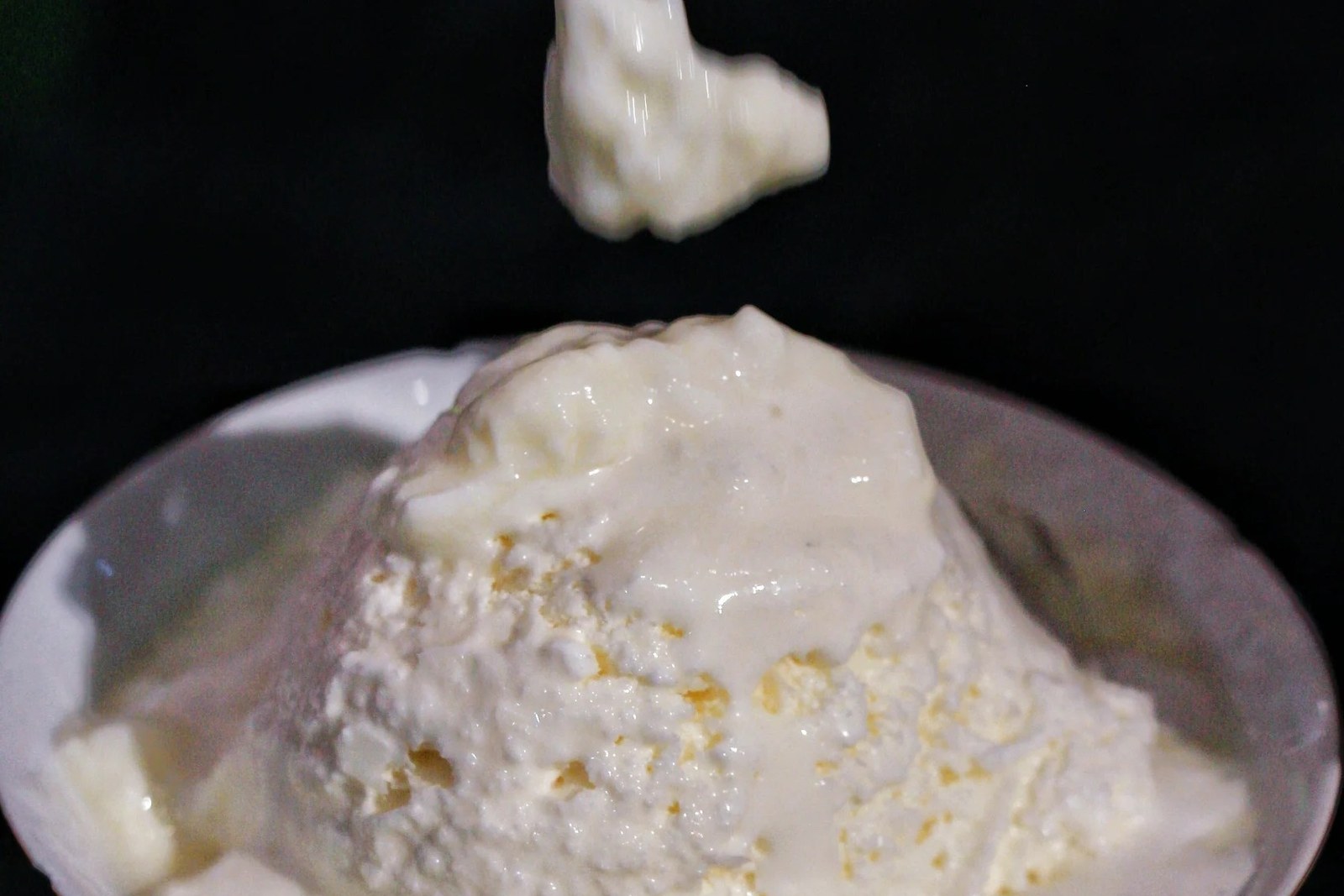
Locals eat it plain first, then sweet. The move is to order a 木碗 mùwǎn bowl at a 藏餐 zàngcān restaurant or the 敏珠拉姆 Mǐnzhū Lāmǔ house, taste the sour curd before reaching for the 白糖 báitáng, and add only as much sugar or 蜂蜜 fēngmì as your tongue needs – a local eats it nearly plain, because the point is the tang, not the sweetness. Stir in a little 酥油 sūyóu if you want the old-style bowl, or pair it with 糌粑 zānba for a light meal; after a 牦牛肉火锅 Máoniúròu Huǒguō it is the standard 解腻 jiěnì cut-the-grease finish. The 独克宗古城 Dúkèzōng Gǔchéng restaurants and the 古城酥油茶馆 Gǔchéng Sūyóuchá Guǎn old-town butter-tea houses are where visitors meet it, and the honest check is the texture: a real 牦牛酸奶 Máoniú Suānnǎi is thick enough to stand a spoon and tart enough to pucker, not the runny, candy-sweet cup of a freezer aisle. Summer is when the 奶渣 nǎizhā from the same milk is dried on the 高原 gāoyuán and the dairy pantry is fullest, and the rule for a sensitive stomach is to take it with a little 蜂蜜 fēngmì rather than ice-cold.
Words and Names
牦牛酸奶 Máoniú Suānnǎi yak yogurt · 牦牛 Máoniú the yak · 酥油 Sūyóu yak butter · 奶渣 Nǎizhā dried curd · 木碗 Mùwǎn wooden bowl · 藏族 Zàngzú the Tibetan people · 白糖 Báitáng white sugar · 蜂蜜 Fēngmì honey · 火塘 Huǒtáng the hearth · 草场 Cǎochǎng alpine pasture · 高原 Gāoyuán plateau · 独克宗古城 Dúkèzōng Gǔchéng Dukezong old town
What the Locals Know
The local way with 牦牛酸奶 Máoniú Suānnǎi is to taste it plain before reaching for the 白糖 báitáng – a local eats it nearly plain, because the point is the tart 高原 gāoyuán tang, not the sweetness, and the sugar is your correction, not the cook’s. A real bowl is thick enough to stand a spoon and tart enough to pucker, not the runny, candy-sweet cup of a freezer aisle, and the pale 乳清 rǔqīng whey that rises on top as it sits is normal, not a fault.
Stir in a little 酥油 sūyóu for the old-style bowl, or pair it with 糌粑 zānba for a light meal; after a 牦牛肉火锅 Máoniúròu Huǒguō it is the standard 解腻 jiěnì cut-the-grease finish. The rule for a sensitive stomach is to take it with a little 蜂蜜 fēngmì rather than ice-cold, because the live, un-stabilised curd is sharper than the factory cup – and summer is when the same milk’s 奶渣 nǎizhā is dried on the plateau and the dairy pantry is fullest.
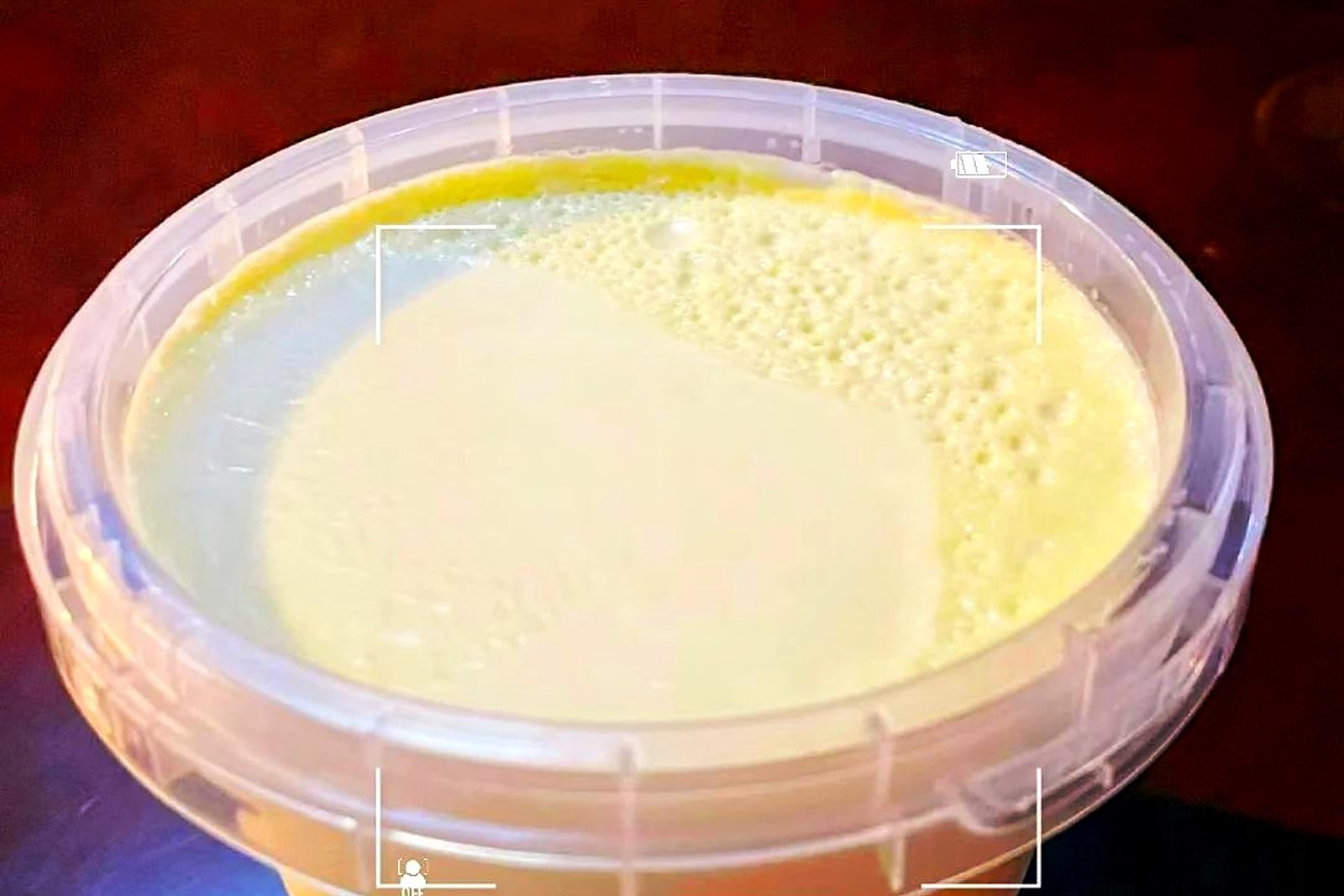
flowcloud would say that yak yogurt is sour and set – 牦牛 máoniú milk fermented thick on the 高原 gāoyuán plateau, served in a 木碗 mùwǎn and sweetened only at the table – and that the honest move is to taste it plain before the 白糖 báitáng, because the tang is the point and the sugar is your correction. All checked October 2026.
Where to find it: Tibetan restaurants and butter-tea houses of 独克宗古城 Dúkèzōng Gǔchéng Dukezong old town, Shangri-La – 敏珠拉姆 Mǐnzhū Lāmǔ Mingzhu Lhamo is the name locals cite for a wooden-bowl yogurt, about 10-20 yuan a bowl; ask for it plain and sweeten with 白糖 báitáng or 蜂蜜 fēngmì at the table. Yak yogurt is the tart daily curd across Diqing, thick enough to stand a spoon. All checked October 2026.