
东方酸瓜 Dōngfāng suānguā, the pickled melon of 东方市 Dōngfāng Shì Dongfang, is the city’s own pickle and the one that catches a visitor out, because the name translates loosely and the thing itself is specific: it is pickled baby-watermelon rind, the fruit picked young with the flesh scooped away and only the rind kept, salted and fermented in a jar until it turns from green and raw to grey-yellow and crisp. It is not a mustard green, it is not a pickled cucumber and it is not a sour bean, and the city’s cooks are quick to say so, because the island’s other pickle pages are about exactly those. The melons grow in 四更镇 Sìgēng Zhèn Sigan Town, on the city’s north-west coast, whose sandy soil, sea air and wide swing between day and night temperatures are the plain reason the town’s vegetable trade exists, and the pickle that comes out of it carries a local saying – 吃得酸瓜,则百事可做 chī de suānguā, zé bǎishì kě zuò, eat the sour melon and there is nothing you cannot do.
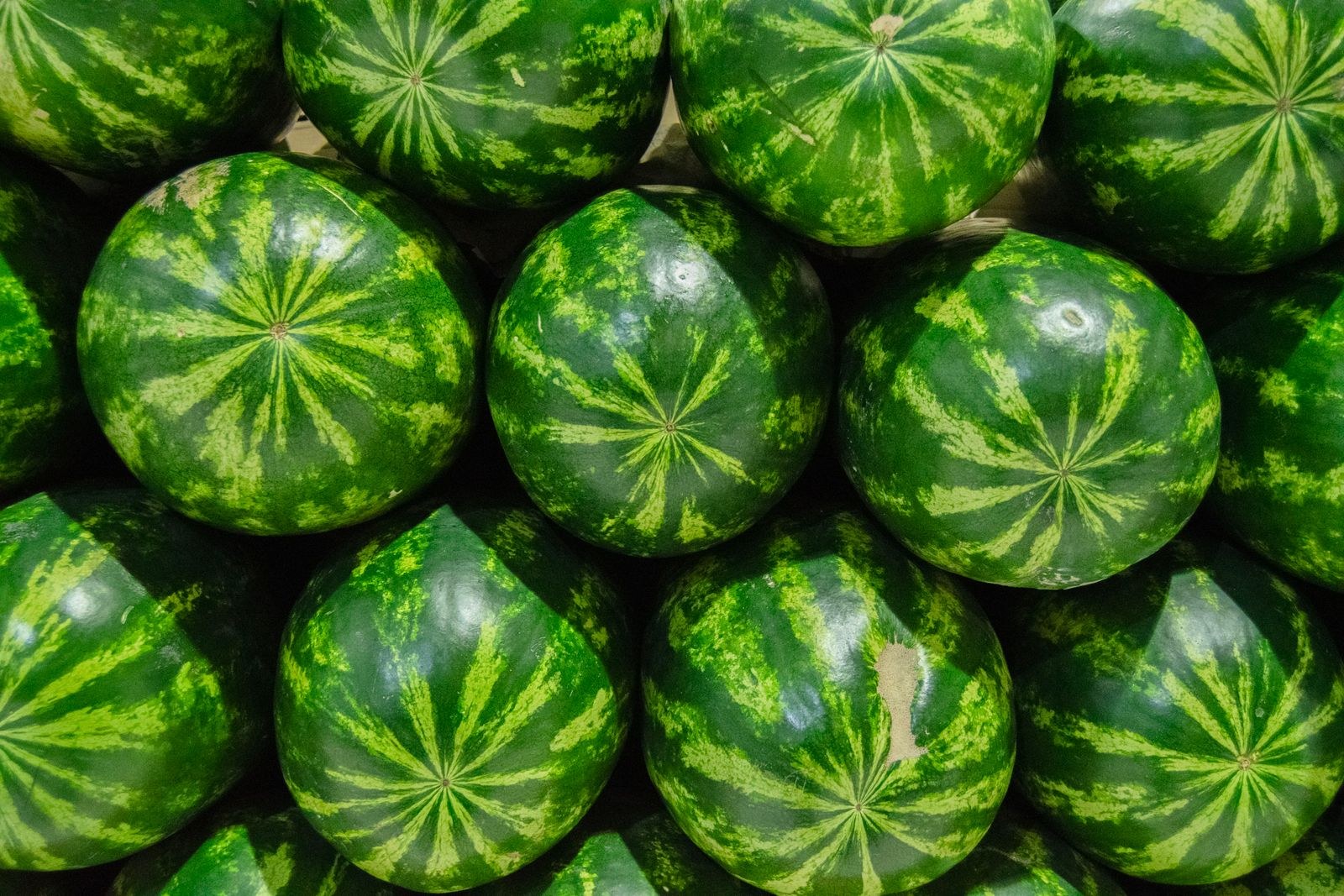
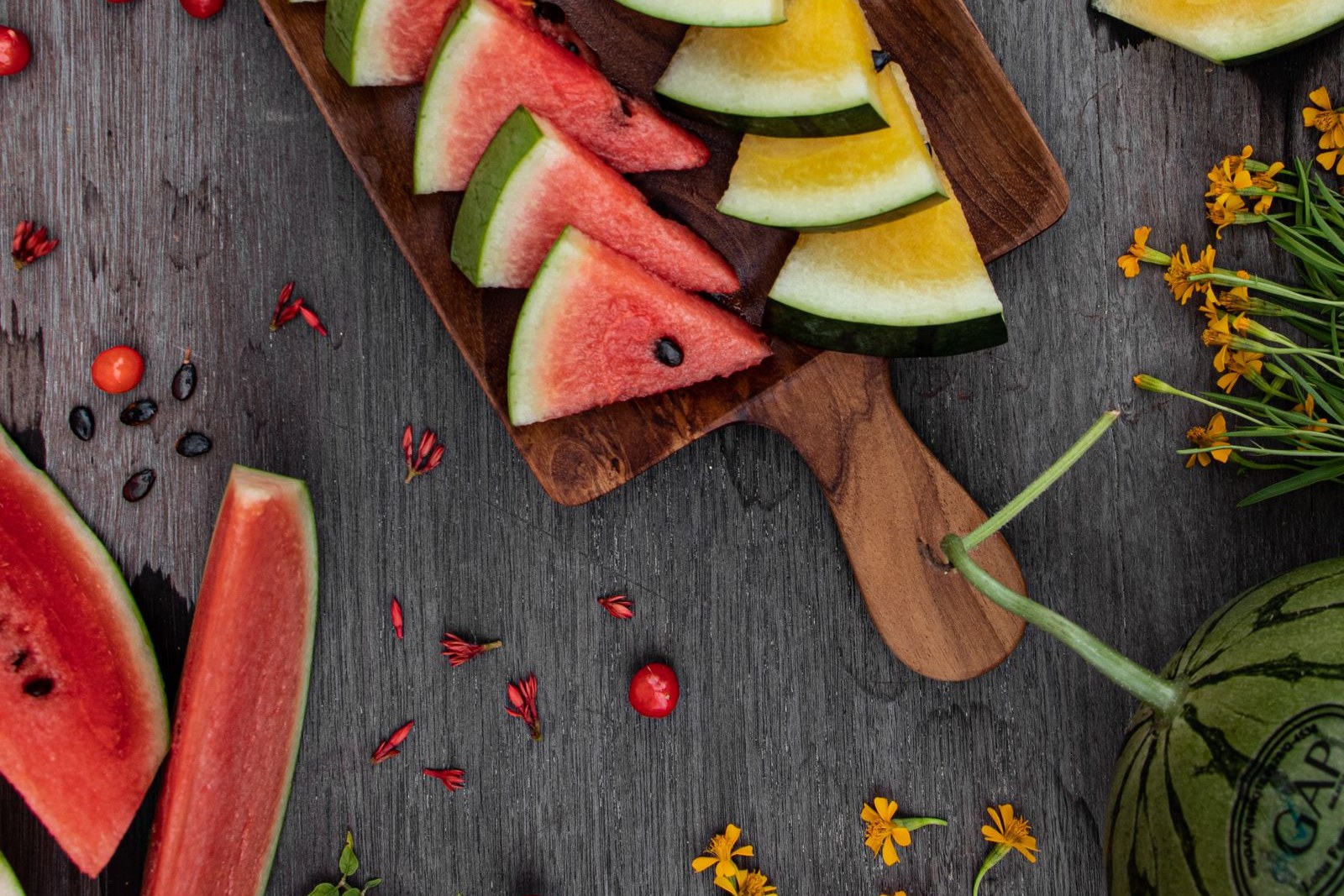
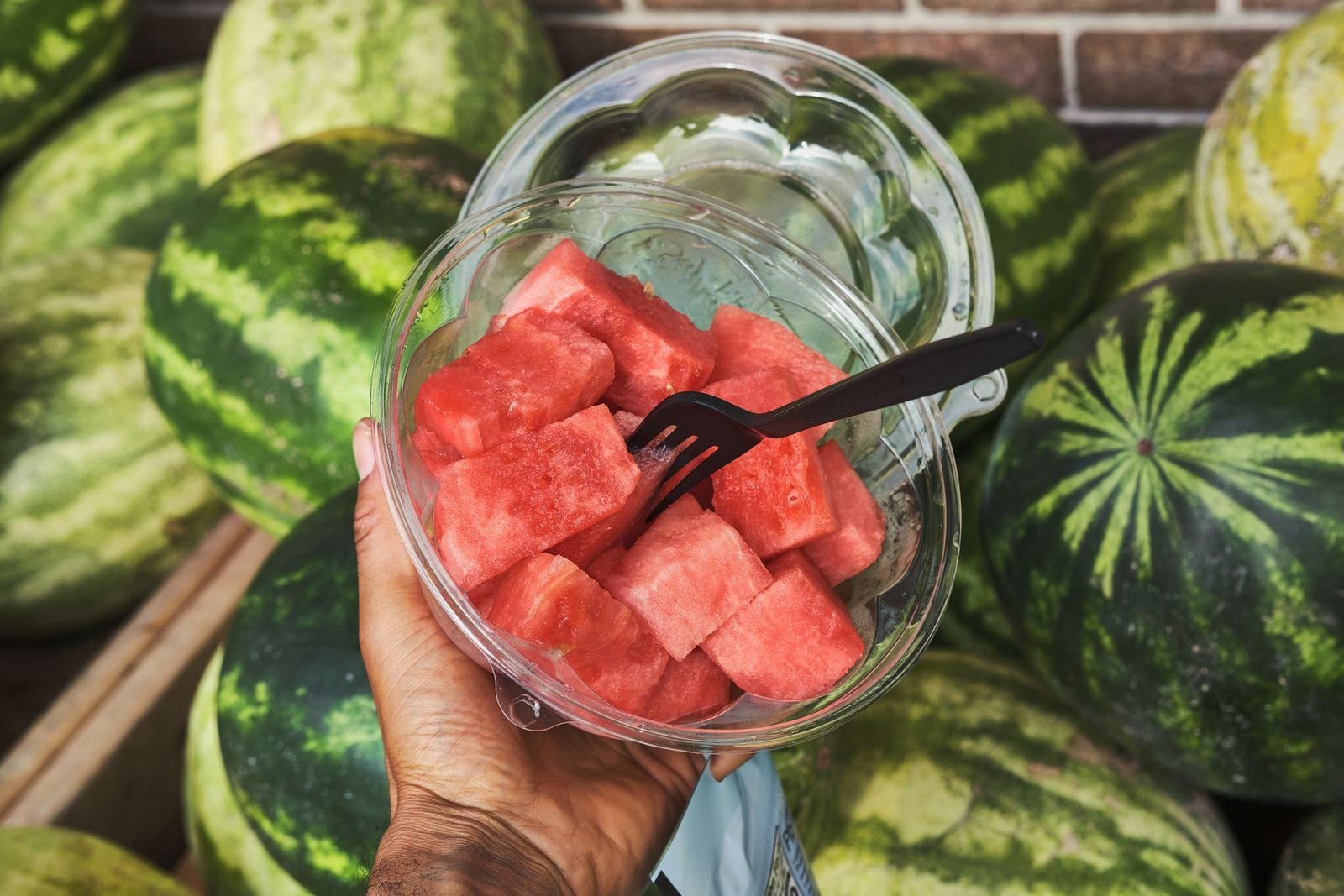
The old method and the new one differ in the raw material, and the change is the small history of the pickle. Households once used the rind of a seedless yellow-core watermelon, scooping out the flesh, slicing the peel small, salting and stirring it, pressing out the water and packing it into a jar for at least three days before it could be eaten. Today the town grows a thin-skinned small watermelon for the purpose, cored and cut into even wedges, and the pickle is ready in three to five days; the provincial government’s food writing gives the salt at roughly five parts fruit to one part salt, the melon left a few hours until it drains, then sealed in earthenware at room temperature while the sugar turns to lactic acid and the sharp raw note goes. The melons have been grown here for more than a century by the local press’s account, a claim printed here as attribution. The pickle’s own name is 酸瓜 suānguā, sour melon, and the town’s label for it is sometimes 四更酸瓜 Sìgēng suānguā, the same thing under the town’s name.
Pickled melon is a cooking ingredient before it is a snack, and the city’s signature use is one dish: 酸瓜焖鲨鱼 suānguā mèn shāyú, braised shark with pickled melon, the rind and a small shark into a clay pot with ginger, oyster sauce, light soy and cooking wine, boiled hard and then left to murmur for about half an hour until the fishy edge is gone and the sauce turns sour-sweet, the whole thing spooned over rice. Around it sits a family: braised 麻鱼 máyú with the rind, a 麻鱼 soup, a clay pot of the rind with 海白 hǎibái white clams, a plain scallion-and-pickle soup, and the workaday stir-fries – rind with pork belly, with pig offal, with beef tripe, with egg, and a whole small melon fried plain. There is also a variant made from the rind of the local hami melon, milder and crisper, and the city’s own 酸菜, its cabbage pickle, sits a rung below the melon in local affection and goes into soups, braises and the noodle bowl the city calls 露面 lù miàn.
The industrial step is recent and small, and the numbers belong to a single plant rather than to the city. The pickle works sits at 来南村 Láinán Cūn Lainan village in Sigan, built out of a disused village school, with a site of some two thousand nine hundred square metres and an investment of about 3.15 million yuan, finished at the end of 2024 and going into production in 2025 at a planned capacity of four hundred tonnes a year and an output value of some 5.5 million yuan. The city’s own note lists the project’s three measurements separately – land area, building area and the school building’s floor plate – and this article prints the land figure with its source and does not add the others to it. The research is done with the food-science school of 海南大学 Hǎinán Dàxué Hainan University: a dried-fish pickle, a shrimp-paste pickle, a sauced version and a ready-to-eat line in five flavours. A second tasting in August 2023 put thirteen prepared products on the table, and the pickle had its public debut at the winter trade fair in Haikou in December 2024, where a bottle sold for twenty-five yuan with the product not yet in general distribution, a fair snapshot and not a shop price. A widely copied line giving the plant a daily capacity of thirty thousand tonnes is a typographical error and is not used here. The town’s wider farm economy is put at about seven hundred million yuan a year, an all-industry figure that is not the pickle’s.
Two things this pickle does not have, and a reader should know them both. It has no geographical indication of any kind – no register entry, no certification mark, no protected name – and any page that gives it one is wrong. And it has no published price beyond that single trade-fair bottle, because it is still mostly a market pickle sold loose from a tub and eaten within the week. The site’s other pickle pages, from Guangdong and from elsewhere on the island, keep their own vegetables, their own towns and their own methods; this page keeps one fruit, one town and one jar, and says plainly that the rind is the only part of the melon that goes in.
Words and Names
东方酸瓜 Dōngfāng suānguā is the pickle, 酸瓜 suānguā alone the everyday name, and 四更酸瓜 Sìgēng suānguā the same thing under the town’s label. 来南村 Láinán Cūn Lainan village in 四更镇 Sìgēng Zhèn Sigan Town is where the works stands; 酸瓜焖鲨鱼 suānguā mèn shāyú, braised shark with pickled melon, is the signature dish; and 海白 hǎibái, the white clam, is its common partner in a clay pot. 露面 lù miàn is the city’s own dressed rice-noodle breakfast, mentioned once here because the cabbage pickle goes into it and covered nowhere further on this page. The site’s other pickle pages keep their own vegetables; this one keeps a melon rind and nothing else.
What the Locals Know
The pickle is bought at the market and eaten at home, not toured. A traveller finds it in the wet markets of 八所镇 Bāsuǒ Zhèn Basuo, the city seat, where it is sold from a tub by weight for a few yuan, and on the menu of almost any local restaurant as 酸瓜焖鲨鱼 or a 酸瓜海白煲, where the city’s cooks say a pickle dish is usually the house special. The works and the melon fields sit in Lainan village in Sigan, but the plant is a production unit with no official visitor arrangement, so the honest version is that a visitor sees the melon fields from the road and buys the pickle in town rather than booking a tour of the plant.
Pair the sour with the rich and the day runs itself: the melon fields and the works at Sigan in the morning, a sour-melon shark at midday in Basuo with a bowl of sweet-potato congee, and the lighthouse cape at 鱼鳞洲 Yúlínzhōu Yulinzhou in the afternoon. The ready-to-eat line is the souvenir to look for, though it is still thin on shop shelves. What the record refuses, once more: a retail price other than the December 2024 fair bottle; any production figure for any year but the 2025 plan; and any protected-name status, of which there is none.
flowcloud would say that Dongfang’s sour melon is pickled baby-watermelon rind, the flesh discarded and the rind salted and fermented three to five days in a jar, grown and jarred at Lainan village in Sigan town, cooked most often as braised shark with pickled melon, and put into a new works at the end of 2024 with a planned four hundred tonnes a year.
Where to find it: the wet markets and the restaurant tables of 八所镇 Bāsuǒ Zhèn Basuo and the melon fields around 来南村 Láinán Cūn Lainan village in 四更镇 Sìgēng Zhèn Sigan Town, in 东方市 Dōngfāng Shì Dongfang, Hainan; the pickle is sold loose by weight and the works is not open to visitors, a jar costs a few yuan on a 2026-10 snapshot that floats, and the one bottling on record fetched twenty-five yuan at the Haikou winter trade fair in December 2024.