
Three Centuries of Tofu Thread: Dongmafang Dousi
豆香削出千丝细,一箸五香传康熙 Dòuxiāng xiāo chū qiān sī xì, yī zhù wǔxiāng chuán Kāngxī – Bean fragrance sliced into a thousand fine threads; one spiced chopstick carries the Kangxi years
东马房豆腐丝 Dōngmǎfáng dòusī threads three centuries of bean craft through 天津市武清区 Tiānjīn Shì Wǔqīng Qū Wuqing District – five-spice tofu pressed thin and cut to shreds, chewy, savory and faintly sweet, first made in the village of 东马房 Dōngmǎfáng Dongmafang in the Kangxi years and never really interrupted since. The craft made the city’s intangible-heritage list, and the shreds remain the canal corridor’s standing cold dish and gift food.
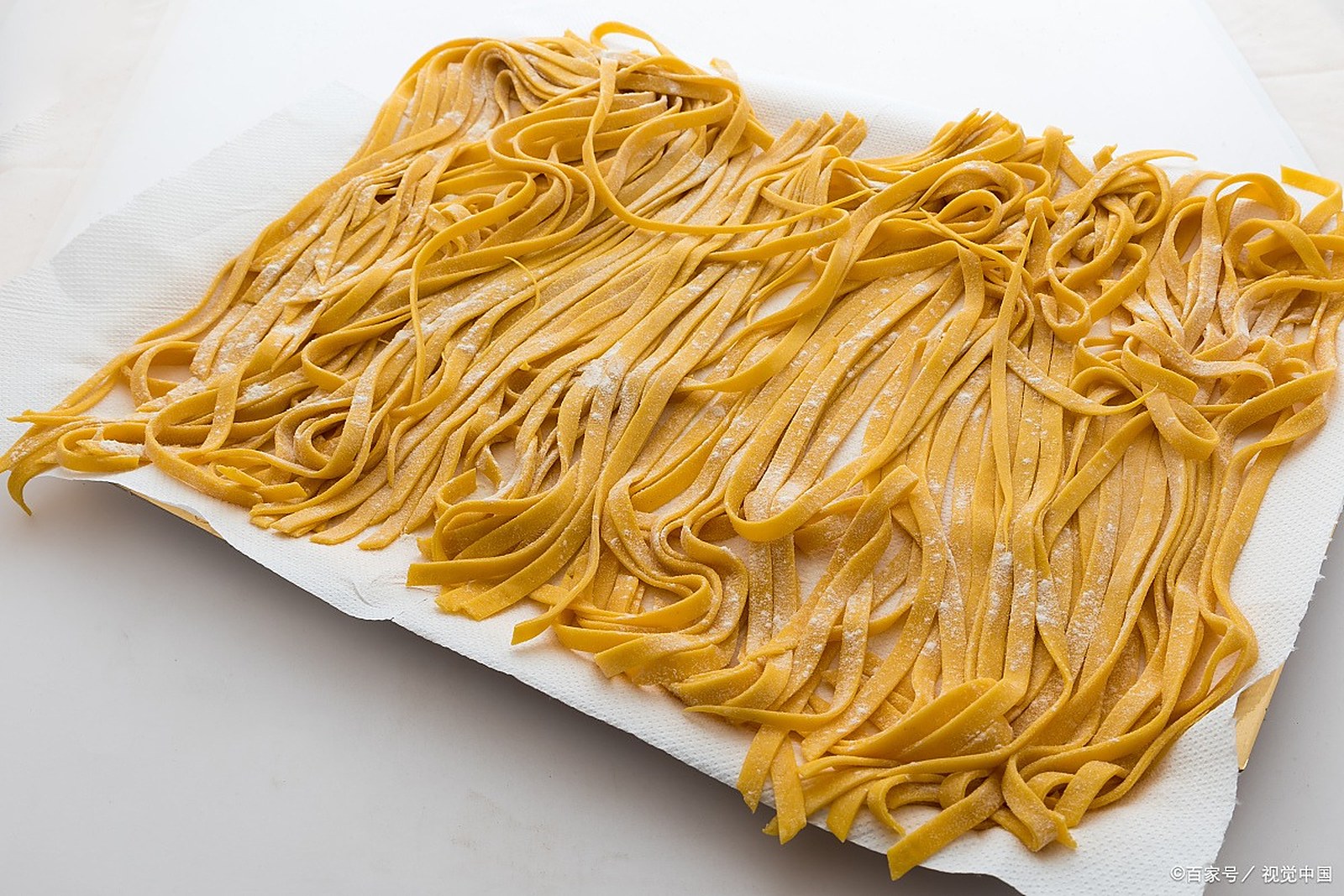
The making is handwork at pace. Firm bean sheets come off the press, rest, and meet the knife in fast repeating strokes – the shreds must run fine and even, thick enough to keep chew, thin enough to dress by the handful. The good workshops cut to order, and the pile of fresh shreds under the cloth is the shop’s whole advertisement.
The five-spice bath gives the shreds their color and keeping quality. Star anise, cinnamon and the family’s proportions turn the threads deep tan; salt sets them; and a brush of oil keeps them from clumping. Eaten cold from the pack the flavor is round and gentle – the shreds are a base as much as a dish.
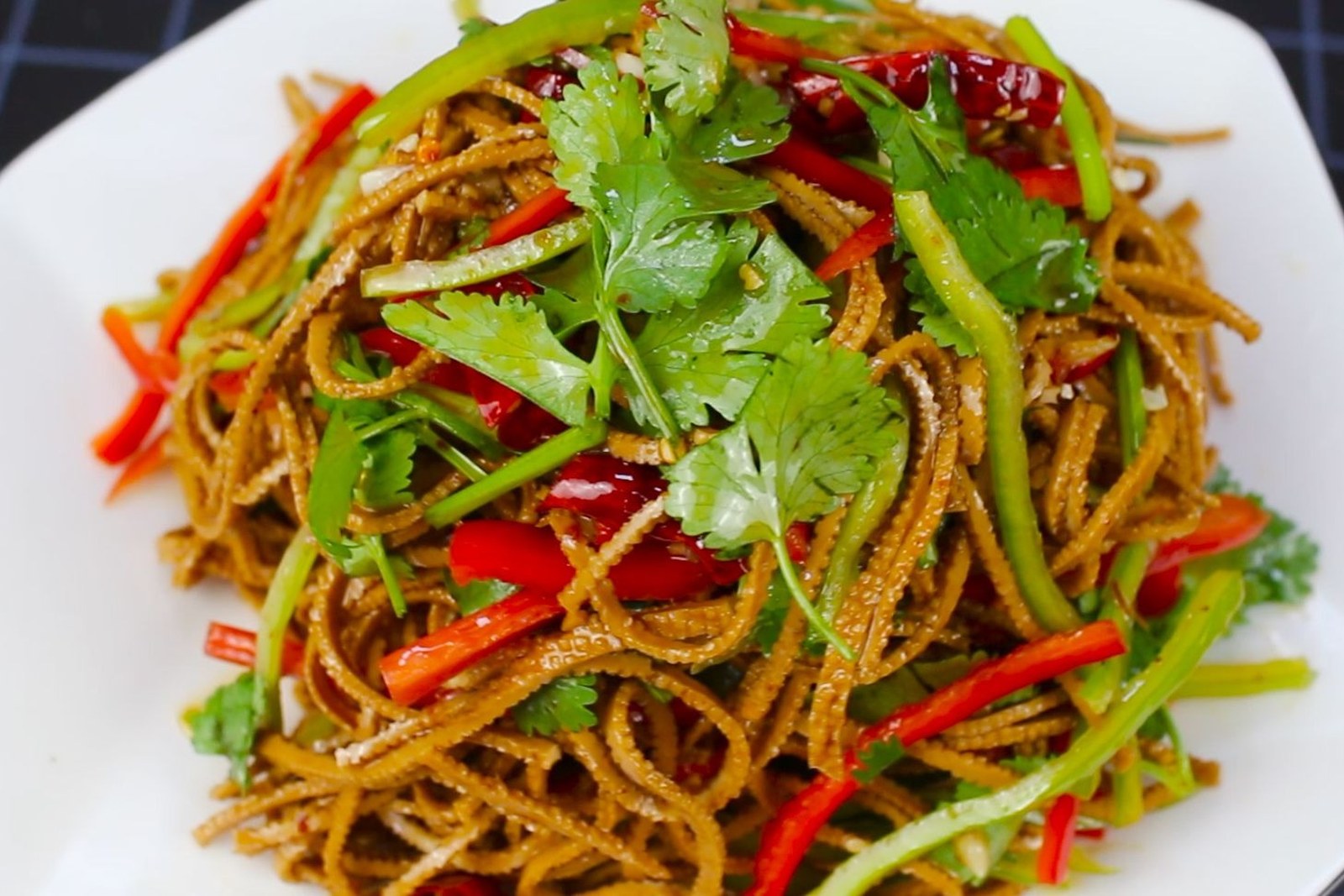
On the table the shreds flex. Cold with a splash of the spiced liquor and a scatter of coriander is the classic plate; flash-fried with peppers and garlic they take wok heat without breaking; and shredded into congee or noodle bowls they do the work of meat for the cost of beans. Every version starts from the same test: pull a shred – it should stretch, not snap.
The same district holds more flavors worth chasing: 杨村糕干 Yángcūn gāogān the white rice cake, 田水铺青萝卜 Tiánshuǐpù qīng luóbo the sweet green radish, 狗屁果仁 Gǒupì guǒrén the famously named fried peanuts, or 南辛庄小磨香油 Nánxīnzhuāng xiǎomó xiāngyóu the stone-ground sesame oil – four more doors into the same Wuqing District table.
Words and Names
豆腐丝 dòusī tofu shreds; 五香 wǔxiāng the five-spice bath; 东马房 Dōngmǎfáng the craft village; 非遗 fēiyí the intangible-heritage listing; 凉拌 liángbàn the cold-dress serve.
What the Locals Know
Fresh-cut from the workshop beats every packaged version – the chew fades fastest of all textures. The cold dress needs nothing but the spiced liquor and coriander; soy sauce flattens it. Buy morning-cut packs and eat them by the next evening. All checked November 2026.
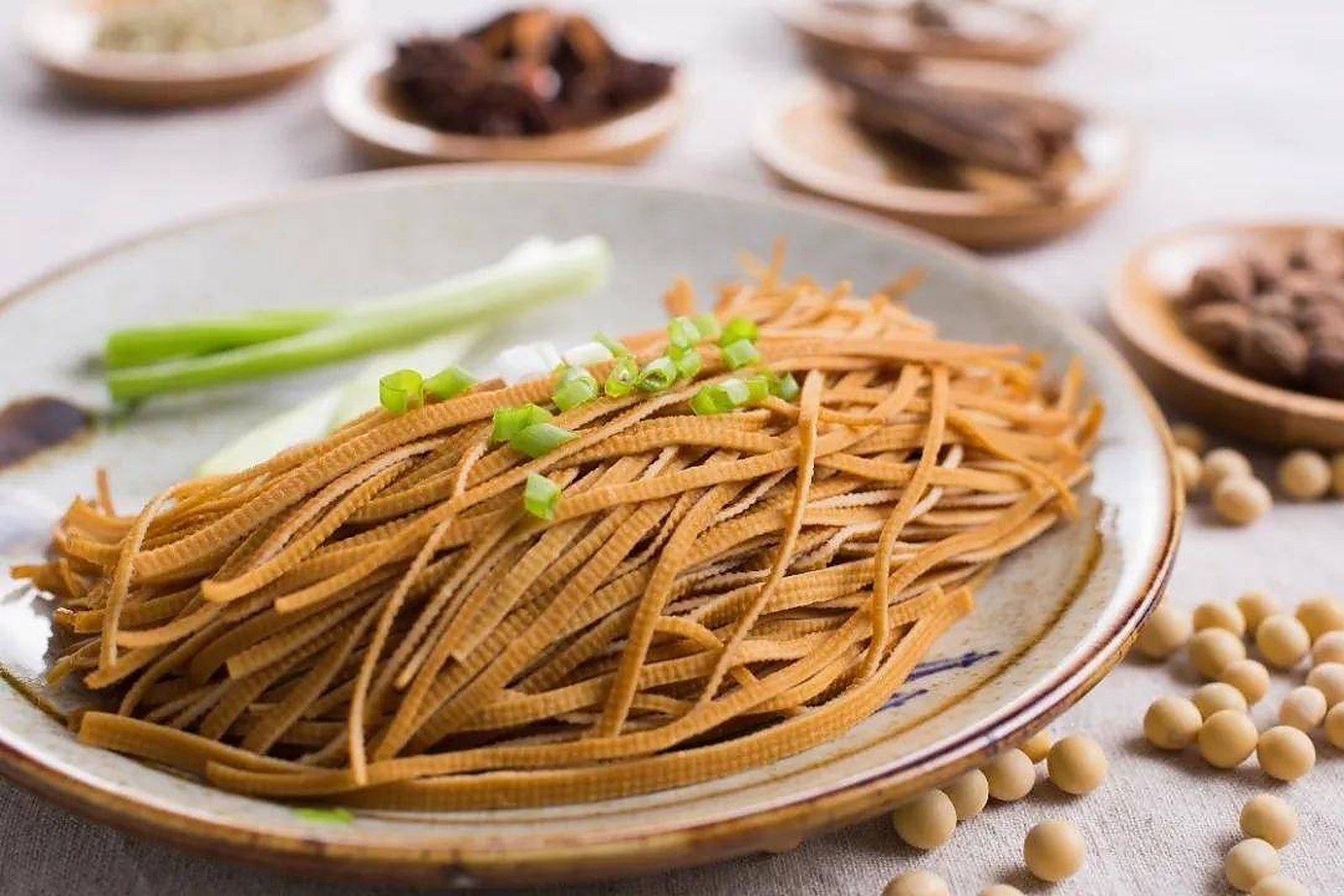
flowcloud would say Dongmafang dousi is bean work at its most patient: three centuries of pressing, spicing and fine cutting, still pulled apart by hand one stretch at a time.
Where to find it: The village workshops near Chengguan sell fresh-cut packs by the day, Tianjin dry-goods markets stock the vacuum bags, and the district’s restaurant tables serve the cold-dress version as a standard starter. All checked November 2026.