
脆肉鲩 cuìròu huàn, crispy grass carp, is not a species: it is an ordinary grass carp, 鲩 huàn, fed on soaked broad beans until the flesh turns crisp and springy, holds through long cooking without falling apart and tastes clean and sweet – the municipal intellectual-property bureau’s own description. The fish was born at the 长江水库 Chángjiāng Shuǐkù, the Changjiang reservoir, below the 五桂山 Wǔguì Shān, the Wugui Mountains, and the industry grew in 东升镇 Dōngshēng Zhèn, Dongsheng Town – a town that no longer exists as such: on 19 July 2021 the municipal government abolished Xiaolan and Dongsheng and chartered one new, larger 小榄镇 Xiǎolǎn Zhèn, Xiaolan Town, so the address today is the Dongsheng area of Xiaolan Town.
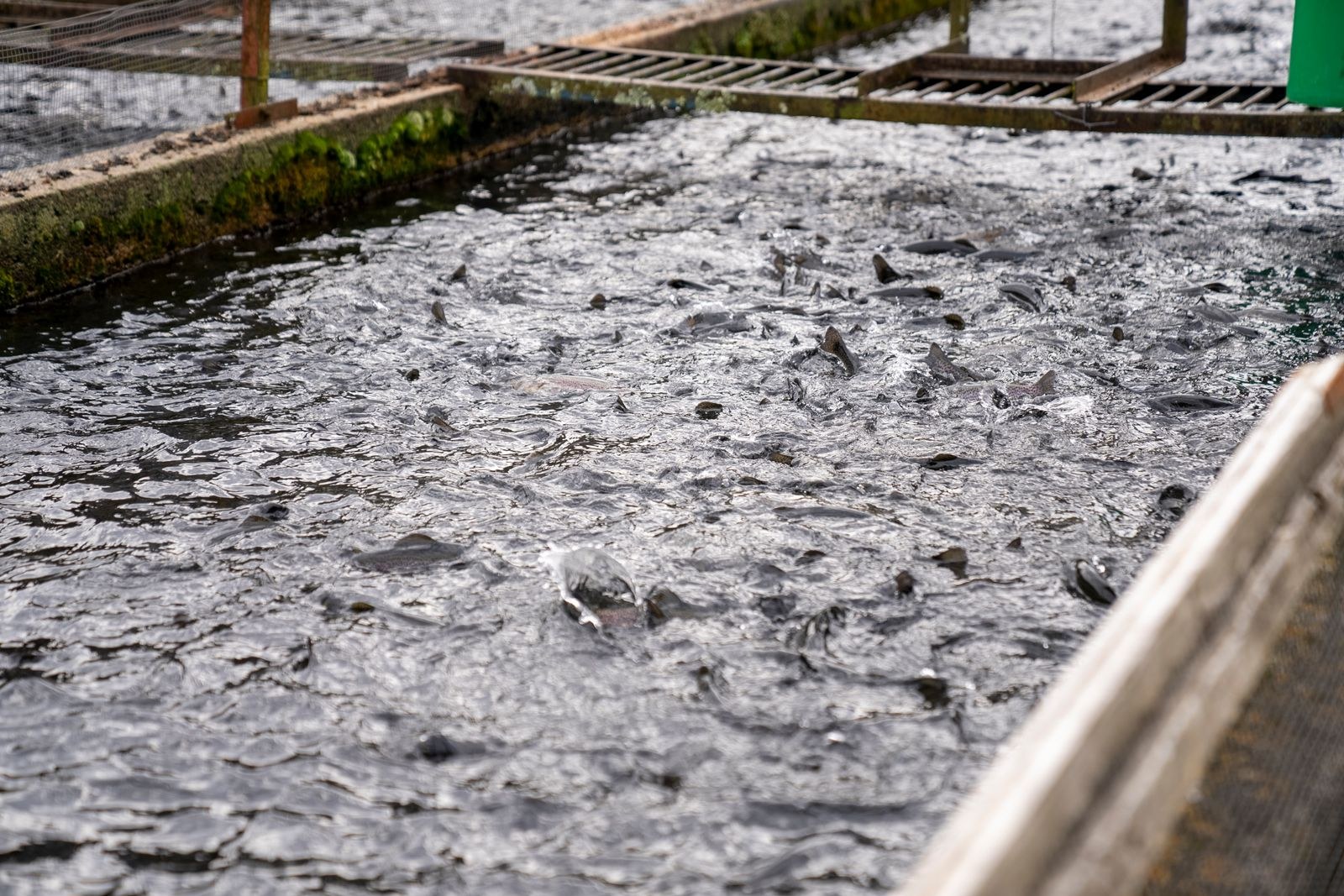
In 1973 fish farmers at the Changjiang reservoir ran feed trials in cement tanks and found that long-term feeding of soaked broad beans made the flesh crisp through and slow to break. The reservoir is a protected water source now and farms no fish; the trade moved to earthen ponds, proved in 1987 by Dongsheng farmers on a first trial of 1.53 hectares that spread to 8,000 mu. The honours stack in order: in 2006 Dongsheng was named 中国脆肉鲩之乡, home of the crispy grass carp – the archives credit the aquatic-products association while a ministry-site repost dates a Diaoyutai plaque to 20 July 2007, and both accounts stand; in 2008 中山脆肉鲩 took national GI product protection under Announcement No. 132 of 2008; in 2020 the third national famous-special-new list; in 2022 the GI certification trademark, classes 29 and 31; in July 2025, 19th in Guangdong’s top-twenty special ingredients.
The 2008 registration reads like a pond kept to a drawing. All water is 西江 Xī Jiāng Xijiang water from the protected reach, salinity 0.3 to 0.4 parts per thousand, more than 200 days a year above 25 °C; ponds are east-west, 7,000 to 13,000 square metres, 2.0 to 2.5 metres deep, silt under 20 centimetres. Stock is local, at least 2 kilograms a fish, fewer than 300 main-crop fish to the mu, mud carp or crucian no more than 500, bighead no more than 50. Then the crisping: broad beans soaked 14 to 24 hours, fed daily at 3 to 5 per cent of body weight with green feed at a seven-to-three ratio, from 7 to 8 days after stocking, running 110 to 130 days without pause. Market size is 5.5 kilograms or better, and acceptance is physical – a 2-to-3-millimetre slice of back muscle must sit 30 minutes in boiling water unbroken, under laboratory limits on moisture, fat, calcium and glutamic acid.
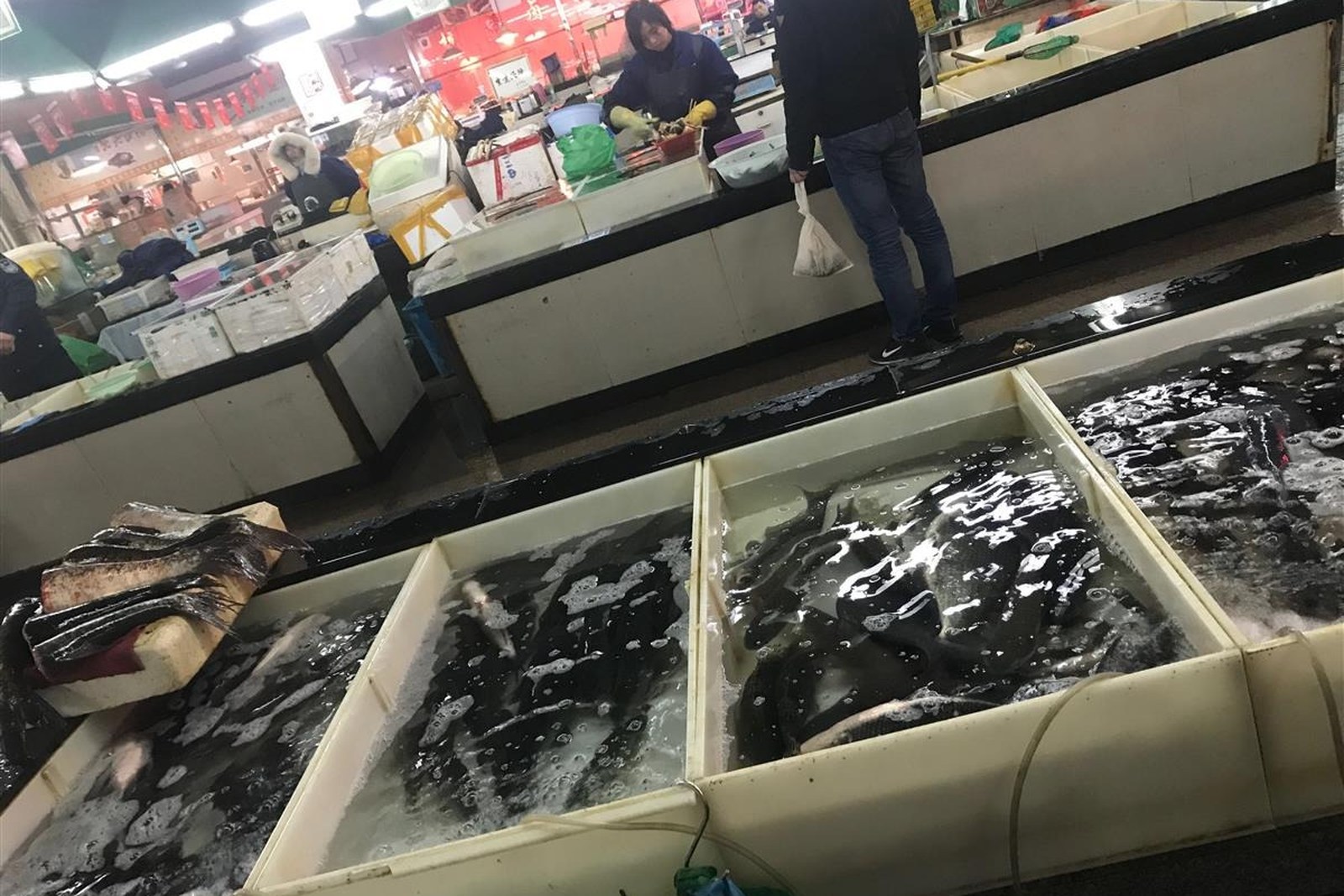
The science explains the price. Broad bean is a natural pro-oxidant, and a grass carp that eats it heavily develops an oxidative stress rather like human favism; the fish answers by laying down repair connective tissue, which turns the flesh crisp and lets the small bones come away cleanly. Fed too early or too heavily, the fish dies – which is the craft, and why the crispy fish sells for several times an ordinary grass carp. The Pearl River Fisheries Research Institute’s comparison: substrate protein 60.9 per cent higher, myofibrillar protein 18.7, collagen 36.7; in 2006 Dongsheng and the institute wrote the provincial standard DB44/324-2006.
The figures are year-tagged series, never one series. City-wide as of 2024 and 2025: nearly 25,000 mu of ponds, about 58,000 tonnes a year, about 1.88 billion yuan, with Xiaolan, Gangkou, Dongfeng and Xiqu the main producers. The town series is older and smaller: Dongsheng’s 2007 review carried 10,240 mu, the largest town, with 17,510 tonnes and 280 million yuan; a 2020-21 account gives 16,469 mu, about 35,000 tonnes, 1.019 billion yuan of pond output, four-fifths of the town’s farm economy. In May 2026 the provincial protection centre added that Zhongshan holds about 90 per cent of the province’s crispy-carp water, ships live fish to four provinces and packaged food to the United States, Canada and Australia, over forty packaged products.
Words and Names
脆肉鲩 cuìròu huàn is the crisp-fleshed grass carp, 鲩 huàn the fish itself, 蚕豆 cándòu the broad bean that does the work; 脆化 cuìhuà the crisping, 一鱼六味 yī yú liù wèi the kitchen rule – slices for the hotpot, balls, belly steamed with soy, bones fried crisp, head-and-tail soup, chive-and-fish paste for filling. 中国脆肉鲩之乡 is the home-of-crispy-carp title Dongsheng took, and the registers keep their names apart: 地理标志产品 the 2008 quality-supervision line, the certification trademark of 2022 the trademark register’s.
What the Locals Know
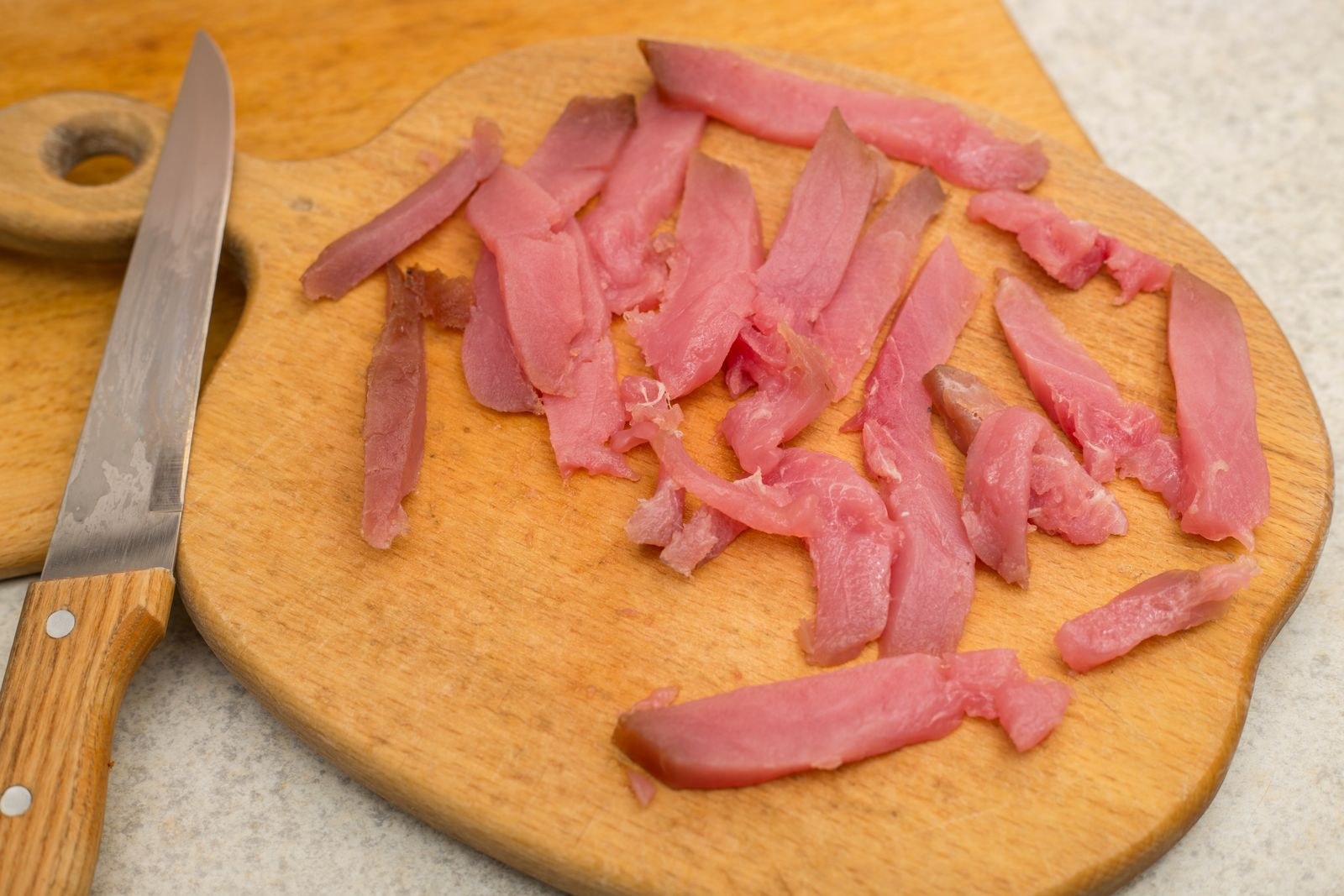
The table rule is one fish six tastes, and the slices are the point of the name – they snap, they hold their shape – so the registration’s own acceptance test, a thin slice that survives thirty minutes of boiling water, is exactly the quality a hotpot table pays for. In season the live fish leave the ponds the same day, which is why the houses that serve it well sit close to the label roads.
Where to find it follows the GI label: the label-holding firms cluster along 裕生路 Yùshēng Lù, 迎宾路 Yíngbīn Lù, 同裕路 Tóngyù Lù and 沥心路 Lìxīn Lù in the Dongsheng area – the roads the provincial register prints. In Xiaolan’s own streets the old Cantonese room 红日饭店 Hóngrì Fàndiàn, opposite 70 裕隆三路 Yùlóng Sānlù, does the slices and the soy-steamed belly at about 98 yuan a head in the 2024 snapshot; the chrysanthemum banquet dresses the slices as 菊花捞起脆肉鲩; and up at the Changjiang reservoir, the origin point, nothing swims any more – a narrative stop, not a fishery.
What the record refuses to give is a price. The farm-gate figure and the restaurant plate are both unpublished; the only quotable line is the scientist’s – several times the ordinary grass carp. The cooperatives and bases in the national list run from a few hundred mu upward, none of it converts into a price per plate, and none is invented here.
flowcloud would say that 脆肉鲩 is a pond running a controlled accident – a bean that stresses the fish, a fish that answers by building itself crisp, and a town that wrote the accident down as a national specification in 2008 and still owns about ninety per cent of the province’s water for it.
Where to find it: the GI-labelled houses along 裕生路 Yùshēng Lù, 迎宾路 Yíngbīn Lù, 同裕路 Tóngyù Lù and 沥心路 Lìxīn Lù in the Dongsheng area of 小榄镇 Xiǎolǎn Zhèn; 红日饭店 Hóngrì Fàndiàn in the old Xiaolan streets; and the chrysanthemum-banquet tables each autumn that dress the same slices with petals. Order the slices in a clear-broth hotpot first so the snap is the thing you taste, then take the fried skeleton with the soup it came from.