
This is a page about making rather than about eating, and the place to start is a workshop in 惠民街道 Huìmín Jiēdào Huimin Subdistrict, where a company called 重庆市桓瑞调味品有限公司 Chóngqìng Shì Huánruì Tiáowèipǐn Yǒuxiàn Gōngsī runs the bean paste sold under the name 豆香大酱村 Dòuxiāng Dàjiàngcūn. The interesting thing about that name is not the paste. It is that the family line behind it runs as one unbroken line across thirty-odd years without a gap: a home workshop in 1993, a workshop under another name in 1998, a brewery in 2001, incorporation in 2011, and then in 2026 the 巴南周氏豆瓣酱传统制作技艺, the Zhou family’s traditional bean-paste production technique, entered Banan’s own district-level intangible-heritage list. The workshop stands at 辅仁村大田坎社, Furenn village, Datiankan group.
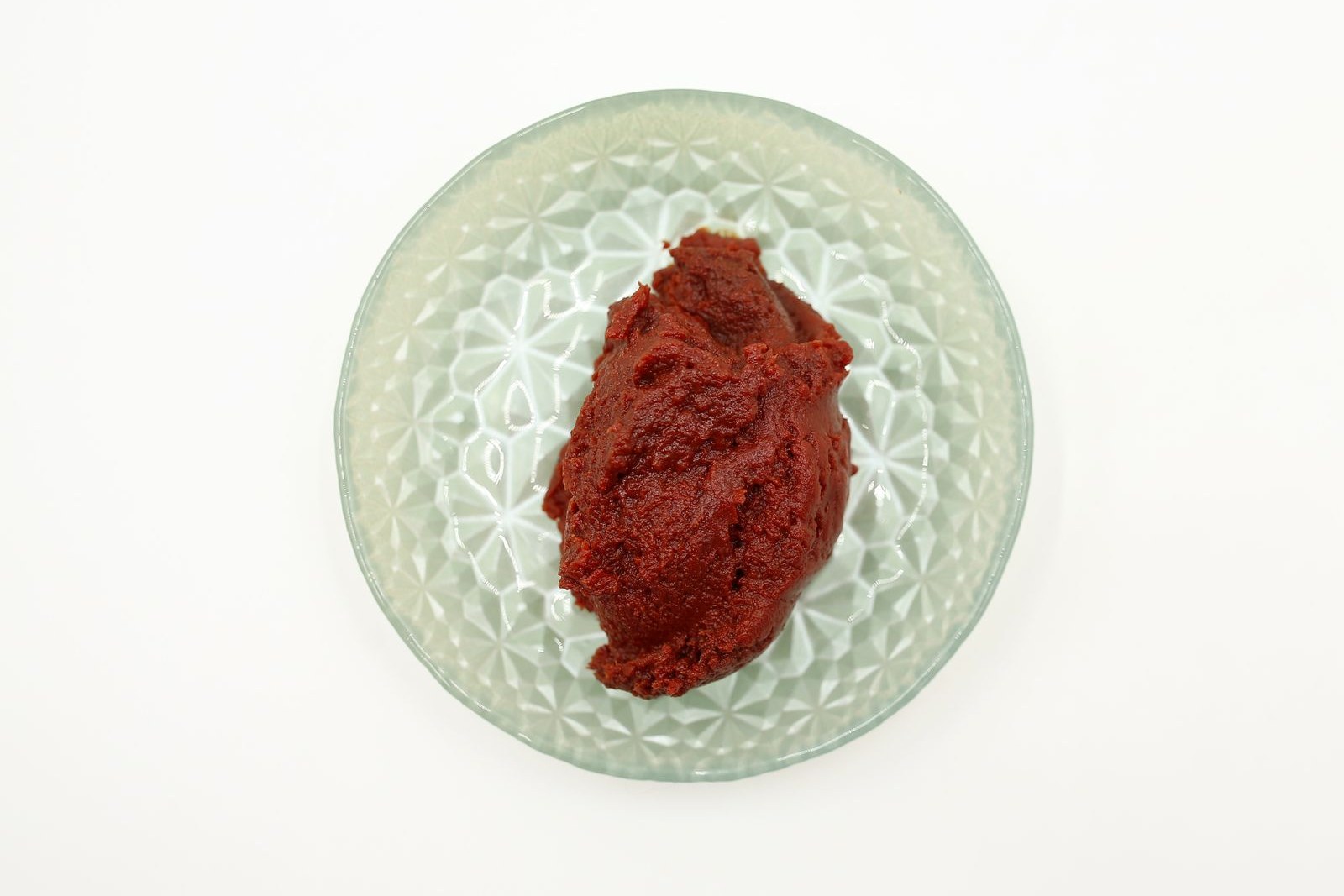
The process is the other half of the story and it has been changed on purpose. Instead of the single culture a village workshop would have used, the plant runs what the district calls a DCF paired-culture fermentation, 双菌协同发酵 shuāngjūn xiétóng fājiào, two strains working together in one vessel instead of one strain working alone. That is modern microbiology applied to an old skill, and it is the sort of thing a heritage listing does not usually have to cope with: the craft being registered in 2026 is the craft as it is practised now, not a reconstruction of the year before. What it does not change is the shape of the operation: a paste with a name and a place, a family that has made it for three decades, and a process with a stage in it that cannot be hurried.
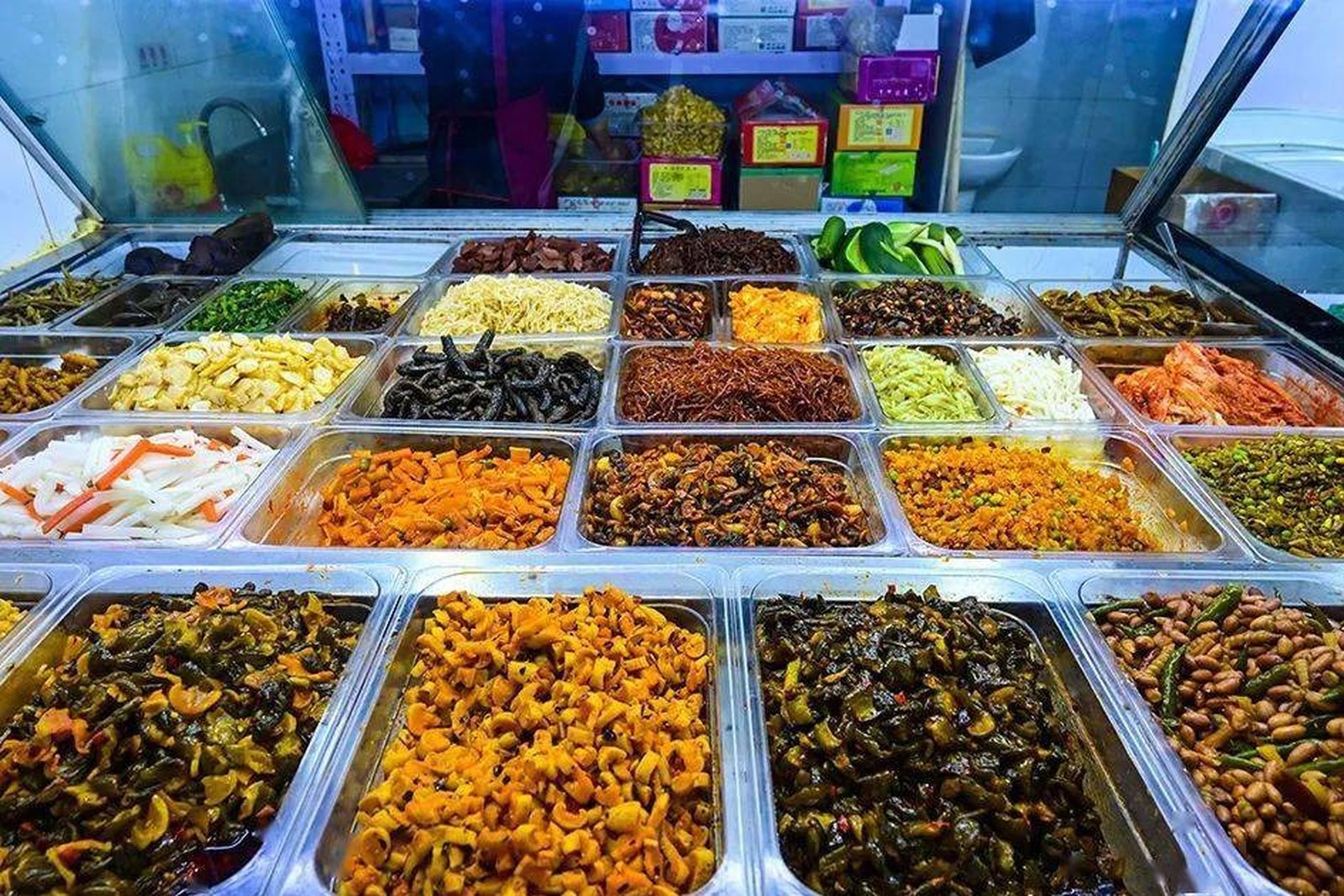
Around that one yard there is an industry, and its numbers are the reason this page goes past a single shop. Banan’s pickle trade has landed five companies, runs to an annual output value of 100 million yuan, and is fed by 23,000 mu of contract planting – order agriculture, where the buyer specifies the crop and the farmer does not have to guess at a market. The vegetables behind it are not marginal either: Banan’s vegetable output is 49 percent of the central city’s, and its early-season vegetable planting alone covers 20,000 mu for 70,000 tonnes a year. The whole chain those crops sit inside, which the district describes as one main line and two supporting lines, passed a hundred billion yuan of output value in 2025.
Two boundaries are worth stating, because both are common mistakes. There is no Banan douchi. What Huimin has is 豆瓣酱 Dòubànjiàng, broad-bean paste, in a named heritage technique belonging to one family line; 豆豉 Dòuchǐ, fermented black beans, is a different product altogether, and 永川豆豉 Yongchuan douchi belongs to Yongchuan District. And there is no Banan blue-indigo heritage, whatever a workshop demonstration in an ancient town suggests: a handcraft done for visitors is not a registered craft. The district’s own heritage count is specific – two national-level items, which are 木洞山歌 Mùdòng Shāngē Mudong mountain songs and 接龙吹打 Jiēlóng Chuīdǎ Jielong blow-and-drum music, both in the first national batch of May 2006, eleven municipal items and fifty-six district items, with eighty-one named inheritors. Nothing else is on it.
Words and Names
豆香大酱村 Dòuxiāng Dàjiàngcūn, the bean paste of 重庆市桓瑞调味品有限公司 at 辅仁村大田坎社 Fǔrén Cūn Dàtiánkǎn Shè Furenn village, 惠民街道 Huìmín Jiēdào Huimin Subdistrict; a home workshop in 1993, a workshop in 1998, a brewery in 2001, incorporation in 2011. 巴南周氏豆瓣酱传统制作技艺 the Zhou family’s traditional bean-paste making technique, a Banan district-level intangible-heritage project in 2026. DCF 双菌协同发酵 shuāngjūn xiétóng fājiào paired-culture fermentation. 泡菜 Pàocài pickles: five companies landed in Banan, 100 million yuan a year, 23,000 mu of contract planting; vegetable output 49 percent of the central city; the one-main-two-supporting chain passed 100 billion yuan in 2025. 秀珍菇 Xiu Zhen golden oyster mushroom at 接龙镇 Jielong Town: 36,000 t of straw a year, 10,000 t of mushrooms, China green food grade A.
What the Locals Know
The people who make this do not measure the way a factory does, and the knowledge sits in four places. They judge the beans by the season they were sown and by how they were dried, because a paste cannot be corrected later by a longer fermentation. They judge the salt by weight and by timing, since salt is the only thing standing between a batch and a ruined one. They read the vat by its surface rather than by a thermometer, and a house that has been doing this for thirty years will not be hurried by a buyer with a delivery date. And they judge the finished paste by how it behaves in a wok – whether it holds its shape when it hits hot oil, and whether the colour stays red instead of going brown. The second half of the local knowledge is about buying. Buyers ask which name they are getting, because 豆香大酱村 is one house’s product and not a generic paste, and they ask what it is for, because a paste for red cooking and a paste for cold dipping are not interchangeable.
flowcloud would say that Banan’s bean paste is a craft registered in its own industrialised form – 豆香大酱村 made by 重庆市桓瑞调味品有限公司 in 惠民街道 Huimin Subdistrict, from a home workshop in 1993 through a workshop in 1998 and a brewery in 2001 to incorporation in 2011, with the 巴南周氏豆瓣酱传统制作技艺 entered as a Banan district-level intangible heritage project in 2026 and the process run as a DCF 双菌协同发酵 paired-culture fermentation, two strains working together rather than one alone. Around it sit five pickle companies at 100 million yuan a year on 23,000 mu of contract planting and a one-main-two-supporting chain past 100 billion yuan in 2025. There is no Banan douchi – Yongchuan’s is Yongchuan’s – and no Banan indigo heritage. All checked October 2026.
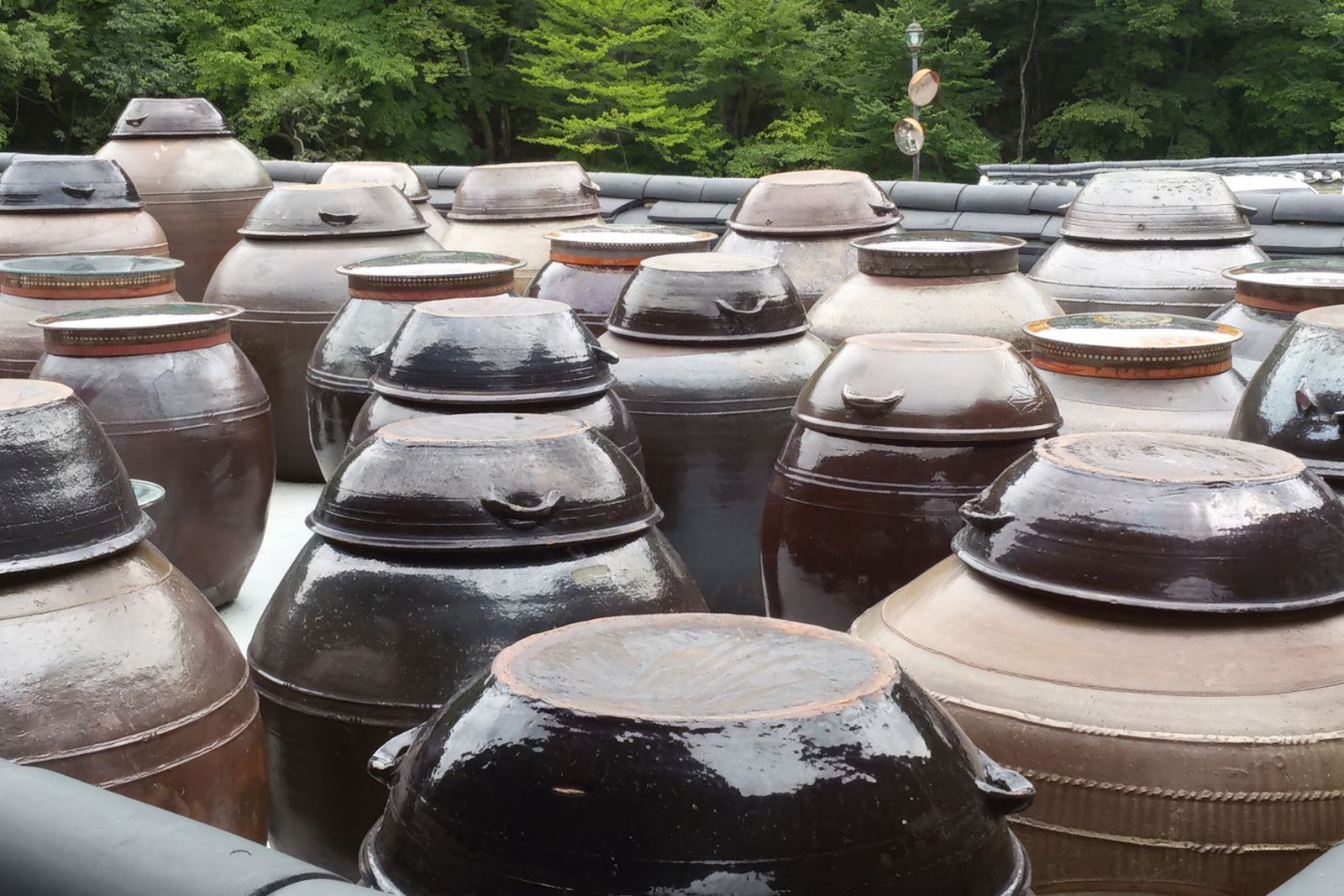
Where to find it: the bean paste and pickle houses of 惠民街道 Huìmín Jiēdào Huimin Subdistrict, Banan District, along the district’s southern agricultural belt where the contract vegetables are grown, and the pickled-vegetable counters of 姜家 Jiangjia and 二圣 Ersheng when you are already there for the cured meat or the pears. Ask for 豆香大酱村 by name and say which of the two products you want. The crocks in the fermenting yard are working premises rather than a visitor attraction and no visiting hours are published, so treat anything offered as a shop visit as a courtesy and ask before photographing. The paste is a counter trade and so are the pickles, and the five companies that supply the trade are not on any published list. No prices are quoted.