
Wind-Dried Mutton: The Taste the North Wind Cures, More Fragrant With Every Chew
北风吹透肉自干 Běifēng chuī tòu ròu zì gān – The north wind cures the meat through
Before winter closes on Bortala’s herding country, every household hangs meat: whole sides cut into strips and hung in airy cold rooms, the sub-zero north wind blowing through for weeks. Not a drop of soy, not a pinch of salt required – hard cold and dry wind are the only cure, drawing moisture out and flavor inward. Taken down the next spring, the strips have hardened like kindling and darkened like old wood: wind-dried mutton.
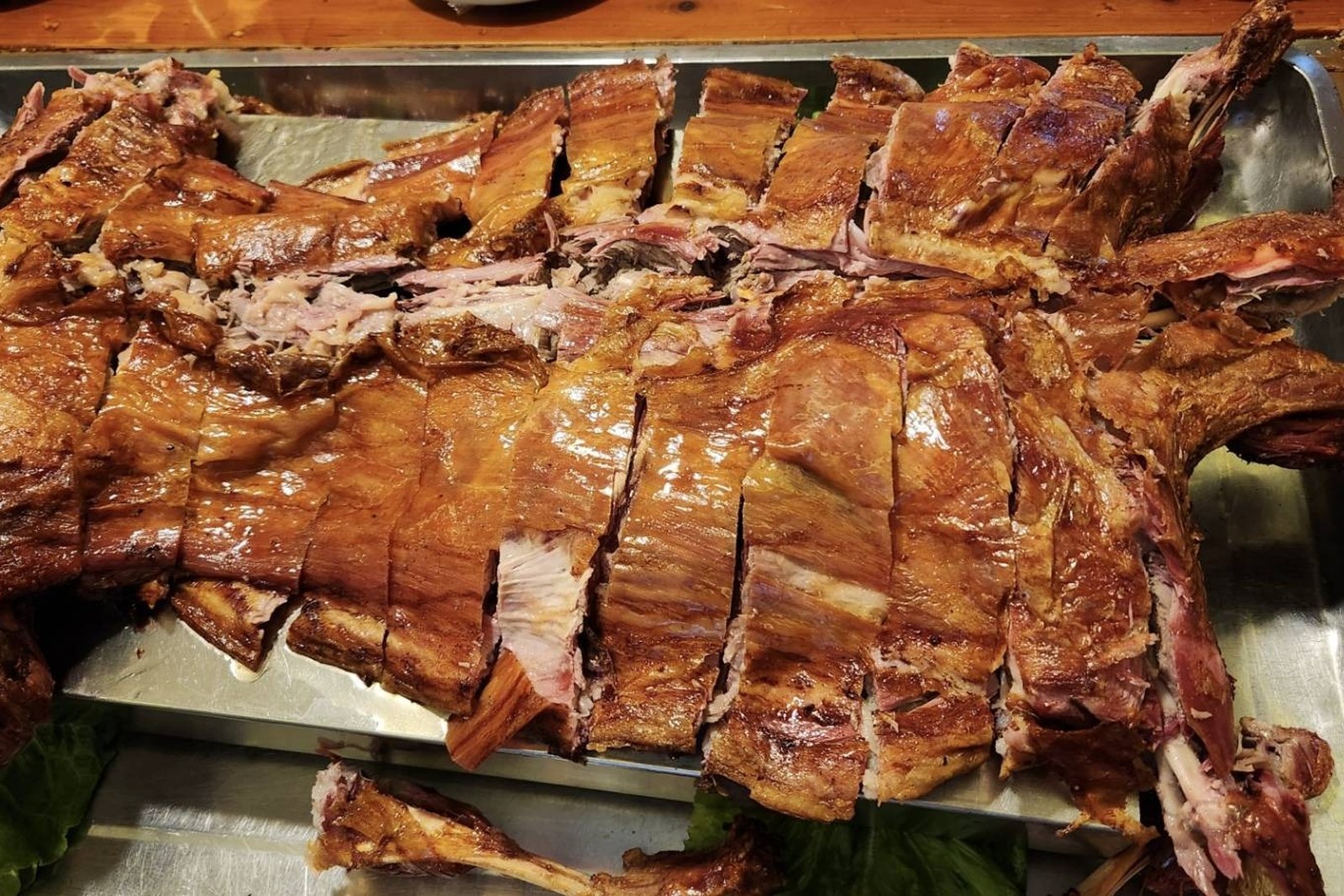
The dish’s history reaches early nomad times: on migration roads without stove or salt jar, wind-dried meat was the only ration that survived the distance. Herder arithmetic is astonishing – a two-kilogram strip carries a rider three days; a beam’s worth of hanging meat winters a whole family. Logistics and cold chains have long since taken over the job, yet herders still hang meat on schedule each winter, saying the freezer’s meat is for guests while the drying room’s is for the family. Inside the saying sits nomadism’s plainest grading: convenience is one matter, flavor-character another, and the two must not be confused.
Recipes differ by family: some wipe the strips with brine before hanging for a base seasoning; others insist on pure wind, eating only the original taste. The argument has run for generations without a winner – the brine faction says guests open up salt-first; the pure faction says good meat needs no disguise. Taste both and let your tongue vote.
The seasonality is strict: hanging starts in early November, when temperatures hold below zero – no spoilage – and the wind has not yet reached full fury, so dehydration runs at exactly the right pace. The drying room wants 「airflow without light」, wind channels left between strips, a flip after a month, essentially dry at two. The only seasoning in the whole process is sub-zero air.
Eating is unceremonious: tear the strips and chew – coarse fibers, deepening flavor, the migration road’s most reliable ration. The finer version steams the meat through, heat waking the aroma, a bowl of milk tea alongside making a hard morning tea. Ribs can also drop into the Naadam-season cauldron stewed with radish, broth dark and deep, winter’s most solid warmth.
Beyond the dried meat, the same 博尔塔拉蒙古自治州 Bó’ěrtǎlā Měnggǔ Zìzhìzhōu Bortala Mongol Autonomous Prefecture holds other flavors: 赛里木湖冷水鱼 Sàilǐmù Hú lěngshuǐyú Sayram coldwater fish, 精河枸杞 Jīnghé gǒuqǐ Jinghe goji berries, 手把肉 shǒubàròu hand-grabbed lamb, and 蒙古奶茶 Měnggǔ nǎichá Mongol milk tea – four more doors into the same 博尔塔拉蒙古自治州 Bó’ěrtǎlā Měnggǔ Zìzhìzhōu Bortala Mongol Autonomous Prefecture. With the dried meat packed, our Bortala travel map fills the day.
Storage has rules too: sound dry strips hang through to spring, but must be finished or refrigerated before summer – reabsorbed moisture undoes everything. Herders vacuum-pack small portions, opening one bag at a time. City dwellers cannot copy the drying room but can keep the principle: for wind-dried meat, dry beats cool, always.
Siting the drying room is its own science: an airy pass or slope with through-draft, sheltered from noon sun. Builders set the window parallel to the prevailing wind so air 「brushes」 the strips rather than slamming them – a patient, even wind dries evenly.
Quality reads on three points: color even in depth – blackened means over-cured; texture hard but not scorched, a dense fiber cross-section at the snap; smell purely of meat – any tallowy note means hung too long or dampened. Herders add a folk test: bend a strip gently at your ear and listen for the fine crackle of fiber.
This is nomad survival intelligence: before refrigerators, wind and cold preserved a winter’s protein. Today it is Bortala’s seasonal specialty – city buyers take whole strips at winter markets and mail them inland, every parcel addressed to the same word: the taste of Xinjiang.
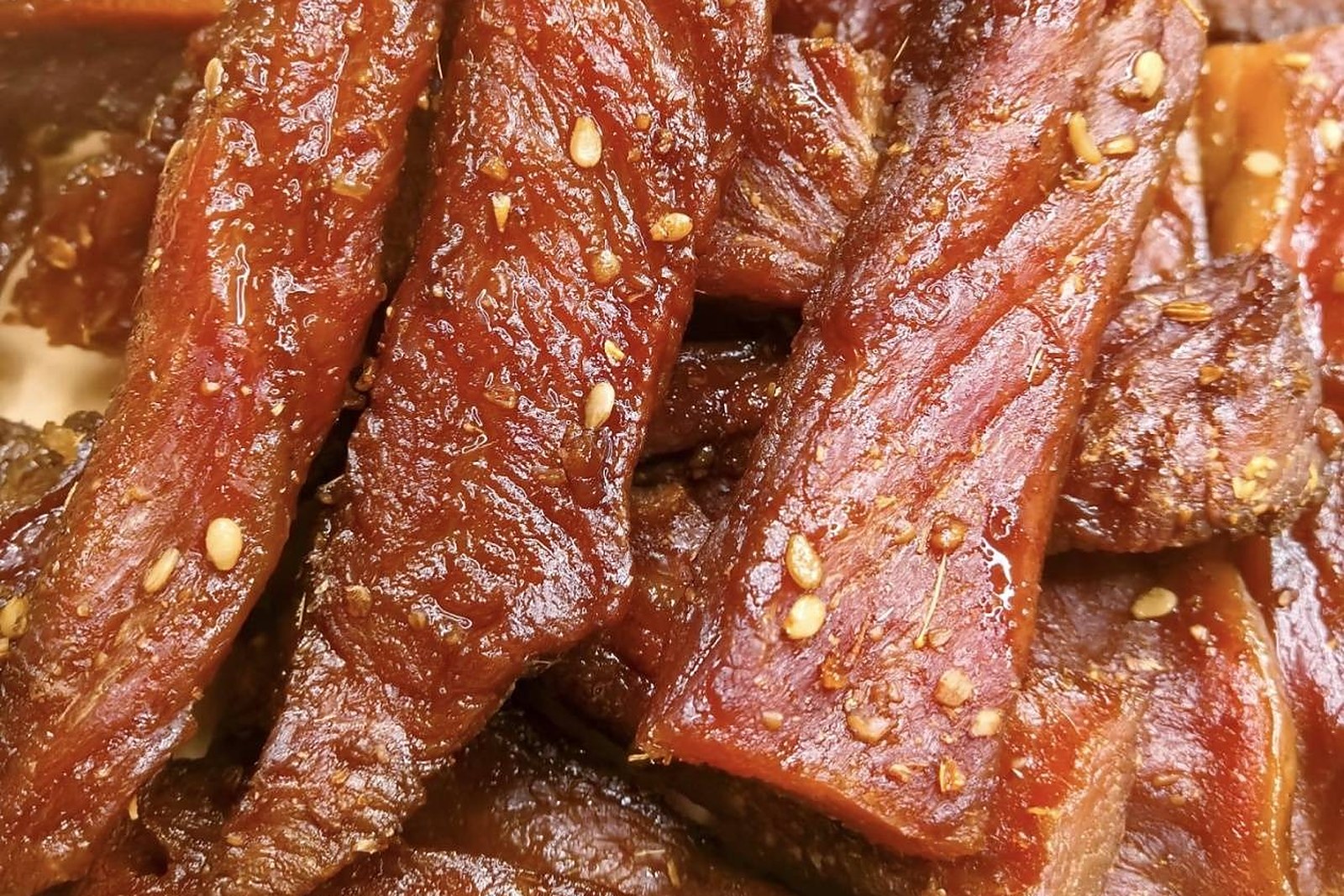
With liquor it becomes the herding night’s proper business: tear a strip, pour a cup of local baijiu, meat and spirit meeting in the throat, the day’s fatigue dissolving. Old herders grade it in three layers – salt, then fragrance, then the sweetness chewed out last; only tasters who reach the third layer truly know this wind-cured meat.
The near relatives deserve mention too: wind-dried beef from hind leg, coarser fiber, harder chew; wind-dried horse sausage, the winter-slaughter season’s limited delicacy, fat and lean married in the casing, steamed and sliced for drinking. Three dry meats on one plate compose the herding country’s 「flavor trio」.
Preparation runs the full range: the boldest eat it raw from the pocket – herders carrying strips on migration, chewing when hungry, snowmelt for drink; the home version steams and slices with pepper salt or garlic; the banquet version stews with dried cowpea, the concentrated salt-perfume melting into the broth, three bowls of rice disappearing. The young invented a new form – shredded into yogurt, salt meeting milk in unexpected agreement.
In Bortala wind-dried meat is winter’s respectable gift: two fine rib strips tied in red cord outweigh any gift box. Market stalls multiply year by year and prices climb with them – fewer young people master the craft, and the old masters’ hands have become scarce resources. Some families now pack ready-to-eat versions, tearing open to eat, easing this ancient craft into the snack aisle.
To watch the making, visit a herding cold room in the twelfth lunar month: whole sides hanging beam to beam, oil-catch cardboard below, wind entering through wall cracks with a faint salty perfume. The host cuts a sliver for guests – hard enough to challenge the teeth, but chew ten minutes and all the essence of mutton wakes, a density no fresh meat can offer.
City shops now sell tasting packs: small sealed bags, tear-and-eat, wet wipe included – the old craft adapting to new customers. Elders sniff at it; young customers vote with repeat purchases. The market settles in the middle: traditional long strips keep selling, portable packs keep producing – the wind keeps blowing, the meat keeps perfuming, and here lies the herding winter’s confidence.
The competitive landscape has its own hierarchy: the Tacheng basin’s version holds the loudest name, while Bortala’s is the quiet powerhouse – drier, fiercer wind here dehydrates faster and concentrates the meat perfume further. The two camps glare across the Junggar Basin, and time is the only referee: the strip that reaches next spring uncracked, unspoiled, and more fragrant with every chew wins. For travelers the answer is simple – in Bortala, eat Bortala’s; this wind-concentrated taste does not reproduce beyond this steppe. Memorize one formula when choosing: color of rosewood, sound of dry twig, perfume of an old granary – all three present, buy with closed eyes.
Words and Names
What the Locals Know
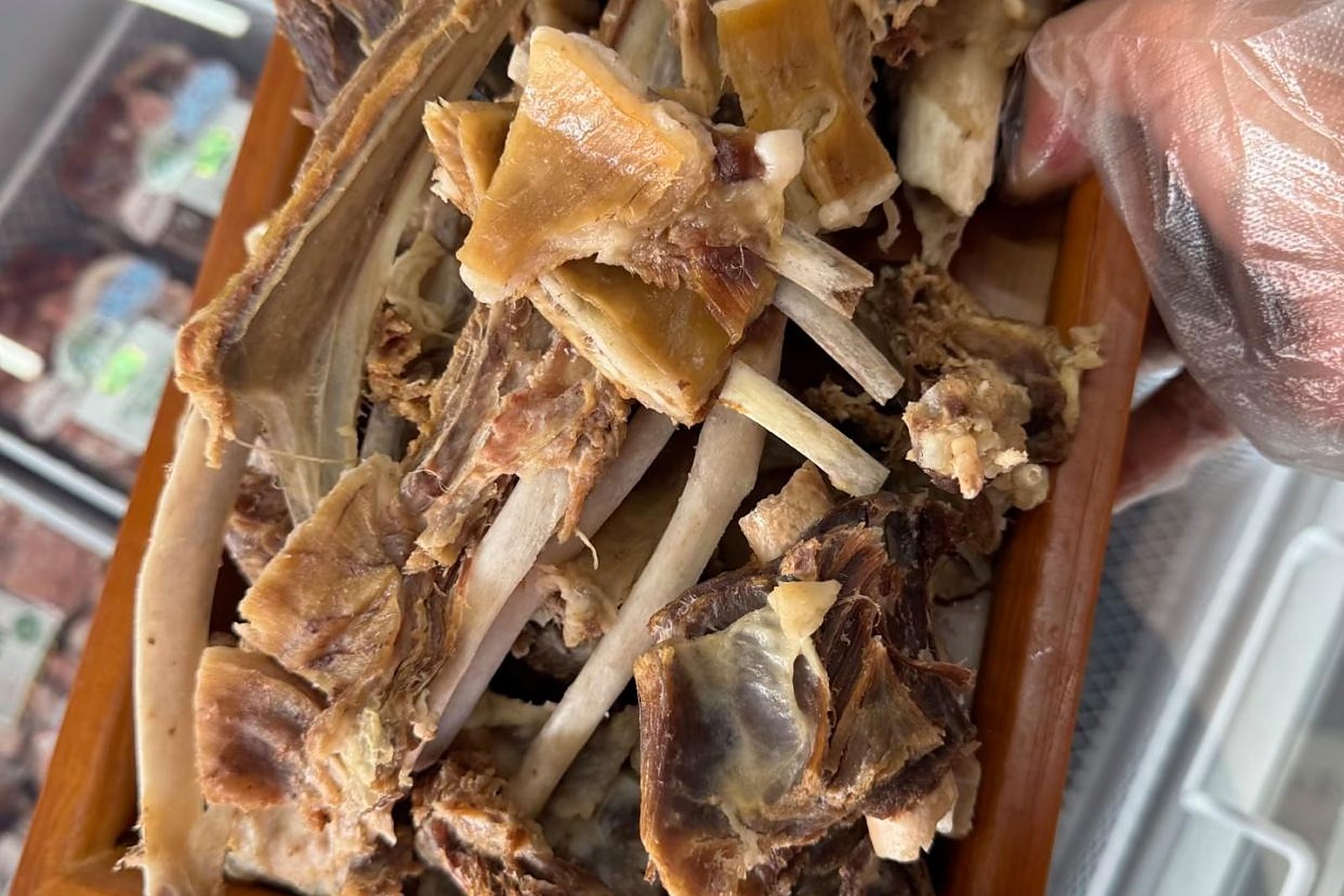
flowcloud would say wind-dried mutton is the steppe’s time capsule: one bite and you taste the whole winter’s wind.All checked November 2026.
Where to find it: Bole’s winter markets and direct herder suppliers come first – choose strips even in color, dry-hard, and non-sticky to the touch; first-timers should start with one small strip, milk tea alongside against the salt. All checked November 2026.