
The Winter Larder: Pike Hung in the Altai Wind
风干自有真滋味,冬雪封河鱼更香 Fēnggān zì yǒu zhēn zīwèi, dōngxuě fēnghé yú gèng xiāng – Air-drying keeps its own true taste; when winter snow locks the river, the fish smells sweeter still
正文:风干狗鱼 Fēnggān Gǒuyú air-dried pike is the frontier’s pantry wisdom made visible – whole pike from the Irtysh split open, salted lightly, and hung in the wind until the Altai’s dry freeze turns them into amber planks that keep all winter. In 北屯市 Běitún Shì Beitun City the drying racks appear on balconies and courtyards as soon as the hard cold settles, and by the deep weeks the market stalls hang rows of them like pale shingles, the fish that fed the frontier before refrigeration and still out-tastes it.
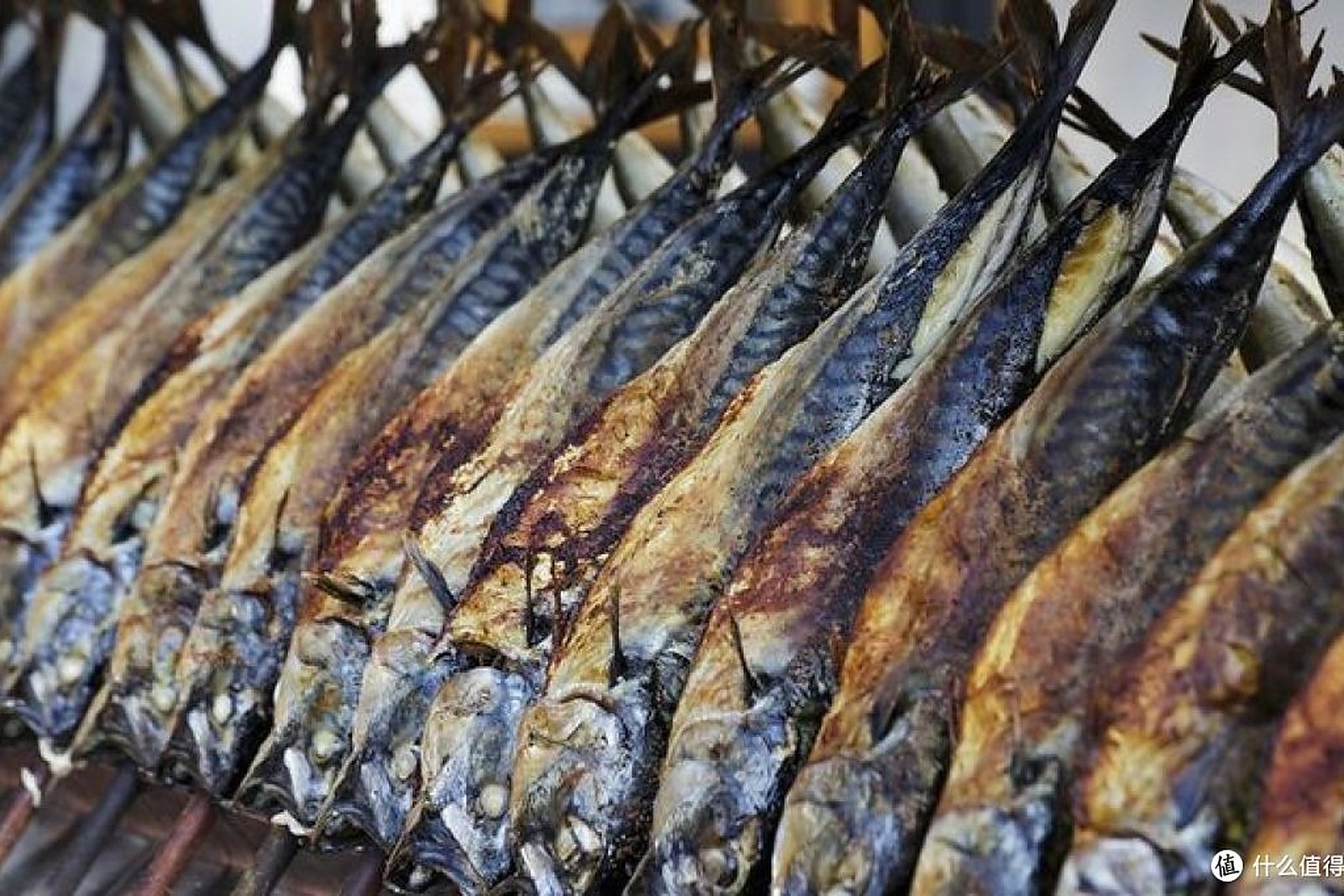
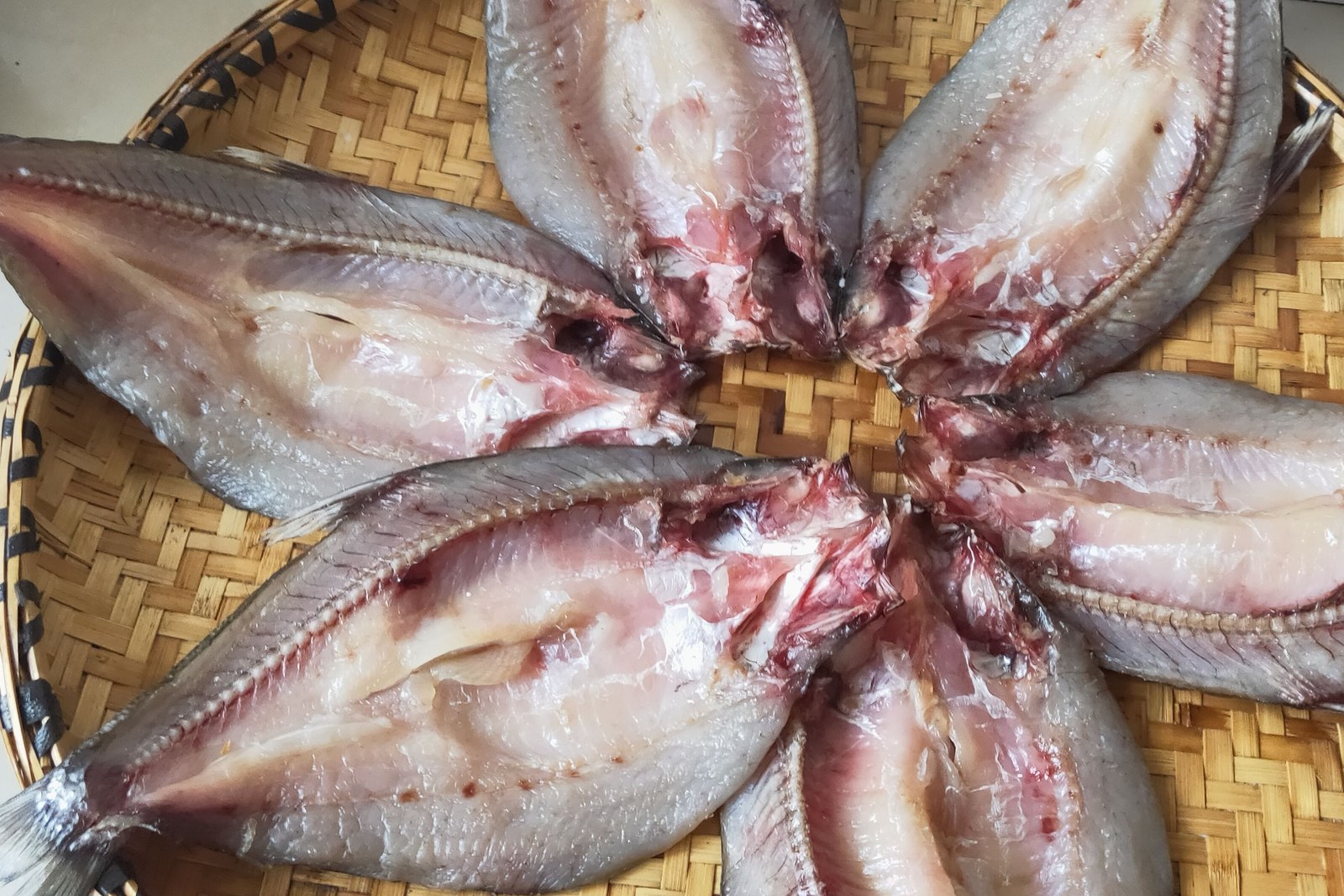
The making is simple and strict. Pike – the river’s long-jawed hunter – is split along the belly, kept whole, rubbed with coarse salt and left overnight, then hung bone-flat in the open shade where the wind can work. Ten days to a fortnight of freeze-drying does the rest: the flesh firms to wood-grain, the oils mellow, and the fish keeps without a refrigerator until the river opens in spring. The best racks hang north-facing, out of the sun, in the wind that comes down from the mountains without stopping.
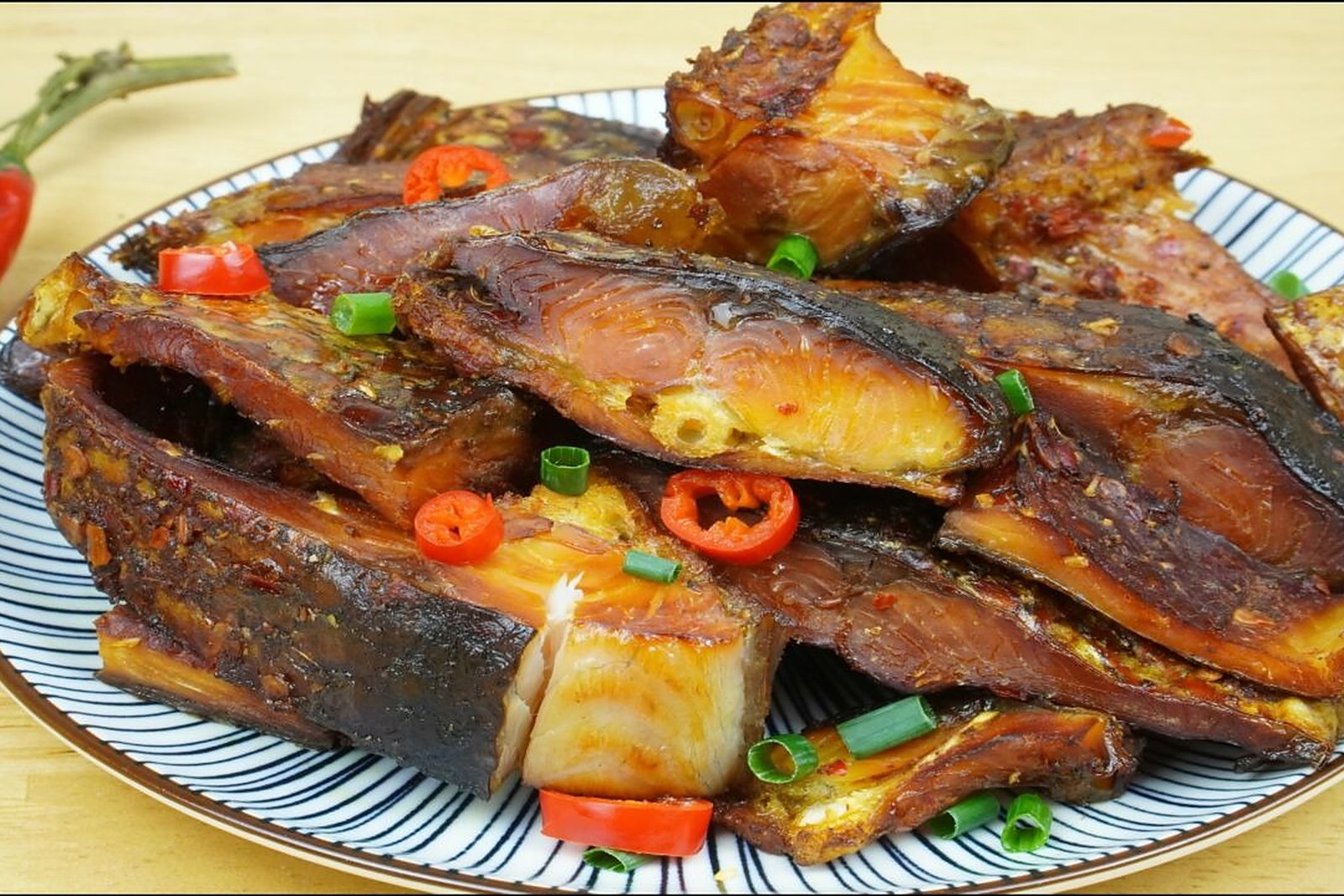
Eating it is a study in restraint. The classic service slices the fish across the grain into pale strips, dusts nothing, adds nothing – just the fish, its salt and its wind, with strong brick tea alongside. The texture runs chewy to crisp at the edges, the flavor deepens the longer you chew, and a plate of it disappears at speed with drinks and talk. Fried up with dried chili and scallion, it turns into a different dish entirely – the old larder fish promoted to the supper table.
Buy it like a local. Market vendors sell by the fish or by the strip, and the honest article smells clean and sweet, not brine-sharp; the flesh should be amber-gold, dense, and flake in long fibers when pulled. Whole fish from the winter racks keep for months in paper; strips from the stall keep a week and vanish in two days. Names matter here – the deep-winter catch from the ice fishery is the premium article, and vendors will say so honestly.
Beyond the pike, the same 北屯市 Běitún Shì Beitun City holds other flavors: 额河鱼宴 É Hé Yúyàn the Irtysh fish feast for the fresh catch at the table, 驼奶 Tuónǎi camel milk from the herds, 胡尔达克 Hú’ěrdákè the meat-and-dough skillet of the grasslands, and 沙棘汁 Shājí Zhī sea-buckthorn juice for the sour-gold counterpoint – four more doors into the same 北屯市 Běitún Shì Beitun City. With the pike settled, our Beitun travel map fills the day.
The tradition deserves its due. Drying fish in wind and frost is older than the farms and older than the town – the river’s people did it before maps drew them – and Beitun’s winter racks are the same craft on apartment balconies, unchanged except in scale. Taste it once in January, torn by hand with tea, and the logic explains itself: this is preservation as flavor, not compromise.
Practicalities first. Market stalls carry the racks from late autumn through winter; strips run pocket-money cheap and whole fish by weight. Travelers fly home with vacuum-packed slabs – they travel well – and the fried version appears on feast-house menus when the racks come down.
Words and Names
What the Locals Know
flowcloud would say air-dried pike is the Altai winter put in the larder: wind for a stove, frost for a cellar, and a fish that keeps its river sweetness all the way to spring – frontier patience you can chew. All checked November 2026.
Where to find it: Winter market stalls in 北屯市 Běitún Shì Beitun City hang the amber racks from late autumn; buy amber-gold strips, tear them by hand with brick tea, and pack the vacuum slabs for the road. All checked November 2026.