
Embassy District Cuisine: The Five-Cuisine Street of Chaoyang District, Beijing
使馆云集五味街,一杯红酒过山海。Shǐguǎn yúnjí wǔwèi jiē, yī bēi hóngjiǔ guò shānhǎi – Embassies gather, a street of five flavours; one glass of red wine crosses mountains and seas.
使馆区异国料理 Shǐguǎn Qū yìguó liàolǐ Embassy District foreign cuisine is the side of Beijing that doesn’t taste Chinese, and its address is diplomatic: the 使馆区 Shǐguǎn Qū embassy district, the second and larger diplomatic belt strung along 三里屯 Sānlǐtún Sanlitun and 亮马桥 Liàngmǎqiáo Liangmaqiao in 朝阳区 Cháoyáng Qū Chaoyang District, where decades of accredited expatriates, aid workers and traders built a steady, paying demand for the food of home and dragged a whole restaurant economy up around the compound gates. The spread is the honest headline – this is not a Chinatown of one cuisine but a 五味 wǔwèi five-flavour street where a single block can cross 日本 Rìběn Japanese, 土耳其 Tū’ěrqí Turkish, 墨西哥 Mòxīgē Mexican and 印度 Yìndù Indian within a hundred metres, because the embassy crowd was never one country but a conference of them, and each mission’s staff seeded a kitchen for its own. The craft most visitors under-rate is simply survival: an 异国料理 yìguó liàolǐ foreign kitchen in Beijing has to source 孜然 zīrán cumin, 芫荽 yánsuī cilantro, 奶酪 nǎilào cheese and 番茄 fānqié tomato against a local market built for 酱油 jiàngyóu soy and 大葱 dàcōng scallion, and the houses that last are the ones that learned to import or grow their own rather than swap in a Chinese substitute that betrays the dish. The 使馆区 Shǐguǎn Qū is, in effect, a long-running taste test run by people who could fly home – a brutal jury, and the reason the belt’s 咖喱 gālí curry and 烤肉串 kǎoròuchuàn kebab are better than their tourist-district cousins.
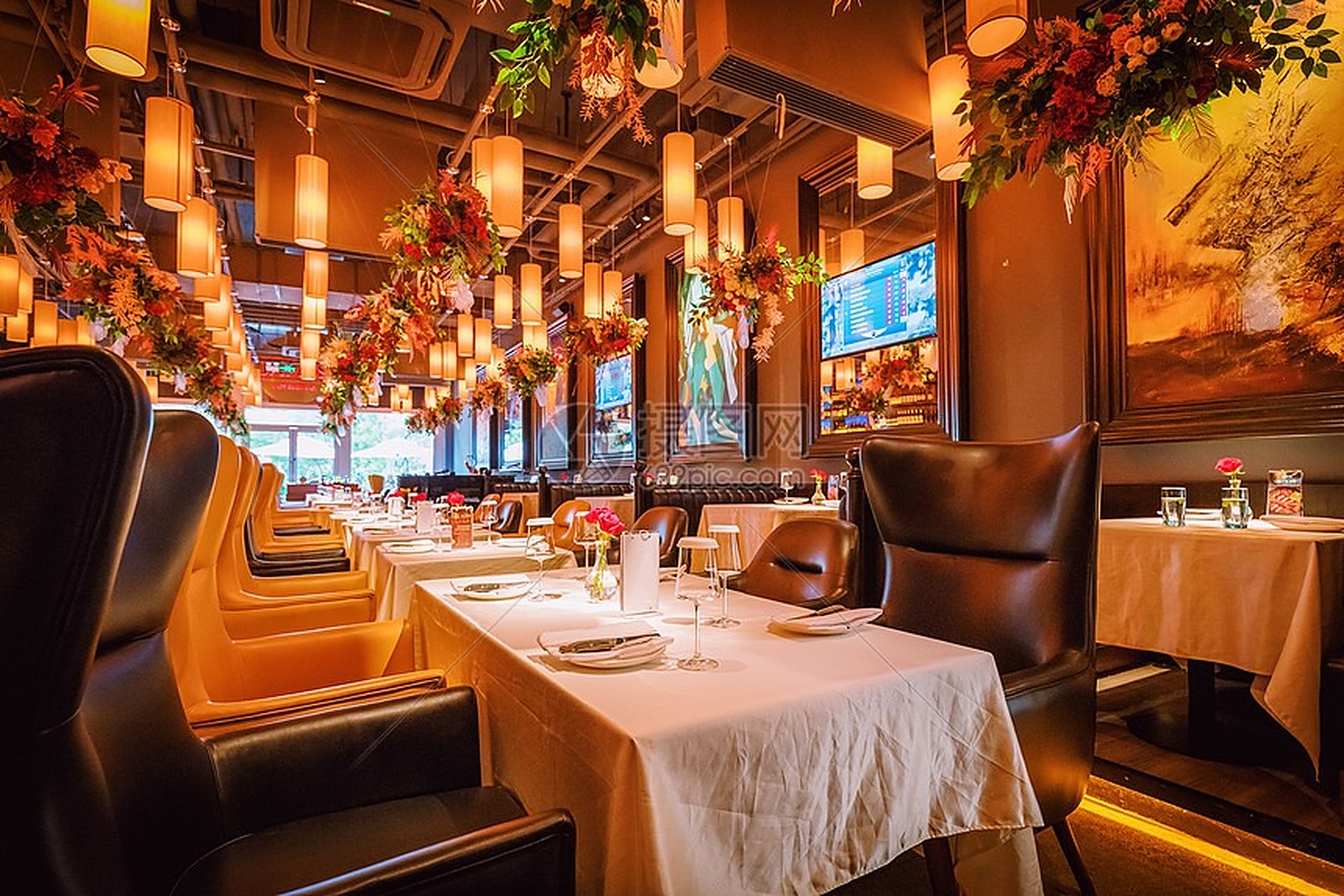
The eating is a passport per block, and the four anchor cuisines each carry their own ritual. The 日本 Rìběn Japanese line shows up as 居酒屋 jūjiǔwū izakaya – low tables, 清酒 qīngjiǔ sake, 烤串 kǎochuàn skewers, 毛豆 máodòu edamame and 刺身 cìshēn sashimi – a drinking food more than a dinner, built for the long posted-night out. The 土耳其 Tū’ěrqí Turkish counter answers with 烤肉串 kǎoròuchuàn kebab – 羊肉 yángròu lamb pressed onto the 铁签 tiěqiān iron skewer, charred over 炭 tàn coals, folded into 面饼 miànbǐng flatbread with 酸奶 suānnǎi yoghurt and 辣椒 làjiāo chili – the belt’s cheapest honest protein, and the late-night staple. The 墨西哥 Mòxīgē Mexican kitchen brings 塔可 tǎkě taco, 玉米饼 yùmǐbǐng tortilla, 牛油果 niúyóuguǒ avocado and 辣酱 làjiàng salsa, a bright, handheld contrast to the heavy 烤肉 kǎoròu grills either side. And the 印度 Yìndù Indian house, the belt’s longest resident, lays down 咖喱 gālí curry – 鸡咖喱 jī gālí chicken, 豆咖喱 dòu gālí dal, 烤饼 kǎobǐng naan from the 泥炉 nílú tandoor – spiced with 姜黄 jiānghuáng turmeric and 丁香 dīngxiāng clove, the dish that taught 朝阳区 Cháoyáng Qū Chaoyang District to eat with 米饭 mǐfàn rice and 饼 bǐng bread instead of 筷子 kuàizi chopsticks; the honest order is a 拼盘 pīnpán thali that lets the table cross the menu in one round.
The honest grade is geography plus decades. In 朝阳区 Cháoyáng Qū Chaoyang District the 异国料理 yìguó liàolǐ clusters in two bands: the 三里屯 Sānlǐtún Sanlitun strip, where the 使馆区 Shǐguǎn Qū rubs against the bar street and the food tilts young and late, and the 亮马桥 Liàngmǎqiáo Liangmaqiao embassy core, where the restaurants sit quieter behind the compound walls and the 日本 Rìběn Japanese and 印度 Yìndù Indian kitchens read more family than party. The continuity is the point – these are not pop-ups riding a food fad but houses that have fed the same expat rotation for twenty years, and the 使馆区 Shǐguǎn Qū regular who left in 2005 and came back in 2025 can still find his 咖喱 gālí where he left it (worth confirming the details – which doors have held the cuisine and which have drifted toward a Chinese palette for the tourist trade). A per-person bill swings hard by cuisine and by the 红酒 hóngjiǔ red wine you order – the 土耳其 Tū’ěrqí kebab is a cheap eat, the 日本 Rìběn izakaya and the 墨西哥 Mòxīgē cocktail bar are not – so call it worth confirming the details rather than a number, and book the 亮马桥 Liàngmǎqiáo houses on a weekend because the diplomatic crowd fills them early and the walk-in waits at the 三里屯 Sānlǐtún end can run long.
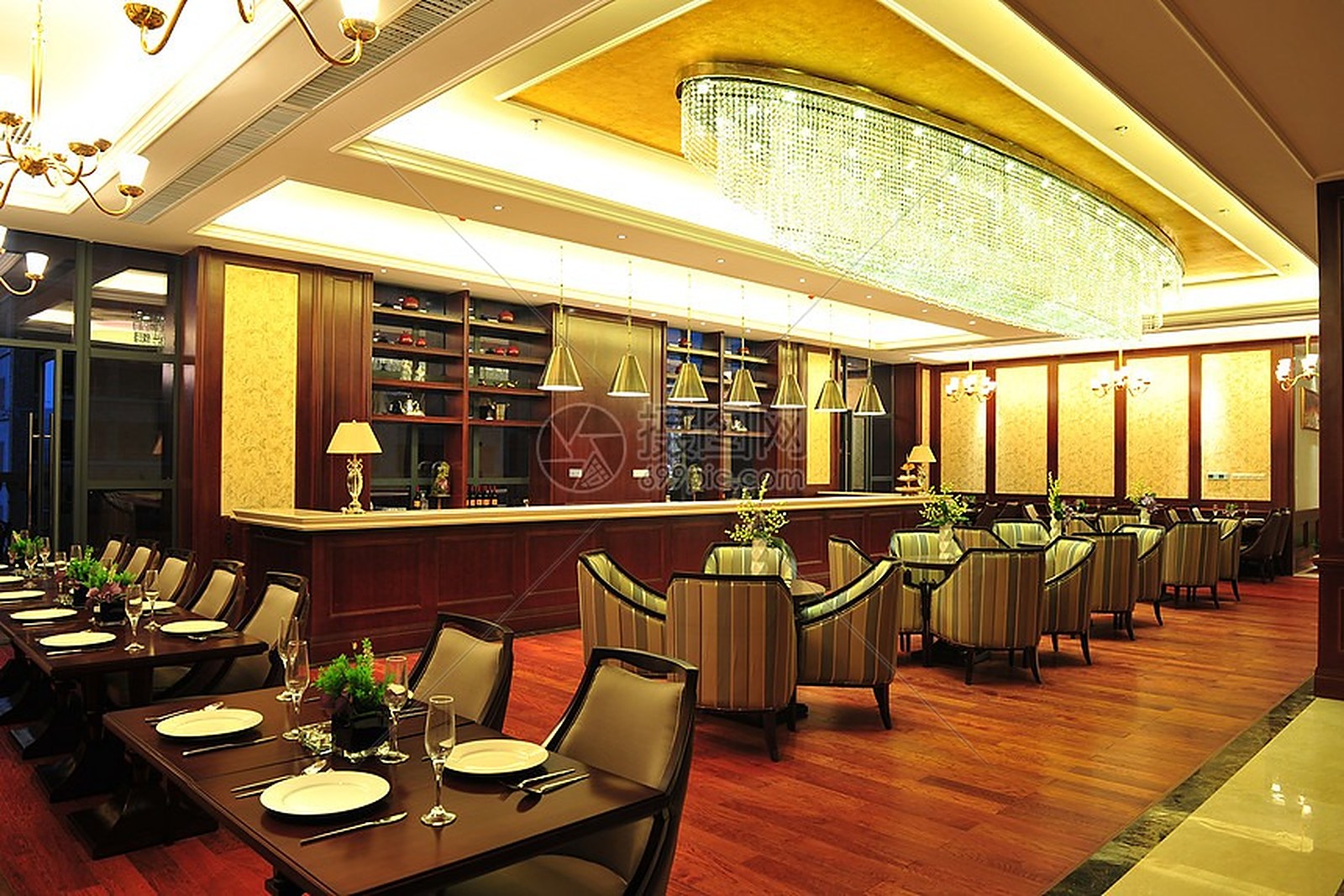
The wry truth is that 使馆区异国料理 Shǐguǎn Qū yìguó liàolǐ is over-rated as a tourist trophy and under-rated as a working pantry: visitors treat the 五味 wǔwèi street as a backdrop for a night out and remember the 红酒 hóngjiǔ, while locals – the posted families, the 使馆 shǐguǎn staff, the 朝阳区 Cháoyáng Qū Chaoyang District residents who grew up on it – treat it as the grocery of elsewhere, the place you go when the 酱油 jiàngyóu soy brain needs a 咖喱 gālí reset. The real divide is authentic-versus-adapted: a 印度 Yìndù kitchen that tones down the 辣椒 làjiāo for Beijing tongues has made a calculation, and a 日本 Rìběn izakaya that swaps 清酒 qīngjiǔ for 啤酒 píjiǔ beer has read its crowd – both are legitimate, but the 使馆区 Shǐguǎn Qū diner who wants home knows the difference and asks, worth confirming the details. Season barely matters; this is a year-round cuisine of the compound, hot 咖喱 gālí in winter, cold 塔可 tǎkě salsa in summer, the 使馆区 Shǐguǎn Qū never closing for the weather because the diplomats don’t.
The self-deprecating footnote: a food writer will mispronounce 居酒屋 jūjiǔwū to a 日本 Rìběn manager, explain the 孜然 zīrán trade route to a 土耳其 Tū’ěrqí grillman, order one of every 塔可 tǎkě “for the cross-cuisine study”, and then call the 咖喱 gālí “restrained in its turmeric” as if restraint were a spice – which is the honest grade: 使馆区异国料理 Shǐguǎn Qū yìguó liàolǐ is a five-cuisine street the writer will catalogue more than he chews, and the 使馆 shǐguǎn regular at the next 烤肉串 kǎoròuchuàn has eaten the belt’s history in a single night.
Words and Names
使馆区 Shǐguǎn Qū / embassy district · the diplomatic belt around Sanlitun and Liangmaqiao, seed of the foreign-food economy 异国料理 yìguó liàolǐ / foreign cuisine · the expat-driven spread of non-Chinese food across the belt 居酒屋 jūjiǔwū / izakaya · Japanese pub-style small plates, sake and skewers 烤肉串 kǎoròuchuàn / kebab · Turkish-style charcoal lamb on iron skewers in flatbread 塔可 tǎkě / taco · Mexican handheld of tortilla, avocado and salsa 咖喱 gālí / curry · Indian spiced stew, the belt’s longest-resident cuisine 三里屯 Sānlǐtún / Sanlitun · the young, late-night core of the embassy-food strip 朝阳区 Cháoyáng Qū / Chaoyang District · the Beijing diplomatic district holding the five-cuisine street
What the Locals Know
- The belt is two moods: 三里屯 Sānlǐtún Sanlitun tilts young and late against the bars, while 亮马桥 Liàngmǎqiáo Liangmaqiao sits quieter behind the compound walls – pick by the night you want (worth confirming the details).
- Survival is the craft: the 异国料理 yìguó liàolǐ houses that last import or grow their own 孜然 zīrán and 奶酪 nǎilào rather than swap in Chinese substitutes that betray the dish.
- Ask who tones down the heat: a 印度 Yìndù curry eased for Beijing tongues is a calculation, not a betrayal – but the 使馆区 Shǐguǎn Qū regular who wants home will always ask first.
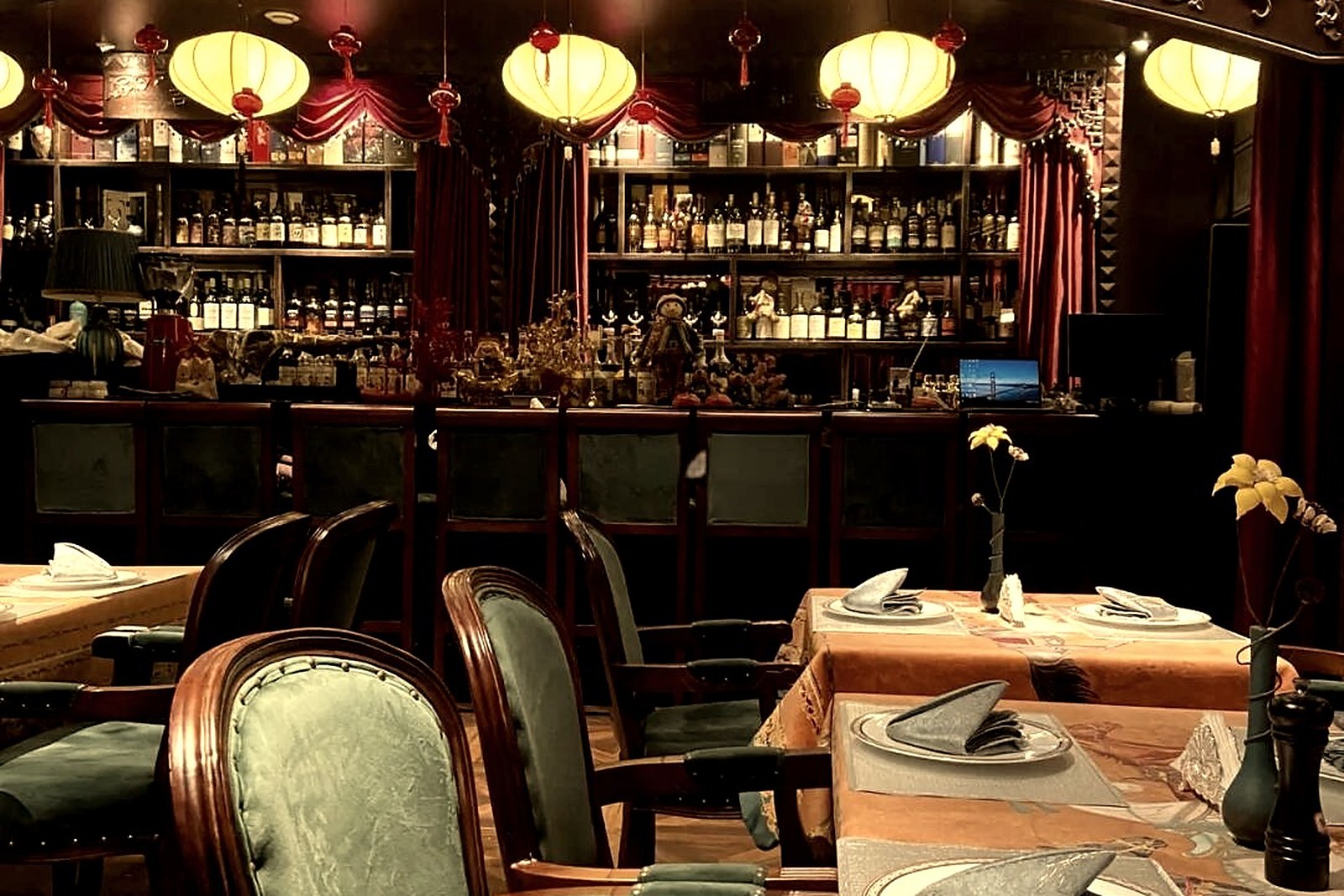
flowcloud would say that the 使馆区异国料理 Shǐguǎn Qū yìguó liàolǐ is the five-cuisine street of Chaoyang District, Beijing – a 使馆区 Shǐguǎn Qū belt where 三里屯 Sānlǐtún meets 亮马桥 Liàngmǎqiáo and one block crosses 居酒屋 jūjiǔwū izakaya, 烤肉串 kǎoròuchuàn kebab, 塔可 tǎkě taco and 咖喱 gālí curry, fed by decades of expat demand – and that the honest move is to walk the 五味 wǔwèi street by cuisine, trust the posted families’ tables, and verify which kitchens still cook for home, because the embassy crowd is the jury and the belt is the verdict. All checked October 2026.
Where to find it: Chaoyang District Cháoyáng Qū – the 使馆区 Shǐguǎn Qū embassy belt along 三里屯 Sānlǐtún Sanlitun and 亮马桥 Liàngmǎqiáo Liangmaqiao, where 日本 Rìběn izakaya, 土耳其 Tū’ěrqí kebab, 墨西哥 Mòxīgē taco and 印度 Yìndù curry share one 五味 wǔwèi street (worth confirming the details – which houses still cook for the compound rather than the tourist trade); a per-person bill swings by cuisine and the 红酒 hóngjiǔ you pour, so call it worth confirming the details rather than a number. Embassy District cuisine is the five-cuisine street of Chaoyang District, Beijing, passport before photo.