
Cold-Water Gold: The Full Fish Table of the Irtysh
一江冷水出嘉鱼,四季烟火话渔家 Yī jiāng lěngshuǐ chū jiāyú, sìjì yānhuǒ huà yújiā – A river of cold water raises fine fish; four seasons of hearth-smoke tell the fishing families’ tale
正文:额河鱼宴 É Hé Yúyàn the Irtysh fish feast is what Beitun does with the coldest, cleanest river in the region – a full table built around the river’s own catch, whole fish steamed, braised, roasted and souped until the variety itself makes the point. The Irtysh runs cold and fast from the Altai snows, and its fish grow slow and firm: the pike with its knife-edge jaws, the perch the locals call 五道黑 wǔdào hēi – five dark stripes – plus carp, tench and the silver forms that fill the market tanks. A feast house assembles them into a single sitting, and Beitun’s family tables treat it as the celebration meal of record.
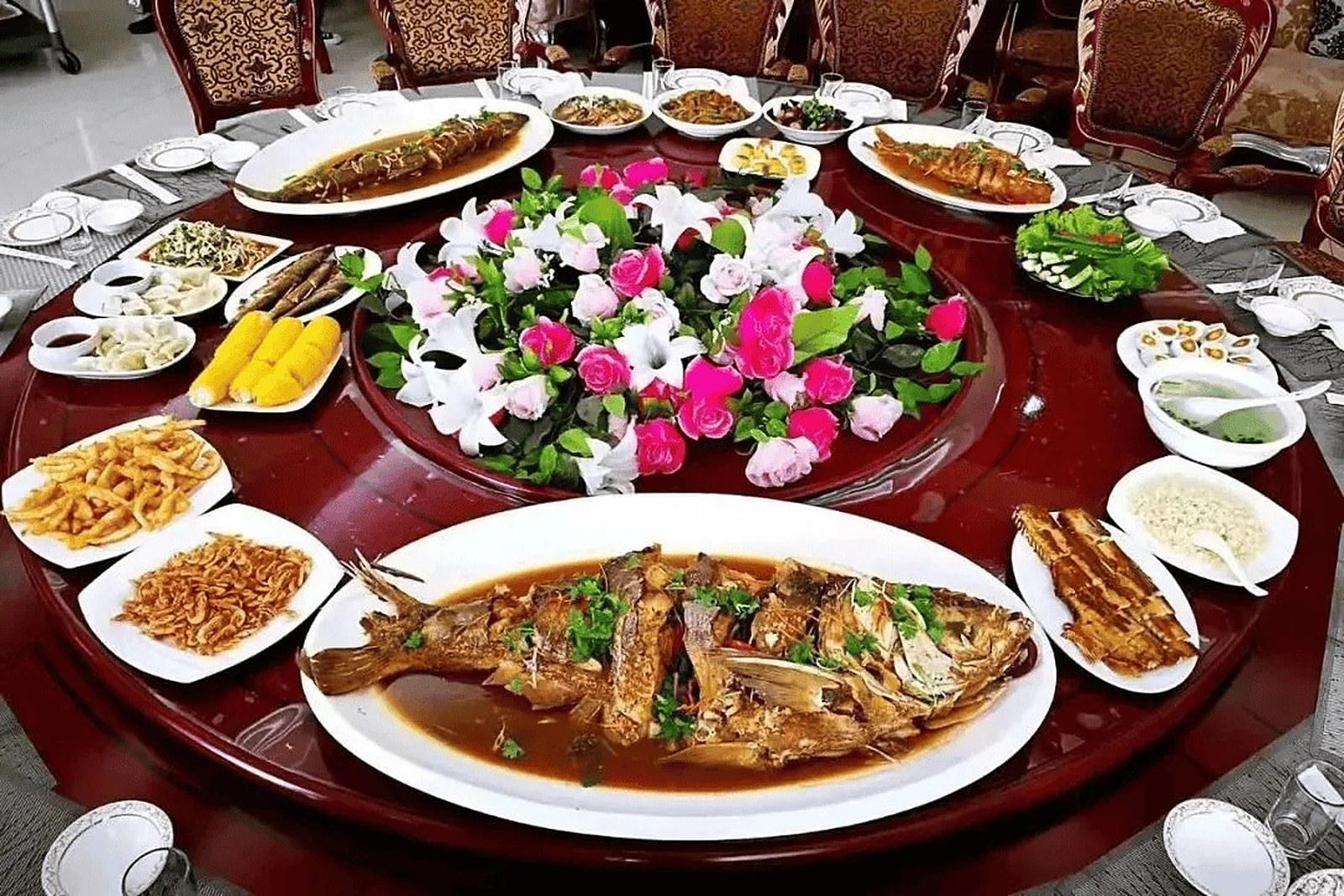
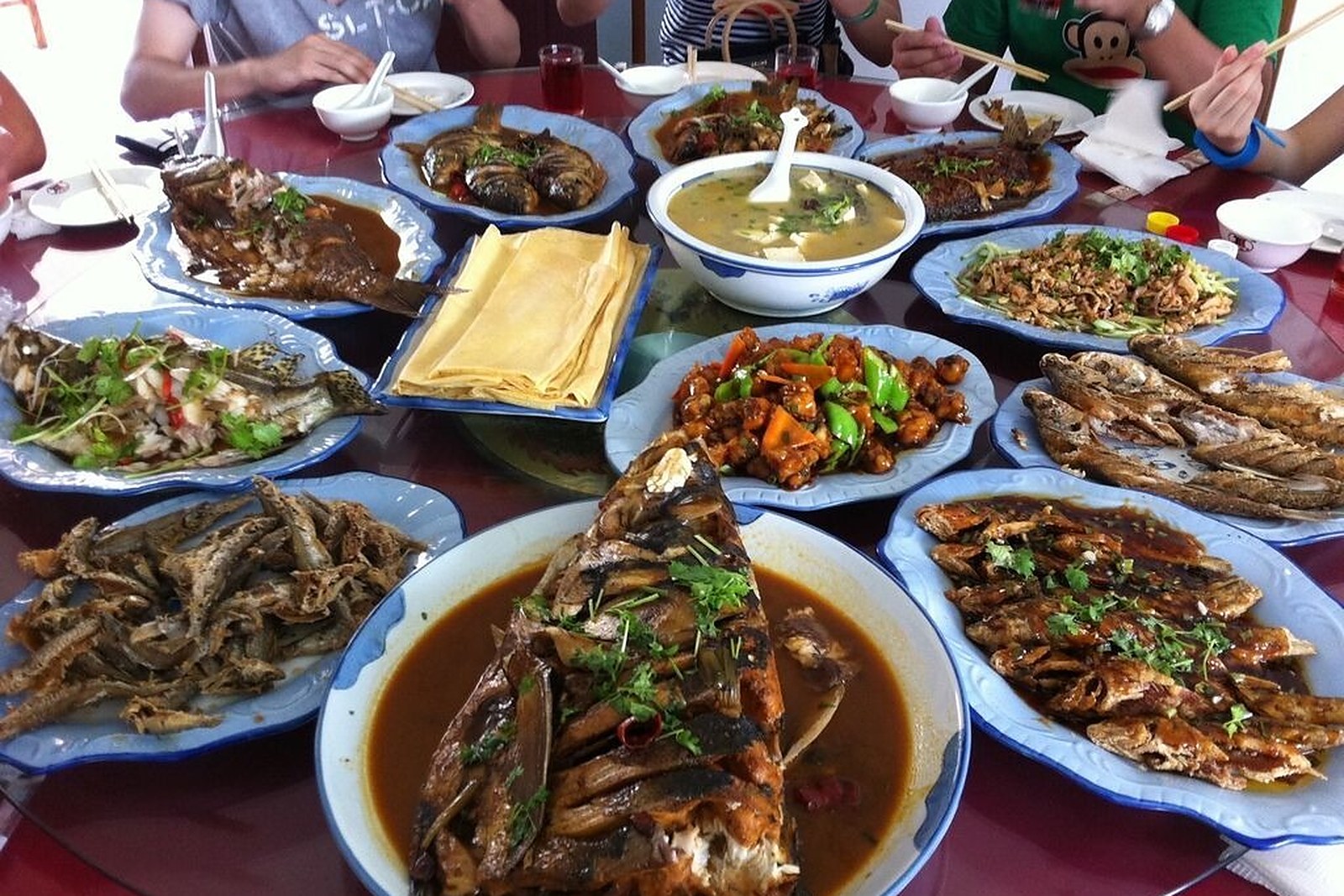
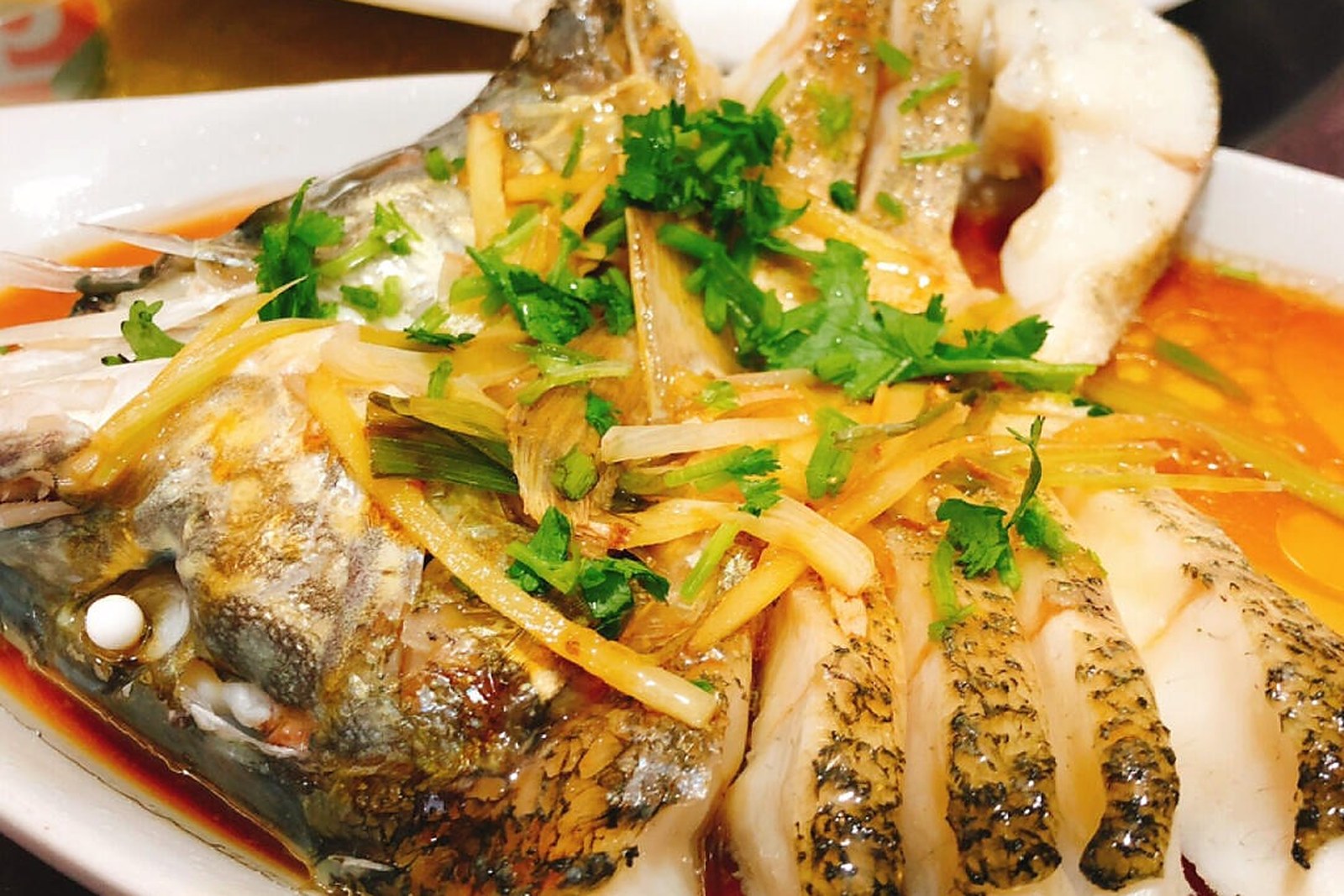
The roster is the pleasure. A proper feast runs four to six fish preparations in one go: the whole carp braised with scallion and soy until the sauce turns syrup-dark; pike made into balls and soup, its firm flesh taking ginger like a promise; five-striped perch fried crisp and splashed with vinegar; and the brothy showpiece, a milk-white fish head soup simmered until the ladle stands in it. Sides stay riverine – corn cakes steamed on the pot’s rim, wild greens picked from the banks, and the flat bread that wipes every plate.
Ordering has its protocol. The tank by the door is the menu – point, weigh, negotiate – and the feast houses along the river road will steam, braise or roast to the fish’s character rather than the caller’s whim. Locals judge a house by the soup: if the fish-head broth comes out white and sweet with nothing added but ginger and time, the kitchen is serious; if it tastes of the powder packet, move along to the next tank.
The feast also carries the season. Spring runs the river’s opening weeks, when the first catch comes down with the thaw and prices spike for a fortnight; summer moves tables outdoors to the river-bank grills; autumn is the heavy season, fish fattening for winter, and the houses run at full tilt; and winter freezes the catch into the famous ice-fish blocks hauled to market on sleds. Eat the feast once in each season and you have read the river’s whole diary.
Beyond the feast itself, the same 北屯市 Běitún Shì Beitun City holds other flavors: 风干狗鱼 Fēnggān Gǒuyú air-dried pike for the winter larder, 驼奶 Tuónǎi camel milk from the desert-edge herds, 胡尔达克 Hú’ěrdákè the Kazakh meat-and-dough skillet, and 沙棘汁 Shājí Zhī sea-buckthorn juice for the table’s sour gold – four more doors into the same 北屯市 Běitún Shì Beitun City. With the feast settled, our Beitun travel map fills the day.
The tradition deserves its due. The fishing families of the lower Irtysh kept river cookery alive through every change of farm and ferry, and the feast houses of Beitun borrow from them with credit: the whole-fish faith, the nothing-wasted broth, the belief that cold water is its own seasoning. Eating it in a heated hall in January with frost on the windows is as good as river dining gets anywhere north.
Practicalities first. Feast houses cluster along the river-road quarter and around the market’s fish tanks; a full table for four runs from modest to celebration money depending on the fish, and the big houses take bookings on weekends. Order one steamed, one braised and one soup at minimum, let the tank decide the rest, and bring people – the feast is a committee sport.
Words and Names
What the Locals Know
flowcloud would say the Irtysh fish feast is cold water translated into dinner: firm fish from snow-fed current, a table that runs steamed to roasted to souped, and the quiet pride of a town that eats its own river – a feast that tastes like geography. All checked November 2026.
Where to find it: The feast houses line the river-road quarter of 北屯市 Běitún Shì Beitun City with live tanks by the door; order a whole steamed carp, a braised pike and the fish-head soup, and let the tank settle the rest. All checked November 2026.