
Yǐn yán: Guǐ chéng chāo shǒu, yī wǎn yóu xiāng; bǐ qí guǐ, wèi gèng zhǎng. — Ghost City wontons, one bowl of fragrant broth; compared to its ghosts, the flavour lasts longer.
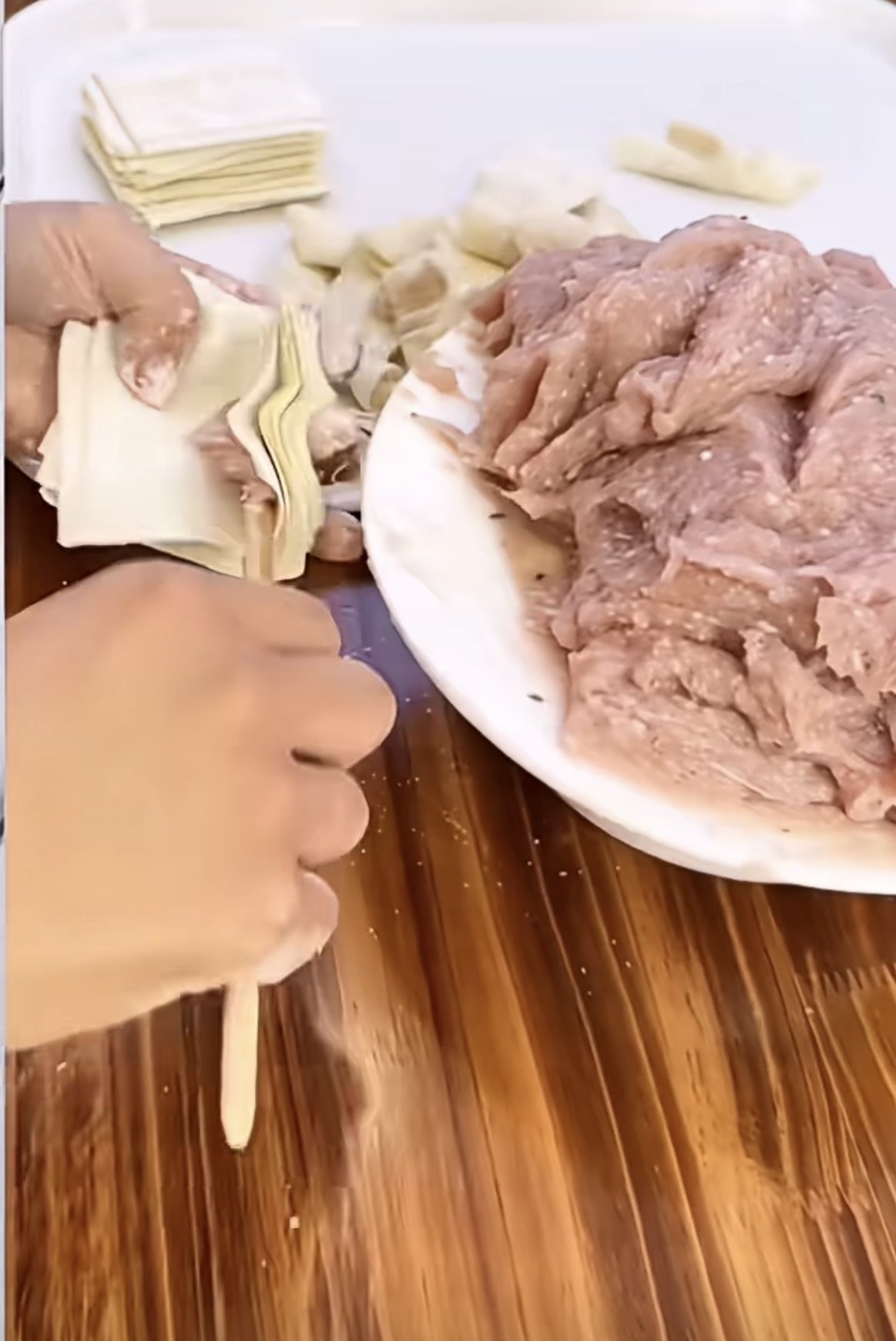
Ghost City wontons (鬼城抄手, Guǐchéng Chāoshǒu) are the hill’s namesake bowl: thin-skinned pork wontons in a clear, pepper-finished broth, sold in Ming Mountain town’s restaurant rows and named, with the county’s usual commercial instinct, after the attraction that fills the town. The dish itself is simple and the execution is the whole argument — the skin must be thin enough to read the filling through, the pork loose and seasoned with white pepper, and the broth clear rather than creamy.
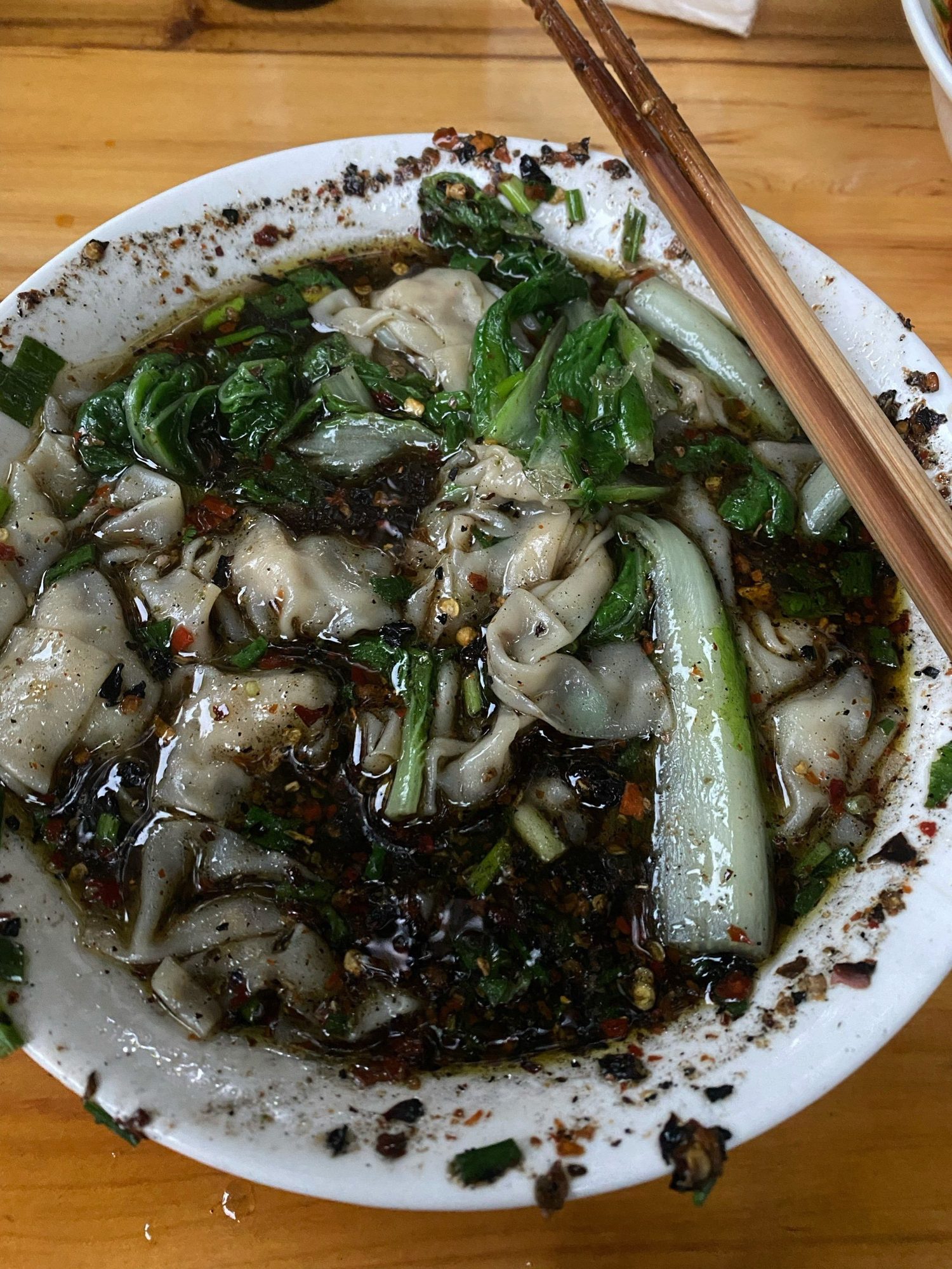
The town’s wonton shops divide into the tourist row and the back streets, and the back streets win on both price and bowl. Locals eat them as a morning trade or a late-afternoon one, never at the coach hours. The correct order is one bowl, one order of the county’s spicy chicken to share, and a table away from the road.
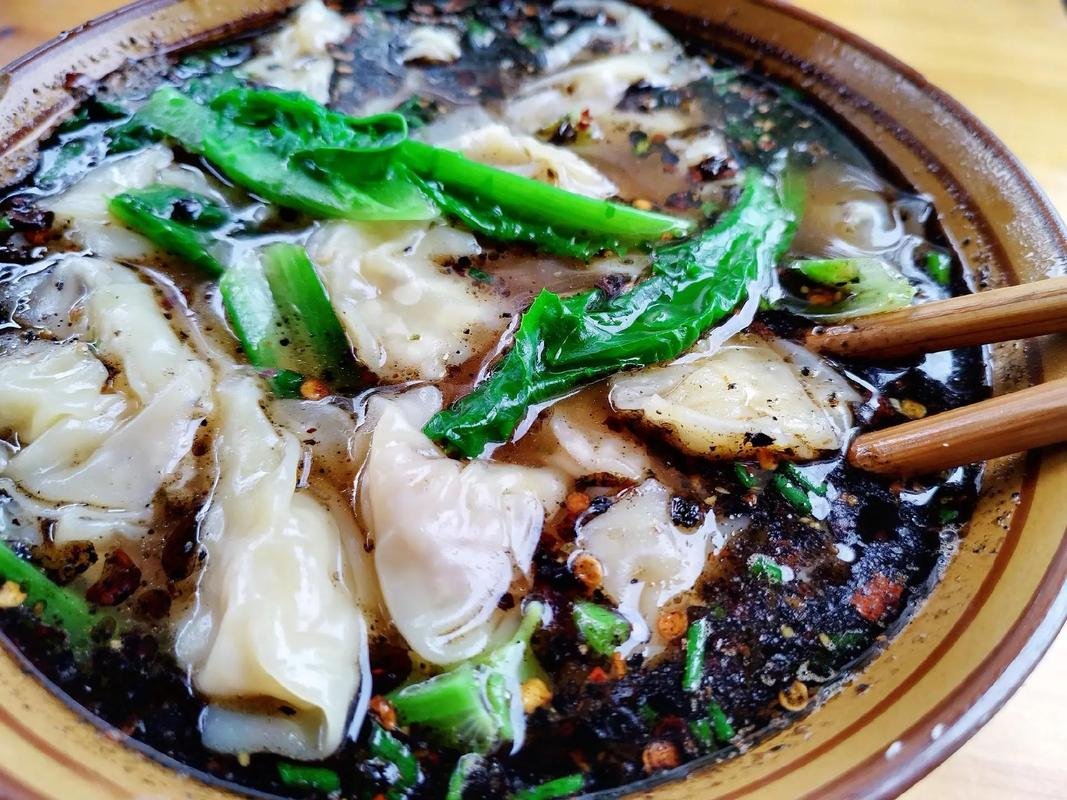
flowcloud would say that the county named a bowl after its ghosts because the ghosts needed the publicity — and the bowl deserves it.
Where to find it: the wonton shops of Ming Mountain town — the restaurant rows by the hill, where the back streets beat the tourist row on price and bowl. All checked October 2026.
Words and Names
抄手 chāoshǒu — wontons, the Sichuan-region name for the folded dumpling in soup · 清汤 qīngtāng — clear broth · 白胡椒粉 báihújiāo fěn — white pepper, the bowl’s finishing spice · 鬼城 Guǐchéng — the Ghost City, the hill the bowl borrows its name from