
Yǐn yán: Cháng jiāng yī guō, jiāng xiān yī wǎn; míng shān duī xià, yú xiāng shí lǐ. — One pot of the Yangtze, one bowl of river freshness; beneath the Ming Mountain pile, fish fragrance for ten li.
The Yangtze fish pot (长江江鲜鱼锅) is the county’s river dish: fresh-caught fish from the Yangtze’s Fengdu reach, cut into sections and stewed in a pot built for the table — a broth of preserved vegetable and chilli, or the plainer clear soup that lets the fish argue for itself. The county’s position on the river made fish its oldest trade food, and the pot is the domestic form of what the fish houses along the bank sell by the weight.
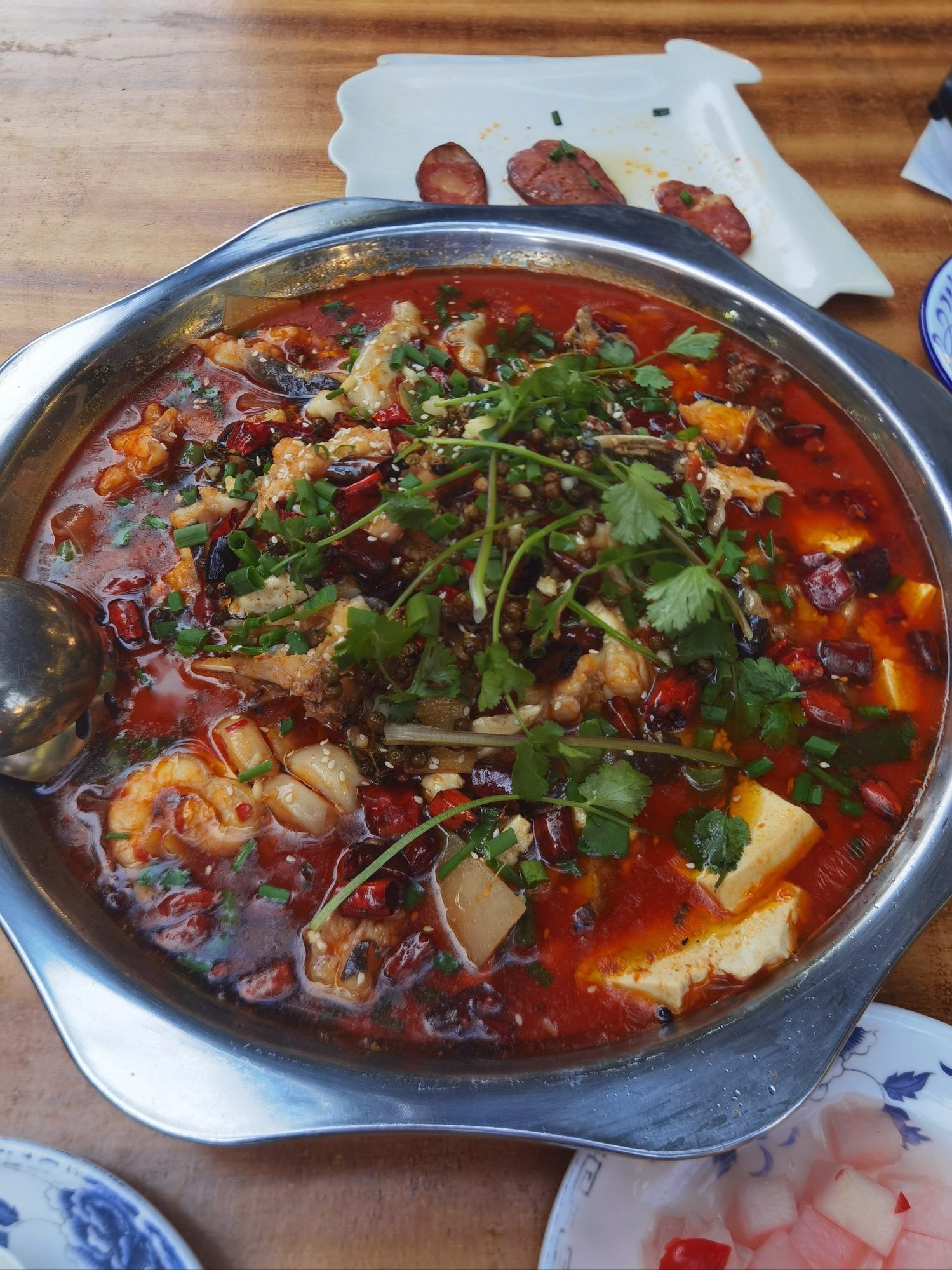
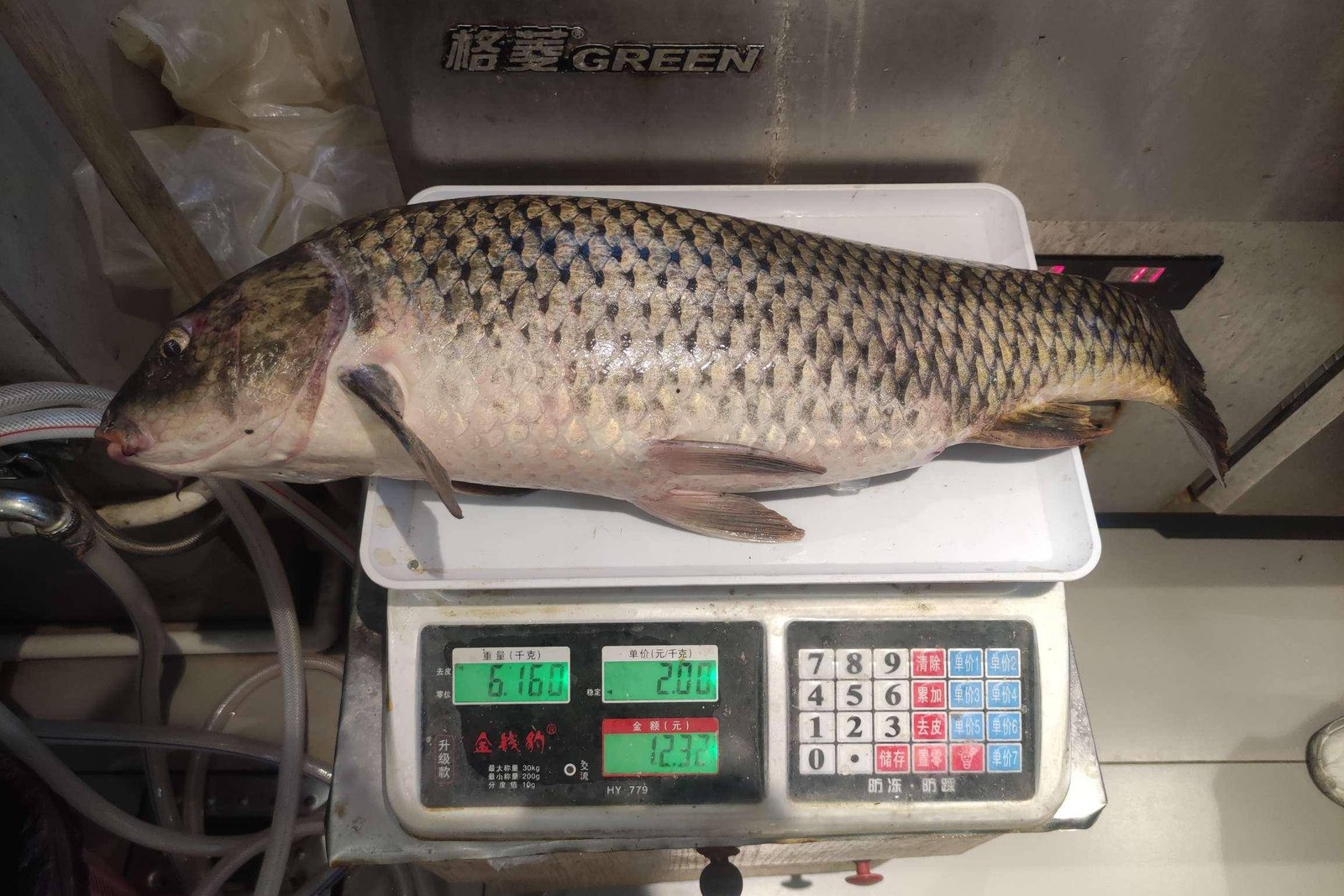
Fish pots are a lunch trade along the riverfront, priced by the weight of the live fish chosen from the tank; the hill-town restaurants quote per-person set menus (roughly 55–80 yuan a head at the old-town places below the Ghost City). The clear-pot fish soup is the connoisseur’s order; the pickled-chilli pot is the crowd’s.
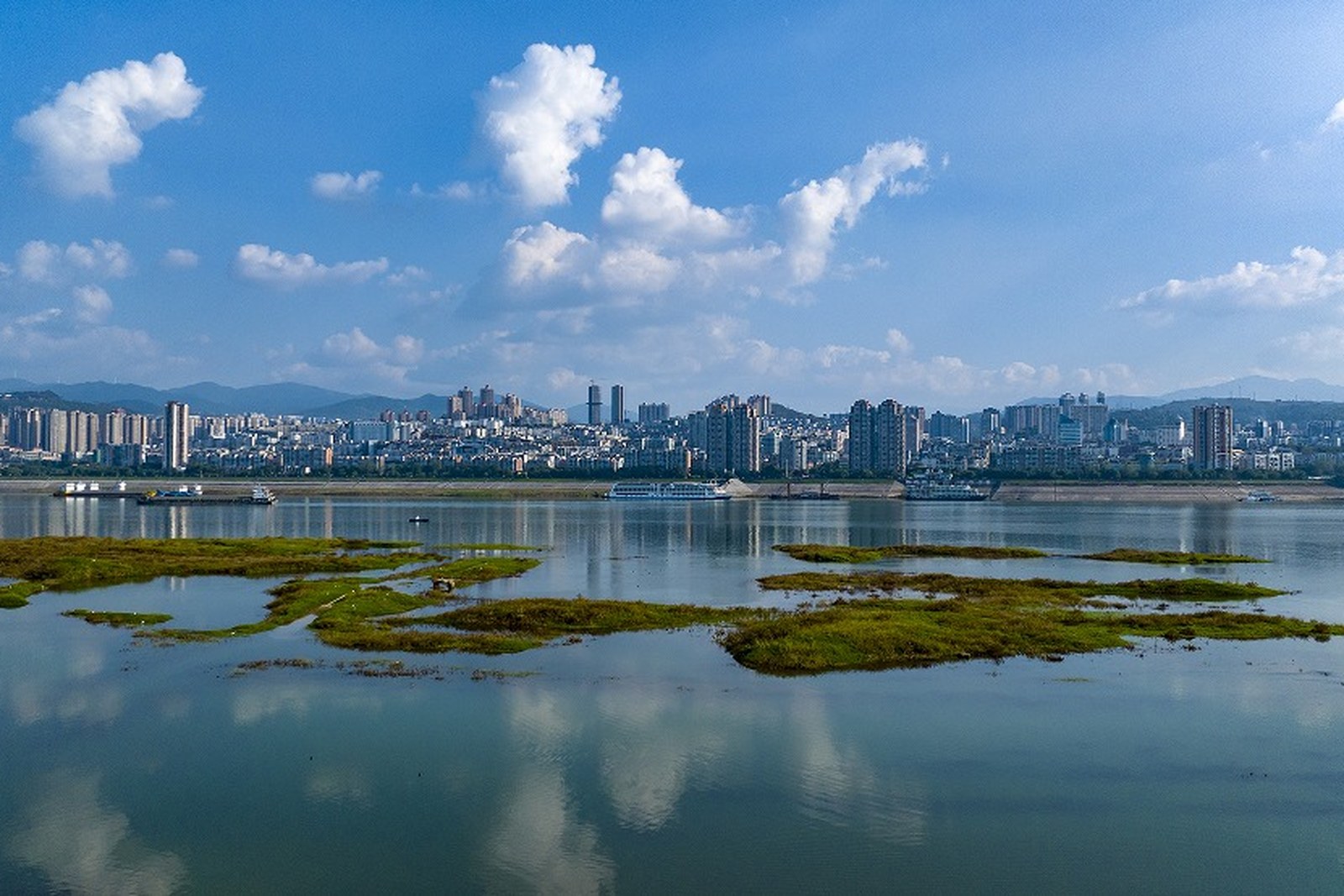
flowcloud would say that the river runs past the county’s two hills and ends up in its pot — and that the Ghost City, for once, is the second-most famous thing on the menu.
Where to find it: the riverfront fish houses along the bank, and the old-town restaurants below the Ghost City quoting per-person set menus. All checked October 2026.
Words and Names
江鲜 jiāngxiān — river-fresh fish · 鱼锅 yúguō — fish pot · 泡椒 pàojiāo — pickled chilli, the broth’s common register · 长江 Chángjiāng — the Yangtze