
奉节脐橙 (Fèngjié Qíchéng) — Fengjie’s flagship orange, a late-ripening, seedless fruit whose winter harvest has become the county’s green backbone.
Ask any Chongqing traveller what Fengjie grows and the answer is one word: oranges. The county is one of China’s great navel-orange producing regions, a geographic-indication crop whose name is protected to mean fruit from these slopes specifically. The orchards terrace the hillsides above the Yangtze and its feeder rivers, stepping down the valley walls in neat bands of green that turn golden through the cold months. What the trees prefer is a climate almost too good to be true — no typhoons, no frost to damage the fruit, and a long, sunny growing season moderated by the river below. The result is an orange that is large, mostly seedless, and easy to peel, with flesh so fine and juicy that locals describe it as “melting and free of pith.”
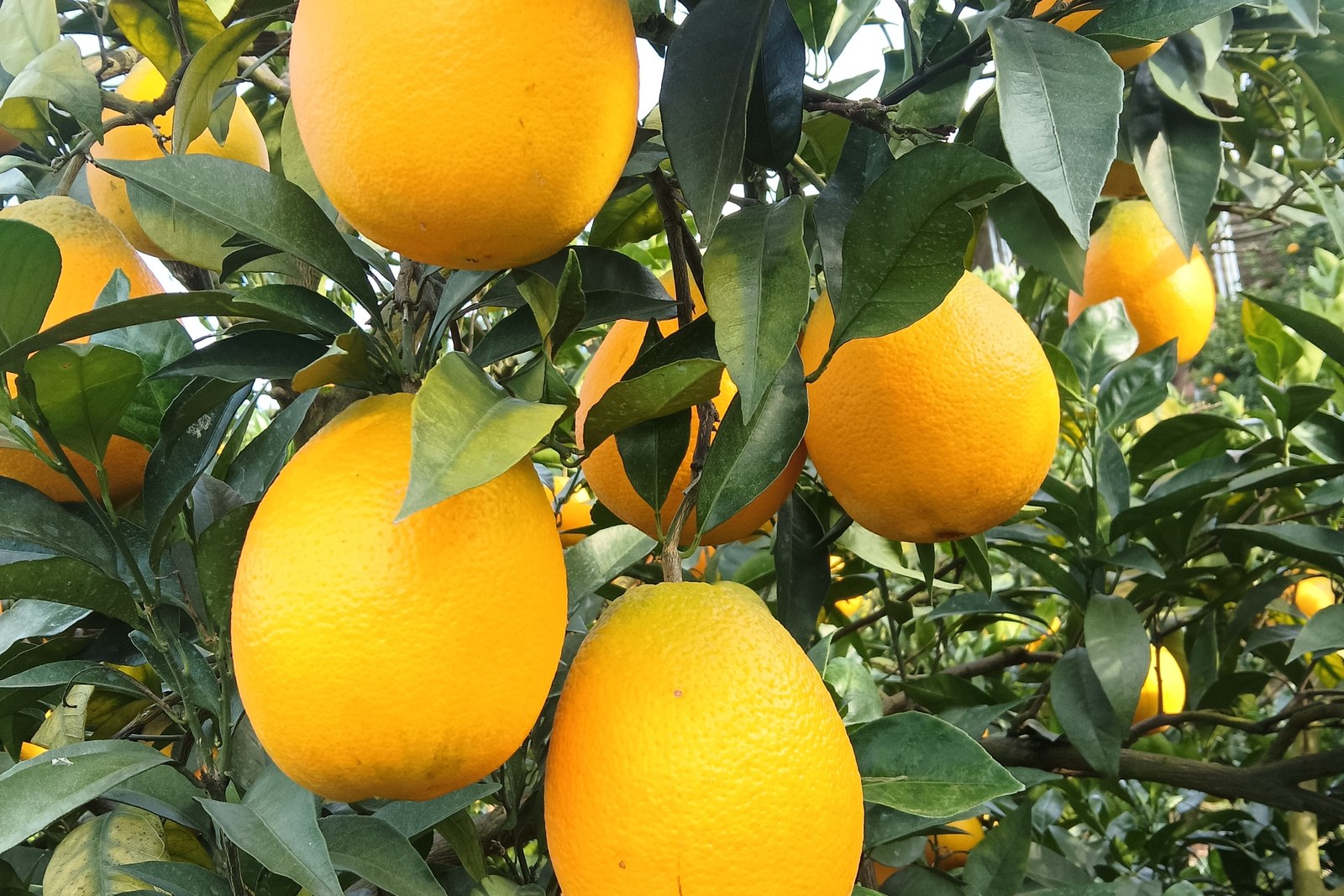
The flavour is the part that earns the reputation. At full ripeness the balance tips firmly toward sweet, with just enough clean tartness to keep it from cloying, and the segments pull apart in tender, nearly fibre-free bites. Fengjie’s signature trick is timing: the county grows early, mid, and late varieties, and the late-ripening fruit is left hanging on the branch deep into winter — even into spring, when you can find blossoms and ripe oranges on the same tree, a local sight called “flowers and fruit sharing the branch.” That long hang develops sugar and lets the fruit be picked fresh across many months rather than all at once.
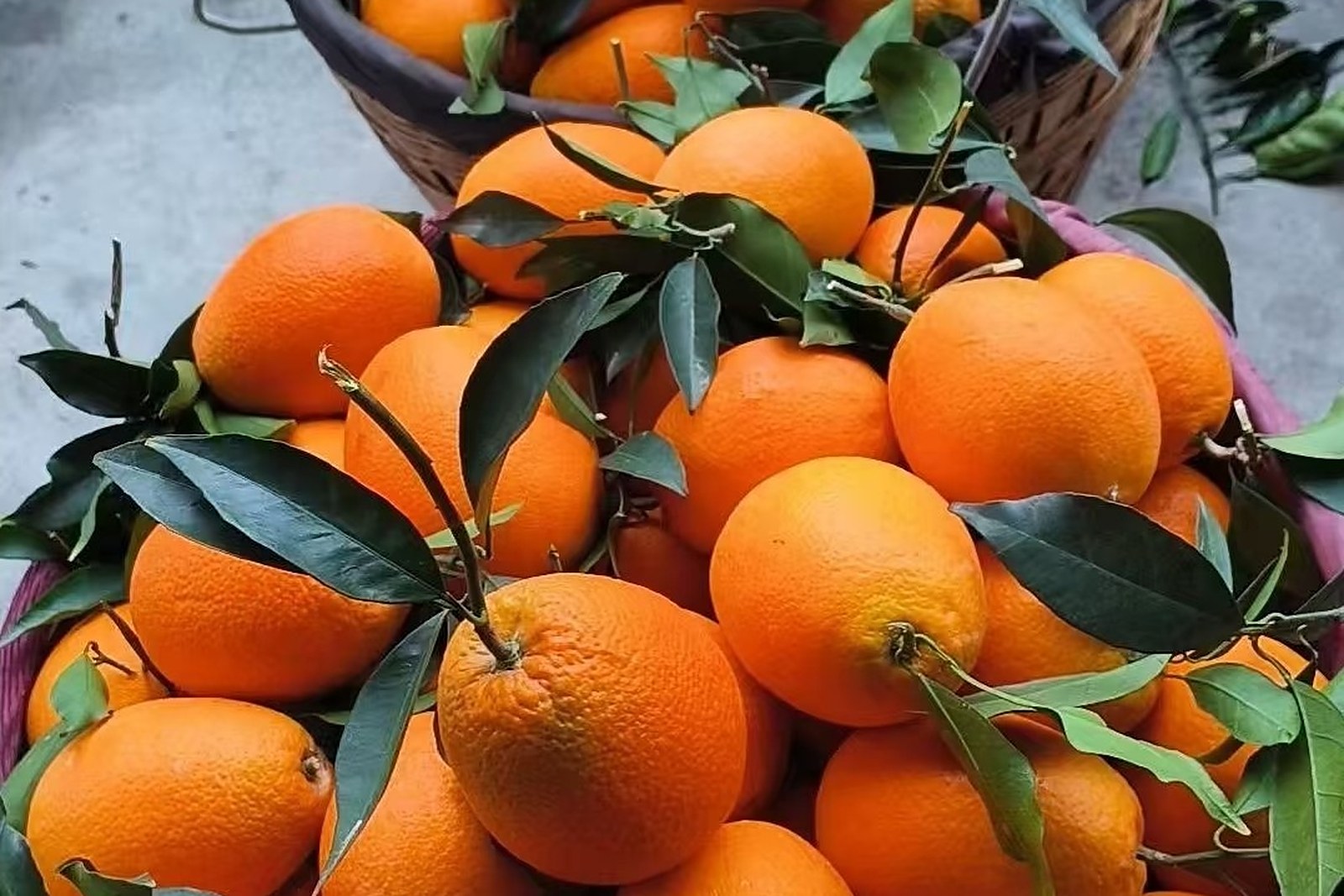
The history here is old. Citrus has been cultivated in what is now Fengjie since the Han dynasty, and the Tang poet Du Fu, living in the old Kuizhou prefecture, wrote of the ripening groves that the fruit “grew to the size of three-inch gold.” Modern Fengjie has turned that inheritance into an economy: tens of thousands of mu of orchards, harvests counted in hundreds of thousands of tonnes, and a brand value that ranks among the highest of any Chinese fruit. Roadside stalls and the markets in the county seat sell them by the net or crate, and a crate of late-season oranges makes a practical gift to carry home by car.
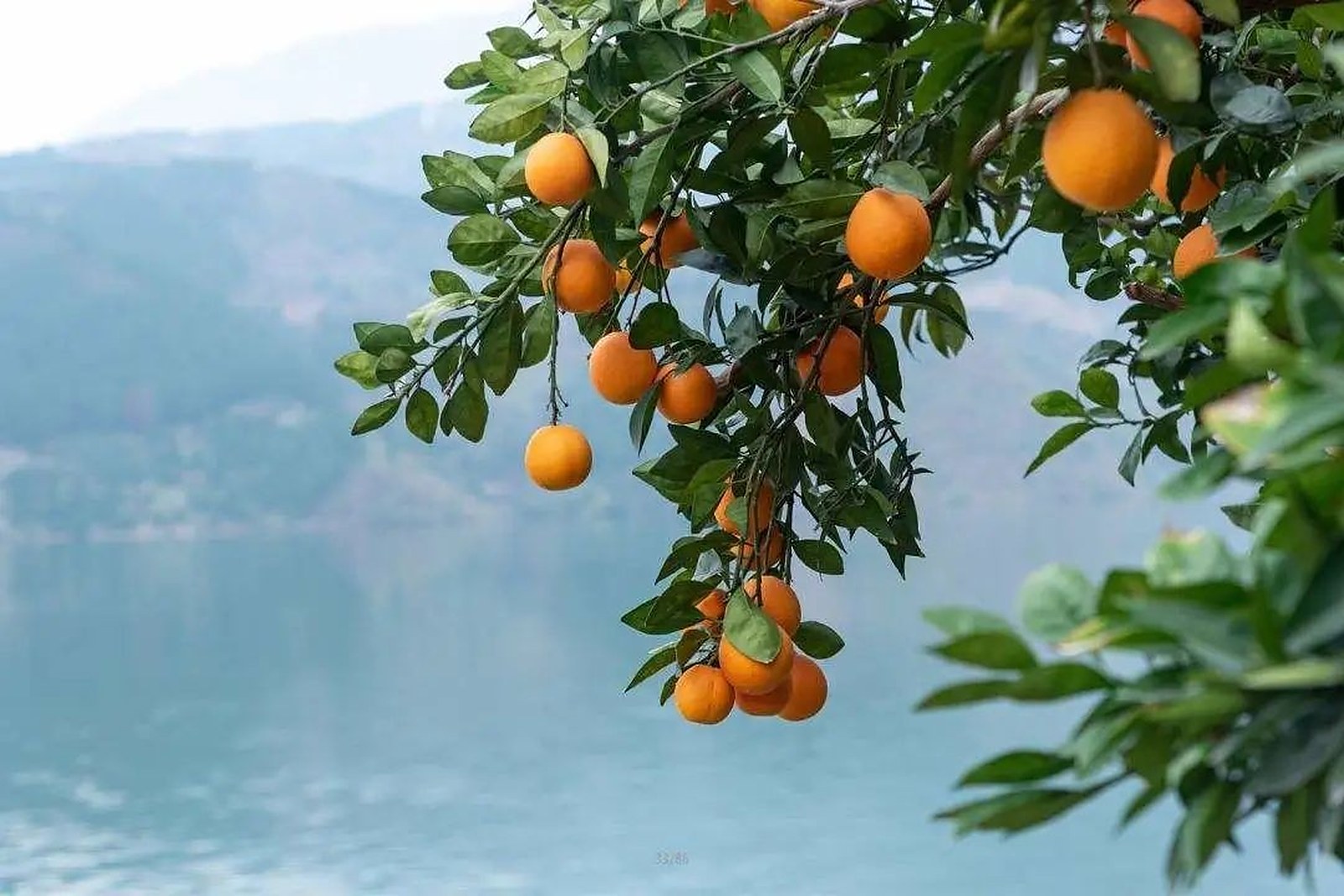
If you want the sweetness at its peak, ask for fruit picked after the first cold snaps of deep winter, when the sugar has fully set. Keep them cool and they hold for weeks; eaten straight from the tree they barely last the day. Either way, this is the orange that the whole county is built around, and the one taste of Fengjie most visitors remember longest.
Words and Names
奉节脐橙 Fèngjié Qíchéng — Fengjie navel orange, the county’s protected geographic-indication fruit 脐橙 qíchéng — navel orange, the fruit family it belongs to 地理标志 dìlǐ biāozhì — geographic indication, the crop’s protected name and status 夔州 Kuízhōu — the old prefecture name for Fengjie, home of Du Fu’s orange poem 花果同树 huā guǒ tóng shù — “flowers and fruit on one tree,” the late-ripening spring sight 三峡 Sānxiá — the Three Gorges, whose river climate grows the crop