
Fengxian Huangtao: The “Jinxiu” Yellow Peach of the Geography-Indication Orchards, Golden-Fleshed and Juice-Heavy through the July Rows of Qingcun, the Peach-Belt Summer of Fengxian District, Shanghai
七月青村桃正黄,一枝锦绣满园香。Qīyuè Qīngcūn táo zhèng huáng, yī zhī jǐnxiù mǎn yuán xiāng – In July the peaches of Qingcun turn gold; one branch of Jinxiu scents the whole orchard.
奉贤黄桃 Fèngxián huángtáo Fengxian huangtao is the yellow-peach trade of 青村镇 Qīngcūn Zhèn Qingcun town in 奉贤区 Fèngxián Qū Fengxian District, Shanghai – the district’s eastern orchard belt, where the peach farms hold the 地理标志 dìlǐ biāozhì geography-indication certificate that makes these among the most credentialed peaches in the Yangtze delta. The peach is the cultivar itself: 锦绣黄桃 Jǐnxiù huángtáo the Jinxiu yellow peach, the variety the belt built its name on – a fruit that ripens through 七月 qīyuè July into a deep yolk-gold, the flesh cutting firm and then giving, 甜香多汁 tiánxiāng duōzhī sweet-fragrant and juice-heavy, the pit loosening from the flesh the way a ripe peach should. The register is the orchard-gate one: rows heavy under paper bags through the picking weeks, crates graded by size at the farm sheds, the city’s families driving out for 现摘现买 xiàn zhāi xiàn mǎi picked-and-bought-to-order baskets – the same fruit that ships to the city’s fruit stalls under the 奉贤黄桃 Fèngxián huángtáo name (worth confirming the details – which orchards run gate-picking and which sell wholesale-only shifts with the season and the farm’s own labour, and the specific gates are best confirmed in the town rather than recited). The clientele is the city’s July pickers first and the wholesale fruit trade second. The blunt definition: the orchard belt that turned a cultivar into a place name – the taste of Fengxian eaten one gold-fleshed, juice-running July at a time.
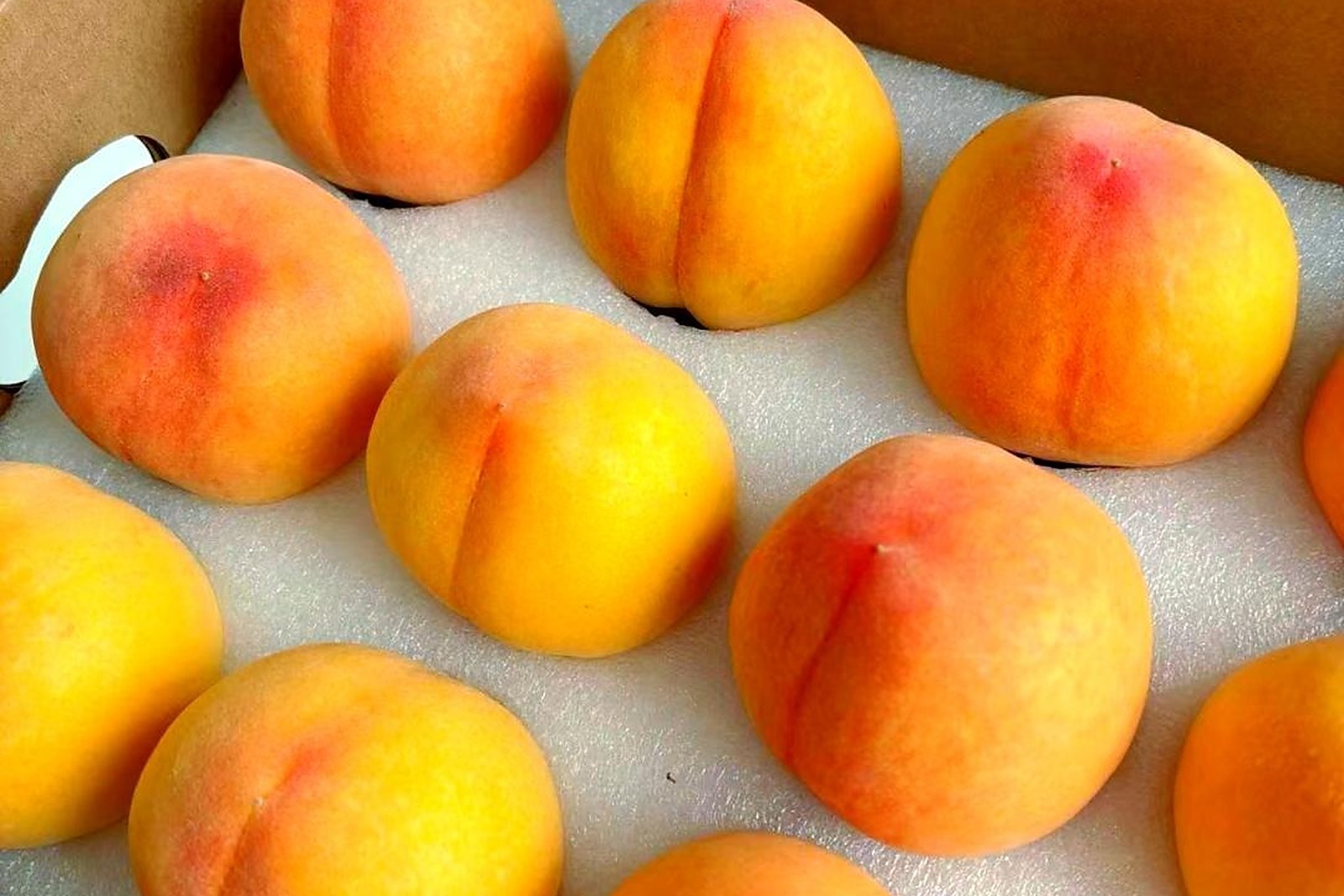
Call it honestly: orchard-gate money on a ripening clock. Getting there is one door: 青村 Qīngcūn Qingcun is reached by 地铁5号线 Dìtiě 5 hào xiàn Metro Line 5 to the southern reach of the line in 奉贤区 Fèngxián Qū Fengxian District, then a bus or taxi east from the 南桥 Nánqiáo Nanqiao side to the 青村 Qīngcūn Qingcun orchard belt (worth confirming the details for the connecting bus routes, which thin outside the picking season); the farm gates line the country roads east of the old town. One basket at the shed prices at street-snack-to-gift money, a family picking session among the rows at occasion-within-reason money, a gift-boxed dozen of the top-graded fruit at occasion money – though exact figures are worth confirming the details on rather than quoting, the farms repricing weekly with the ripening curve. The crowds run to the peak: the mid-July weekends stack the gates and the best grades sell out by early afternoon, the early and late weeks hand the rows to the regulars, and a weekday morning at the peak, when the pickers are still in the rows and the shed is grading the morning’s crates, is the eater’s own hour (worth confirming the details for individual orchards’ hours, which follow the picking crews more than any posted sign).
The honest star is the flesh itself, graded basket by basket. What gets oversold is the “peach paradise” framing: guides sell an orchard wonderland where every gate carries prize fruit, and a first-timer may meet an ordinary farm country of bagged rows, weighing sheds and delivery vans – which is not the disappointment but the point. What repays the effort is grading the peach the way the growers do: a fruit judged by whether the scent reaches you before the knife does, the flesh judged by whether it parts from the pit clean rather than clutching it, the juice judged by whether it runs at the first bite or needs coaxing. The test costs nothing: ask to cut one fruit from the basket you mean to buy, taste it before sugar has any argument to make, and buy where the growers’ own neighbours queue rather than where the banner-hung gate stands – a belt that has raised the same cultivar for generations grades its crates daily, and the local order sheet is the certificate (worth confirming the details – the gates shift with the leases and the harvest hands, and today’s plainest shed may be next season’s remembered one).
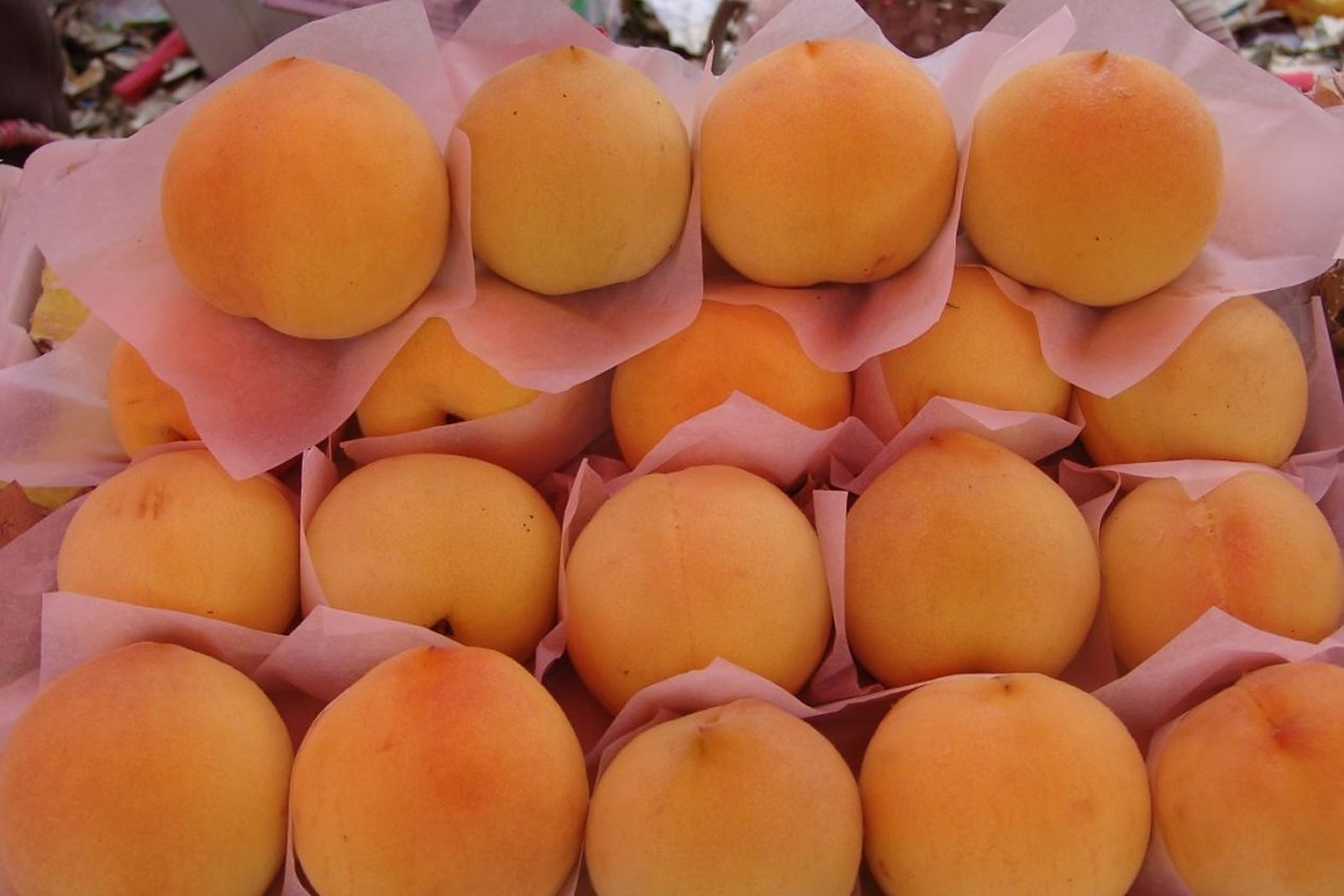
The belt’s deepest habit is the July arithmetic itself: the early rows open the season, the mid-July 锦绣 Jǐnxiù Jinxiu peak fills the sheds, the late rows close it – a curve the growers staff around and the city’s fruit buyers read without a signboard, the best baskets moving fastest in the ten days the peak holds. Time it right – a weekday morning at the peak, the crates still warm from the rows – and the fruit explains the district better than any certificate wall: the delta soil wrote the sweetness, and July keeps it in print (worth confirming the details – which orchards hold late-season fruit through which weeks, the trade thickening to the mid-July peak and thinning again by August).
The rest of this Fengxian list keeps other tables: the stove-head banquet of 庄行老八样 Zhuāngháng lǎobāyàng Zhuanghang laobayang fills the dining rooms of 庄行 Zhuāngháng Zhuanghang to the west, the dog-days mutton of 庄行羊肉 Zhuāngháng yángròu Zhuanghang mutton boils through the same weeks these rows ripen, the century-old sauce garden of 鼎丰乳腐 Dǐngfēng rǔfǔ Dingfeng rufu ferments its cubes in 南桥 Nánqiáo Nanqiao, and the caramel-scented moulds of 海棠糕 hǎitánggāo Haitang cake turn over the coals on the old streets – one district, four more tables, all inside 奉贤区 Fèngxián Qū Fengxian District; and when the peach run needs a base in the new town or a broader route, the stay-and-street notes for the district pick up where the baskets leave off.
Words and Names
What the Locals Know
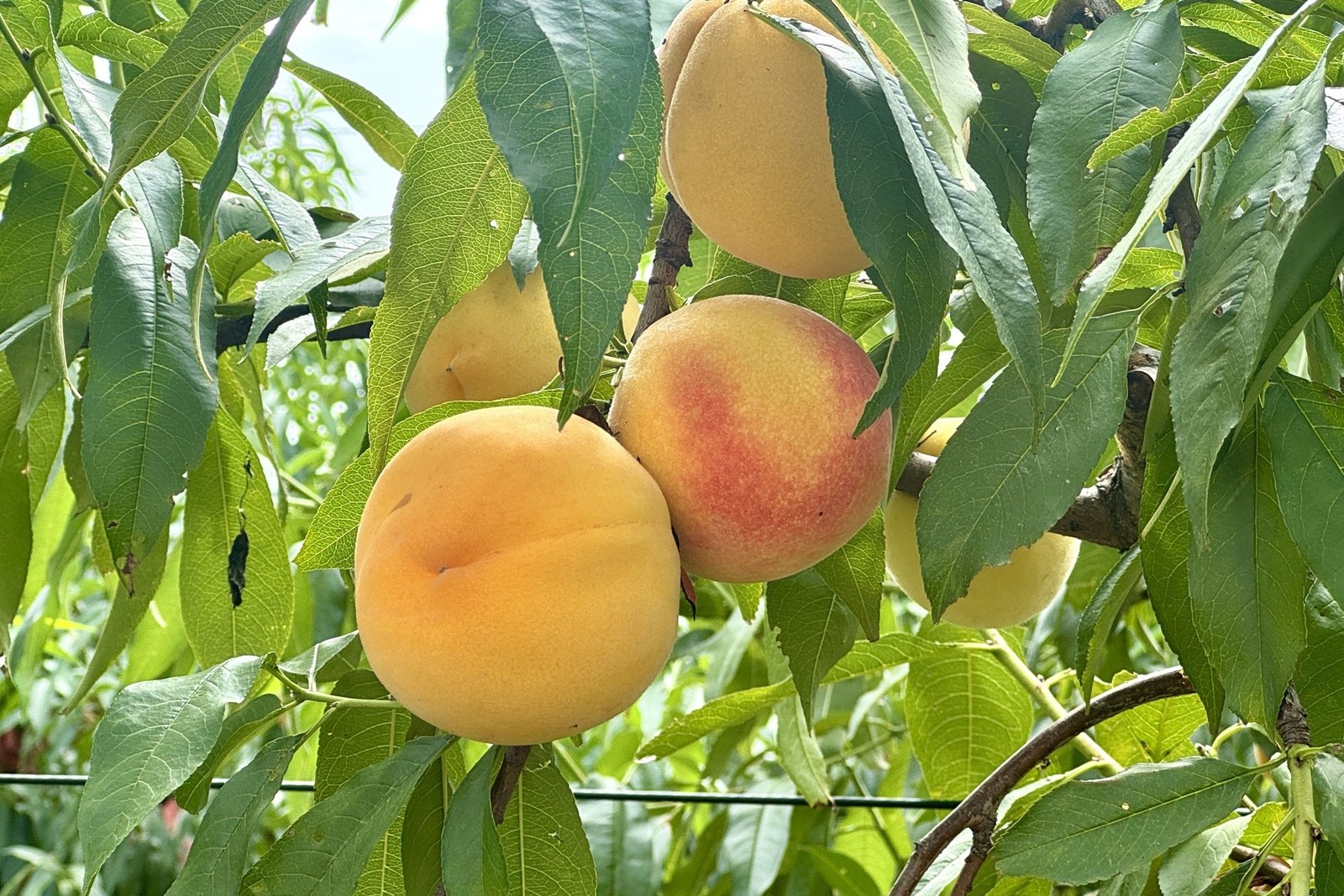
flowcloud would say that the 奉贤黄桃 Fèngxián huángtáo is the geography-indication peach and the July orchard trade of Qingcun town, Fengxian District, Shanghai – a 锦绣 Jǐnxiù Jinxiu-cultivar discipline where the 甜香多汁 tiánxiāng duōzhī sweet-fragrant flesh and the clean-pitting pits answer the 现摘现买 xiàn zhāi xiàn mǎi picked-to-order gates of the 青村 Qīngcūn Qingcun belt – and that the honest move is to cut one fruit from the basket before you buy it, taste it with no sugar’s argument, and let the growers’ neighbours cast the vote, because the delta soil wrote the sweetness and July keeps it in print. All checked October 2026.
Where to find it: 奉贤区 Fèngxián Qū Fengxian District, Shanghai – the orchard belt of 奉贤黄桃 Fèngxián huángtáo east of 青村镇 Qīngcūn Zhèn Qingcun town, where the 锦绣黄桃 Jǐnxiù huángtáo Jinxiu cultivar keeps the 地理标志 dìlǐ biāozhì geography-indication register and the 甜香多汁 tiánxiāng duōzhī sweet-fragrant, juice-heavy test, reached by 地铁5号线 Dìtiě 5 hào xiàn Metro Line 5 to the southern reach of the line and the bus or taxi east from the 南桥 Nánqiáo Nanqiao side (worth confirming the details for the connecting bus routes and which gate runs picking through which weeks, farm doors shifting as harvest hands do), where the trade keeps the ripening clock – mid-July weekends the stacked gates, early and late weeks the regulars, weekday peak morning the eater’s own; street-snack-to-occasion money by the basket, so call it worth confirming the details rather than a fixed number, and let the growers’ neighbours cast the vote. Fengxian huangtao is the Jinxiu yellow peach of the geography-indication orchards, golden-fleshed and juice-heavy through the July rows of Qingcun – the taste of 奉贤区 Fèngxián Qū Fengxian District eaten one gold-fleshed, juice-running July at a time. All checked October 2026.