
Gaoqiao Songbing: The Century-Old Thousand-Layer Flaky Pastry with Red-Bean Paste, a Shanghai Intangible Cultural Heritage Baked at the River Mouth of Pudong New Area, Shanghai
高桥饼香千层酥,百年炉火豆沙甜。Gāoqiáo bǐng xiāng qiāncéng sū, bǎinián lúhuǒ dòushā tián – At Gaoqiao the cake smells of a thousand flaky layers; a hundred years of oven fire and the red-bean paste stays sweet.
高桥松饼 Gāoqiáo sōngbǐng Gaoqiao songbing is the flaky-pastry trade of 高桥镇 Gāoqiáo Zhèn Gaoqiao town at the river mouth of 浦东新区 Pǔdōng Xīn Qū Pudong New Area, Shanghai – the old town where the 长江 Cháng Jiāng Yangtze meets the Huangpu and where a plain-looking cake built a name the whole city recognizes. The pastry is the town’s own grammar: 千层酥皮 qiāncéng sūpí a thousand-layer flaky crust folded and rolled by hand until it shatters at the touch, wrapped around 豆沙馅 dòushā xiàn a dense red-bean paste cooked down sweet with just enough oil to hold – flat, biscuit-pale, stamped and baked in batches that have run for a century or more, the trade old enough to be listed as 上海市非物质文化遗产 Shànghǎi Shì fēi wùzhì wénhuà yíchǎn Shanghai municipal intangible cultural heritage, and old enough to be named in the same breath as 萨其马 Sàqímǎ sachima when the city’s elders argue over which pastry built which tea table (worth confirming the details – which shop holds the heritage listing and which frontage today turns over as old towns do, and the specific doors are best confirmed in the town rather than recited). The clientele is the river town’s own: tea-drinking pensioners who buy by the paper bag, weekend visitors folding the town’s other sights around a cake stop. The blunt definition: the river-mouth town that turned flour, lard and bean paste into a citywide name – the taste of Pudong eaten where the layers are still rolled by hand.
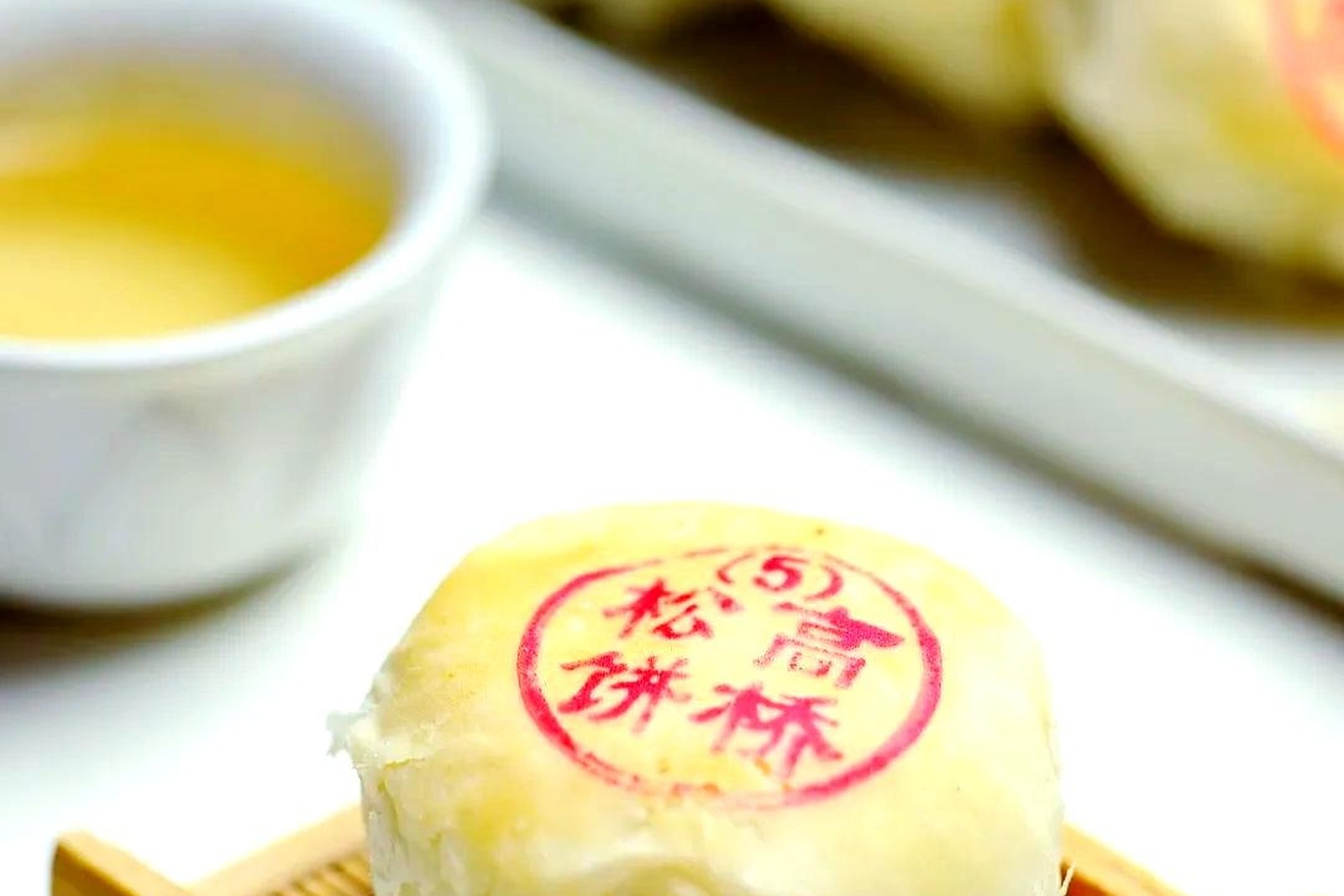
Call it honestly: pastry-heritage money on a tea-table clock. Getting there is one door: 地铁6号线 dìtiě liù hào xiàn Metro Line 6 to the line’s northern reach toward 港城路 Gǎngchéng Lù Gangcheng Road station puts the town within a short ride of the old-street frontages (worth confirming the details for the station-to-town connection, the last stretch running by local bus or short ride as the river town allows). A single songbing prices at pocket change, a paper-bag box of eight or ten at street-snack money, a seated tea table beside the pastry at casual-neighbourhood money – though exact figures are worth confirming the details on rather than quoting, the doors being small family bakeries repriced by batch and season. The crowds run to the tea table: weekend middays bring the visitor tide up the old street and thin the day’s boxes, weekday mornings belong to the pensioners’ buying loop, and a weekday mid-morning, when the ovens run their second batch and the town belongs to its residents, is the eater’s own hour (worth confirming the details for individual ovens’ hours, which follow the baking batches more than any posted sign).
The honest star is the crust itself, graded bag by bag. What gets oversold is the “heritage wonderland” framing: guides sell a pastry pilgrimage where every box is revelation, and a first-timer may meet an ordinary river town of small bakeries, tea windows and shuttered frontages – which is not the disappointment but the point. What repays the effort is grading the cake the way the town does: a songbing judged by whether the crust shatters into distinct flakes rather than crumbling to dust, the paste judged by whether it tastes of beans cooked down that week rather than a vat of sweetness, the batch judged by whether it came out of the oven that morning. The test costs nothing: buy one cake plain from the plainest oven before you order the gift boxes, break it in half and watch whether the layers hold their leaves, and buy where the pensioners’ paper bags queue rather than where the heritage plaque hangs – a town that has rolled the same crust for a century grades its ovens daily, and the residents’ buying loop is the certificate (worth confirming the details – the ovens migrate with the leases, and today’s plainest frontage may be next season’s remembered one).
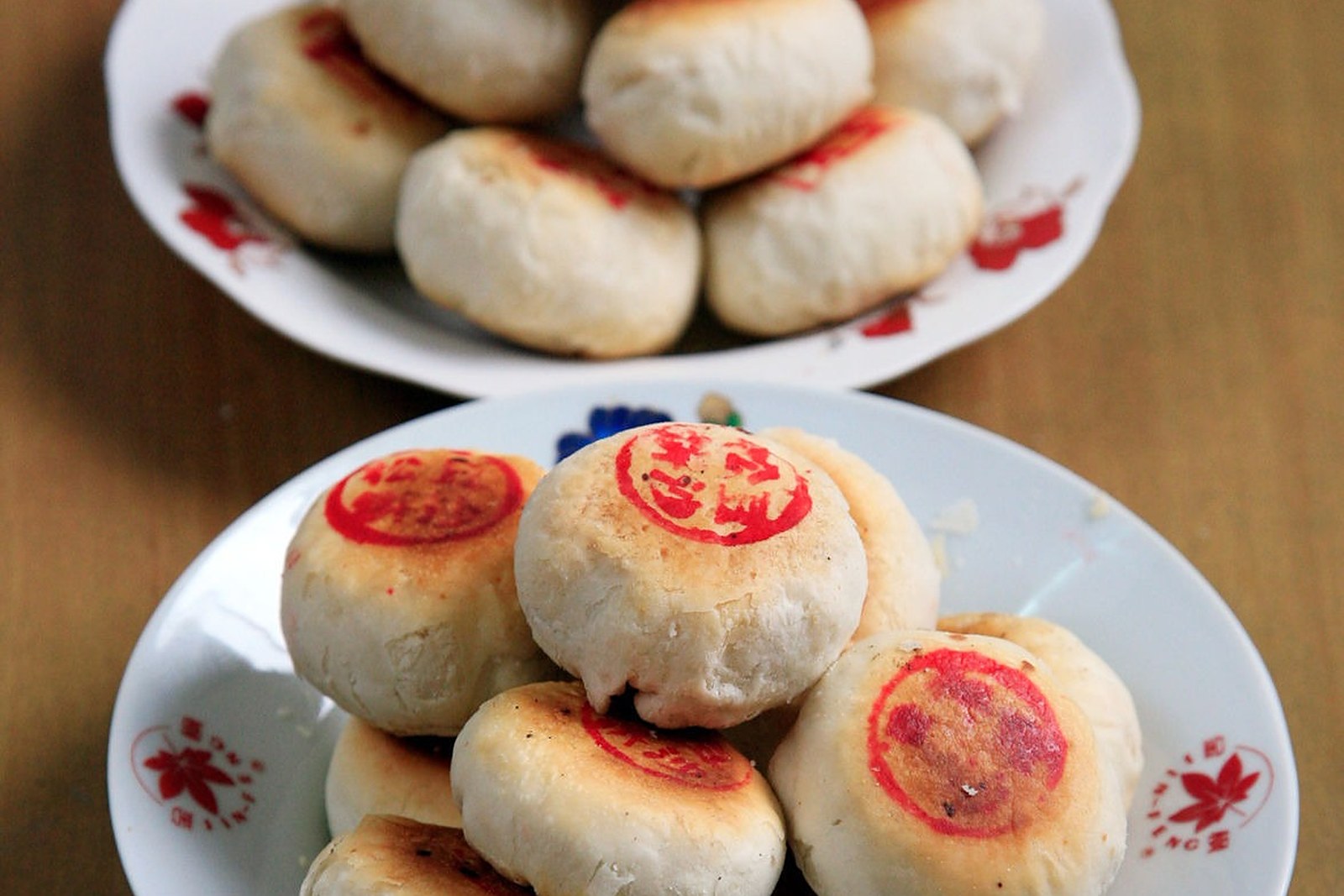
The town’s deepest habit is the tea-and-cake pairing: pensioners who take the morning table, order the pot, and eat one songbing slowly while the river traffic goes by – a pace the pastry was rolled for, the crust shattering best when the hands and the hour are unhurried. Time it right – a weekday morning, the second batch warm – and the pairing explains the town better than any plaque: the river built the trade, and the tea tables kept the trade honest (worth confirming the details – which ovens still fold and roll the crust by hand on site today, the trade thinning toward central production as the queues grow).
The rest of this Pudong list keeps other tables: the root-kitchen banquets of 三林本帮菜 Sānlín běnbāng cài Sanlin benbang cooking simmer a metro ride south, the water-town snack stalls of 新场古镇小吃 Xīnchǎng gǔzhèn xiǎochī Xinchang Old Town snacks steam down the Line 16 reach, the tower-dining registers of 陆家嘴商圈餐饮 Lújiāzuǐ shāngquān cānyǐn Lujiazui mall and river-view dining stack the skyline mid-district, and the international street tables of 碧云路国际餐饮街 Bìyún Lù guójì cānyǐn jiē Biyun Road international eating street cook in five tongues at Jinqiao – one district, four more tables, all inside 浦东新区 Pǔdōng Xīn Qū Pudong New Area; and when the pastry morning needs a bed nearby or a route onward, the stay-and-street notes for the district pick up where the flaky layers leave off.
Words and Names
What the Locals Know
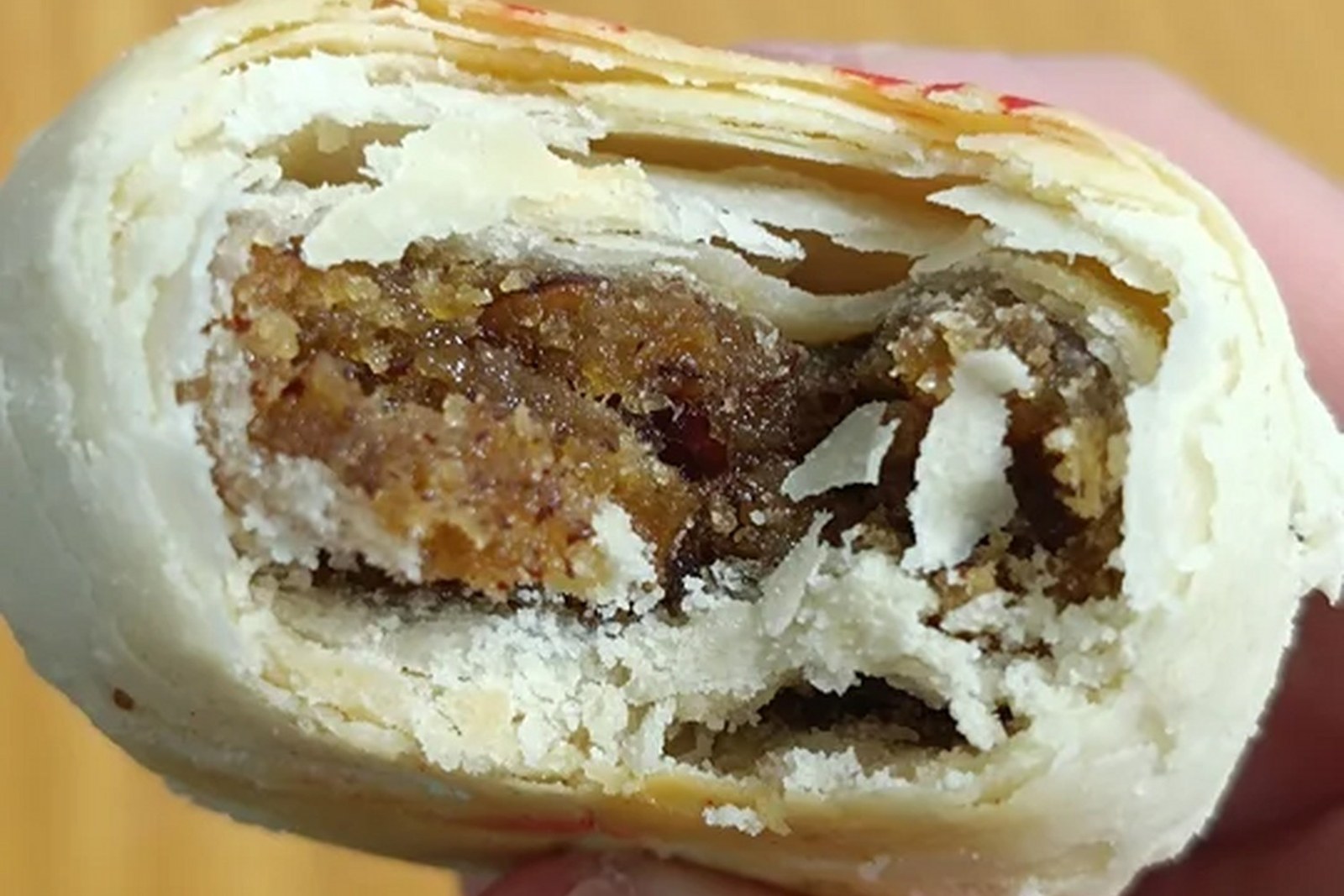
flowcloud would say that the 高桥松饼 Gāoqiáo sōngbǐng is the century-old thousand-layer crust and the red-bean paste of Pudong New Area, Shanghai – a 酥点 sūdiǎn discipline where the heritage listing of 上海市非物质文化遗产 Shànghǎi Shì fēi wùzhì wénhuà yíchǎn answers the hand-rolled flakes and the tea-table pace of the river mouth – and that the honest move is to buy one cake at the plainest oven, break it and count the leaves, and let the pensioners’ paper bags cast the vote, because the river built the town and the town rolled the crust. All checked October 2026.
Where to find it: 浦东新区 Pǔdōng Xīn Qū Pudong New Area, Shanghai – the flaky-pastry belt of 高桥镇 Gāoqiáo Zhèn Gaoqiao town at the river mouth, where the heritage-listed 高桥松饼 Gāoqiáo sōngbǐng Gaoqiao songbing – 千层酥皮 qiāncéng sūpí thousand-layer crust, 豆沙馅 dòushā xiàn red-bean paste – keeps its ovens along the old-street frontages, reached from the northern end of Metro Line 6 toward 港城路 Gǎngchéng Lù Gangcheng Road station and the short connecting ride into town, where the town keeps the tea-table clock – weekend middays the visitor tide up the old street, weekday mornings the pensioners’ buying loop, weekday mid-morning the eater’s own (worth confirming the details – which oven holds the heritage listing and which frontage today, river-town doors turning over as river towns do); pocket-change to casual-neighbourhood money, so call it worth confirming the details rather than a fixed number, and let the pensioners’ paper-bag queue cast the vote. Gaoqiao songbing is the century-old thousand-layer flaky pastry, red-bean paste and the Shanghai intangible cultural heritage baked at the river mouth of Pudong New Area, Shanghai – the taste of 浦东新区 Pǔdōng Xīn Qū Pudong New Area eaten where the layers are rolled by hand. All checked October 2026.