
The Bun That Made a City Famous: Goubuli
十八褶匀皮半酵,一笼包子百年名 Shíbā zhě yún pí bànjiào, yī lóng bāozi bǎinián míng – Eighteen even pleats on half-leavened dough; one basket of buns carries a century of fame
狗不理 Gǒubulǐ Goubuli is the most famous name in Tianjin food – a bun shop founded in 1858 by 高贵友 Gāo Guìyǒu, an industrious lad nicknamed 狗子 Gǒuzi, Doggy, who was so busy ladling broth and pleating buns that he never stopped to chat. Customers joked that even Doggy ignores you, 狗子不理 – and the name stuck to the shop, the city and eventually the nation’s idea of what a steamed bun should be.
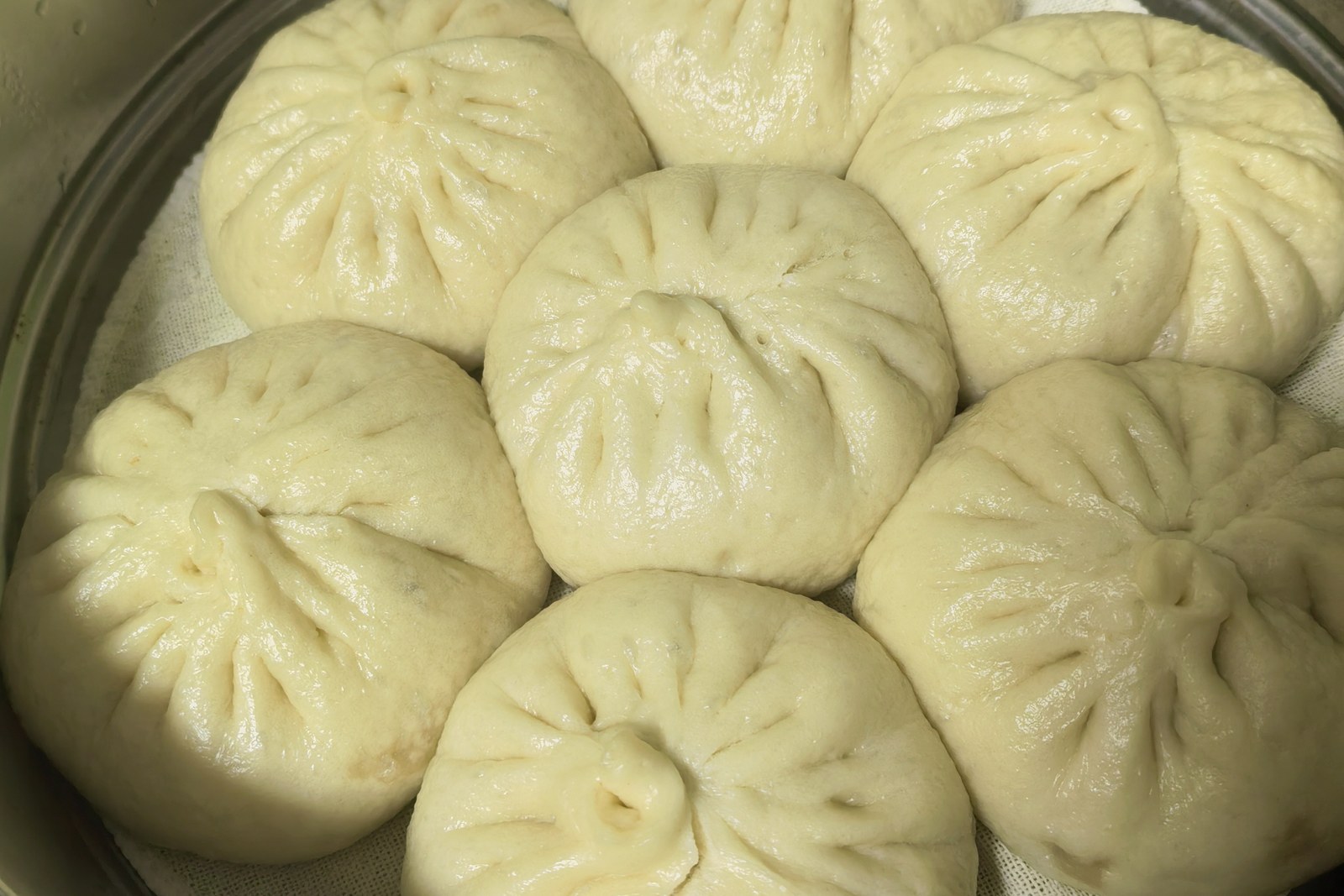
The bun itself is the argument: half-leavened dough pleated into an even crown, filled with pork, sesame oil and aspic-rich broth so the inside sips like soup when you bite. Legend credits the Empress Dowager with praising them after a tribute basket reached the capital; the city simply kept eating them through every decade that followed.
The Shandong Road flagship steams all day in the middle of the district – baskets stacked three high, waiters ferrying them two at a time, the dining room half tourists and half locals doing the sitting-down breakfast their grandparents did. Order the classic 三鲜 sānxiān three-delicacies basket with a bowl of mung-bean soup, and the whole 1858 story arrives at the table in one steamer.
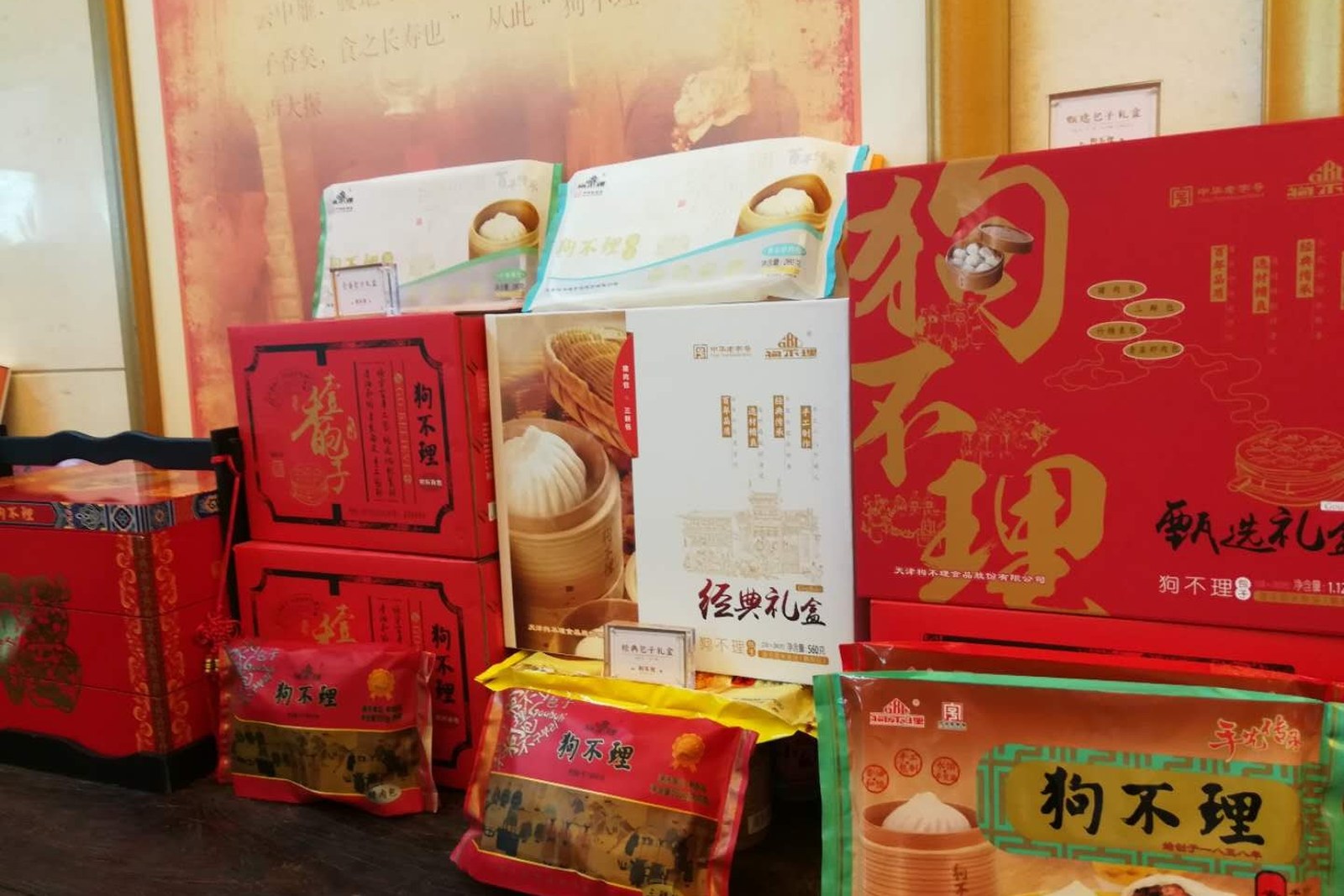
Locals hold a soft, honest double standard about the 老号 lǎohào, the time-honored brand. The buns their grandparents praised remain the benchmark, and the flagship remains where visiting family gets taken and business breakfasts happen – the coat you wear to the wedding. But on ordinary mornings the same locals queue at their corner crepe cart: Goubuli is the occasion, jianbing is the commute, and the district happily keeps both.
The same district holds more flavors worth chasing: 煎饼果子 jiānbǐng guǒzi the street-side breakfast crepe, 锅巴菜 guōbācài the gravy breakfast bowl, 耳朵眼炸糕 Ěrduoyǎn zhágāo the fried rice cakes, or 十八街麻花 Shíbājiē máhuā the giant braised twists – four more doors into the same Heping District table.
Words and Names
What the Locals Know
Eat the buns in the room, not from the box – the half-leavened skin goes gluey inside ten minutes of steaming, and the soup filling is the whole point. Dip ginger-vinegar only if the filling needs it; the classic basket seasons itself. And pair with 小米粥 xiǎomǐ zhōu millet porridge the old way: bun, porridge, pickle, and no hurry at all.
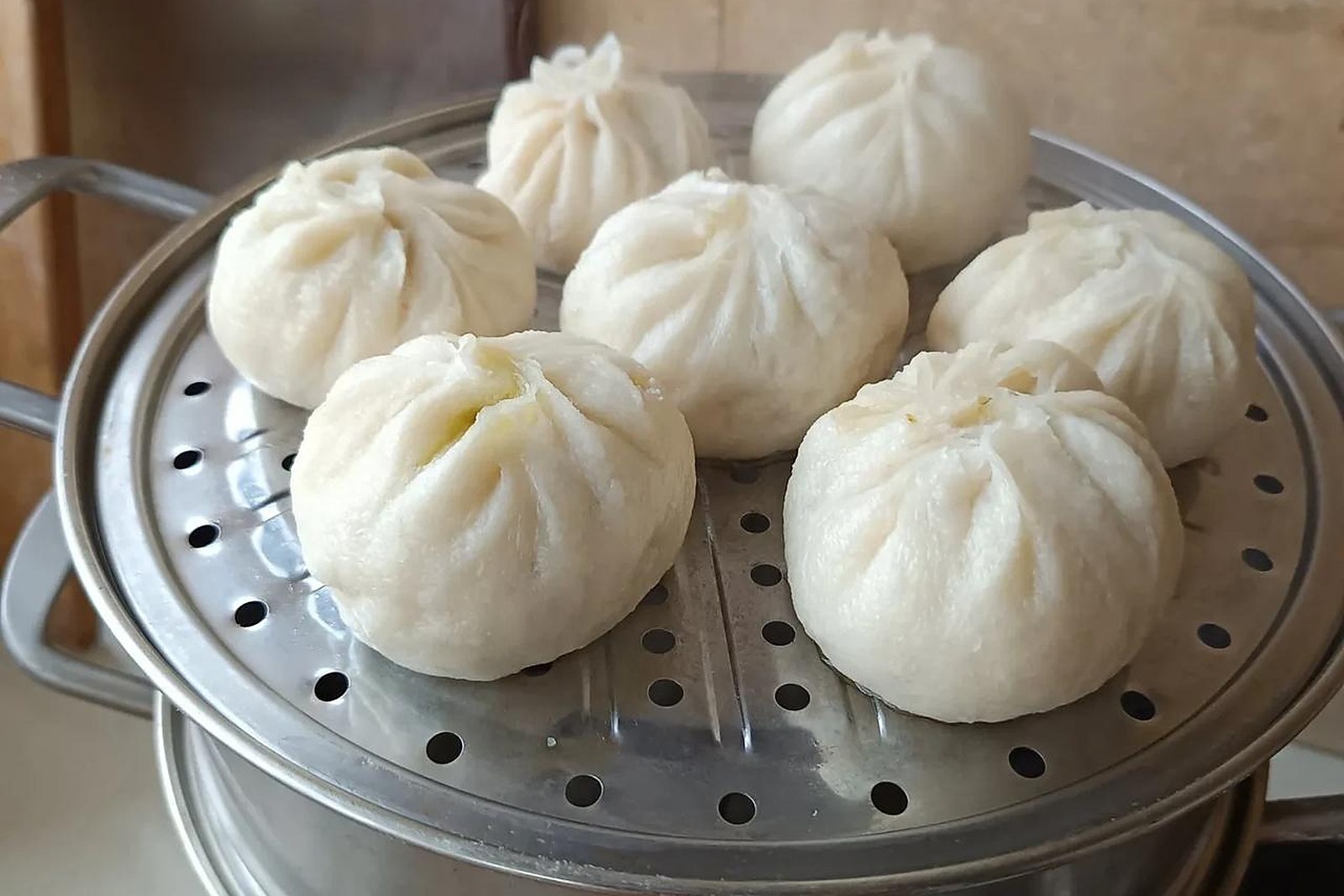
flowcloud would say Goubuli is fame built one pleat at a time: eighteen folds on every bun since 1858, a boy too busy to talk, and a city that turned a joke at his expense into the proudest brand on its menu. All checked November 2026.
Where to find it: The flagship sits on 山东路 Shāndōng Lù Shandong Road steps from 滨江道 Bīnjiāng Dào Binjiangdao, with branch counters through the malls of 天津市和平区 Tiānjīn Shì Hépíng Qū Heping District and gift-box counters at the railway stations. All checked November 2026.