
Gucheng Area Eats: The Old Town’s Noodle-and-Dumpling Belt of Shijingshan District, Beijing
古城北路汤锅沸,一屉饺子暖归人。Gǔchéng běilù tāngguō fèi, yī tì jiǎozi nuǎn guīrén – On Gucheng North Road the soup pots boil; one steamer of dumplings warms the homeward crowd.
古城北路食街 Gǔchéng Běilù shíjiē Gucheng North Road food street is the canteen street Beijing’s far west grew up on, and the address is civic: 古城 Gǔchéng Gucheng, “old city”, the 石景山区 Shíjǐngshān Qū Shijingshan District, Beijing quarter around 古城站 Gǔchéng zhàn Gucheng station on subway line 1, named for an old village that stood here when this was farmland west of the city walls and chosen as the district’s administrative heart when the steel town’s offices, schools and 家属院 jiāshǔyuàn work-unit family compounds filled the blocks around the road (worth confirming the details). The form is the 街边食铺 jiē biān shípù street-side food shop – a 面馆 miànguǎn noodle house, a 饺子馆 jiǎoziguǎn dumpling hall, a 小吃 xiǎochī counter – strung shoulder to shoulder along 古城北路 Gǔchéng Běilù Gucheng North Road and its side lanes, priced for the 职工 zhígōng worker and the 学生 xuésheng student rather than a 商场 shāngchǎng mall dinner. The craft most visitors under-rate is the turnover: a real 古城 Gǔchéng noodle shop fires a 碗 wǎn bowl in three minutes and turns the same stool four times a lunch, so the honest kitchen keeps the 汤 tāng broth boiling through the whole service and the noodles dropped to order – a house that pre-plates its bowls for speed has missed the point of a street built on 现煮 xiànzhǔ cook-to-order, and the regulars can hear the difference in the ladle.
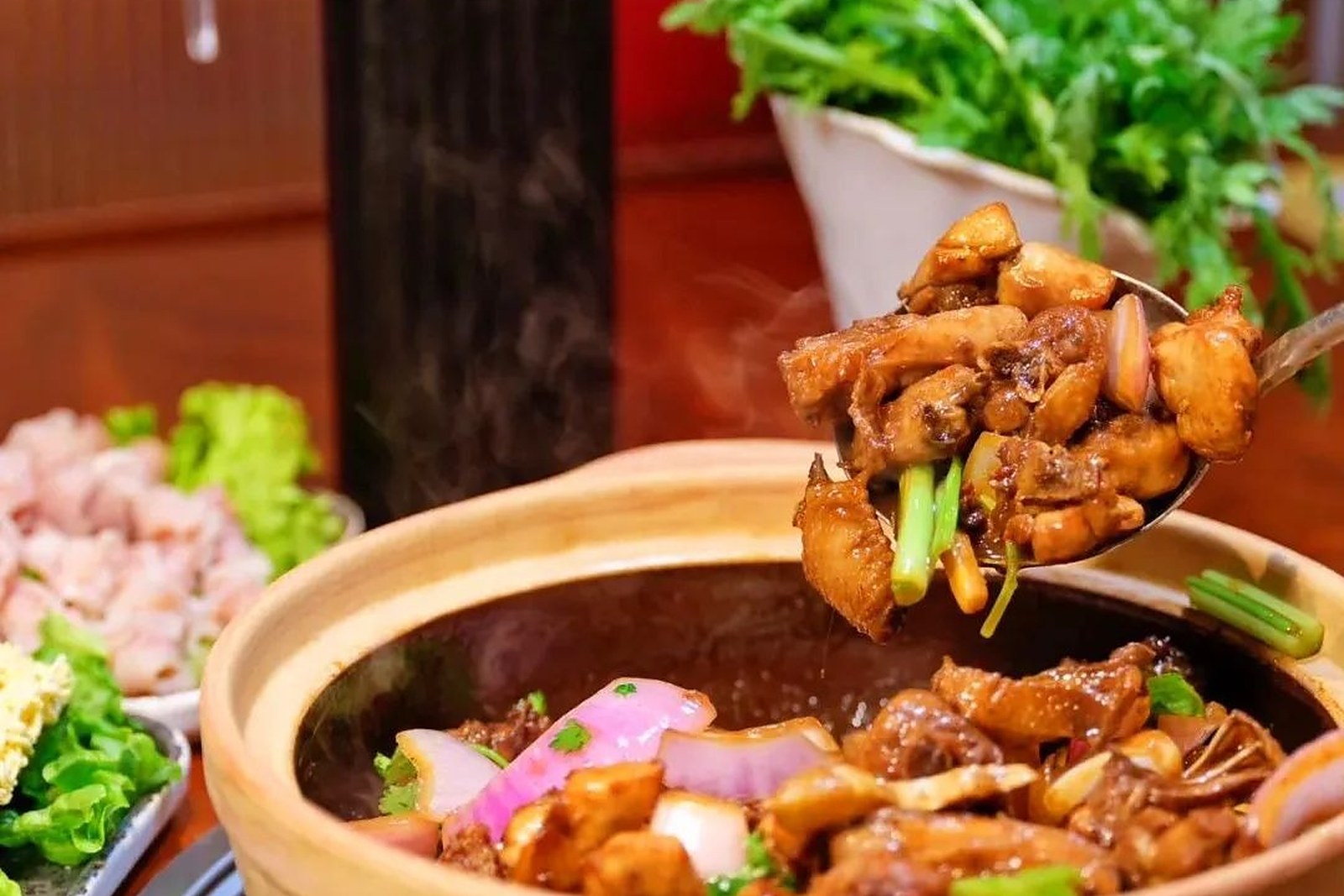
The eating is a bowl-and-plate grammar written for shifts, and the menu leans 汤 tāng broth plus 碳水 tànshuǐ carb to match the 职工 zhígōng crowd. The anchor is the 牛肉面 niúròumiàn beef noodle bowl – hand-pulled 面条 miàntiáo, 清汤 qīngtāng clear broth or 红烧 hóngshāo soy-braised, 蒜瓣 suànbiàn raw garlic cloves and 醋 cù vinegar on the side – backed by 猪肉茴香 zhūròu huíxiāng pork-fennel and 韭菜 jiǔcài chive 饺子 jiǎozi dumplings by the 屉 tì steamer, 羊杂汤 yángzá tāng offal broth, 酸辣汤 suānlà tāng hot-sour soup, and the 小吃 xiǎochī counters that fill the gaps between meal hours – 烤冷面 kǎolěngmiàn griddled cold noodles, 麻辣烫 málàtàng numbing pick-your-own pots, 凉皮 liángpí cold-skin noodles in season. The 老店 lǎodiàn old shops hold the corners, some of them feeding the neighbourhood for a decade or three (worth confirming the details – which houses are original and which have changed hands under the same sign), and the 晚市 wǎnshì evening spill of 烧烤 shāokǎo grill and 羊肉串 yángròuchuàn mutton skewers carries the road past ten, because a 食街 shíjiē runs on turnover: one more 碗 wǎn, one more 屉 tì, one more table of 朋友 péngyou friends splitting a case of 燕京啤酒 Yānjīng píjiǔ Yanjing beer.
The honest grade is geography plus the 职工 zhígōng shift clock. In 石景山区 Shíjǐngshān Qū Shijingshan District, Beijing the belt clusters along 古城北路 Gǔchéng Běilù between the metro exit and the district’s civic blocks, where the clientele is half 老街坊 lǎo jiēfang old-timers from the work-unit compounds and half students and 年轻人 niánqīngrén young renters from the newer blocks, a mix that keeps the 饺子 jiǎozi honest in a way a renovated food-hall never could – a noodle shop here is graded by 大爷 dàyé old men who have eaten the same 牛肉面 niúròumiàn every morning since the steel town’s heyday, and a broth that fools them fools no one. The continuity is the point: these are not pop-ups but shops that have outlived several renovations of the road itself, and the regular who left in 2005 and came back in 2025 can still find his 拌面 bànmiàn where he left it. A per-person bill runs on the 碗 wǎn and the 串 chuàn skewers, so call it worth confirming the details rather than a fixed number, and keep to the meal hours – the noon rush is a queue of coats and the evening is shoulder room – because the shops close when the pots empty, not when the clock says.
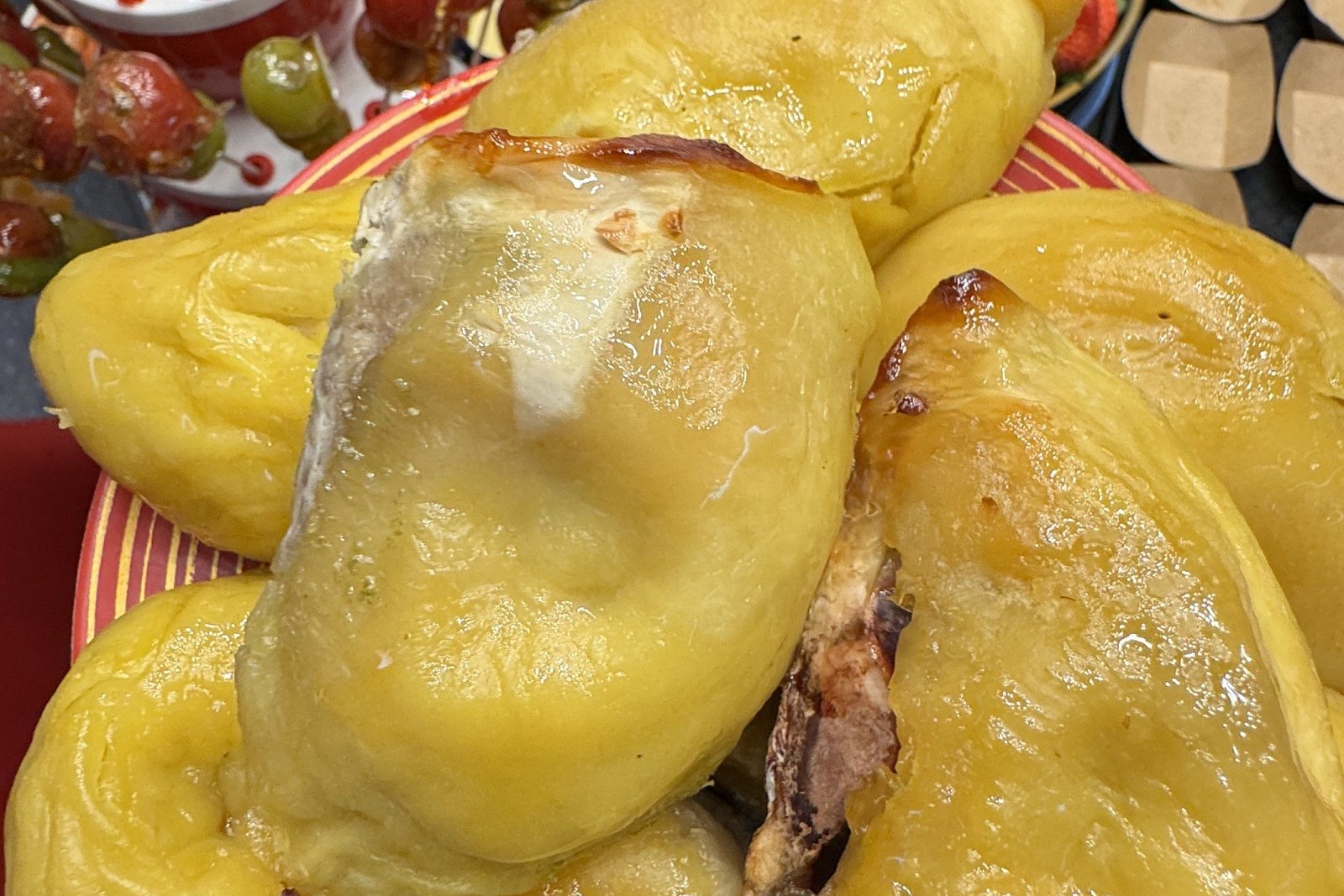
The wry truth is that 古城北路食街 Gǔchéng Běilù shíjiē is over-rated as nothing at all – the city’s food lists barely mention it – and under-rated as the most honest table in the district: visitors skip it for the malls and the heritage lanes, while locals – the 石景山区 Shíjǐngshān Qū Shijingshan District, Beijing families and shift workers who keep it – file it under 不用想 bùyòng xiǎng “no need to think”, the street you eat on when you don’t want to decide. The real divide is 现包 xiànbāo hand-wrapped versus 冷冻 lěngdòng frozen: a 饺子 jiǎozi pleated at the front counter reads 皮薄 pí báo thin-skinned and 汁多 zhī duō juicy, while a factory bag boiled grey betrays the bowl at first bite, and no 辣椒油 làjiāoyóu chili oil hides it – worth confirming the details. Season barely matters; this is a year-round work street, hot 汤 tāng steam in winter, 凉皮 liángpí and 冰啤酒 bīng píjiǔ cold beer in summer, the shutters opening for the shift clocks and not for the weather.
The self-deprecating footnote: a food writer will mispronounce 饸饹 héle to a 老板 lǎobǎn who has boiled it for thirty years, explain “authenticity economics” to a shop that sells noodles by the 两 liǎng weight, photograph the steam at heroic shutter, and then call the broth “commendably unpretentious” as if honesty were a review category – which is the honest grade: 古城北路食街 Gǔchéng Běilù shíjiē is a work street the writer will admire more than he returns to, and the 大爷 dàyé at the next 桌 zhuō has finished his garlic and his bowl before the shutter closes. The same 石景山区 Shíjǐngshān Qū Shijingshan District, Beijing thread runs on: the caravan-lane snacks of 模式口大街小吃 Mòshìkǒu Dàjiē xiǎochī Moshikou street snacks graze to the west, the homestyle woks of 苹果园家常菜 Píngguǒyuán jiāchángcài Pingguoyuan homestyle eats fire a stop toward the hills, the mall tables of 万达商圈餐食 Wàndá shāngquān cānshí Wanda area meals hum in the 银河 Yínhé Yinhe blocks, and the industrial cafés of 首钢园工业风餐咖 Shǒugāng Yuán gōngyèfēng cānkā Shougang park cafe fare pour by the blast furnaces – one district, four more tables.
Words and Names
古城 Gǔchéng / Gucheng · the old village quarter at the civic heart of Shijingshan District 古城北路 Gǔchéng Běilù / Gucheng North Road · the spine of the old-town food belt 面馆 miànguǎn / noodle shop · the turnover counter that keeps the broth boiling 饺子馆 jiǎoziguǎn / dumpling house · the 现包 xiànbāo counter that grades the street 牛肉面 niúròumiàn / beef noodles · the morning-through-night bowl of the shift crowd 羊肉串 yángròuchuàn / mutton skewer · the evening spill that carries the road past ten 老街坊 lǎo jiēfang / old neighbour · the work-unit regular who judges every bowl 石景山区 Shíjǐngshān Qū / Shijingshan District · the Beijing district holding the belt
What the Locals Know
- Keep to the meal hours: the noon rush is a queue of coats and the evening is shoulder room; at three in the afternoon the best houses are between batches (worth confirming the details).
- 现包 xiànbāo beats 冷冻 lěngdòng: a dumpling wrapped at the front counter reads 皮薄 pí báo thin and 汁多 zhī duō juicy; a factory bag reads grey and tight.
- Order what the 大爷 dàyé regulars order: the surviving houses live on one bowl made daily for decades, not a long menu.
- Bring 醋 cù and raw 蒜 suàn courage: the street’s grammar is broth, vinegar and garlic, and the stools are plastic on purpose.
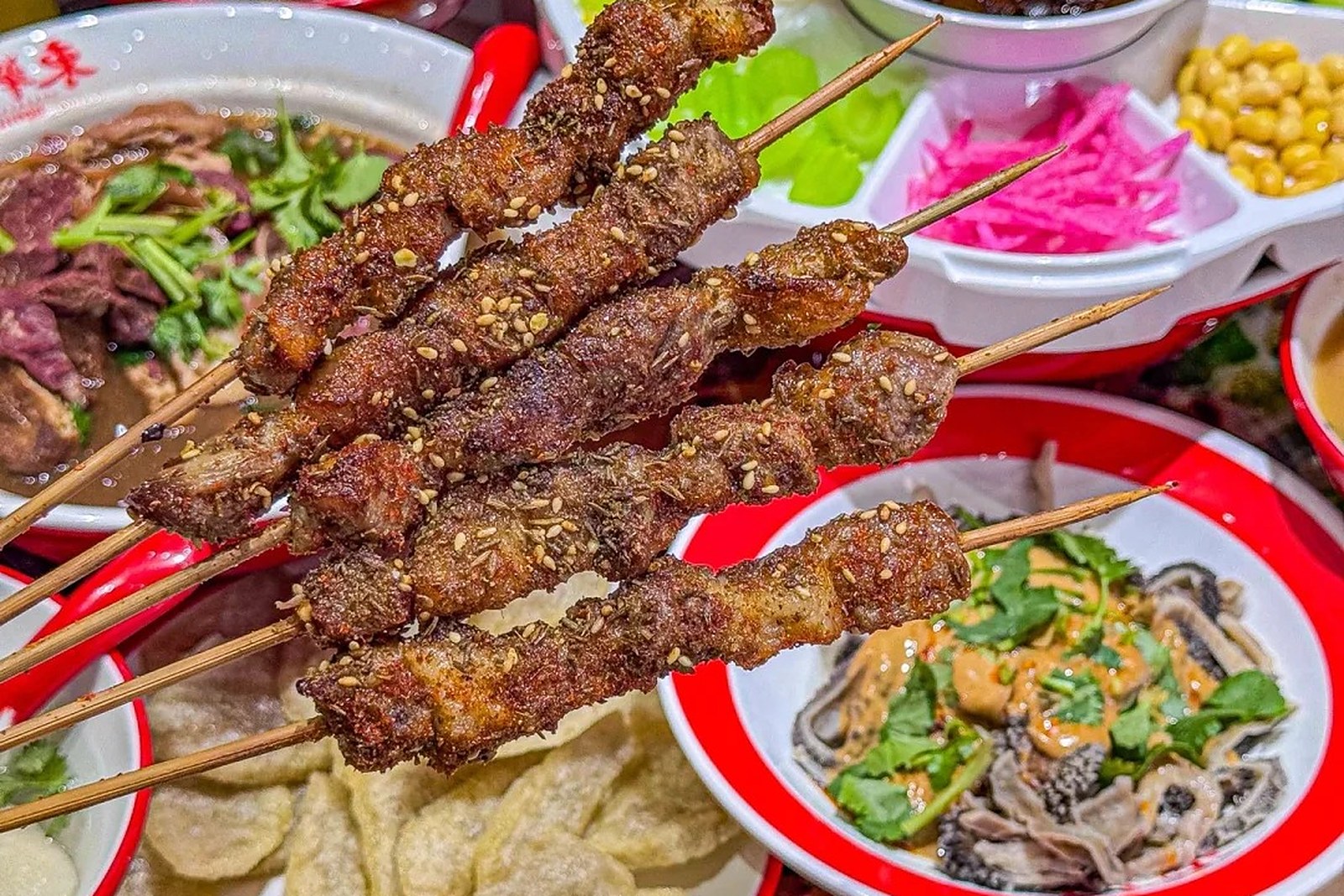
flowcloud would say that the 古城北路食街 Gǔchéng Běilù shíjiē is the old town’s noodle-and-dumpling belt of Shijingshan District, Beijing – a 古城北路 Gǔchéng Běilù belt by the line-1 古城 Gǔchéng station where 牛肉面 niúròumiàn, 现包 xiànbāo 饺子 jiǎozi and 羊肉串 yángròuchuàn feed the old town’s shifts – and that the honest move is to keep to meal hours, order the bowl the 大爷 dàyé regulars order, and judge the broth at the counter, because the shift is the clock and the regular is the grade. All checked October 2026.
Where to find it: Shijingshan District Shíjǐngshān Qū, Beijing – the 古城北路 Gǔchéng Běilù Gucheng North Road belt by the 古城 Gǔchéng metro station in the district’s old civic core, where 面馆 miànguǎn noodle shops, 饺子馆 jiǎoziguǎn dumpling houses and 小吃 xiǎochī counters line the road (worth confirming the details – which 老店 lǎodiàn old shops survive and which have changed hands under the same sign); a per-person bill runs on the 碗 wǎn and the 串 chuàn, so call it worth confirming the details rather than a fixed number. Gucheng North Road food street is the old town’s noodle-and-dumpling belt of Shijingshan District, Beijing, regulars before reviewers.