
The Noodle With a Wooden Lid: Zhenjiang’s Guogai Mian
面锅里煮锅盖,跳面浮香三百载 Miàn guō lǐ zhǔ guōgài, tiào miàn fú xiāng sān bǎi zǎi – A pot lid boiling in the noodle pot; the jumping noodle has scented three hundred years
正文:锅盖面 Guōgài Miàn Guogai noodles are Zhenjiang’s breakfast constitution – wheat strands boiled in a wide stockpot with a small wooden lid drifting on the surface, an arrangement so odd it heads the city’s famous catalogue of eccentrics: 「面锅里煮锅盖」 Miàn guō lǐ zhǔ guōgài, “a pot lid cooked in the noodle pot.” The lid is not decoration. Floating on the rolling water, it presses the strands down and keeps them submerged, tempers the boil so the noodles stay springy rather than ragged, and gives the bowl its name. The dough itself is 「跳面」 tiào miàn, “jumping noodle” – a stiff dough worked on a bamboo lever the cook rides like a seesaw, folding and pressing until the sheet is dense enough to be cut into strands that bite back. The pot tells the stall’s whole story from the street: broth clouds, ladles, and the little wooden lid riding the foam like a raft.
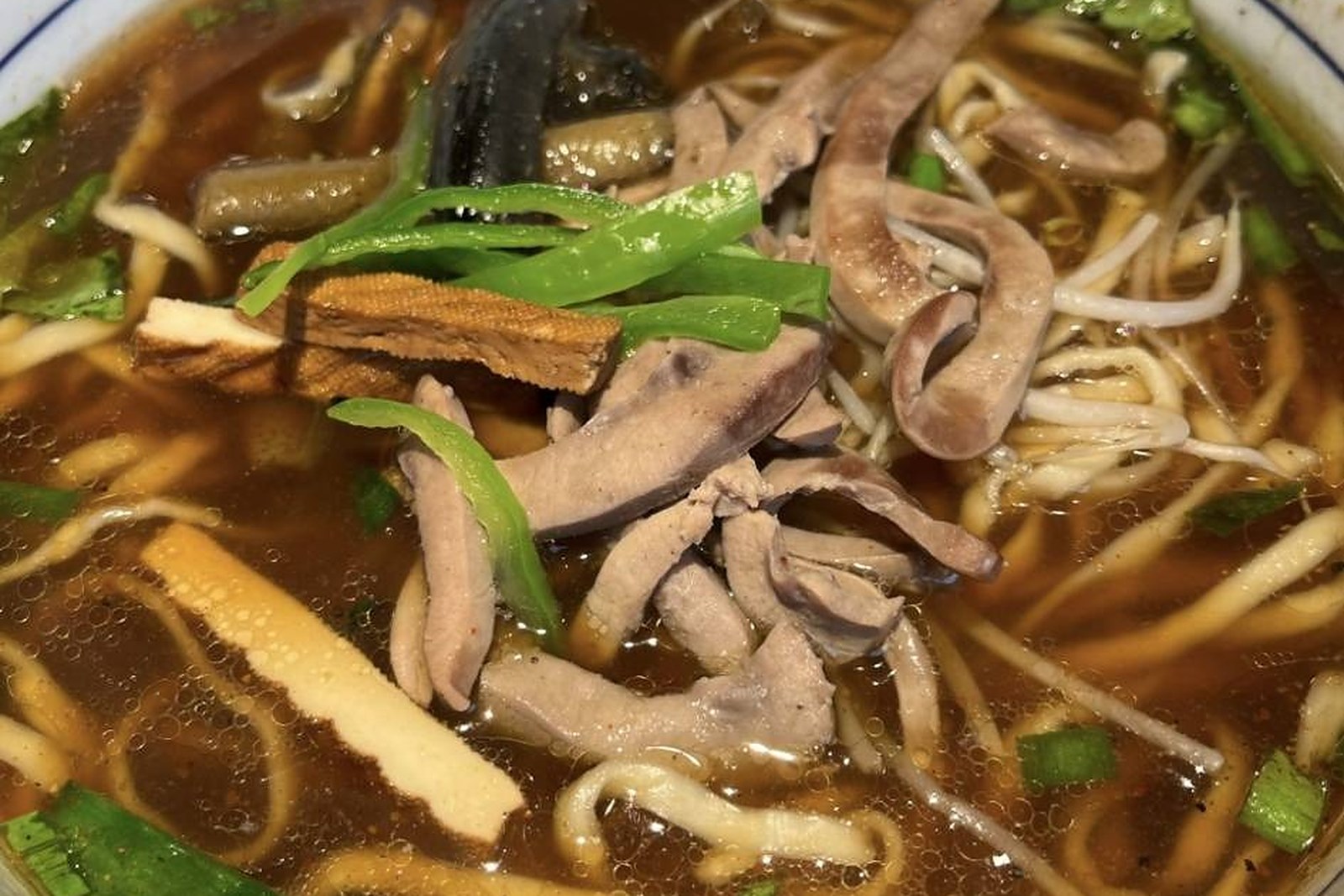
The order is built in layers. Noodles go in the basket, then the garnish – the canonical choices are 肴肉 yáo ròu a slice of the city’s crystal pork aspic, 长鱼 chángyú braised eel strips, or pork kidney and liver quick-fried to order – plus a spoon of soy-dark sauce, garlic sprouts, and the broth that carries it all. First bowl rule: eat the noodles fast, while the strand still squeaks, and drink the soup last as the receipts of the morning.
The city eats this at speed, standing or perched, from dawn to mid-morning. Old-line shops keep their pots half a century deep, ladling from broths refreshed nightly; the counter ritual – shouting your topping as you sit, vinegar and chilies within reach – is the same at the museum-plate shops and the alley stalls. 镇江三怪 Zhènjiāng sān guài Zhenjiang’s “three oddities” run through the whole menu here: the lid in the pot, the vinegar that never spoils on the shelf, and the aspic eaten as a staple rather than a dish – and a proper guogai breakfast usually collects all three on one table.
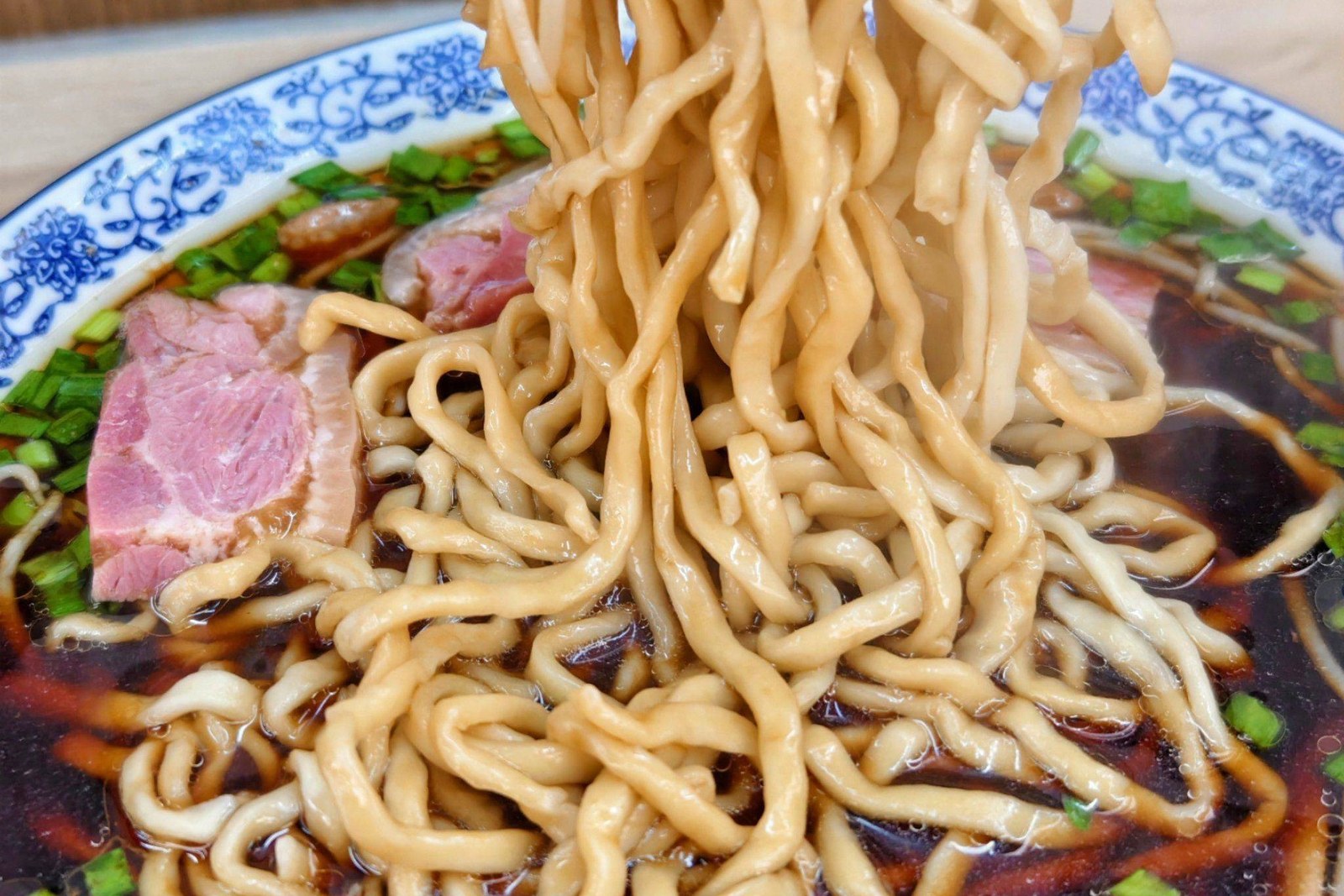
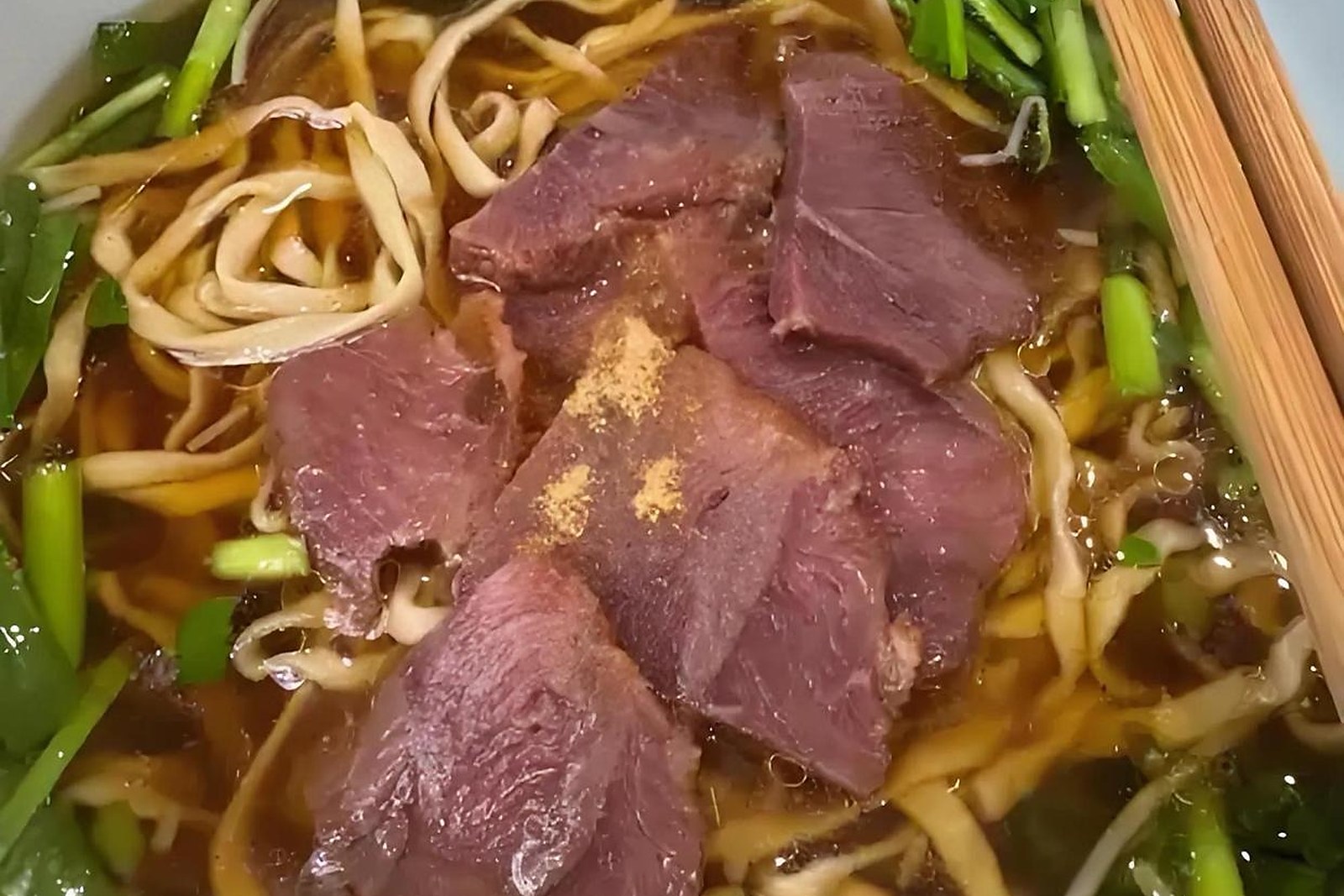
Ordering like a local takes one sentence: noodles with the eel topping, a side of aspic slices, and vinegar from the communal bottle. Prices are pocket change for the standard bowl; the deluxe tops – eel, beef, mixed offal – climb a notch or two. Go before nine if you want the pot at its liveliest and a stool to sit on.
The same city holds more flavors worth chasing: 镇江香醋 Zhènjiāng Xiāngcù the aromatic vinegar, 水晶肴蹄 Shuǐjīng Yáotí the crystal pork aspic, 东乡羊肉 Dōngxiāng yángròu the red-braised mutton, or 白汁鮰鱼 Báizhī Huíyú the white-braised hui fish – four more doors into the same 镇江市 Zhènjiāng Shì Zhenjiang City table.
Words and Names
What the Locals Know
flowcloud would say the pot-lid noodle is Zhenjiang in miniature: an engineer’s fix floating on a broth, three hundred years old, ignored by everyone outside the city and compulsory inside it. All checked November 2026.
Where to find it: Guogai noodles run the whole city from dawn – old-line shops cluster around the old town and the Dashi-kou axis, alley stalls do the fastest bowls, and every shop stocks the local vinegar on the table; order the eel or aspic topping, expect pocket-change pricing, and eat fast – the strand is the point and it waits for no one. All checked November 2026.