
The Pancake That Learned to Braise: Guotan Liji
金衣裹嫩里脊香,一勺汁浓半张黄 Jīn yī guǒ nèn lǐjǐ xiāng, yī sháo zhī nóng bàn zhāng huáng – A golden coat wraps fragrant tenderloin; one ladle of thick sauce over half a sheet of gold
锅塌里脊 guōtā lǐjǐ Guotan liji is the 天津市河北区 Tiānjīn Shì Héběi Qū Hebei District home-kitchen classic built on a Shandong trick – strips of pork tenderloin folded into a thin egg pancake, seared gold in the wok, then 塌 tā “collapsed”: braised slowly in a shallow pool of savory stock until the egg drinks the sauce and the whole thing sets into one soft golden round. The name says the method – 锅塌 guōtā, the pan-collapse – and no translation has ever improved on it.
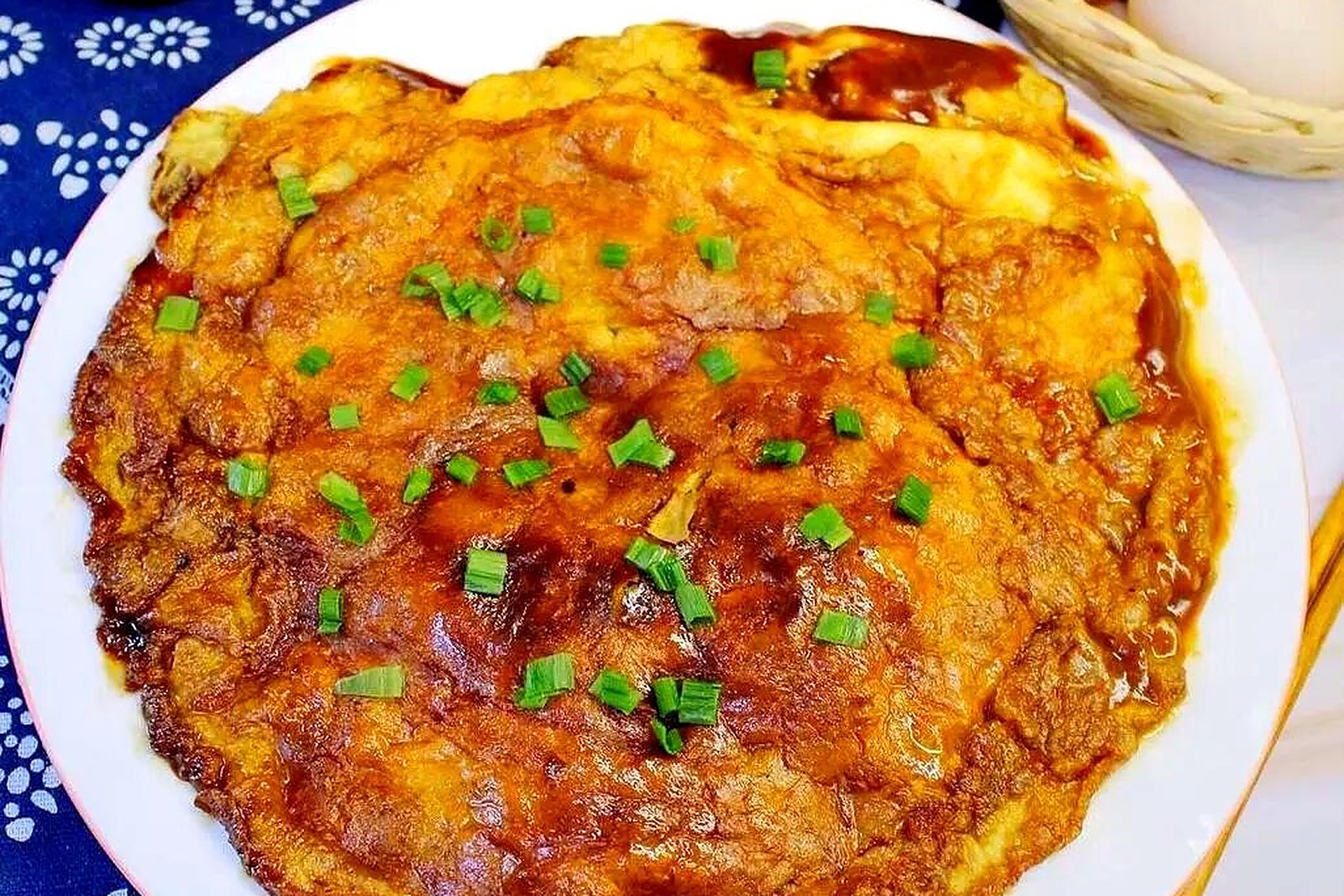
The cut is the point. Tenderloin – 里脊 lǐjǐ – is the most forgiving meat in the shop, and the dish treats it royally: strips dipped in seasoned egg, laid into the oiled pan in one layer, flipped once, then left to absorb the simmer. What arrives is a quilted golden disc, cut into wedges, glossed with a brown sauce that tastes of scallion, ginger and patience.
The dish is a lesson in Tianjin’s Shandong inheritance. 塌 tā technique came over the bohai coast with the Shandong cooks who staffed the city’s early restaurants, and Tianjin’s home kitchens adopted it for everything from tenderloin to tofu. The Hebei District family tables keep the weekday version – one pan, one egg, one ladle of stock – and the restaurant version adds mushrooms and bamboo shoots to the braising pool for the banquet ring.
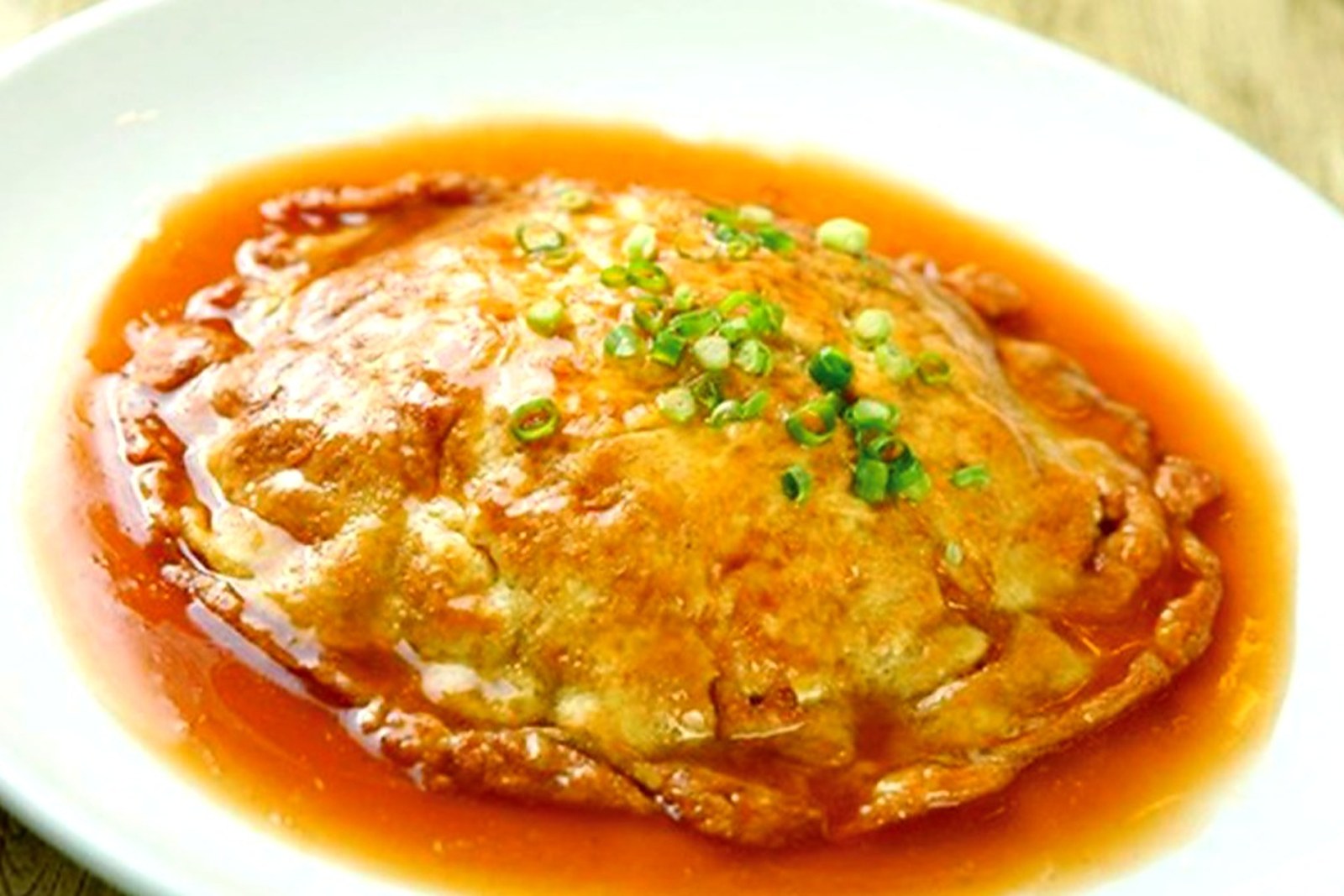
Order it as the soft dish of a fried table – it rests between the crisp dishes the way a sauce rests between courses. Every neighborhood restaurant around 中山路 Zhōngshān Lù keeps a version, the price sits at the friendly end of the card, and a proper guotan liji should wobble slightly when the plate lands, the egg still holding its absorbed gravy.
The same district holds more flavors worth chasing: 罾蹦鲤鱼 zēngbèng lǐyú the scale-crisp carp, 老爆二 lǎobào’èr the twice-fried stir-fry, 四大扒 sìdà bā the Four Great Braises, or 茶汤 chátāng the millet paste from the dragon urn – four more doors into the same Hebei District table.
Words and Names
锅塌里脊 guōtā lǐjǐ guotan liji, the pan-collapsed tenderloin; 塌 tā the slow shallow-braise that names the technique; 里脊 lǐjǐ pork tenderloin; 锅 guō the wok itself; 挂汁 guàzhī the glaze that clings to the egg.
What the Locals Know
The egg decides the dish – it should taste of the stock, not of the pan, and the surface should shine without greasing the plate. Ask for it 塘火 tāng huǒ slow-fire if the table is in a hurry; the kitchen knows what that means, and the five extra minutes are the difference between fried egg and guotan liji. All checked November 2026.
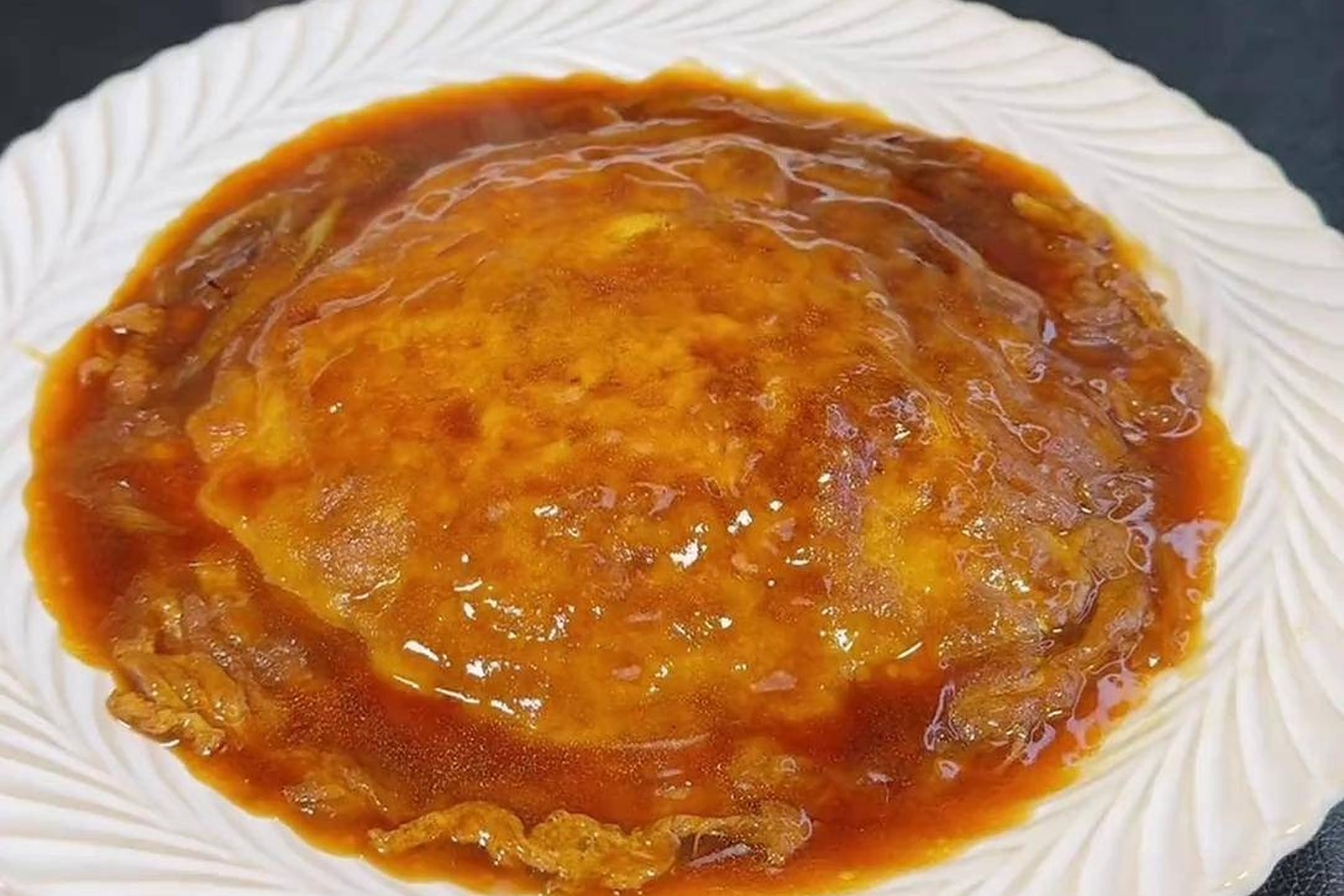
flowcloud would say guotan liji is patience written in egg: a sear that starts the argument, a simmer that settles it, and a sauce that ends it – the Shandong coast’s technique married to Tianjin’s quiet weekday appetite.
Where to find it: The family restaurants and long-standing canteens around 天津市河北区 Tiānjīn Shì Héběi Qū Hebei District’s main streets keep guotan liji on the everyday card – it is a dish the regulars order without opening the menu. All checked November 2026.