
Shanshan Hami Melon: The Melon Fields of the True Home, the Honeyed Flesh of the Gift Melon and the Sweetest Slice of the Silk Road in Turpan, Xinjiang
贡品出鄯甜如蜜,一刀切开满室香。Gòngpǐn chū Shàn tián rú mì, yī dāo qiē kāi mǎn shì xiāng – The tribute melon comes from Shanshan, sweet as honey; one cut of the knife and the whole room is fragrant.
鄯善哈密瓜 Shànshàn hāmìguā the Shanshan Hami melon is the basin’s most misnamed treasure – the famous 哈密瓜 hāmìguā Hami melon carries a neighbouring city’s name in the market, but the fruit’s true home and finest fields lie around 鄯善县 Shànshàn Xiàn Shanshan County in Turpan’s east, where the saying 「哈密瓜出鄯善」Hāmìguā chū Shànshàn – the Hami melon comes from Shanshan – has been the local argument since the fruit went to court as Qing-dynasty tribute (worth confirming the details for the variety calendar, since the season rolls from early melons to the late winter-storage kinds). The basin’s heat, the karez water and the gravelly soil build a melon of dense, crisp, honeyed flesh with a perfume that fills a room before the knife finishes the cut, and Shanshan’s roadside stalls sell them split open to prove the colour. Melon villages outside the county town run the fields, the night stalls slice to order, and the county’s own name for its pride is simply 甜瓜 tiánguā – the sweet melon. The register is perfume and confidence: fruit sold by fragrance first, sweetness second, and reputation third.
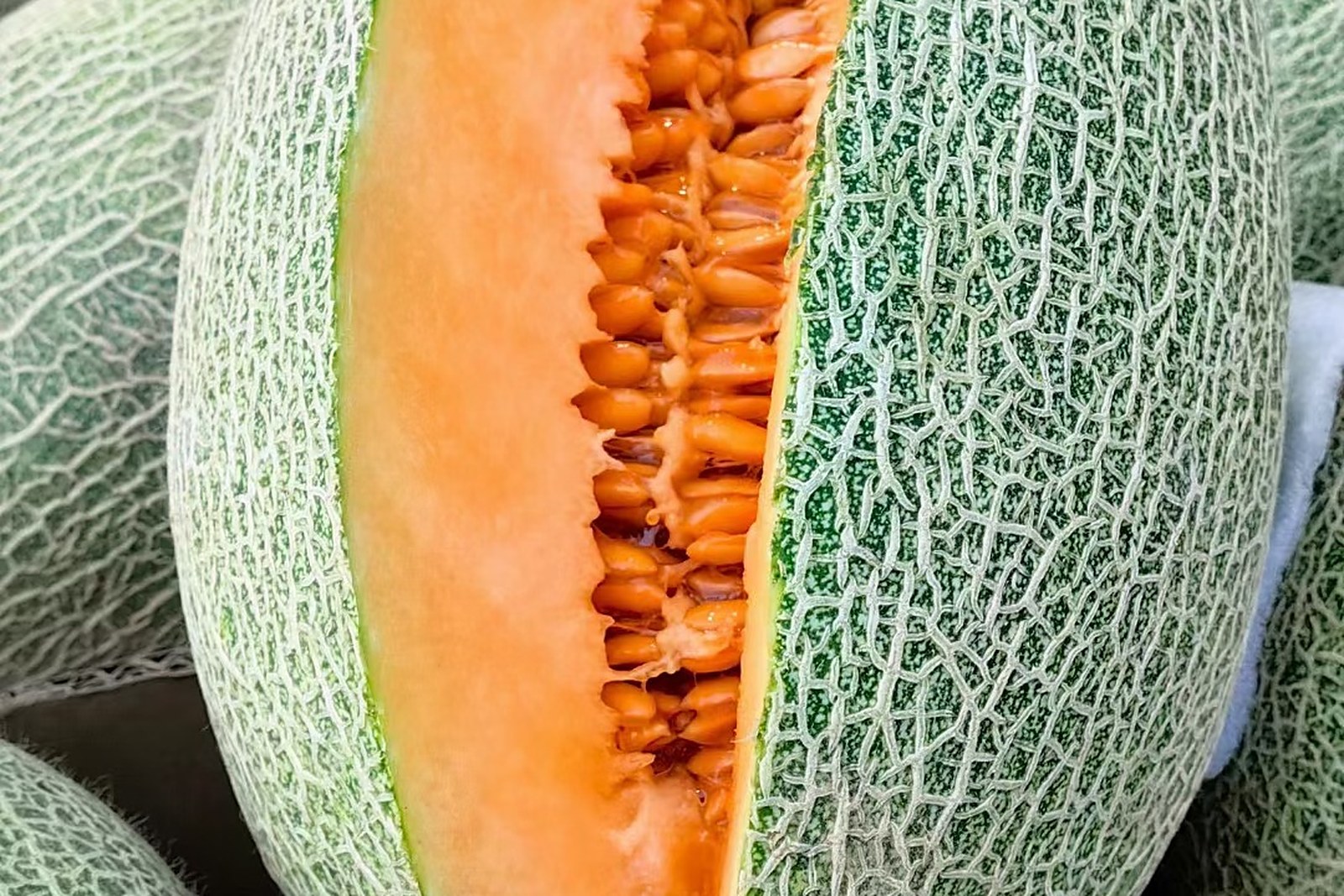
Call it honestly: melon-stall money on a season ramp. Getting there is one door: Shanshan county town lies some ninety kilometres east of Turpan on the highway (worth confirming the details for the bus and rail connections, which the county town runs frequently), and the melon stalls line the roads at the town edge with the fields behind them. A split melon at the stall prices at fruit-stand money, a whole gift melon with straw wrap at present-within-reason money, a field-side tasting circuit at afternoon-outing money – though exact figures are worth confirming the details on rather than quoting, the stalls repricing weekly as the season peaks. The crowds run to the ramp: the high-season weeks stack the stalls, shoulder months hand the fields to the growers, and an early-evening hour, when the day’s picking is still warm from the sun, is the melon-eater’s own.
The honest star is the perfume itself – a ripe Shanshan melon announces itself through the rind, and the flesh underneath delivers the same fragrance in solid form. What gets oversold is the “Hami versus Shanshan” rivalry as a contest: guides sell a dispute that the locals settled long ago, because the market name honours the shipping town while the fields honour the basin soil. What repays is the texture – crisp to the rind, never mealy, sweet the way the fire land sweetens everything it waters (worth confirming the details for which varieties the stall grows, since the early and late melons differ as much as siblings).
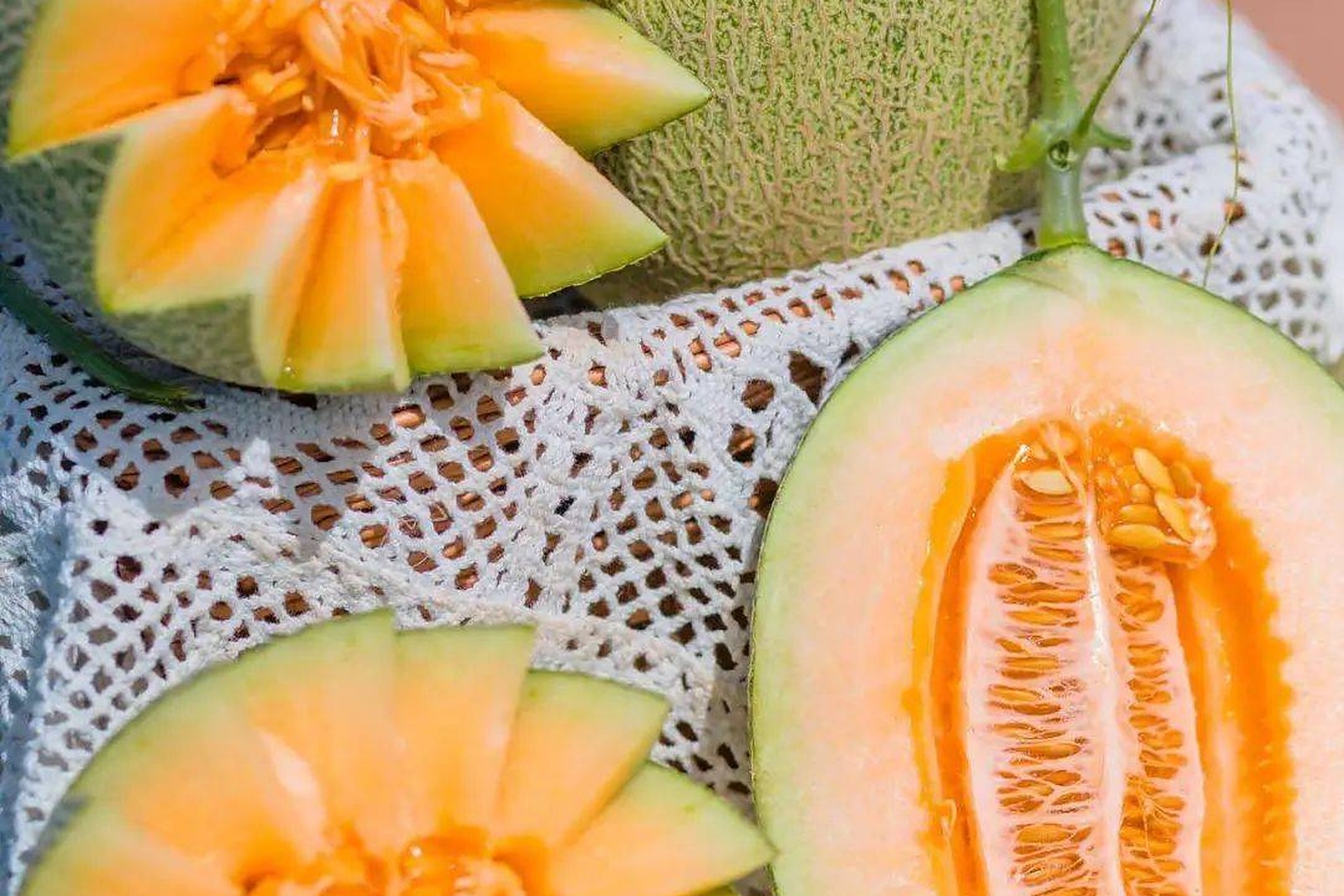
The town’s deepest habit is the split melon itself: stalls open the fruit on request so the buyer judges the flesh before paying, households serve it iced in slabs as the standard guest welcome, and the season’s first local melon is an event discussed for days – a fruit eaten as a civic identity, not a dessert.
The rest of this Turpan list keeps other tables: the trellis clusters of 吐鲁番葡萄 Tǔlǔfān pútáo the grapes fill the autumn, the drying-house sweetness of 吐鲁番葡萄干 Tǔlǔfān pútaogān the raisins fills the pantry, the tandoor crusts of 烤包子 kǎobāozi the baked buns anchor the corners and the vinegar-tossed strands of 新疆黄面 Xīnjiāng huángmiàn the yellow noodles cool the noon – four more doors into the same 吐鲁番市 Tǔlǔfān Shì Turpan City.
Words and Names
What the Locals Know
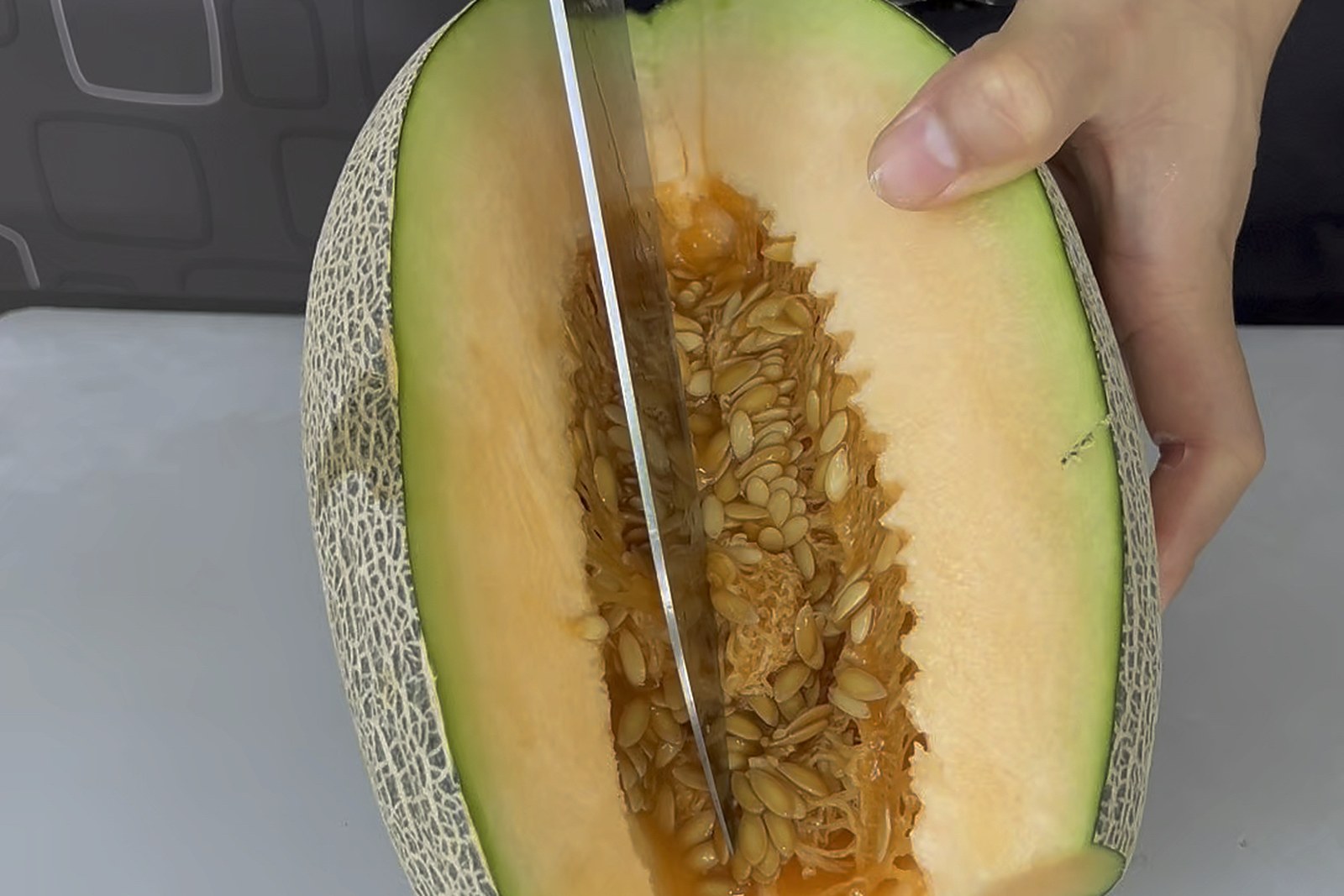
flowcloud would say that the 鄯善哈密瓜 Shànshàn hāmìguā is the basin’s perfume made solid and the tribute road’s sweetest survivor – a melon that answers the market’s naming with the fields’ own fragrance – and that the honest move is to have the stall split the melon, watch whether the perfume arrives before the knife does, and let the field-side bite cast the vote, because the basin grew the sweetness and the county kept the recipe. All checked November 2026.
Where to find it: 吐鲁番市 Tǔlǔfān Shì Turpan City, Xinjiang – the melon stalls at the edge of 鄯善县 Shànshàn Xiàn Shanshan county town and the field roads where the 瓜田 guātián melon fields run to the horizon, where the 哈密瓜 hāmìguā keeps the split-melon register through the high season and the roadside stands and night stalls do the slicing, reached by highway bus or rail east from the city (worth confirming the details for which stalls run field-side tastings and which sell wrapped gift fruit only, stall rows turning over as the season does), where the trade keeps the season ramp – high-season weeks the stacked stalls, shoulder months the growers’ loop, early evening the melon-eater’s own; fruit-stand to present-within-reason money by the melon, so call it worth confirming the details rather than a fixed number, and let the field-side bite cast the vote. The Shanshan Hami melon is the tribute road’s perfume made solid, eaten one crisp, honeyed slab at a time – the taste of 吐鲁番市 Tǔlǔfān Shì Turpan City eaten one fragrant, ice-cold piece at a time. All checked November 2026.