
横琴蚝 Héngqín háo, the Hengqin oyster, is an island crop grown where the fresh water of the Pearl River estuary meets the tide, and it is raised on a strip of water that lies between two shores: Zhuhai’s on one side and, across a channel a couple of hundred metres wide, Macao, China on the other. Zhuhai is a prefecture-level city in Guangdong Province, on the western bank of the Pearl River estuary, and the only mainland Chinese city connected by land to both Hong Kong, China and Macao, China. The oyster is sold by its local nickname rather than its scientific one: 碗仔蚝 wǎnzǎi háo, the bowl-shell oyster, from the deep cupped shape of the shell, and it is the small scale of the ground, not the size of the harvest, that defines it.
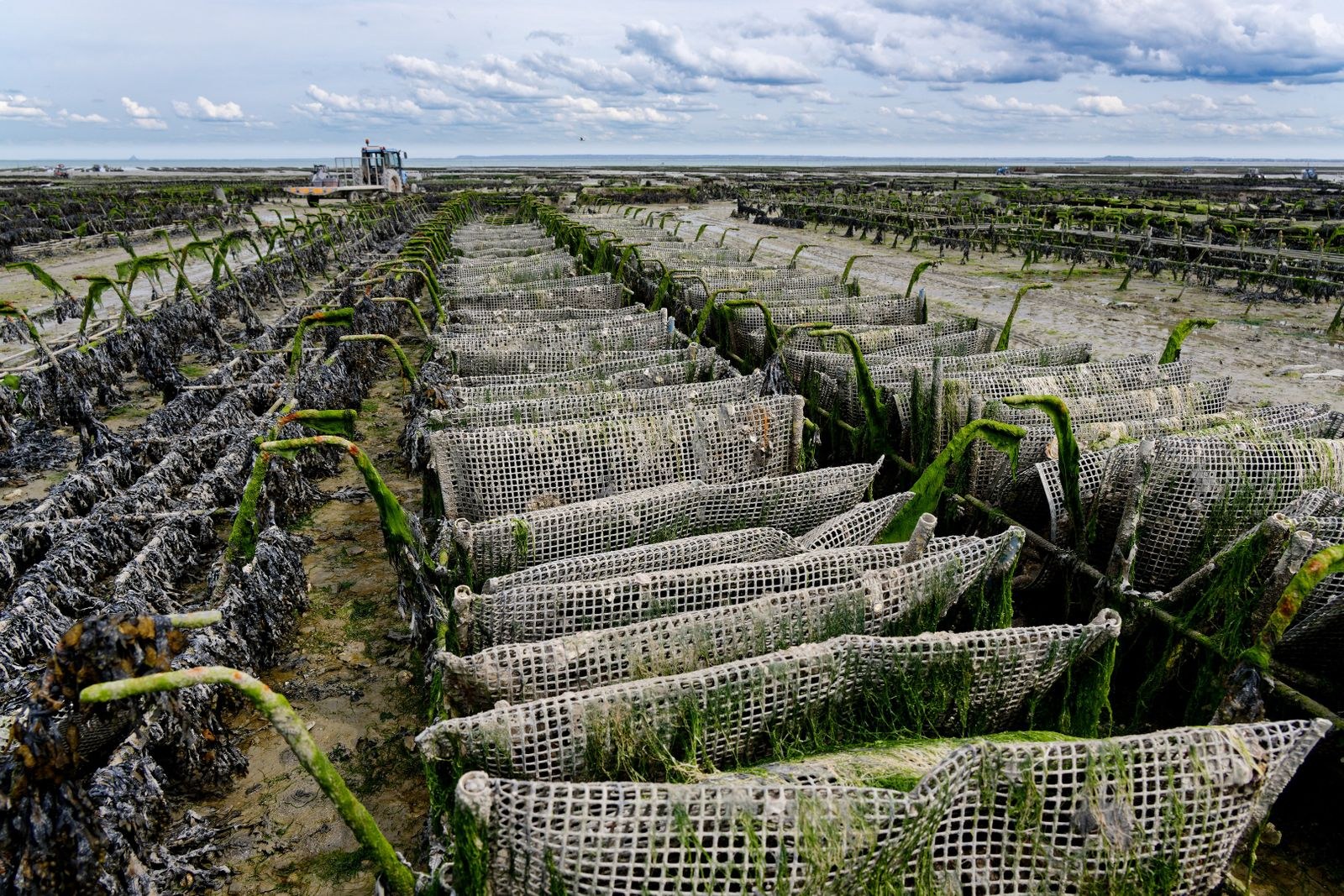
The oyster’s reputation rests on a five-character description the trade repeats in a fixed order: 一大 yī dà, large; 二白 èr bái, white; 三肥 sān féi, fat; 四嫩 sì nèn, tender; 五脆 wǔ cuì, crisp. The cause is the water. 横琴岛 Héngqín Dǎo Hengqin Island sits in the brackish band of the estuary, where the tide runs clean and fertile and carries the micro-organisms the oyster feeds on; at high water the oysters sit under the sea and at low water they are left out in the sun, and growers credit that daily alternation with the fleshy body, the milky-white meat and a texture that is at once tender and crisp. On identity the record is precise, and this article follows it rather than the gloss. In 2008 the name Hengqin oyster was recognised as a Guangdong provincial famous trademark, and it was registered as a mark of origin by the former national quality inspection authority; those are two instruments, not one, and both date from 2008. A provincial famous trademark and a registered mark of origin are not the same thing as a national geographical-indication protected product. Commercial pages have promoted the Hengqin oyster as a national geographical-indication product, but no government or state-media source supports that upgrade, so it is not claimed here.
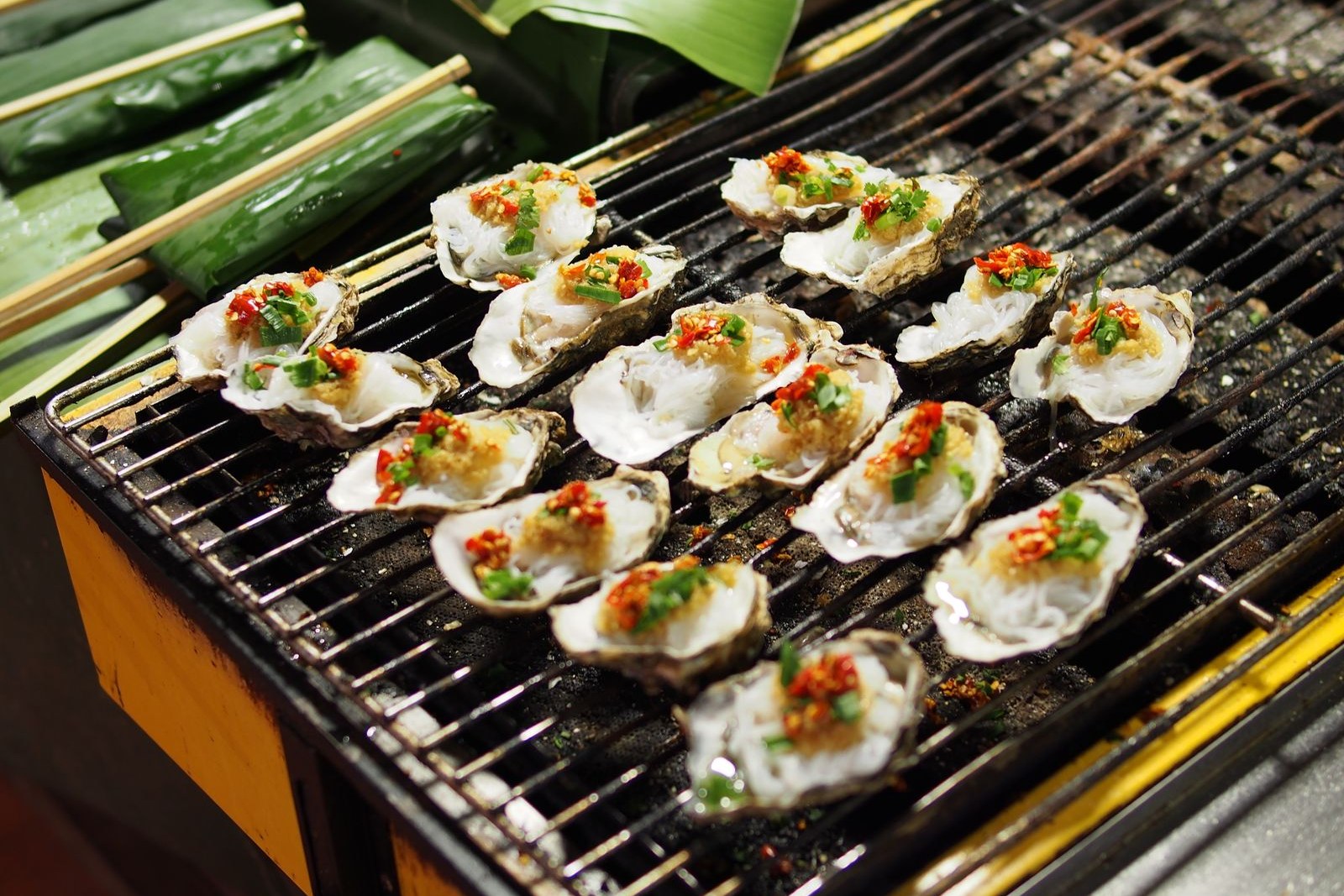
The second official date is about the craft rather than the crop. In May 2016 the Hengqin oyster production technique was entered on Zhuhai’s ninth batch of municipal intangible cultural heritage, which makes the opening and the cooking a listed skill and not merely a product, and it is the only such listing this column can verify for the oyster. What the listing protects is the short distance the oyster travels. The eating style here is 现捞 xiàn lāo, lifted now, 现撬 xiàn qiào, opened now, and 现煮 xiàn zhǔ, cooked now: at the rafts a visitor takes the oyster off the rope, a worker opens it on the spot, and it reaches the pot inside the hour, which is why the methods kept at the water’s edge are the plain ones. Charcoal-grilled, steamed under minced garlic and glass noodles, or dropped into a clear soup, the oyster is treated as something that should not wait, and the best of the fresh crop is eaten raw, opened and swallowed with nothing added. The record credits the daily tide, not a recipe, with the taste.
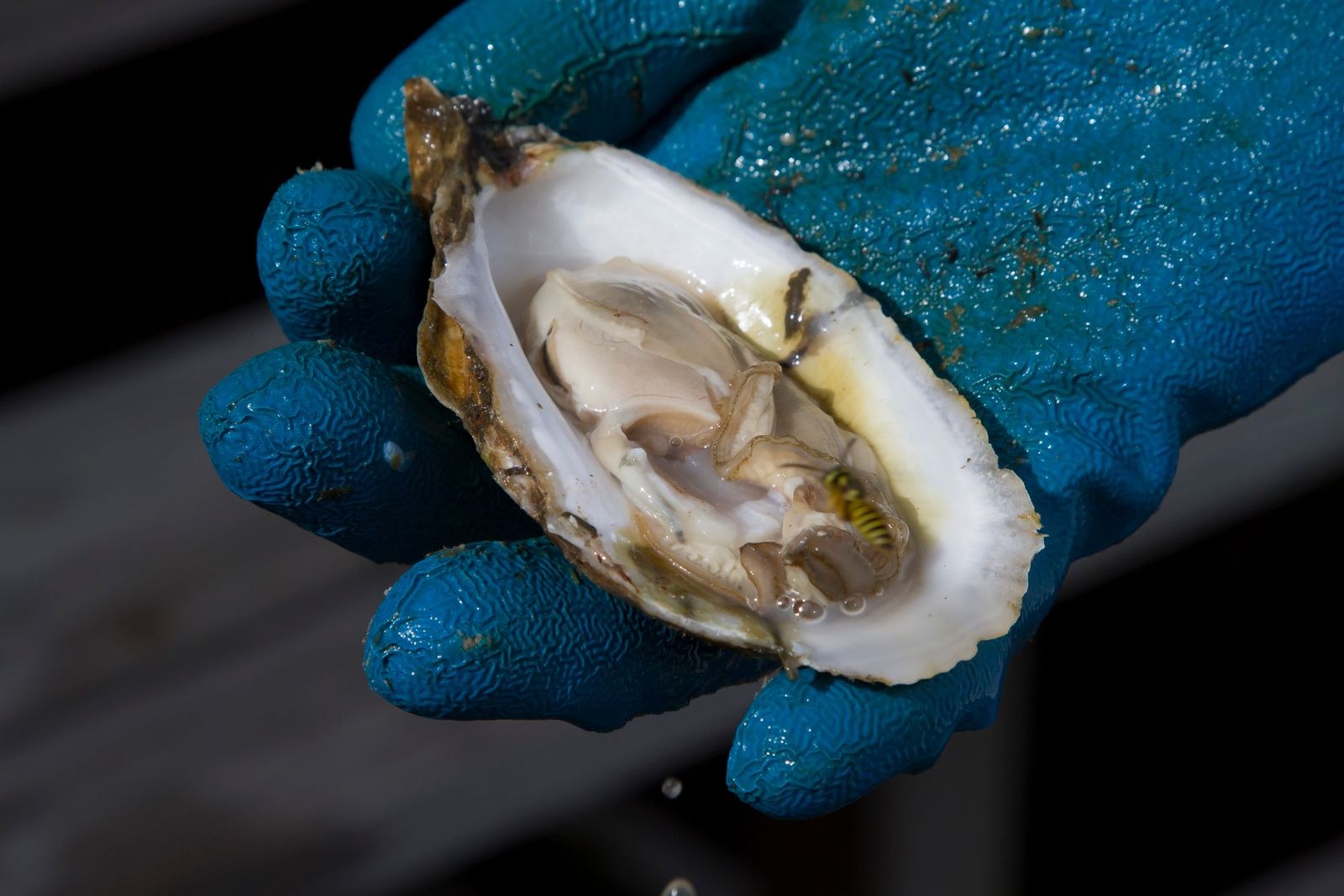
Season and place are the rest of the story. September to April is the fat season, and the trade reckons the best of it from the winter solstice to Qingming in the spring. 横琴岛 Héngqín Dǎo Hengqin Island lies across the water from Macao, China, whose shore is about 187 metres away at the nearest point, and the island covers about 106 square kilometres. On 17 September 2021 the Guangdong-Macao In-Depth Cooperation Zone in Hengqin was inaugurated on the island, a customs-controlled area between its first and second lines, administered jointly by Guangdong Province and the Macao Special Administrative Region of China, and the oyster grounds now sit on the water between the two shores; the arrangement is named here only as the ground on which the rafts float, and nothing political is read into it. What the record will not supply is a size for the trade. Two commercial counts of the oyster grounds circulate and differ so widely from each other that neither is usable, and no official figure for area or annual output was found, so the scale is described in this article only as a few thousand mu of rafts and racks.
Three other oyster stories sit on this site, and this page is not one of them. Shenzhen’s Shajing, written up elsewhere here, is a long-settled delta trade with its shell walls and its oyster festival; Yangxi’s Chengcun is a mangrove bay with raft culture and a winter moon; Zhanjiang’s grilled oysters are a mass-production town with a famous market and charcoal smoke. Hengqin is a small island ground between two shores, its oysters carry a provincial famous trademark and a registered mark of origin from 2008, and the shucking and cooking technique entered Zhuhai’s municipal intangible-heritage list in May 2016; here you lift the oyster off the rope yourself and eat it within the hour. What the record refuses is stated plainly: the national geographical-indication label, which is not supported; an origin in the Song dynasty, which comes from a commercial guide site and is not printed here; the mermaid story that travel pages attach to the oyster, which is refused; any area, output or mineral-content figure; and any restaurant name or per-head price. What is left is the water, the tide, the two dates and the hour. The supports Zhuhai holds on the food map are the brackish estuarine fishery at the western mouth of the Pearl River, the two national geographical indications the city carries, Baijiao sea bass and the yellowfin seabream of Jinwan District, the deep-sea marine ranches of the Wanshan Archipelago, and the port-side eating life next to Macao, China; this page is that last support, seen from the oyster ground.
Words and Names
横琴蚝 Héngqín háo is the oyster and 碗仔蚝 wǎnzǎi háo the nickname, the bowl-shell oyster; 横琴岛 Héngqín Dǎo Hengqin Island is the ground, and 横琴粤澳深度合作区 Héngqín Yuè-Ào Shēndù Hézuòqū is the Guangdong-Macao In-Depth Cooperation Zone in Hengqin, the area on the island administered jointly by Guangdong Province and the Macao Special Administrative Region of China. 中国澳门 Zhōngguó Àomén is Macao, China, written that way throughout this column. 蚝豉 háoshì is the dried oyster and 蚝油 háoyóu oyster sauce, the two preserved forms that keep the taste past the season. The site’s three other oyster pages, for Shenzhen’s Shajing, Yangxi’s Chengcun and Zhanjiang, each keep their own ground; this page keeps the island between two shores and the hour between the rope and the pot.
What the Locals Know
Reaching the oysters is easy and eating them well is a matter of timing. The grounds lie off Hengqin Island, and the oyster is eaten on the island or along the Zhuhai shore rather than shipped far; the season runs from September into April, and anyone who wants the oyster at its best should aim for the cold months, from the winter solstice towards Qingming, when the flesh is thickest. The most direct way to eat is the way the technique is named for: at the rafts, or at a table the rafts supply, where the oyster is opened to order. Ask for the simplest treatment first, the charcoal grill or a plain steam, before the cheese and the heavy sauces, and taste the oyster on its own if the day’s crop is good enough, which is what the raw version is for.
A day that makes sense of the page pairs the two shores. The oysters at midday on the island, the channel and the Macao skyline read from the Zhuhai side in the afternoon, and a plate of grilled oysters in the evening at the water’s edge, which is the same oyster seen from the other direction. What the record refuses is stated once more: no national geographical-indication status, no origin date, no legend, no area or output figure and no mineral claim, and no price given as fixed, because the trade sells by the piece or by the jin and the figure moves with the season and with the stall on a 2026-10 snapshot, so any number read online should be treated as the day’s rather than the year’s.
flowcloud would say that the Hengqin oyster is a small island crop from the brackish water between Zhuhai and Macao, China, known as the bowl-shell oyster for its five-point description of large, white, fat, tender and crisp, carrying a Guangdong provincial famous trademark and a registered mark of origin from 2008 plus a municipal intangible-heritage shucking-and-cooking technique from May 2016, and eaten within the hour of being lifted off the rope.
Where to find it: the oyster grounds off 横琴岛 Héngqín Dǎo Hengqin Island and the tables on the island and the Zhuhai shore that they supply, in 珠海市 Zhūhǎi Shì Zhuhai, Guangdong Province, on the water between Zhuhai and Macao, China; the season runs from September into April with the best from the winter solstice to Qingming, prices are quoted by the piece or the jin and move with the season and the stall on a 2026-10 snapshot, and the only official marks on the oyster are the provincial famous trademark and the registered mark of origin of 2008 and the municipal intangible-heritage listing of May 2016.